
Reviewed · WAGASHI & MOCHI MAKING
Kyoto Food Tour of 10 Tastings with Wagyu, Mochi & More Surprises
Kyoto can feel like a never-ending snack hunt, so what makes this tour interesting is the structure. You walk a set route from Karasuma to Gion and collect 10 tastings along the way, guided step by step through places you might miss on your own.
I love that it’s a small group (max 10), which keeps the pace relaxed while you eat, ask questions, and actually hear what you are ordering. I also like that the tour gives you a full Nishiki Market segment (about 1.5 hours), not a quick drive-by, so you have time to sample and look around.
One possible drawback is communication and food style. A couple reviews noted guides can be quiet with English that is only okay, and the menu can lean on comfort foods that are sometimes fried. If you want heavy, detailed explanations, or you dislike fried items, you should plan accordingly.
Key Highlights You’ll Actually Feel on the Walk
- Karasuma to Gion route with built-in sightseeing, including Pontocho and views of the Kamo River
- 10 tastings that cover yuba tofu, katsudon, okonomiyaki, fish cakes, and dessert mochi
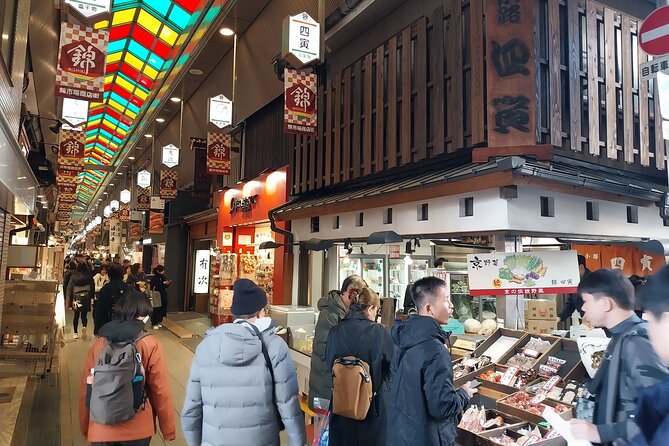
- Nishiki Market time is long enough to explore, around 400 meters of stalls plus tastings
- Alcohol and tea are part of the value: draft beer, sake tasting, and hot or cold Japanese tea
- Max 10 travelers helps keep the vibe laid-back and manageable for questions
- Guide identity is easy to spot, orange umbrella at the Starbucks meeting point
Karasuma to Gion: The Walk That Feels Like a Kyoto Day, Not a Food Line
This tour is built around one practical idea: eat your way through Kyoto while you also walk Kyoto. You start at Starbucks Coffee near Karasuma Oike Station, and you end in Minami Gion, close to the Gion Shijo Station area and a few steps from Yasaka Shrine.
That end location matters. Many food tours stop in a random spot that leaves you scrambling for transit. Here, you finish where you actually want to be for an evening in Kyoto: Gion.
Time-wise, it’s about 3 hours 30 minutes. You’ll do a fair amount of walking, so I’d treat this as an active half-day plan. Comfortable shoes are not optional. Kyoto streets can be flat one minute and uneven the next, and you’ll be standing in line at counters while you wait for your food.
Group size also changes the feel. With up to 10 travelers, the tour tends to move like a small group outing rather than a conveyor belt. That can help especially at places like Nishiki Market, where it is easy for a big group to turn into a traffic jam.
More Food & Drink in Kyoto
- Kyoto Night Foodie Tour in Gion (9+ dishes + 6 Sake tastings)
★ 5.0 · 1,762 reviews - 3-Hour Kyoto Insider Sake Brewery Tour with Tastings & Pairings
★ 5.0 · 917 reviews - Arashiyama Bamboo, Temple, Monkeys, or Secret Sake Brewery
★ 4.8 · 886 reviews
The Food Bundle: What the 10 Tastings Include (and Why It’s Good Value)
The headline is 10 tastings, but the real value is what those tastings cover. You get Kyoto staples plus a few “pay attention” items.
Here’s what’s explicitly included:
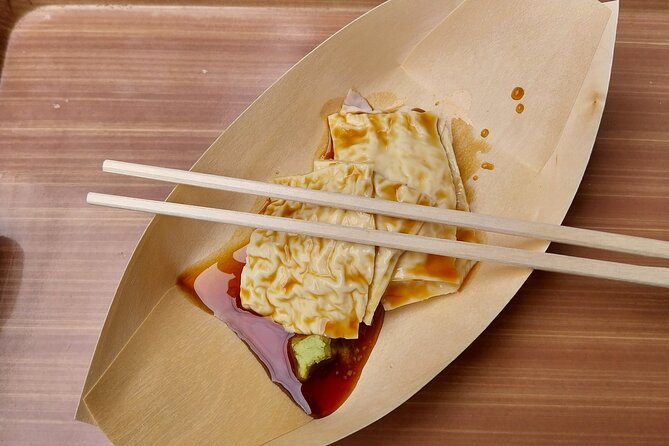
- Yuba tofu, presented and tasted as a Kyoto specialty
- Katsudon with a sweet local twist
- Okonomiyaki, Kyoto style savory pancake
- Wagyu sushi, seared to perfection
- Fresh fish cakes, handmade with different flavors
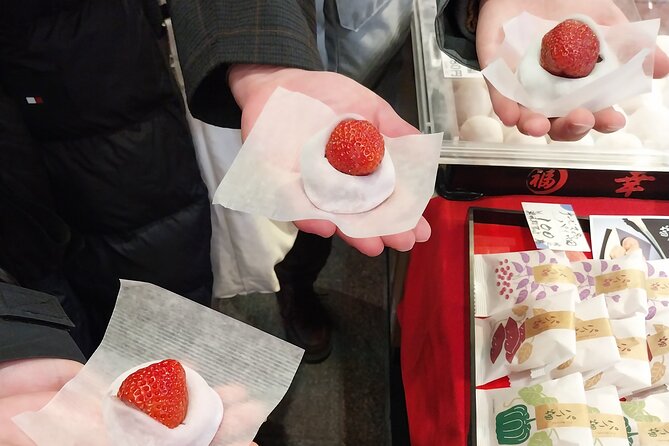
- Daifuku mochi, with a seasonal fruit filling
- A glass of draft beer
- A tasting of various Kyoto sakes
- Japanese tea tasting, hot or cold
- Our delicious secret dish (served as part of the tasting count)
That mix is smart. It prevents the tour from being only one style of food, like fried snacks or only sweets. You get protein, grilled or seared items, savory pancakes, tofu, and dessert. And you also get drinks, not just water.
When you do the math on typical city prices, the beer, sake tasting, and tea tasting alone can move the cost needle. Add in nine or ten food items, and the overall cost starts to feel less like a “markup for a tour guide” and more like a pre-packed foodie plan.
Stop 1 at Starbucks: The Easy Start Makes the Rest Go Smooth
Your meeting point is straightforward, and that is a big deal in Kyoto. You meet in front of Starbucks across the street from exit 5 of Subway Karasuma Oike Station. The guide wears an orange umbrella to help you find them quickly.
This first stop is short, about 10 minutes, and it’s mostly about getting oriented. The guide introduces the tour and sets expectations for the walking route and what you’ll be trying.
You’ll also get value from this moment even if you don’t care about instructions. A quick start means less time wandering around Kyoto trying to locate your group, and more time eating.
Stop 2: Katsudon and Tonkatsu Energy to Set the Pace
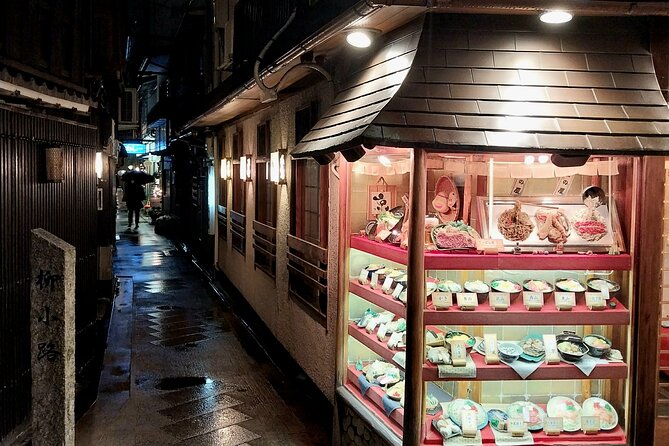
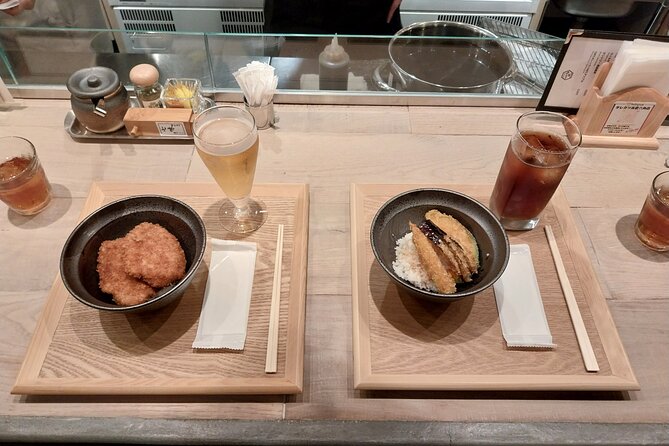
After meeting up, you head to a traditional spot for the first hearty bite. The stop centers on katsudon with a sweet local twist, and it’s described alongside a regional-flavored pork cutlet direction.
Why start here? Because your first meal on a walking tour needs to be satisfying. Kyoto food can be lighter than some cities, but this pork dish brings comfort and fuel so you can keep going through Nishiki Market without feeling like you are constantly chasing your next snack.
One thing to keep in mind: pork cutlet-style dishes tend to mean some frying. If fried food is a deal-breaker for you, this tour may not be your perfect fit. If you like crispy comfort foods, this opening stop is right in the sweet spot.
More Wagashi & Mochi Making in Kyoto:
- Kyoto near Fushimiinari Wagashi making&Small Group Tea Ceremony
★ 5.0 · 14 reviews - Tokyo Sumo Experience: Chanko & Mochi with a Former Pro
★ 4.8 · 567 reviews - Tokyo: Matcha Making Experience with Mochi Sweets in Asakusa
★ 4.9 · 388 reviews - Osaka: Traditional Mochi Pounding Experience with Tasting
★ 4.9 · 306 reviews
Nishiki Market: Your Best Chance to Go Beyond the Obvious Souvenirs
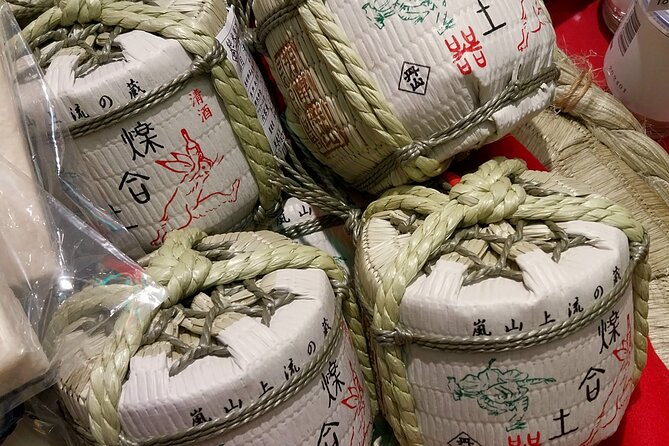
This is the anchor of the whole experience. You spend about 1 hour 30 minutes at Nishiki Market, which is roughly a 400 meter stretch of shops and stalls.
The tour approach here is practical. Instead of just pointing at food, you get guided attention to artisans and trades along the market street. That matters because Nishiki is not one store, it is many tiny counters. It helps to have someone guide you to what is worth trying and when to move.
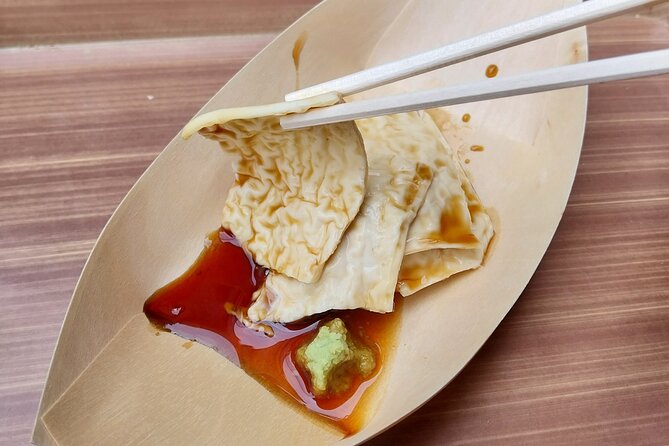
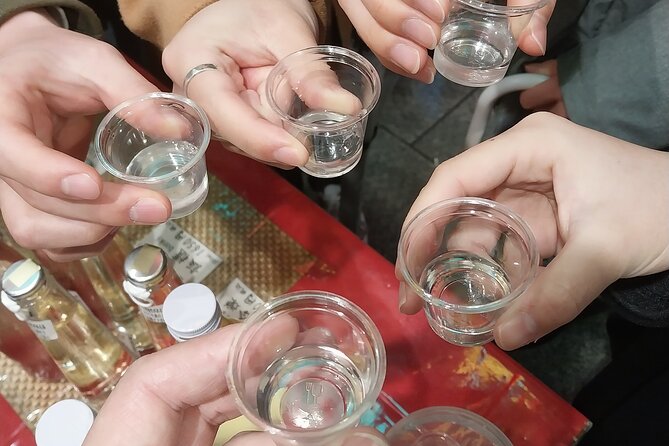
During this market time, you’ll taste yuba tofu, often in a presentation format rather than only a small bite. You also get a sake tasting, plus you try fresh fish cakes with different flavors.
You’ll also be introduced to other “Kyoto twist” foods as part of the tasting lineup. The exact order of each item can shift based on availability, but your inclusions make it clear you are not just doing one snack per stall. You are doing multiple tastings in different styles.
This is also where the best feedback lines up. The strongest praised parts focus on the market walk and the chance to sample a variety of foods in a set period, without feeling like you are guessing your way through Japanese menus.
Gion Walk Time: Pontocho and the Kamo River Break Up the Food Focus
After the market, the tour shifts from pure eating to walking and views. You spend about 30 minutes in the Gion area, including a stroll with views of Pontocho and the Kamo River, before reaching the neighborhood streets near Gion.
This break is more valuable than it sounds. When your brain is busy tracking menus and flavors, you need a reset. The sight-walk segment gives your feet a change of pace and helps the tour feel like Kyoto, not just a food checklist.
Also, Gion evenings are popular for a reason, but the daytime approach is different. This tour brings you through when you can still move comfortably and take photos without the heaviest crowds.
Stop 5 in Gion: Okonomiyaki That Keeps the Tour Grounded
Next you settle into a restaurant stop for okonomiyaki, described as Kyoto style. This stop is also about 30 minutes, and it’s framed as a well-deserved rest with a hearty plate.
Okonomiyaki is one of those foods that can be both comforting and endlessly variable by region and cook. The Kyoto style note matters, because the texture and toppings can vary. On a tour like this, you’re not just eating cake-like batter. You are trying a local way of doing a classic Japanese savory.
As with the earlier pork stop, there is likely some frying or griddling involved, since okonomiyaki is cooked on a flat surface. If your preference is for fresh, cool items only, this stop might feel a bit “hot and heavy.” If you like warm comfort food after walking all morning, it hits the right moment.
The Matcha Finale: Tea Tasting That Doesn’t Feel Like a Lecture
The last stop is about Kyoto’s tea culture. You visit a renowned matcha venue, with a Japanese tea tasting that can be hot or cold depending on the season. This stop runs about 20 minutes.
This is a good ending because it gives you a cleanse after savory foods and dessert. Tea is also a more thoughtful finale than a second big meal.
One practical note: matcha tasting is not the same as the drink you order at a café. It’s part explanation, part sip, and part understanding how Kyoto places tea at the center of the experience. Even if you do not get a long history lesson, it’s still a Kyoto-specific way to finish.
Guide Style: You May Get a Friendly Food Pro, or a Quiet One
This tour lives and dies by the guide, and the feedback shows a real split in experiences.
On the positive side, some people got guides like Yuma, described as very nice and friendly, with a market-focused experience and smooth flow. Others highlighted guides such as Tomoro as a great guide.
On the other hand, a few critiques pointed to guides being quiet and not offering deep detail, with English skills described as only okay. That doesn’t necessarily mean you won’t have fun. It does mean you should adjust your expectations.
My practical advice: go with curiosity, not with the expectation of a professor. If you want more explanation, ask specific questions like:
- What makes this Kyoto style
- What should I pay attention to in the texture
- Where would you eat this again if you lived here
And if English details are limited, translation apps help, but simple questions still work. Also, because the menu is tastings-based, you can still enjoy it even if the guide is less talkative.
Dietary Needs and Food Preferences: Plan Ahead, Don’t Hope
You can request dietary requirements, but you need to contact the tour provider in advance. That is your best chance to get a workable option.
This matters because the tour includes specific items like yuba tofu, wagyu sushi, pork cutlet style food, fish cakes, mochi with fruit filling, and drinks. Some dietary needs might be manageable, but others can be tricky.
Also think about texture preferences. Some items are warm and savory. Some are fried or griddled. Some are delicate tofu and seafood-adjacent items. If you only want fresh and raw foods, or you avoid alcohol completely, you should consider whether this format matches your food comfort zone.
Price and Value at $142: Where Your Money Is Actually Going
At $142 per person, this tour isn’t a cheap “wander and snack” activity. But it also isn’t just paying for a walking map.
Your included items are the main reason it can feel like value:
- Multiple savory tastings across Kyoto styles
- Yuba tofu presentation, not just a random bite
- Wagyu sushi included in the set
- Dessert mochi with seasonal fruit filling
- Draft beer plus a sake tasting
- Hot or cold Japanese tea tasting
- A secret dish that counts toward the total
If you book a similar set of foods on your own, you still end up paying restaurant prices, and sake or beer tastings can add up quickly. Here, those drinks are folded into the experience.
Another value angle is time. You spend a focused stretch of time in a market area that many visitors struggle to navigate. You also get the Gion walking segment without having to plan a whole route yourself.
The main reason it might not feel like value is if you strongly prefer only fresh, non-fried foods, or if you expect a highly detailed food lecture in fluent English. The tour style is about tasting and moving, not long classroom explanations.
Who Should Book This Kyoto Food Tour, and Who Should Skip
This tour is best for you if:
- You are in Kyoto for the first time and want a practical route
- You enjoy markets and want guidance on what to try
- You want a mix of savory, tofu, seafood-adjacent items, and sweets
- You like Kyoto food culture tied to walking between neighborhoods
- You are okay with some fried or warm comfort foods
You might skip it if:
- You dislike fried food and want only lighter fresh items
- You need very detailed explanations for every dish
- You have strict dietary needs and did not contact the provider in advance
Should You Book It? My Decision Checklist
Book this tour if you want a structured way to eat through Kyoto, with the payoff ending in Gion. The mix of yuba tofu, wagyu sushi, okonomiyaki, fish cakes, mochi, plus beer, sake, and tea is a strong lineup for a half-day.
Before you buy, do three quick checks:
- Confirm your dietary needs early
- Bring comfortable shoes and expect walking
- If English-heavy narration is your priority, keep your expectations flexible and plan to ask direct questions
If those boxes fit your style, this tour is a solid match for your Kyoto food day.
FAQ
How long is the Kyoto Food Tour?
It runs about 3 hours 30 minutes.
How many tastings are included?
The experience includes 10 tastings.
Where do I meet the guide?
You meet in front of Starbucks across the street from exit 5 of Subway Karasuma Oike Station. The guide is wearing an orange umbrella.
Where does the tour end?
The tour ends at the entrance of the Minami Gion district, near Gion Shijo Station on the Keihan Line and close to Yasaka Shrine.
What food and drinks are included?
Included tastings cover yuba tofu, katsudon, okonomiyaki, wagyu sushi, fresh fish cakes, daifuku mochi, a secret dish, plus a glass of draft beer, sake tasting, and a Japanese tea tasting (hot or cold).
Is hotel pickup or drop-off included?
No, hotel pickup and drop-off are not included.
How big is the group?
The maximum group size is 10 travelers.
Is the tour mostly walking?
Yes, it involves a fair amount of walking, so comfortable shoes are recommended.
Can the tour accommodate dietary requirements?
You should contact the tour in advance for any dietary requirements so they can cater as best they can.
What happens if weather is poor?
The tour requires good weather. If it is canceled due to poor weather, you will be offered a different date or a full refund.
What is the cancellation window?
You can cancel up to 24 hours in advance for a full refund. If you cancel less than 24 hours before the start time, the amount paid will not be refunded.
More Wagyu & Kobe Beef in Kyoto
- Tokyo Night Foodie Tour in Shinjuku – Seasonal Sushi, Wagyu Beef
★ 5.0 · 1,161 reviews - Tokyo: Wagyu and 7 Japanese Dishes Cooking Class
★ 4.9 · 273 reviews - Small-Group Wagyu Beef and 7 Japanese Dishes Tokyo Cooking Class
★ 5.0 · 190 reviews - Wagyu & Sake Pairing in Shinjuku – Steak, Shabu-Shabu & More
★ 5.0 · 112 reviews
Latest write-ups near Kyoto
- Kyoto: Nishiki Market Tour with a Local Foodie & Tastings★ 4.5 · 67 reviews
- Kyoto Kimono Rental mimosa |Kimono/Yukata Rental Couple Plan★ 4.8 · 67 reviews
- Kyoto: Traditional Kimono Fabric Handicrafts Workshop★ 5.0 · 67 reviews
- Kyoto Tea Ceremony and Samurai Photo Session★ 5.0 · 70 reviews
- Kyoto: Replica food making experience★ 4.8 · 70 reviews
- Kyoto: Kinkakuji, Golden Pavilion Guided Tour★ 4.7 · 71 reviews
- Private departure transfer from Kyoto city to Kansai International airport★ 5.0 · 72 reviews
- Uji: Green Tea Tour with Byodoin and Koshoji Temple Visits★ 4.8 · 72 reviews
Wagashi & Mochi Making, compared.
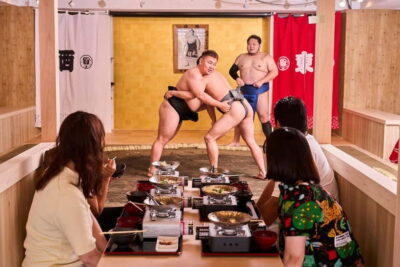
Tokyo Sumo Experience: Chanko & Mochi with a Former Pro
Read our review →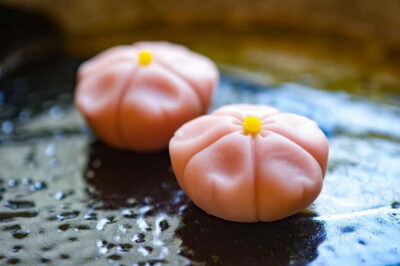
Matcha Making Experience with Mochi Sweets in Asakusa
Read our review →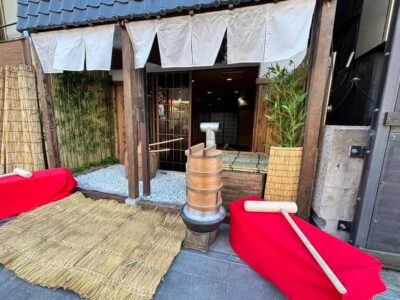
Traditional Mochi Pounding Experience with Tasting
Read our review →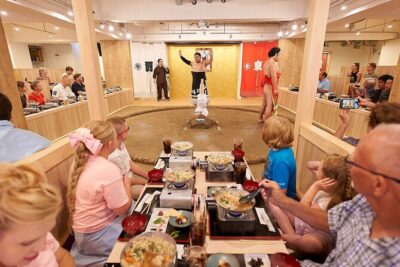
TokyoSumoShow, ChickenHotPot, and Mochi-Pounding by Pro Wrestlers
Read our review →
Private Mochi Sweets Making class near Shibuya area
Read our review →
Kyoto near Fushimiinari Wagashi making&Small Group Tea Ceremony
Read our review →Browse the lists this tour appears in