
Reviewed · RAMEN EXPERIENCES
Kyoto Ramen and Gyoza Cooking Class with Professional Chefs
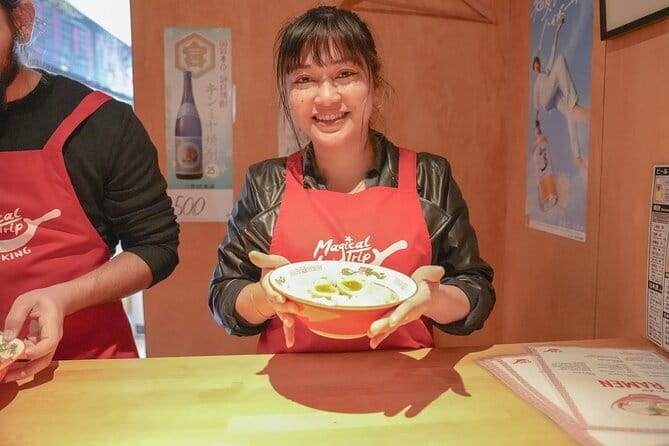
This is interesting because you learn Japan’s comfort-food classics hands on, then eat a full lunch you built yourself. I like that it’s chef-led and structured for real results, and I love that you get ramen plus gyoza plus fried rice in one go. The only real caution is that it uses pork broth, so it is not vegetarian even if you skip meat toppings.
What I like most is how the class turns cooking into a sequence you can repeat: you knead and prep your noodles, wrap gyoza, and finish with a proper meal. Guides such as Rina, Ayuri, Emi, and Yuki come up in the experience again and again, and the common thread is clear, patient instruction plus translation so you are not guessing while your hands are busy.
One possible drawback: the space is not designed like a flat, barrier-free studio. If you have mobility limits, you may want to avoid this one since the kitchen area can involve stairs or levels, and one person noted it felt mostly upstairs on a rainy day. Also, because everyone cooks in a group, you will want to show up ready to follow along, and you cannot come in late.
Key Things You’ll Notice Fast
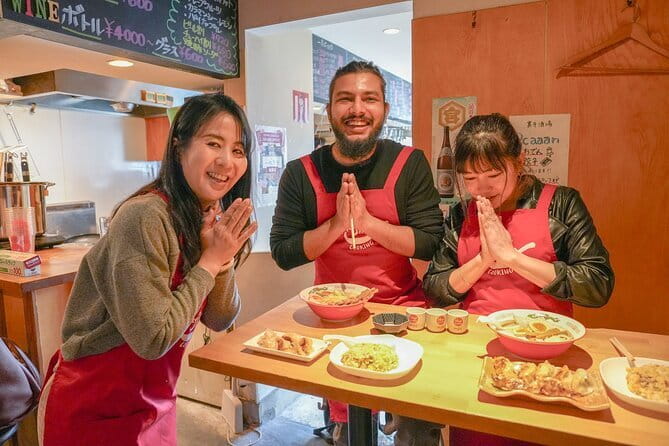
- Hands-on ramen workflow: knead, cut, and top your noodles instead of only watching.
- Gyoza that you wrap yourself: folding and cooking the dumplings as part of the class flow.
- A full meal outcome: ramen, gyoza, and fried rice, not just a snack.
- Two included drinks: beer or sake paired with what you make.
- Recipe guide to take home: practical steps so your kitchen tries again after Kyoto.
- Small group size up to 8: easier questions and more attention to technique.
Why This Kyoto Cooking Class Feels Like a Comfort-Food Skill Session
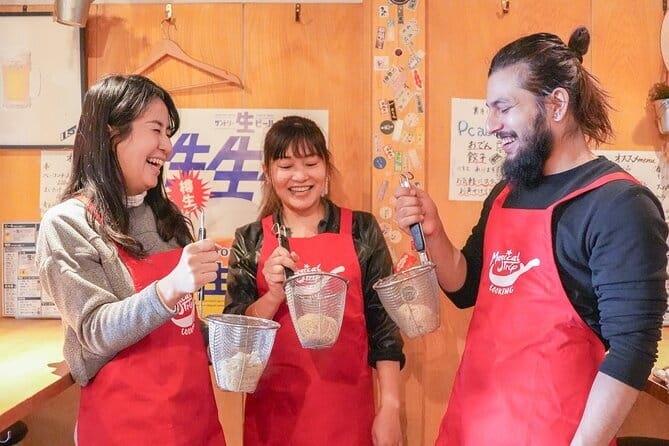
Kyoto already has you thinking about food in a detail-oriented way, and this class matches that mindset. Instead of dropping you into a restaurant and calling it culture, you get a guided cooking run that covers the big hitters: ramen, gyoza, and fried rice. You leave with food in your stomach and a checklist in your head.
I like that you are not dealing with sourcing ingredients. Everything you need is provided, and you cook from scratch with step-by-step guidance. That matters in Kyoto, where you might be able to find ingredients, but you will still spend time guessing which parts matter most for flavor and texture.
Also, the class is built around more than just making dumplings. You learn the why behind Japanese dishes, including insights into the history of ramen and gyoza. Even if history is not your thing, it helps you understand what chefs are aiming for, not just what to do with your hands.
More Cooking Classes in Kyoto
- Ramen Cooking Class at Ramen Factory in Kyoto
★ 5.0 · 1,937 reviews - Kyoto: Ramen Cooking Class at a Ramen Factory with Souvenir
★ 4.9 · 532 reviews - Kyoto: Ramen, Gyoza, and Onigiri Cooking Class
★ 5.0 · 445 reviews
Getting to the Start Point in Shimogyo Ward Without Losing Your Spot
Your class starts back at the meeting point, near public transportation in Shimogyo Ward. The start address listed is:
北緯35物語 木村光佑Shincho, Shimogyo Ward, Kyoto, 600-8001, Japan
Bring your mobile ticket, and plan to arrive early. The session starts on time out of respect for everyone, and late arrivals cannot join, cannot reschedule, and do not receive a refund. That rule is strict, but it also means you can trust the timing inside the kitchen will stay on track.
This is a group experience with a maximum of 8 travelers, so it helps to think like a class schedule, not like a casual drop-in meal. If you show up ready, you will waste less energy standing around and more energy practicing.
Stop One in Kyoto: The Kitchen Setup and How the Flow Works
There is one main session location in Kyoto, basically your “cooking base.” You meet, you get instructions, and then you rotate through the cooking steps. The format tends to be cozy and practical, since the kitchen is set up for guests to cook, not just to watch.
A few practical notes from the way the experience is described and how it has played out for families:
- It can involve multiple levels or steps. If you have mobility issues, the tour is not recommended, and a private tour is suggested instead.
- Children are welcome from age 6, but they must be supervised when handling knives or any potentially dangerous steps. If you are traveling with kids, plan for that extra watchfulness.
The good news: all cooking levels are welcome. You do not need to be a confident home cook. What you do need is attention and a willingness to follow the chef’s timing.
Making Ramen Noodles From Scratch, Then Building Your Bowl
This class is built around ramen as the centerpiece. You will make authentic Japanese ramen from scratch, including the kneading and cutting part. That is the difference between a cooking class and a tasting: you learn the mechanics that create that springy noodle bite.
Once your noodles are prepped, you top them using the class setup. You are also told the ramen uses pork broth. That is a big deal if you follow a specific diet. Even without meat toppings, it will not be vegetarian.
Here is why this matters for your expectations. Some people come hoping for a perfectly traditional broth simmer taught as a full craft project. Based on feedback themes, the emphasis is more on the end-to-end meal experience and technique you can repeat, not on an entire day of slow broth development. Either way, you get a clear idea of ramen building blocks and how the bowl comes together.
If ramen feels intimidating, this is still approachable. The key is to treat the chef’s steps as a sequence. When the class is time-structured, you do not need to improvise.
More Ramen Experiences in Kyoto
- Home style Ramen and Homemade Gyoza in Kyoto
★ 5.0 · 152 reviews - Kyoto Michelin Ramen Workshop or Painting Ramen Essentials
★ 4.9 · 100 reviews - Kyoto Ramen & Gyoza Cooking Class with Professional Chefs
★ 4.8 · 100 reviews - Kyoto: Ramen Bowl Painting and Michelin Cooking Class
★ 4.9 · 96 reviews
Gyoza Wrapping: The Skills that Make Dumplings Feel Instantly Satisfying
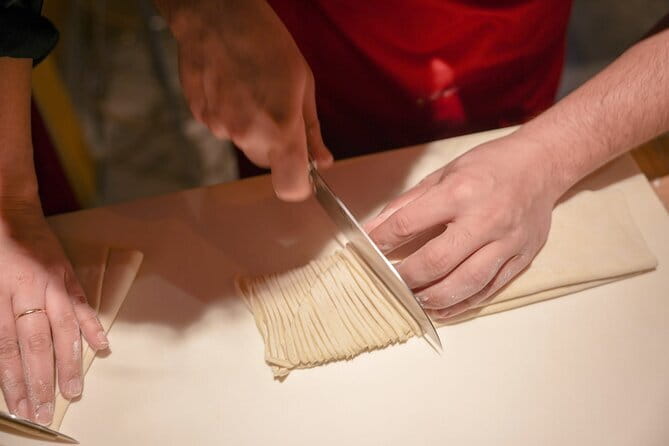
After ramen prep, the class shifts into gyoza wrapping. This is the part many people look forward to because it turns into a hands-on craft. You learn how to wrap your own gyoza, then you eat them as part of the meal you made.
Gyoza is a technique dish, meaning small changes affect the whole outcome: fold tightness, spacing, and how you cook them. That is why having a professional chef guide you matters. You are not guessing. You are practicing the motions that create dumpling texture.
One nice benefit here is pacing. Cooking gyoza gives you a break from noodle prep while still keeping you engaged. It is also social in a good way. You end up making something visually satisfying, not just mixing sauce.
If you love Japan’s lunch culture, this portion hits the sweet spot. Ramen and gyoza are a classic combo, and wrapping dumplings makes that pairing feel earned.
Fried Rice, Beer or Sake, and the Moment You Finally Eat
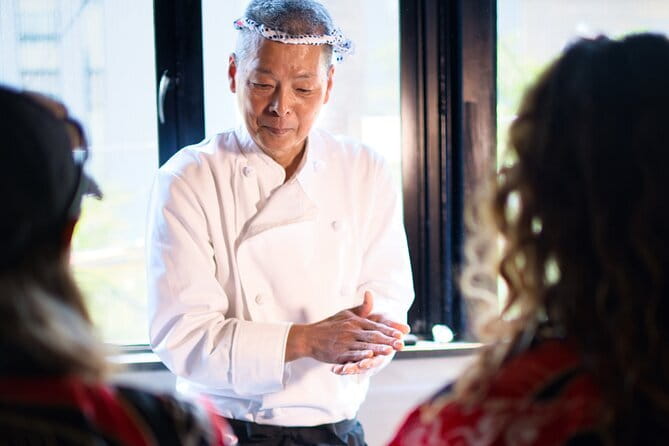
By the time you reach the eating portion, you will have worked up a hunger that feels justified. You end up making a full meal of ramen, gyoza, and fried rice, and you also get two drinks included. The drinks included are beer or sake.
This is a smart inclusion for two reasons. First, it turns the class into an actual meal, not just a food project. Second, it helps balance the intensity of cooking. You get a moment to sit, taste what you made, and compare your bowl to what you have eaten in Kyoto.
Food quality in a class is a make-or-break factor, and the overall signal here is strong. The best praise tends to center on the final meal turning out delicious and the hosts and chefs keeping the energy friendly and focused.
One more practical point: the class notes recommend considering your meal beforehand. That seems obvious, but it is worth stating. When you know you will end up with a full lunch, you can avoid arriving with a heavy breakfast that makes the ramen portion less enjoyable.
Recipes to Recreate at Home, Plus the Lesson Hidden in the Process
You do get a recipe guide so you can recreate the dishes after your trip. That is one of the highest value parts of the experience, because it makes the class more than a one-time memory.
I like recipe guides that are actually usable, and this one is positioned for recreation. The idea is you learn the workflow, not just the flavor. When you knead noodles and wrap gyoza once, the next attempt at home is much less mysterious.
A useful way to think about it: the recipe guide gives you something to reference, but your real edge is muscle memory. You will remember the feel of the dough and the shape of the fold. That is what brings restaurant-level comfort food into your own kitchen.
Price and Value: Is $86.22 Worth It in Kyoto?

At $86.22 per person, this is not the cheapest thing you can do in Kyoto. But it is also not just an activity ticket. You are paying for:
- A professional chef teaching technique
- All ingredients provided, so you are not running around buying specialty items
- A full meal outcome: ramen, gyoza, and fried rice
- Two drinks included: beer or sake
- Recipes to take home
When you break it down, the cost makes more sense. In many cities, you could easily spend enough on food alone for ramen and one extra item. Here, you are also learning skills and getting a structured experience. If you are the kind of traveler who likes taking home a practical souvenir, this is a strong fit.
Small group size up to 8 travelers also improves value. You are more likely to get help and clarification when you need it, and you are less likely to get swallowed by a giant class line.
Dietary Limits and Other Reality Checks Before You Go
If you have food restrictions, read this section twice.
- The ramen uses pork broth, so it is not vegetarian.
- The experience states it cannot accommodate vegetarian, vegan, or gluten-free requests.
- Allergy-free meals cannot be guaranteed because food is prepared in non-MagicalTrip kitchens. Substitutions may not always be possible.
So if you are traveling with strict dietary needs, this may not be the right class. If you eat pork and gluten is not an issue, you are in the clear based on what is stated.
Another consideration is hands-on intensity. The class is hands-on, but a couple of comments suggest it may not feel fully hands-on to people who want total control over every step. Still, the core activities like making noodles and wrapping gyoza are part of the experience, and that is the heart of it.
Finally, wear practical shoes. If the cooking area involves stairs or multiple levels, you will be glad you planned for it.
Who Should Book This Class, and Who Might Skip It
This is ideal if you want a memorable Kyoto food activity that goes beyond eating. You will enjoy it if you like:
- learning by doing
- cooking enough to feel like you can repeat it later
- ramen and gyoza as part of your comfort-food goals
It is also a strong choice for couples and families. The feedback emphasizes friendliness and patience, and names like Rina, Ayuri, Emi, Yuki, and Avinash show up as standout hosts or guides who translated instructions and explained Kyoto or Japan context while keeping things easy for different ages.
You may want to skip or switch to a private option if:
- you have mobility limitations
- you need gluten-free, vegan, or vegetarian meals
- you are hoping for a broth-making deep-dive that feels like a full-on traditional long simmer classroom
Should You Book This Kyoto Ramen and Gyoza Cooking Class?
I think you should book it if you want a hands-on Kyoto meal experience that ends with what you made on your plate, plus two drinks and a take-home recipe guide. The price feels fair for the full meal and the chef-led instruction, and the small group size makes it feel less like a factory line.
Skip it if your diet restrictions are strict, especially if you need vegetarian, vegan, or gluten-free. Also be cautious if mobility is an issue, since the setup may involve stairs or levels.
If you are deciding between another dinner plan and this class, my lean is simple: choose the option where you come away with a skill you can use again. That is where this Kyoto experience earns its place.
Latest write-ups near Kyoto
- Kyoto: Nishiki Market Tour with a Local Foodie & Tastings★ 4.5 · 67 reviews
- Kyoto Kimono Rental mimosa |Kimono/Yukata Rental Couple Plan★ 4.8 · 67 reviews
- Kyoto: Traditional Kimono Fabric Handicrafts Workshop★ 5.0 · 67 reviews
- Kyoto Tea Ceremony and Samurai Photo Session★ 5.0 · 70 reviews
- Kyoto: Replica food making experience★ 4.8 · 70 reviews
- Kyoto: Kinkakuji, Golden Pavilion Guided Tour★ 4.7 · 71 reviews
- Private departure transfer from Kyoto city to Kansai International airport★ 5.0 · 72 reviews
- Uji: Green Tea Tour with Byodoin and Koshoji Temple Visits★ 4.8 · 72 reviews
Ramen Experiences, compared.
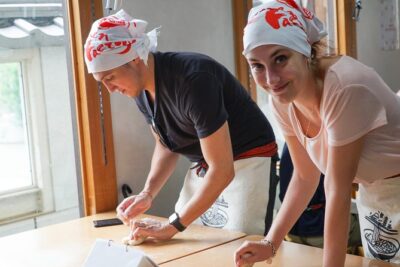
Ramen Cooking Class at Ramen Factory in Kyoto
Read our review →
Eat and Drink Like a Local: Tokyo Ueno Food Tour-Taverns&Ramen
Read our review →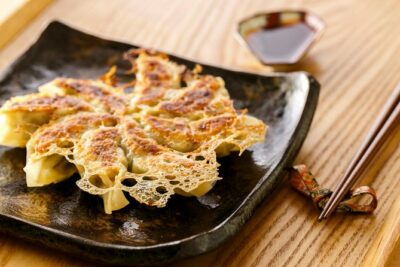
Ramen & Gyoza Cooking Class in Tokyo with Local Supermarket Visit
Read our review →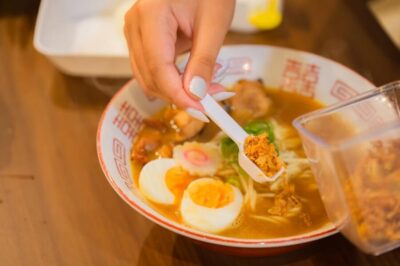
Ramen Cooking Class at a Ramen Factory with Souvenir
Read our review →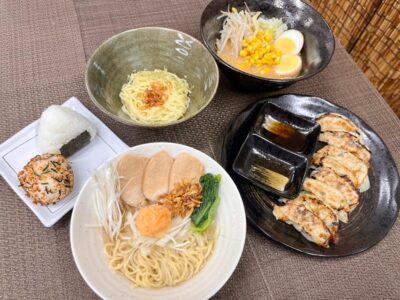
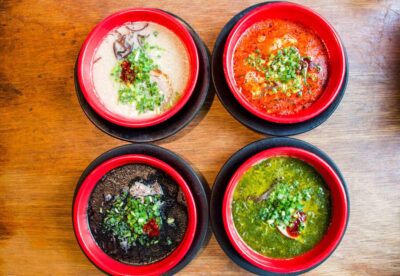

Five Must-See Highlights Walking Tour & Ramen Lunch
Read our review →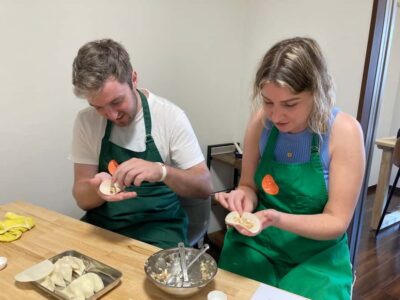
Browse the lists this tour appears in