
Reviewed · WAGASHI & MOCHI MAKING
Kyoto: Wagashi (Japanese sweets) Cooking near Fushimiinari
This wagashi cooking class in Kyoto is interesting because you learn sweets inside a real Japanese home setting, with garden views and the calm pace of tea time. I love the small group cap of 6, and I love that Miho guides you in English while you do the work, not just watch.
One drawback to plan around: it is not suitable for wheelchair users, and kids under 6 are not able to join, so it is a good match for adults and families with older children.
Key things that make this wagashi class worth your Kyoto time
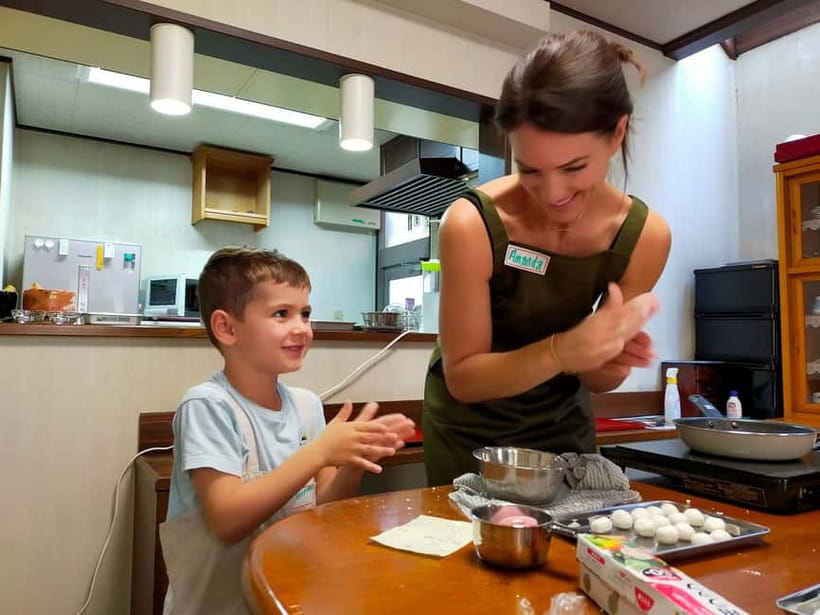
- Make about 3 wagashi sweets hands-on, with help and step-by-step coaching.
- Miho teaches in English, and the instructors are licensed guide interpreters for clear communication.
- Tea and matcha are part of the experience, before and after cooking.
- Enjoy your sweets in a traditional washitsu-style room with garden views.
- Vegan friendly and vegetarian welcome, with menu adjustments if you share restrictions in advance.
- Small-group comfort, and when your day is quiet, you may get extra personal attention.
Kyoto wagashi, the practical way to learn what you actually taste
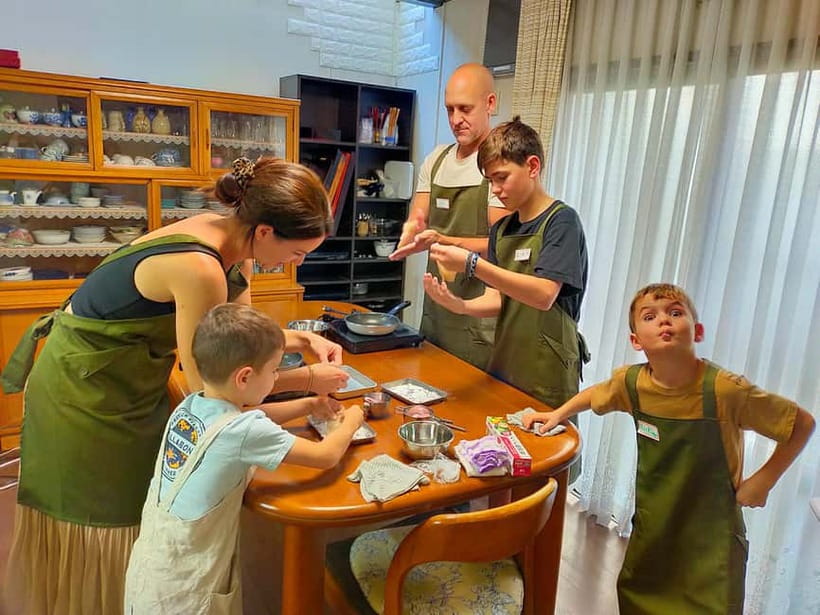
Kyoto wagashi sounds cute on paper, but it gets real when you’re shaping, mixing, and assembling the sweets yourself. This class is built around that hands-on rhythm, so you leave with a feel for texture and timing, not just a photo of a pretty dessert.
I like that the experience is designed for normal humans with limited cooking time. You are not sent home with a chemistry project. You cook about three types of wagashi during the 150 minutes, guided by Miho and the other instructors, and then you sit down to enjoy what you made with tea and matcha.
There’s also a value angle here. At $84 per person for 150 minutes, you’re paying for ingredients, instruction, tea, and a small group setting in a real home. That is a lot easier to justify than a short demo where you basically learn with your eyes only.
More Cooking Classes in Kyoto
- Ramen Cooking Class at Ramen Factory in Kyoto
★ 5.0 · 1,937 reviews - Kyoto: Ramen Cooking Class at a Ramen Factory with Souvenir
★ 4.9 · 532 reviews - Kyoto: Ramen, Gyoza, and Onigiri Cooking Class
★ 5.0 · 445 reviews
Enter Miho’s Japanese home near Fushimi Inari, and slow down on purpose
The setting is a big part of why this class feels different from most cooking tours. You start in a traditional Japanese room, and the mood is calm right away. Several bookings mention the garden view, so you’re not cooking in a back room with no atmosphere.
Miho, the host and teacher, is consistently praised for warmth and clear guidance. You get that feeling of being invited over for tea by someone who actually wants you to succeed. That matters because wagashi can look tricky from the outside, especially if you only know it from anime and manga.
Since pickup is not included, you’ll want to be comfortable handling your own route to the house. If you already plan to walk around Kyoto, this fits nicely as a structured break from temple and shrine time.
The 150-minute flow, from tea welcome to your final bite
The class is paced in a way that keeps you moving, but not rushed. Think of it as three stages: settle in, cook with instruction, then relax and taste together.
First, you relax in the traditional room. You usually get tea at the start, and the whole session stays in English, which helps a lot if you’re traveling with someone who does not speak Japanese. The group is limited to 6 participants, so you are more likely to get quick answers instead of waiting for a translator cycle.
Next comes the cooking part. The instructor demonstrates some steps in front of you, then you and your partner prepare the wagashi yourself. The data says you’ll make about three different types, and that hands-on part shows up in many bookings. People often highlight that it is not just a demonstration.
Finally, you sit together to enjoy what you made in the same traditional room, with matcha tea. One of the nicer details is that the class includes time to taste and talk, so the sweet you worked on becomes part of your Kyoto memory, not something that disappears into a takeout box before you blink.
What you’ll make: about three wagashi types, guided from start to finish
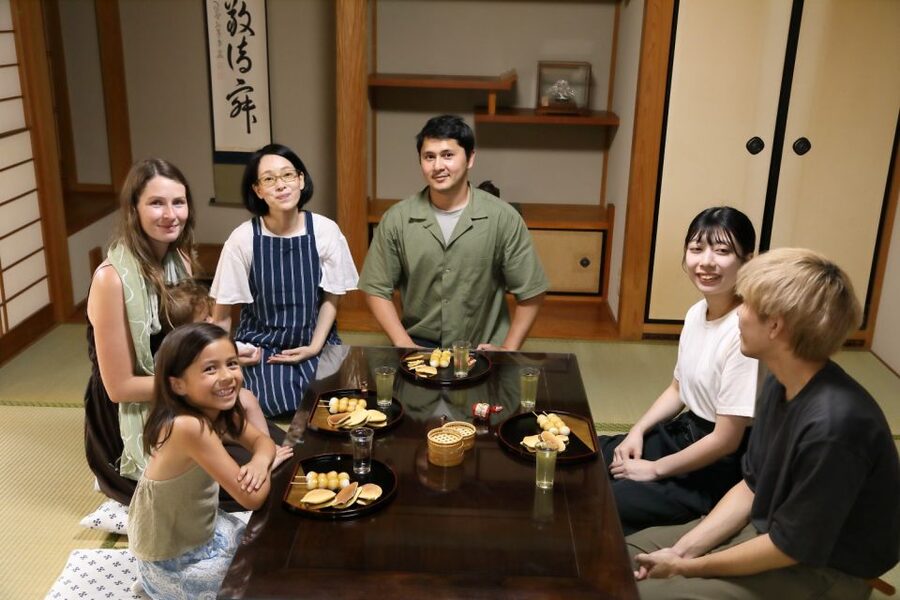
The menu can change by season, so I would not treat this as a fixed checklist. But the names that show up repeatedly in bookings give you a solid sense of what kinds of wagashi you might learn.
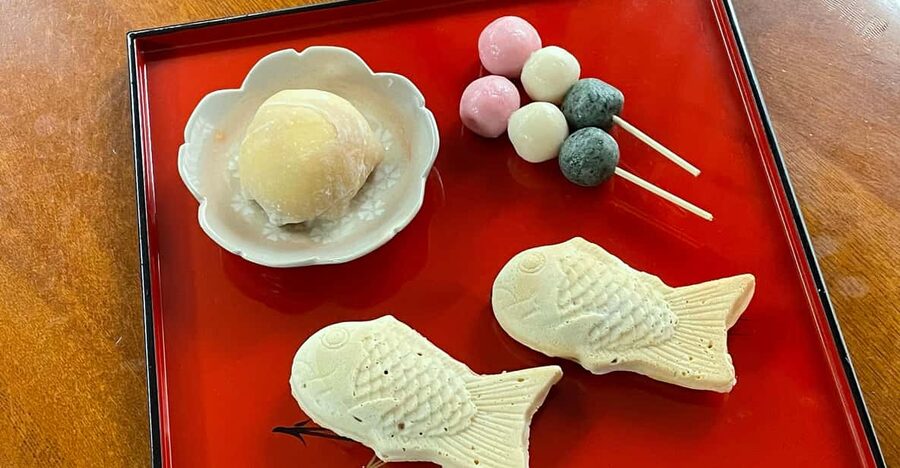
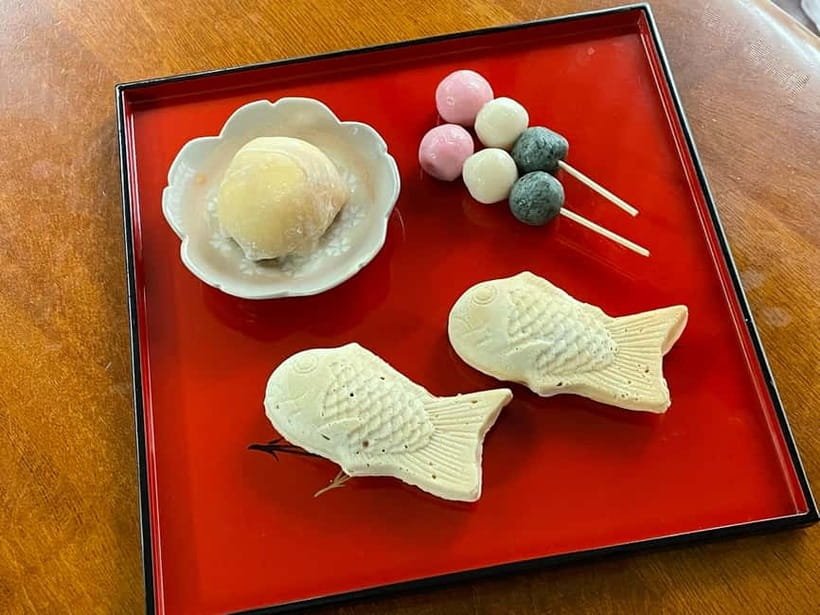
Common sweets mentioned include mochi, dango, and dorayaki, plus matcha-based tea. One booking mentions mochi ice cream as a favorite, and another mentions sweet potato as part of the process. That tells you the class is not limited to one style of texture, so you’ll get variety in your learning.
Why this matters: wagashi is as much about technique as flavor. When you make mochi or dorayaki yourself, you start noticing how dough consistency and heat control change the end result. Even if you cannot replicate the exact same shape at home on day one, you’ll understand what to watch for next time.
Expect an instructor-led start for key steps, then your turn. This is one reason many bookings rate the class so highly. If you’ve ever taken a cooking class where the teacher does everything fast and you just stand there, this is the opposite. You’re involved, and that is the difference between learning the idea and learning the method.
More Wagashi & Mochi Making in Kyoto:
- Kyoto Food Tour of 10 Tastings with Wagyu, Mochi & More Surprises
★ 5.0 · 85 reviews - Kyoto Wagashi(Japanese sweets) Cooking Class near Fushimiinari
★ 5.0 · 60 reviews - Kyoto near Fushimiinari Wagashi making&Small Group Tea Ceremony
★ 5.0 · 14 reviews - Tokyo Sumo Experience: Chanko & Mochi with a Former Pro
★ 4.8 · 567 reviews
Matcha tea time in a garden-view washitsu, not just a side dish
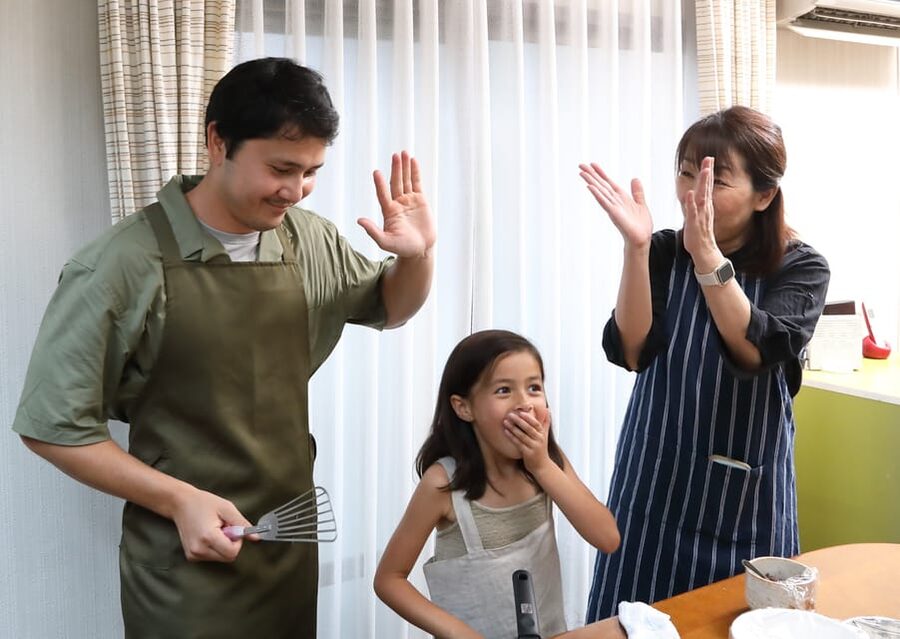
In Kyoto, tea is never just a beverage. Here it works like a reset button between the busy cooking phase and the calmer tasting phase.
You get tea before and after cooking, and matcha comes up directly in the experience description. Several bookings specifically mention a matcha powder tea, and at least one person describes making whisked matcha tea. If you like practical lessons, this is a nice bonus because matcha is one of those things people want to get right at home.
The tasting happens in a traditional room with garden views. That detail is small but powerful. You’re not eating your sweets standing up by the sink. You’re sitting down, looking out, and taking a quiet break the way locals often do when they slow the pace.
Also, tea is included. In a lot of cooking experiences, the drink is either extra-cost or just whatever is on hand. Here it is part of the core plan, which makes the $84 price easier to feel good about.
Price and value at $84, what you’re really paying for
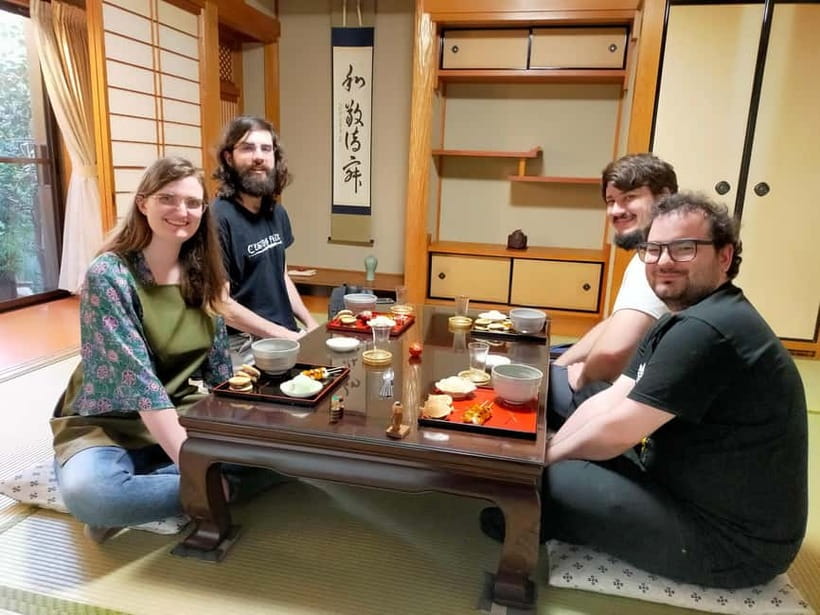
Let’s talk about the money honestly. $84 per person for 150 minutes sounds like a splurge if you compare it to supermarket snacks. But compare it to what is included: ingredients, seasonings, tea, instructor time, and fees and taxes.
The class is small, limited to 6 participants, which means you’re not fighting for attention. And you’re not just tasting a few bites. You’re cooking about three wagashi types, then eating them with matcha.
There’s also a quality signal in the way bookings describe the teaching style. People highlight that Miho is patient, organizes the steps well, and communicates clearly in English. Some mention that the class felt conversational, with cultural insights alongside the cooking. That combination, cooking plus context, tends to be where value shows up for me.
One more value point: the experience supports both English and non-English speakers. The instructors are licensed guide interpreters, which likely keeps explanations clear even if you’re not fluent. That matters because wagashi is technique-based, and you need the instructions to land in your brain the first time.
Vegan and vegetarian options, and how to keep it smooth
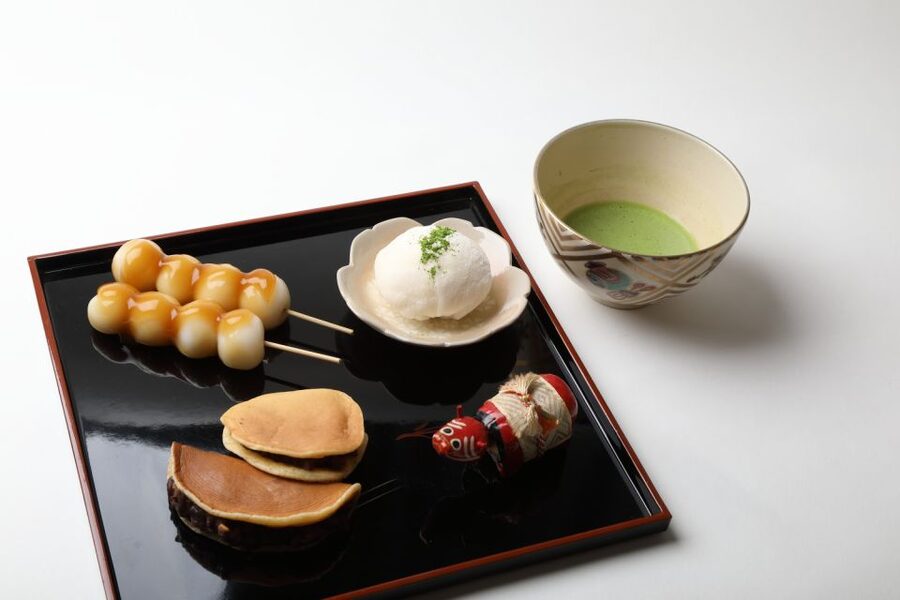
If you eat vegetarian or want vegan-friendly options, this class has a clear advantage. The experience notes say vegetarians are welcome and it is vegan friendly, and you can share restrictions in advance.
Do yourself a favor and tell them your needs early. The menu may differ depending on the season, so advance communication helps the kitchen plan what you can safely make and taste.
Also, this kind of food experience is often where dietary restrictions get awkward. Here the setup is flexible enough that it’s explicitly mentioned, and that makes it a safer bet than most cooking classes where you get a generic substitute.
Who should book this wagashi cooking class in Kyoto
This experience is a strong fit if you want something more personal than a food market stop. If you like food you can recreate, you’ll likely enjoy the hands-on approach to mochi, dango, dorayaki, and matcha-related steps.
It’s also a good fit for couples and small groups. The class structure allows you to cook yourself or with your partner, and people describe plenty of chances to get involved. If you want bonding time that does not rely on language fluency, the English instruction helps.
Kids can join with rules. The data says children aged 12 and below need a guardian, and kids under 6 cannot participate. Some bookings include families with children around elementary-school age who enjoyed the lesson, so if your child is old enough to follow steps and sit comfortably for the class, it can work well.
One caution: it is not suitable for wheelchair users. If accessibility is a factor for you, this is not the right pick.
Tips to make the most of your Kyoto wagashi lesson
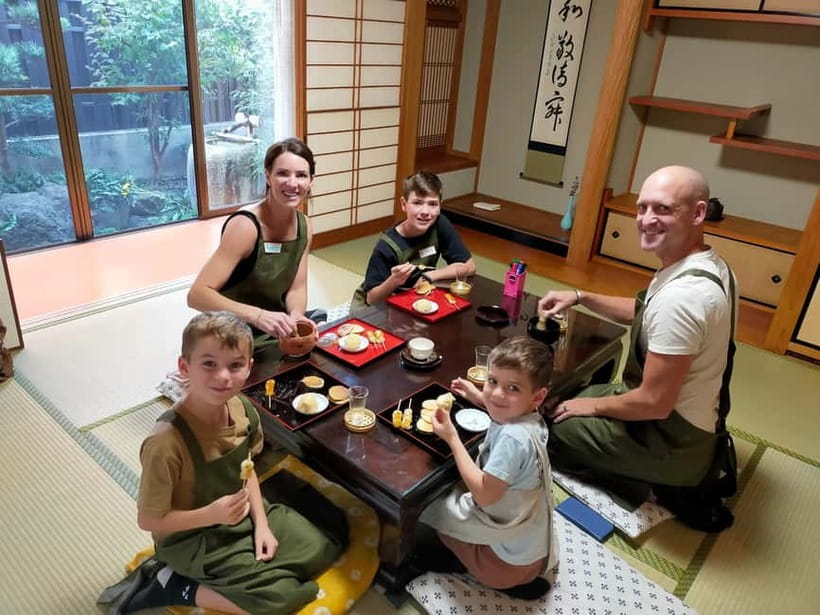
I’d treat this as a dessert class with a craft mindset. You’re not just sampling sugar, you’re learning how sweets come together through steps.
- Come ready to participate. You’ll be mixing, shaping, and assembling, so loose, comfortable clothing helps.
- Use the English instruction. If you have questions, ask during the step demonstrations, when Miho can correct your process.
- Tell them about restrictions early. Vegan-friendly is mentioned, but your message should be clear so the menu can adjust.
- Plan the rest of your day around a slower pace. You’ll end with tea and sitting time, so avoid booking back-to-back rushing activities.
- Enjoy the garden-view moment. The tasting room is part of the experience, so don’t treat the class like a quick pickup and go.
Also, if you’re the kind of traveler who loves cultural conversation, you may get that too. Several bookings mention genuine discussion along with the cooking, which turns dessert into a story you can tell later.
Should you book the Kyoto wagashi class with iroHa cooking studio?
I’d book it if you want a Kyoto food experience that feels like a private visit inside a Japanese home, not a busy assembly-line workshop. The biggest reasons are the hands-on wagashi making, the small group size, and the way Miho’s instruction in English helps you actually learn the process.
I would skip it if you need wheelchair accessibility, or if you’re traveling with very young kids under 6. Also, if you only want to eat sweets and you hate cooking entirely, a tasting-focused tour might suit you better.
If your goal is to come home with better technique, not just better photos, this is a strong use of your Kyoto time.
FAQ
How long is the Kyoto wagashi cooking class?
The class lasts 150 minutes.
Is hotel pickup or drop-off included?
No, hotel pickup and drop-off are not included.
Is the class vegetarian or vegan friendly?
Vegetarians are welcome, and the class is vegan friendly. Let the provider know about food restrictions in advance.
What language is the instruction in?
The class is conducted in English.
Is this experience suitable for wheelchair users or young children?
It is not suitable for wheelchair users. Children under 6 cannot join, and children aged 12 and below must participate with a guardian.
Can I cancel for a full refund?
Yes. You can cancel up to 24 hours in advance for a full refund.
Latest write-ups near Kyoto
- Kyoto Private Tour Full Day with Local Guide&Nara Option(PerGroup★ 5.0 · 20 reviews
- Sacred Pathways: Discover the Philosopher’s Path of Kyoto★ 4.9 · 20 reviews
- Hammer Pattering Experience of Ring★ 5.0 · 20 reviews
- Kyoto UNESCO World Heritage Site Private Tour with a Premium Van★ 5.0 · 20 reviews
- KYOTO: Private Tea Ceremony in Hidden Townhouse (Kid-Friendly)★ 5.0 · 20 reviews
- Sushi or Traditional Japanese Cuisine in a Kyoto Home with Emika★ 5.0 · 20 reviews
- The Kyoto VIP Experience!★ 5.0 · 20 reviews
- Kyoto Customized Private Tour: See Top Attractions in 1 Day★ 4.7 · 20 reviews
Wagashi & Mochi Making, compared.
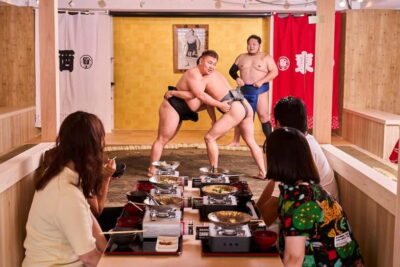
Tokyo Sumo Experience: Chanko & Mochi with a Former Pro
Read our review →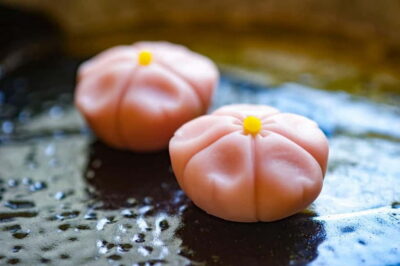
Matcha Making Experience with Mochi Sweets in Asakusa
Read our review →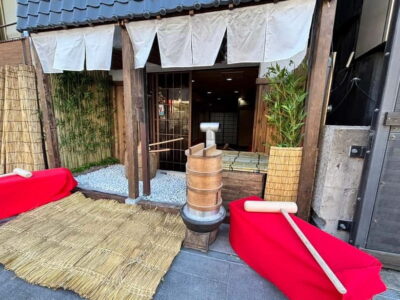
Traditional Mochi Pounding Experience with Tasting
Read our review →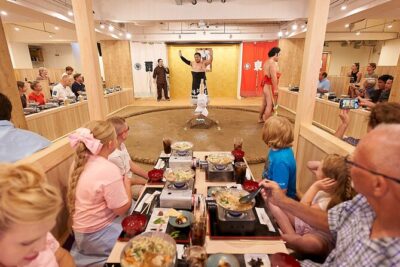
TokyoSumoShow, ChickenHotPot, and Mochi-Pounding by Pro Wrestlers
Read our review →
Private Mochi Sweets Making class near Shibuya area
Read our review →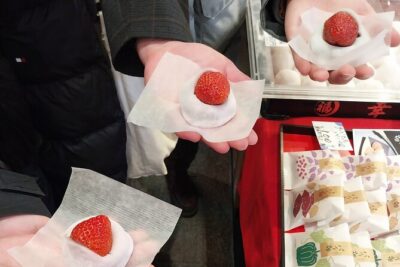
Kyoto Food Tour of 10 Tastings with Wagyu, Mochi & More Surprises
Read our review →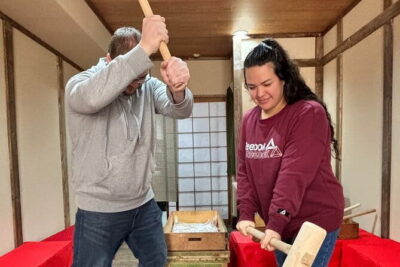
【For adult】Traditional Mochi Pounding Experience with Tasting
Read our review →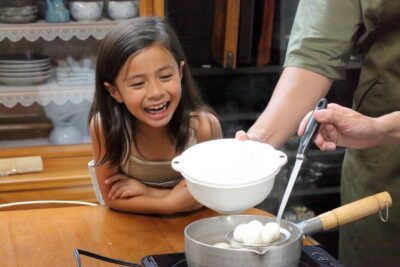
Kyoto Wagashi(Japanese sweets) Cooking Class near Fushimiinari
Read our review →Browse the lists this tour appears in