
Reviewed · TEA CEREMONIES
Hiroshima: Morning Hiking Tour with Open-air Tea Ceremony
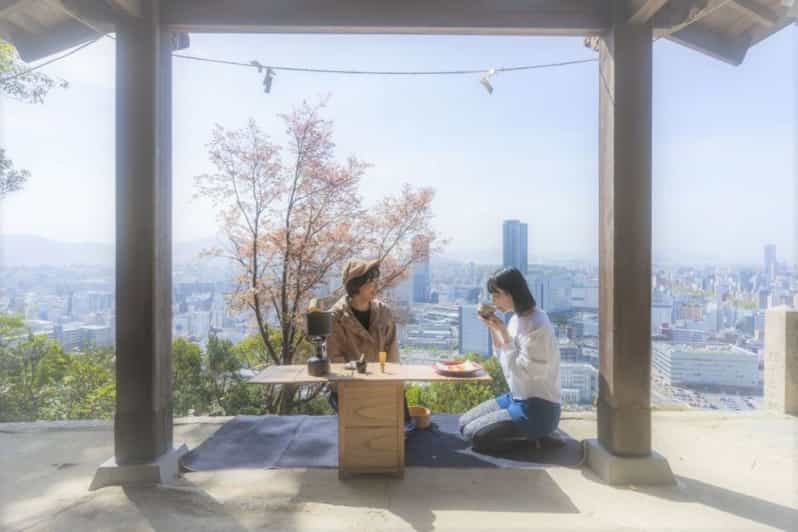
This tour is interesting because it mixes three things you do not usually see together in Hiroshima: a morning hike up Futaba Mountain, quiet shrine walking, and a hands-on open-air tea ceremony outdoors. You get a different side of the city too, with sunrise light and a high view over Hiroshima, the Seto Inland Sea, and Miyajima.
I especially love how the day is paced for small groups. You are limited to 6 participants, so you actually get time for questions and slower moments like forest bathing in the trees. My other favorite part is the outdoor tea set up on the mountain, where the air and views feel like part of the ceremony. One consideration: this is not a casual stroll. You need to climb about 500 steps, and it is not suitable for people with heart problems.
Key points before you go
- Futaba Mountain early start for calm views and fewer crowds
- Open-air Nodate tea ceremony made outdoors with a green tea focus
- Forest bathing as a sensory reset, not a casual stop photo-op
- Shrine route on the way up, including Hiroshima Toshogu Shrine and Kinko Inari Shrine
- Peace Pagoda viewpoint with city, sea, and Miyajima views
- Small-group guide time, with English support and hands-on tea moments
Why Futaba Mountain and an open-air tea ceremony work so well
This is the kind of Hiroshima experience that stays practical and grounded. You start early, climb into cooler air, and you earn the views instead of watching them from a bus window. The mix of walking, shrines, and then sitting down for tea outdoors makes the morning feel complete.
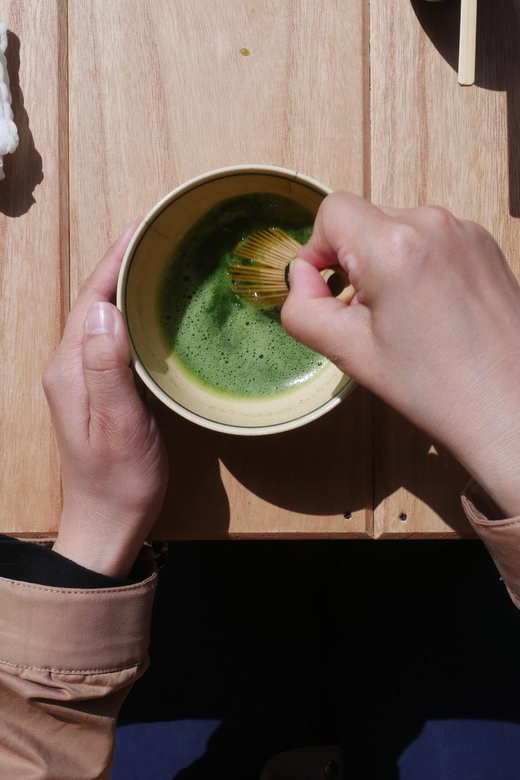
The open-air tea ceremony matters because it changes how you taste the moment. Green tea is already a familiar idea, but doing it in the mountains, with the breeze and distant city sounds, makes it feel more personal. In multiple recent tours, guides have offered hands-on learning, like helping you get the matcha whisking steps right.
The shrine part also adds value. Hiroshima is often discussed through a single lens, but Shinto and shrine architecture give you another cultural thread, one you can observe with your own eyes on the trail.
More Tea Ceremonies in Hiroshima:
- Hiroshima Local guided Hiking Tour&Open-air Tea Ceremony
★ 5.0 · 213 reviews - Kimono and Tea Ceremony in Miyajima
★ 5.0 · 73 reviews - An Amazing set of Cultural experience: Kimono, Tea Ceremony and Calligraphy
★ 5.0 · 69 reviews
Getting there early: Hiroshima Station, deck meeting point, and small-group flow
Your day starts at Hiroshima Station. Meet your guide on the 2nd floor deck in front of the Shinkansen North Exit. The tour also offers three starting options, including Hiroshima Station and the Seven Bank ATM area, but the main meeting point you should plan for is the Shinkansen North Exit deck.
A small group of up to 6 people is a big deal here. It keeps the walk flexible, so the guide can explain what you are seeing without turning it into a lecture line. In real life, that also means you can take photos without feeling rushed, and you can ask about what you just learned at each shrine stop.
Plan for an early start. One recent booking notes a 7:30am departure, which fits the idea of catching better light and avoiding the worst of the morning heat. If you are doing Hiroshima with a tight schedule, this is a smart use of your first hours.
Hiroshima Toshogu Shrine: a guided introduction, plus a calm culture break
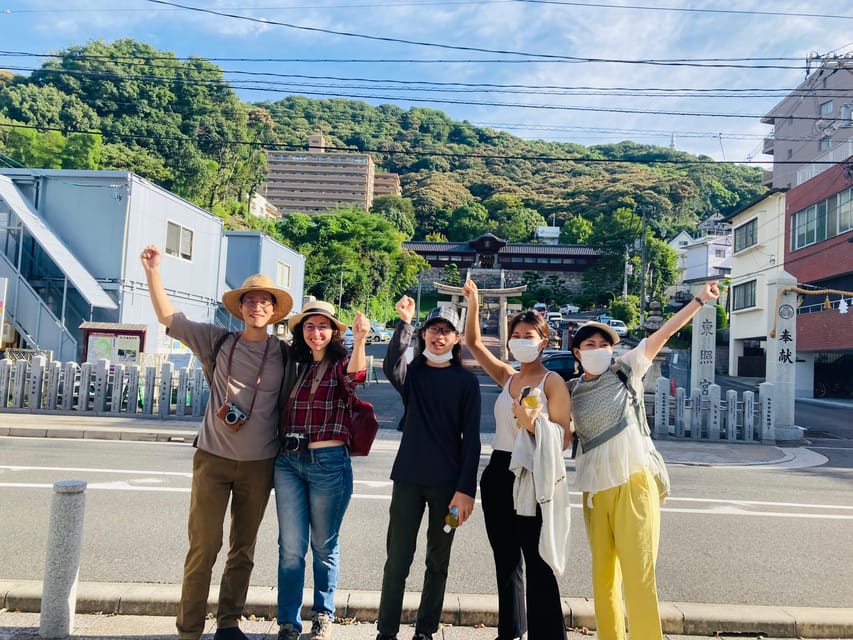
The first major stop is Hiroshima Toshogu Shrine, with about 30 minutes for guided sightseeing and walking. This is not a long detour, but it is long enough to slow down and understand what you are looking at.
What I like about this stop is how it sets context before the climb gets serious. You start with the shrine atmosphere, then you move into the hillside route where Shinto spaces appear again along the way. The architecture and grounds give your brain something recognizable to anchor to as you hike.
Possible drawback: this section is guided, so you may feel a little “watch the guide” rather than “wander freely.” Still, the payoff is that you get better meaning out of what you see, especially if you care about how sacred sites work in everyday Japan.
Kinko Inari Shrine trails: quiet steps, shrine details, and what the 500-step hike feels like
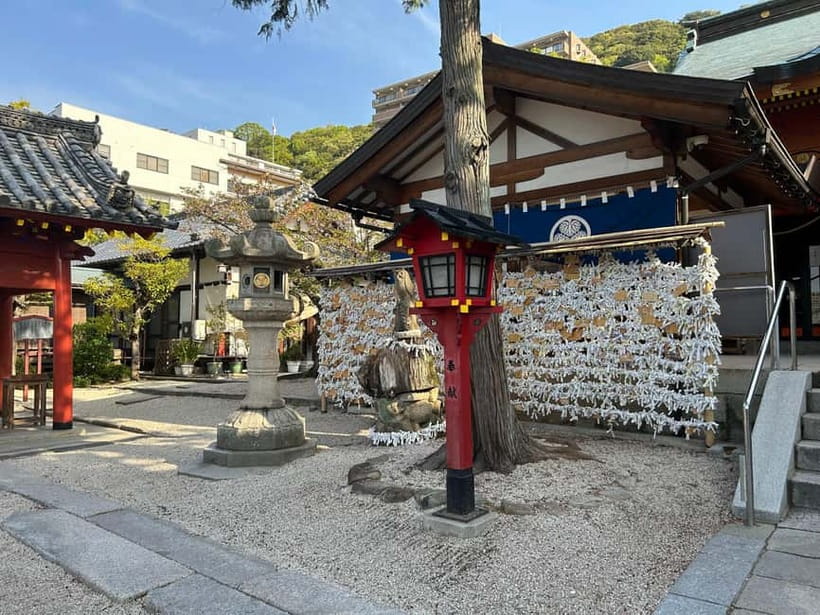
After Toshogu, you move onto Kinko Inari Shrine on the hillside. Expect around 25 minutes of hiking time here, with guided visits and scenic stops. This part of the day is where the tour earns its identity as a true hiking experience.
You should plan for about 500 steps going up. That is a real number, and it shows up in your legs. Even if you are fit, this is not a “fast” hike, because you are stopping to look, learning along the way, and taking breaks.
Why it is worth it: the shrines along the route make the climb feel purposeful instead of grindy. And because you are moving through greenery and open hillside air, you get those moments where the view starts to widen in stages, not all at once.
One more practical note: comfortable shoes are a must. You are on steps and uneven ground, so bring footwear with grip you trust.
More Hiking & Trekking in Hiroshima:
- Fushimi Inari Hidden Hiking Tour (Private Option Available)
★ 5.0 · 1,750 reviews - Kyoto: 3-Hour Fushimi Inari Shrine Hidden Hiking Tour
★ 4.9 · 270 reviews - Hiking the Historic Nakasendo Trail [1 Day Tour from Nagoya]
★ 5.0 · 104 reviews - Kyoto Hiking Tour: The Nature and Legends of Kurama and Kibune
★ 5.0 · 75 reviews
The Peace Pagoda photo stop: the view you hike for, with Miyajima in sight
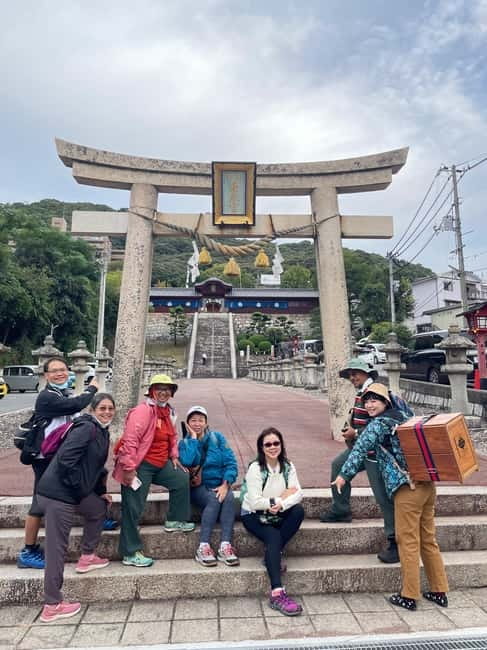
Near the top, you reach a Peace Pagoda viewpoint. The schedule includes a guided sightseeing segment and a photo stop here, with about 35 minutes total devoted to seeing the view and pausing for photos.
This is the moment your morning work turns into a memory. From up here, you can see over Hiroshima City, toward the Seto Inland Sea, and often toward Miyajima. Even if you have seen postcards of this region, the scale feels different when you are standing above it, breathing mountain air.
Practical tip: bring your phone or camera, and also keep a little time with your hands free. People tend to rush photos here. I recommend you take a few, then put the camera away for 2 minutes and just look. It makes the tea later feel calmer.
If weather is bad, the value still holds because the route is about the shrines and the walking experience. But clear morning visibility is what makes this viewpoint sing, so if you have flexibility, prioritize days with decent skies.
Nodate outdoor tea ceremony: matcha outdoors, hands-on learning, mountain air included
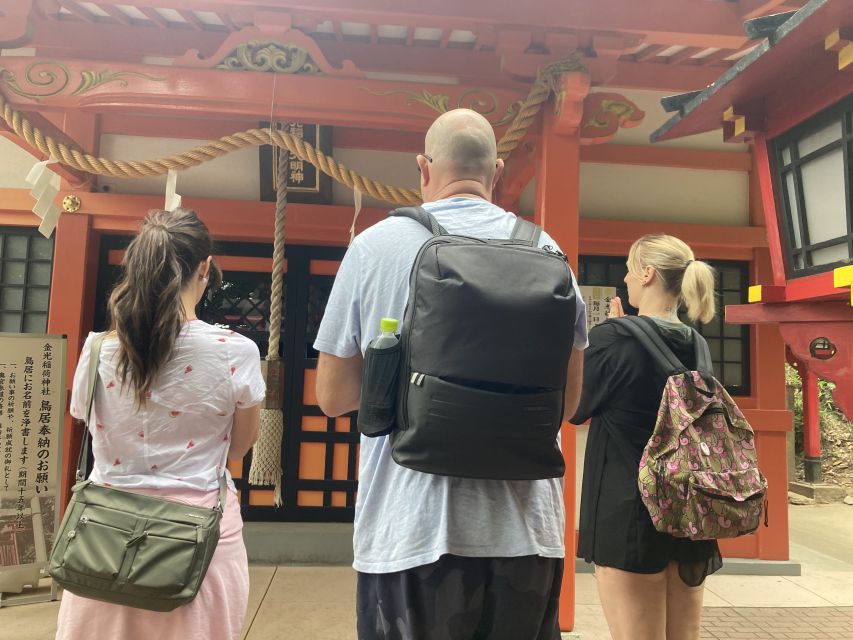
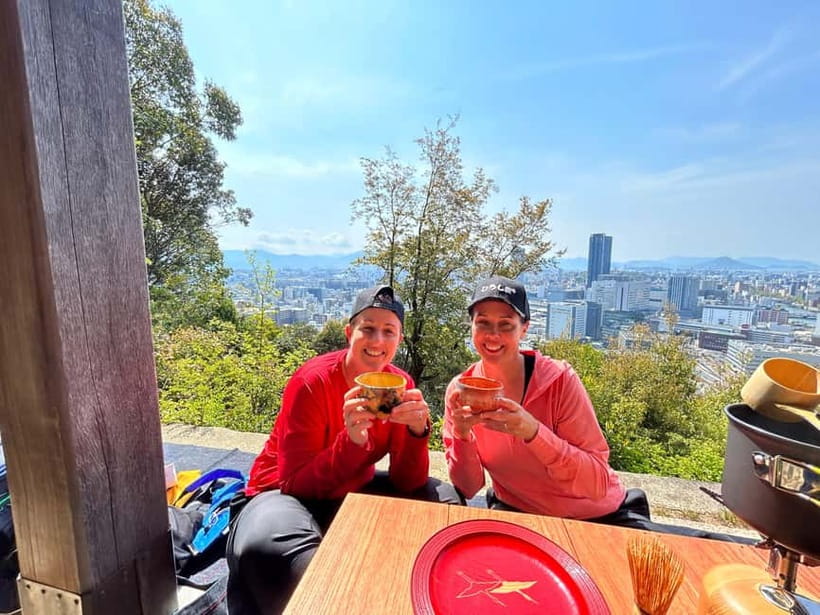
After the viewpoint, you shift into the Nodate tea ceremony. You will do this outdoors, with your guide preparing green tea outside rather than inside a traditional room. The ceremony portion is scheduled for about an hour, and it happens around the Kinko Inari area.
This is one of the most praised parts of the experience, and I get why. The open-air format makes it feel more immediate. You are not escaping nature, you are in it. People also describe it as relaxing and magical, especially after a climb that has already warmed you up.
In several guide-led tours, guests have been allowed to practice parts of the ceremony, like mastering matcha preparation steps. Guides also sometimes bring practical guidance on how to approach the utensils and the whisking rhythm. If you enjoy doing things with your hands, this segment will feel satisfying, not just instructional.
Small caution: you will be outdoors. If you run cold easily, bring a light layer. The tea itself is not the only thing keeping you comfortable.
Forest bathing on the mountain: sensory meditation with a gentle pace
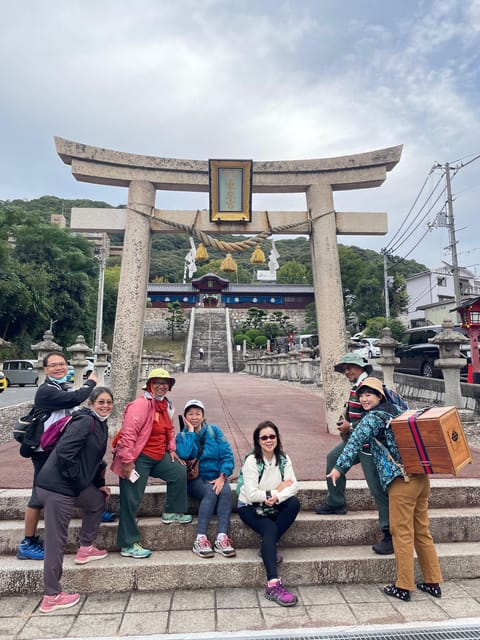
A key included activity is forest bathing. In this context, forest bathing is best understood as sensory meditation. You are asked to slow down, notice the environment, and use your senses deliberately rather than racing through photo stops.
Some people assume forest bathing means a physical workout or a water activity. Here, it is more about relaxation and quiet attention. Expect a calmer pace, breathing cues, and time to be still enough that you feel present in the trees.
Why it is worth it on a hiking tour: it breaks the pattern of constant movement. After steps and shrines, you get a structured moment to unwind. That makes the tea afterward feel like a true payoff instead of another stop on a checklist.
If you like yoga-style breathing or light stretching, you may feel elements of that in the forest bathing segment, depending on your guide and group. The main thread is still simple: breathe, notice, and reset.
The guide factor: what you can expect from English support and guiding style
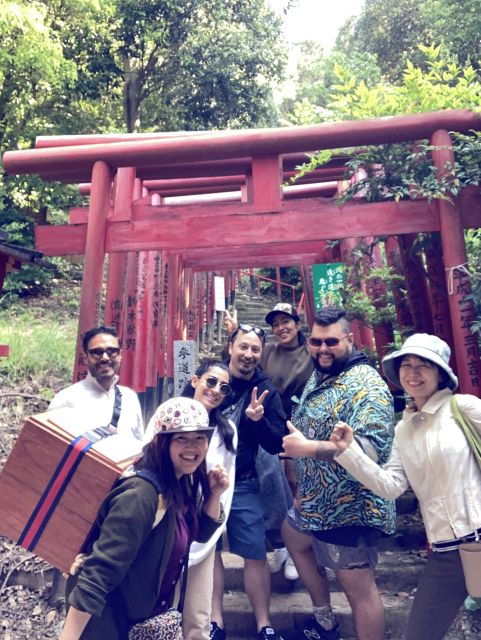
This tour is led by a live guide, with Japanese and English available. It is also a small-group setting, which helps the guide adjust explanations to your questions.
From recent experiences, guides like Stephanie, Naomi, Nana, Michiyo, Mimi, and Michi have been praised for being friendly, informative, and fun, while also making the cultural parts feel clear. What stands out is the ability to connect the shrines and tea to everyday practice, not just names and dates.
One good sign: guides often highlight the care volunteers and local workers put into maintaining the area. That matters because it turns your hike into more than tourism. You are learning that the place stays beautiful because people keep it that way.
Also, if you are traveling with kids, one recent note mentions the guide involving a child in the matcha experience. The point here is that guides seem comfortable balancing fun with tradition.
Price and value at $106 for a 3-hour morning
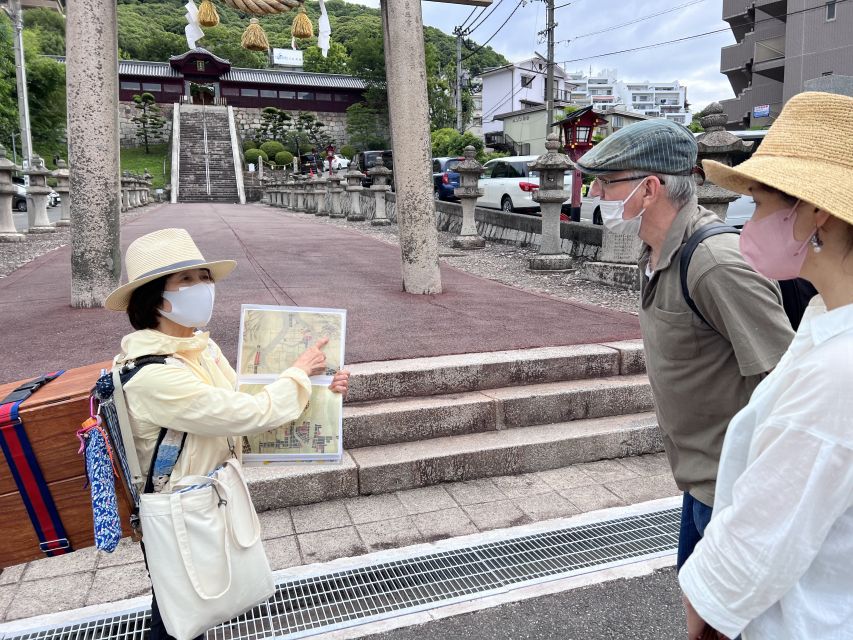
At $106 per person for about 3 hours, the price looks high at first glance. But you are not paying for just a hike. You are paying for a guided route with shrine context, a viewpoint segment, and included cultural activities that would be hard to replicate on your own without local explanations.
Included items are:
- Guide
- Open-air tea ceremony
- Forest bathing activity
- Breakfast only if you select that option
What you do not get:
- Hotel pickup and drop-off
So the value hinges on how much you want the guidance and the structured experiences. If you enjoy cultural context and hands-on tea learning, this feels fair. If you only want a mountain view and you’re confident navigating on your own, you might find cheaper options. But you would give up the guided meaning and the ceremony format.
Also, the morning time matters. Getting up and out early lets you see the city from above with better light and less congestion, which is part of why this tour is so liked.
Timing, what to bring, and small rules that keep the day smooth
The tour runs about 3 hours. That is a good length: long enough for a real climb and multiple stops, short enough that you can still enjoy the rest of your Hiroshima day.
What to bring:
- Comfortable shoes
What is not allowed:
- Alcohol and drugs
Those rules are normal for a walking and cultural experience. The practical impact is that the tour stays calm and focused, which helps when you are sitting for tea outdoors and doing forest bathing.
If you have a heart condition, skip it. The hike includes steep steps, and that is not a negotiable part of the plan.
Who this tour is best for, and who might not love it
This fits best if you:
- Want a morning activity that gets you off the main streets
- Like Japanese culture tied to real locations, not just museums
- Enjoy gentle learning, shrine walking, and then a real reset like forest bathing
- Want a viewpoint over Hiroshima and the sea that feels earned
You might not love it if:
- You do not handle steep steps well
- You get cold easily outdoors
- You expect a fully leisurely walk, because the climb is a big part of the day
One of the best things about the small group size is how it supports comfort. You can move at a realistic pace, and the guide can tailor the explanations.
Should you book this Hiroshima morning hike with tea?
I would book it if you want a Hiroshima morning that feels meaningful and not crowded. The combination of Futaba Mountain hiking, shrine context, open-air Nodate tea, and forest bathing is a rare mix, and it is built to make you slow down and look.
I would skip it if steps are a deal-breaker for you, or if you have heart issues. Also, if you prefer guided experiences that stay flat, this route is going to challenge you.
If you are planning just one nature-meets-culture morning in Hiroshima, this is a strong pick. It is structured, small-group friendly, and it gives you a view of Hiroshima you cannot get from the station concourse, plus a tea ceremony that feels like the mountain is part of the script.
FAQ
How long is the Hiroshima morning hiking tour with open-air tea?
The tour duration is 3 hours.
Where do I meet the guide?
Meet your guide at the deck on the 2nd floor of Hiroshima Station in front of the Shinkansen North Exit.
What is included in the tour price?
The tour includes a guide, the open-air tea ceremony, and the forest bathing activity. Breakfast is included only if you select the breakfast option.
Is breakfast included?
Breakfast is included if you choose the breakfast option.
How many people are in the group?
The group is limited to 6 participants.
What languages are available for the guide?
The live tour guide offers Japanese and English.
What should I bring, and what should I avoid?
Bring comfortable shoes. Alcohol and drugs are not allowed.
How difficult is the hike?
You need to go up about 500 steps on this hike.
Who should not take this tour?
It is not suitable for people with heart problems.
Is hotel pickup and drop-off included?
No. Hotel pickup and drop-off are not included.
Latest write-ups near Hiroshima
- Hiroshima: Atomic Bomb Dome and Peace Memorial Museum 3 hours★ 5.0 · 20 reviews
- Hiroshima: City and Miyajima Bike and Boat Tour★ 5.0 · 20 reviews
- Miyajima Guided Tour and Fresh Oyster Farm Tour★ 5.0 · 20 reviews
- Hiroshima: Tour of Atomic Bomb Dome & Peace Memorial Museum★ 5.0 · 20 reviews
- Miyajima Highlights: Itsukushima Shrine & Island Nature★ 5.0 · 21 reviews
- Miyajima Highlights: Itsukushima Shrine & Island Nature★ 4.9 · 21 reviews
- Dinner Cruise on HANAIKADA (Raft-Type Boat) with Scenic View of Miyajima★ 5.0 · 21 reviews
- History of Hiroshima Group Walking Tour★ 5.0 · 23 reviews
Tea Ceremonies, compared.
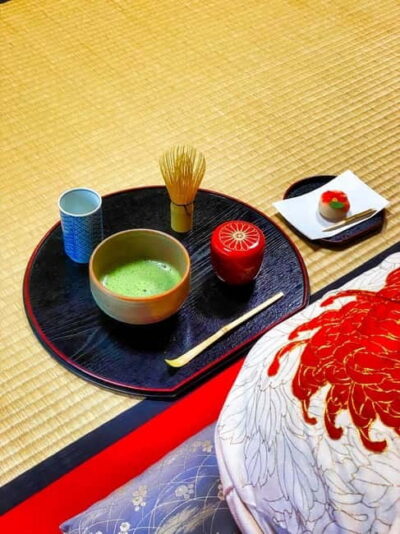
Tea Ceremony in a Traditional Tea House in Kiyomizu
Read our review →
World Heritage Kyoto & Nara Uji Authentic Matcha Experience
Read our review →
Browse the lists this tour appears in