
Reviewed · TEA CEREMONIES
Slow Cycling Tour at Uji’s Matcha Green Tea Fields and Heritage
Uji is interesting because it mixes two things Kyoto is famous for, tea culture and historic sacred sites, but it does so at a quieter pace. This is a slow cycling tour on a BROMPTON bike with an English-speaking navigator, so you get moving without rushing.
I love that the ride keeps you close to the story of matcha, including time at Chazuna, and I also love how the guide helps you connect small, meaningful stops like Uji Shrine and Ujigami Shrine to everyday life in Japan. One possible drawback is that some key sights have optional admission fees, so your final cost can be a bit higher if you add Chazuna and Byodoin Phoenix Hall.
Key Highlights You’ll Care About
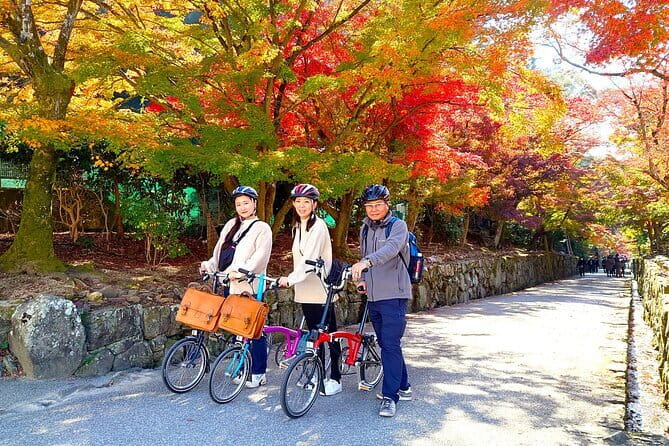
- BROMPTON bike time with a photo-friendly setup, so you can actually enjoy the ride, not just pass through
- Small group size (max 6) that makes the pace feel personal and calm
- English guide plus local navigator support, including help with food choices along the way
- Temple and shrine route that’s easy to enjoy on two wheels, with free time at several stops
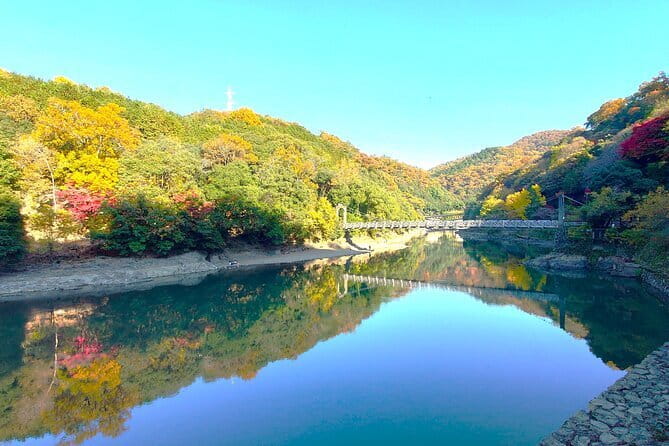
- River valley walking segment near Amagase Dam where the noise of Kyoto falls away
Uji by Bike, Matcha Fields and Sacred Stops Without the Rush
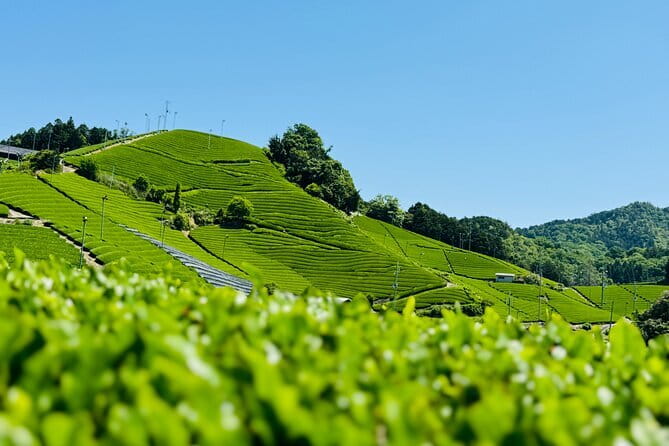
Uji sits just south of Kyoto, and it has that classic “tea town” feel, where green tea is more than a souvenir. You’ll see why people associate Uji with matcha production and tea culture, then you’ll connect it to centuries-old shrines and temples as you pedal through town.
This is slow cycling, which matters more than it sounds. If you’re not a confident rider, the tour is designed so you can keep up while still enjoying the sights, rather than treating the bike like a fitness test. The route is also meant to be enjoyable, not exhausting, with a mix of short stops and one longer nature pause.
More Cycling Tours in Kyoto
- Hidden Kyoto E-Biking tour
★ 5.0 · 1,843 reviews - Bike Tour Exploring North Kyoto plus Lunch
★ 5.0 · 1,087 reviews - Arashiyama Bamboo Forest & Hidden Gems Bike Tour (Early Bird)
★ 5.0 · 613 reviews
Price and Value: What $130.46 Buys You in Real Terms
At $130.46 per person for about 4 hours 30 minutes, you’re paying for more than a bike rental. You’re getting a guided plan, a local navigator, and the riding setup that removes a bunch of trip friction.
Included items matter because they save time and effort. You get the bicycle rental, helmet and transport bag equipment, plus an English guide and exclusive navigator fee. That means you can show up, ride, and focus on Uji instead of figuring out gear and routes on your own.
Your main “variable cost” is optional admissions. Chazuna has an option (600 yen), and Byodoin Phoenix Hall is also an option (700 yen). There’s also an optional insurance fee (500 yen), and refreshments snacks are not included, though your navigator will point you to places based on what you want.
Meet the Tour Where Uji Starts, Chatsubo Postbox Japan
You’ll meet at Chatsubo PostboxJapan near Uji Station, address listed as Umonji 1716, Uji, Kyoto. The tour starts at 10:00 am, and it ends back at the same meeting point.
Because it’s near public transportation, you won’t need a car or a complex transfer. For planning, I’d treat this as a half-day activity that pairs well with the rest of your Kyoto area time, since you’re not out all afternoon or into late evening.
The group max is 6 travelers, so expect more “guided stroll rhythm” than big-bus motion. In other words, you’ll spend more time looking around and less time waiting.
Stop 1 at Chazuna: Tea Culture Context Before You See the Sights
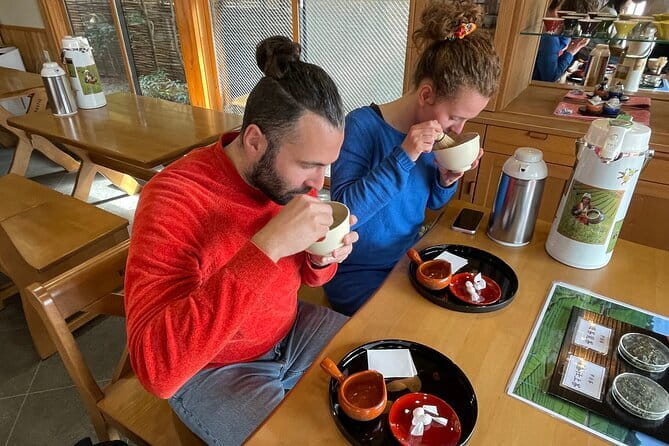
Your first stop is Tea and Uji Community Center, Chazuna, where you get a window into Kyoto’s tea culture and history. Even though the admission ticket is optional, this is the kind of place that helps the rest of the day click into place.
If matcha is why you came, Chazuna gives you context early. It’s easier to appreciate shrines, temples, and even the general tea town atmosphere when you understand what Uji’s tea means and how people frame it culturally.
Plan for about 45 minutes here. A drawback to know: if you skip the Chazuna ticket option, you’ll still ride the rest of the route, but you might feel less connection between what you see and how the tea story is told.
More Historical Tours in Kyoto
- Kyoto Gion: 2-Hour Geisha Culture & History Walking Tour
★ 5.0 · 1,186 reviews - Kyoto Gion Historical Walking Tour
★ 5.0 · 188 reviews - Historical Kyoto E-Bike Tour
★ 5.0 · 181 reviews - Kyoto: Nijo Castle World Heritage Guided Tour with Admission
★ 5.0 · 128 reviews
Stop 2 at Uji Shrine: Academic and Family Well Wishes
Next up is Uji Shrine, a historic shrine believed to be beneficial for academic success and childbirth. It’s free, and you’ll have around 30 minutes to take it in.
This is one of those stops where you’re not just looking at buildings. You’re seeing how the shrine’s meaning connects to everyday hopes, like school and family, which is a big part of why locals keep these traditions alive.
At a slow cycling pace, you can actually pause, read, and notice details instead of rushing through. That is the real value here, you’ll get time to feel the place.
Stop 3 at Ujigami Shrine: The Pairing Idea and Kirihara Water
Then you’ll visit Ujigami Shrine, paired with Uji Shrine, with a spring called Kirihara Water that still gushes on the grounds. Like the prior stop, it’s free and scheduled for 30 minutes.
The pairing matters because it gives you a theme as you move from one sacred spot to another. You’re not bouncing between random stops, you’re building a connected sense of what Uji’s spiritual sites are emphasizing.
A practical tip: bring your camera for small shrine moments. Even if you’re not a “temple photographer,” these details can be the best part of the day because they’re close, calm, and easy to appreciate at human speed.
Asagiri Bridge for a Quick Photo Reset Over the Uji River
After the shrines, you’ll take a 15-minute break at Asagiri Bridge over the Uji River. It’s free and specifically noted as a good photo spot.
This stop is short on purpose. It gives you a scenic reset between sacred sites and longer quiet time later near the water. If you’re riding in warmer weather, it also helps to break up the day so you don’t feel like you’re cycling nonstop.
Keep it simple here: grab your photos, enjoy the river view, then get ready for the walking path tempo that comes next.
Koshoji Temple and the Kotosaka Slope: A Beautiful Stone-Walled Path
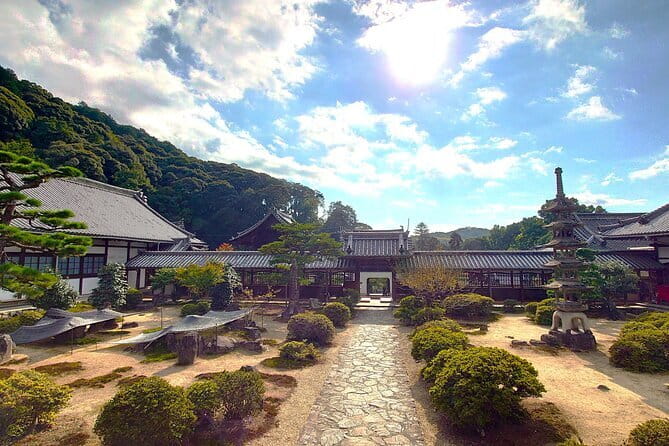
Your next stop is Koshoji Temple (also written Koushoji), a Zen temple with about 800 years of history. You’ll have around 30 minutes, and it’s free.
The highlight is the Kotosaka slope from the stone gate to the temple grounds, described as a beautiful path with stone walls. This is exactly the kind of route that makes a bike tour work, because you’re not locked into looking at things only from the saddle. You get a real “arrive and walk” moment.
The potential drawback is only time. Thirty minutes sounds short, but for a temple stop, it can still feel full if the guide keeps the group moving gently. The good news is the tour’s overall pace is designed to stay relaxed.
Amagase Dam Nature Trail: The Quiet Valley Moment
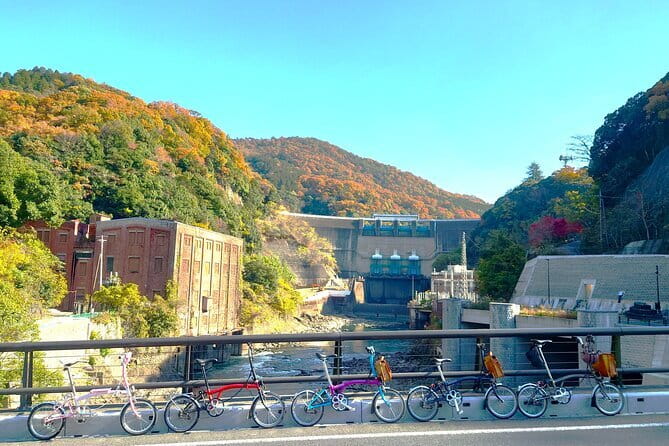
One of the most rewarding parts of the itinerary is Amagase Dam. You’ll do about 1 hour on a nature trail along the Uji River, leading toward the wooden Amagase Bridge with tranquil valley views. It’s free.
This is where the day often shifts from “tea town sightseeing” to “slow nature pause.” The tone is quieter, and it’s a welcome break from the busier Kyoto feeling that can be mentally tiring.
This is also the segment that tends to work well in warmer conditions. Based on guide and rider feedback, the river route can feel cooler and more comfortable, with shaded paths. If you’re traveling in summer or late spring, this stop alone can make the tour feel worth it.
Byodo-in Omotesando and Byodoin Phoenix Hall Optional Time
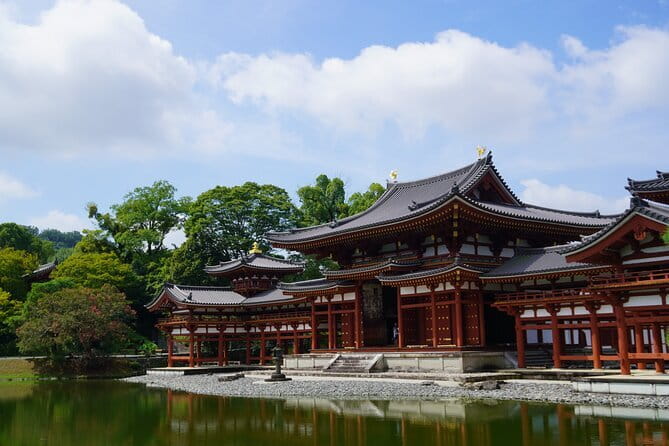
As you cycle back toward the city, you’ll reach Byodo-in Omotesando, where the plan includes a possible visit to Byodoin Phoenix Hall, a UNESCO World Heritage Site, or time for tea in Uji’s shops. The Byodoin Phoenix Hall entrance fee is optional at 700 yen.
Your actual timing here will depend on what you choose. If you love big-name sights, Phoenix Hall is the main draw. If you want to keep it lighter and more casual, you can swap some of that time for tea in Uji.
Either way, you’re ending with a payoff that matches the theme of the day, tea culture and a historic centerpiece. This is also the point where it’s common to grab a matcha drink. Even if it’s not listed as a formal inclusion, the tour is built around tea, and the guide’s suggestions usually keep you on theme.
The Guide Factor: English Support, Route Adjustments, and Real Confidence
A big part of why this tour works is the staffing. You have an English guide and an exclusive navigator, which is different from a basic rental-bike approach where you’re on your own with signage.
Your guide can help with pacing, timing, and local context. In feedback from past riders, Takashi is highlighted as friendly and strong at explaining both the history and the meaning behind stops. That kind of guidance is what turns a list of landmarks into an actual story you can follow.
The itinerary is also flexible, the course can be arranged according to your wishes. That matters for groups who want a little more tea time, a little more temple time, or a slightly different pace for photos.
Food and Refreshments: How You Get Local Without Planning Stress
Snacks and refreshments are not included, but your navigator will suggest places during the tour based on what you want. This is a practical setup, because it’s easier to get to a good spot when someone local is steering you away from the guesswork.
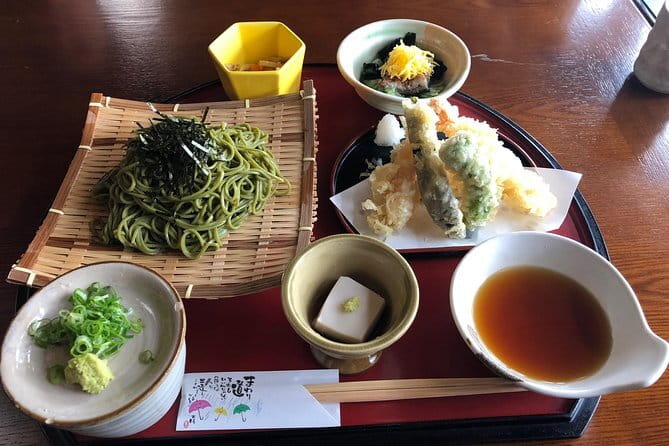
In real life, this can mean you’re able to hit a lunch choice that fits your needs, including options mentioned as vegan and gluten free. If you have dietary restrictions, treat the guide’s recommendations as a major advantage, just say what you need clearly at the start.
Because the bike pace is slow, you’re not rushed into eating somewhere mediocre. You can pause without feeling like the day is being chopped up into quick stops with no breathing room.
Who This Tour Fits Best (and Who Should Skip It)
This tour is a great fit if you want Uji tea culture plus temples and shrines in one half-day plan, and you’d rather ride than hop between stops by train and taxi. It also suits you if you want something active but not intense.
You’ll likely enjoy it most if you:
- Want a small group experience (max 6)
- Prefer riding with a local guide over DIY navigation
- Like matcha and want tea context early at Chazuna
- Enjoy peaceful shrine and temple time with short, manageable walks
You might want another option if you’re only chasing one “must-see” landmark and you don’t care about tea context, because the value here is in the full mix, not a single site.
Should You Book This Uji Slow Cycling Tour?
Yes, if you like the idea of seeing Uji at a calm tempo and letting an English-speaking guide connect tea culture to sacred sites. The combination of a BROMPTON bike, a small group size, and optional add-ons at Chazuna and Byodoin Phoenix Hall makes it flexible without becoming chaotic.
Before booking, just pencil in the likely add-ons. If you plan to visit Chazuna and Byodoin Phoenix Hall, you’re building a fuller day theme around matcha, not just a quick ride. And if you don’t want optional costs, you can still enjoy the route at the free stops, but you’ll lose some of the deepest tea context.
FAQ
Is the tour duration about 4 hours 30 minutes?
Yes. The tour runs for approximately 4 hours 30 minutes.
What does the price include?
The bicycle rental fee, the exclusive navigator fee, bicycle equipment like helmets and transport bags, and an English guide are included.
Are the Chazuna and Byodoin Phoenix Hall entrance fees included?
No. Chazuna entrance is listed as an optional 600 yen, and Byodoin Phoenix Hall is listed as an optional 700 yen.
Is insurance included in the price?
Insurance fee is not included. It is offered as an optional 500 yen.
How big is the group?
This tour has a maximum of 6 travelers.
Where do I meet, and when does it start?
You meet at Chatsubo PostboxJapan at Uji Station (Umonji 1716, Uji, Kyoto). The start time is 10:00 am, and the tour ends back at the same meeting point.
What if the weather is bad?
This experience requires good weather. If it is canceled due to poor weather, you will be offered a different date or a full refund. If you cancel at least 24 hours before the experience starts, it’s free cancellation with a full refund.
More Tea Ceremonies in Kyoto
- Kyoto: Tea Ceremony in a Traditional Tea House in Kiyomizu
★ 4.9 · 3,519 reviews - Kyoto: Tea Ceremony Ju-An at Jotokuji Temple
★ 4.9 · 3,207 reviews - Kyoto: 45-Minute Tea Ceremony Lesson Experience
★ 4.3 · 2,378 reviews - Kyoto: Table-Style Tea Ceremony at a Kyo-Machiya
★ 4.9 · 1,211 reviews
Latest write-ups near Kyoto
- Kyoto: Nishiki Market Tour with a Local Foodie & Tastings★ 4.5 · 67 reviews
- Kyoto Kimono Rental mimosa |Kimono/Yukata Rental Couple Plan★ 4.8 · 67 reviews
- Kyoto: Traditional Kimono Fabric Handicrafts Workshop★ 5.0 · 67 reviews
- Kyoto Tea Ceremony and Samurai Photo Session★ 5.0 · 70 reviews
- Kyoto: Replica food making experience★ 4.8 · 70 reviews
- Kyoto: Kinkakuji, Golden Pavilion Guided Tour★ 4.7 · 71 reviews
- Private departure transfer from Kyoto city to Kansai International airport★ 5.0 · 72 reviews
- Uji: Green Tea Tour with Byodoin and Koshoji Temple Visits★ 4.8 · 72 reviews
Tea Ceremonies, compared.
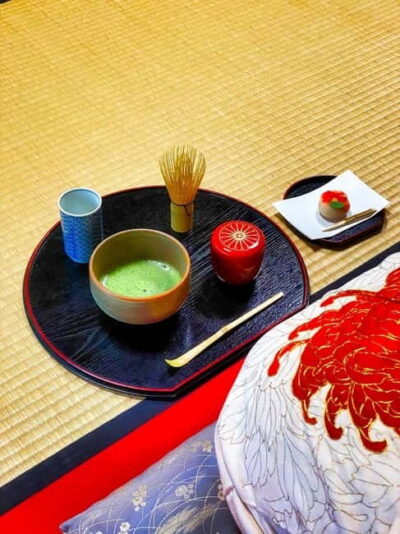
Tea Ceremony in a Traditional Tea House in Kiyomizu
Read our review →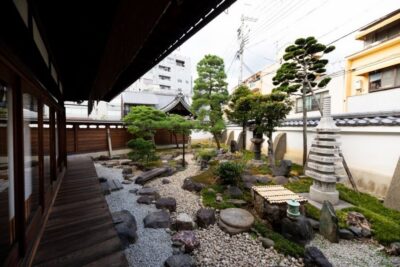
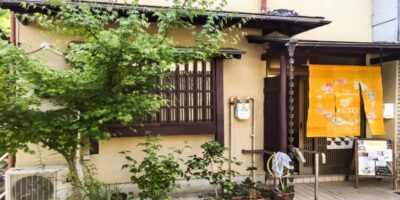
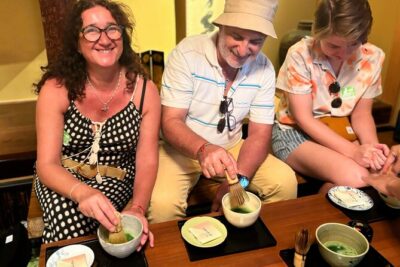
World Heritage Kyoto & Nara Uji Authentic Matcha Experience
Read our review →
Browse the lists this tour appears in