
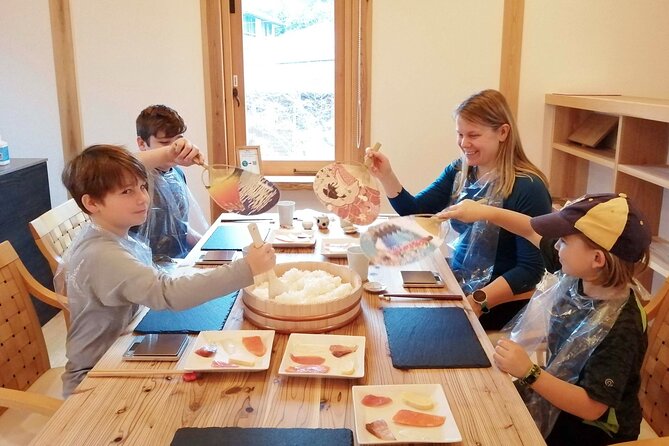
Reviewed · SUSHI MAKING CLASSES
The Original Small-Group Sushi Making Class in Kyoto
This Kyoto sushi class is interesting because it is built like a real workshop, not a demo. You get hands-on practice with personal guidance in a small setting, and you finish by eating what you make. The one thing to consider first is that it is not set up for vegetarian or vegan diets.
I like that the class is designed to move at a relaxed pace, with lots of time for questions and fixes. It is also taught in English by a Japanese instructor, which makes the technique easier to copy at home.
Quick hits on Atelier SUSHI, the small-group way
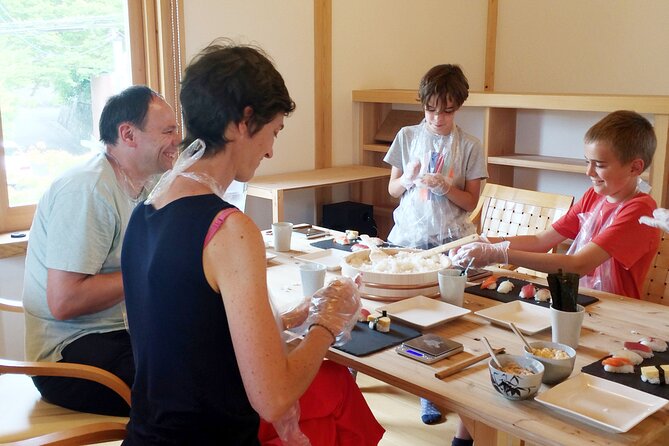
- Only 8 people, so you are not shouting over a crowd or waiting your turn.
- Rice, nigiri, and maki are all part of the lesson, not just rolling.
- Kana teaches, and her husband (often mentioned as Kerim or Karem) helps keep everyone on track.
- You get a meal included, plus coffee and/or Japanese tea.
- You take home a keepsake kit, with notes and items like a sushi mat and chopsticks mentioned in the experience.
- Not vegetarian or vegan, so plan your meal expectations around fish.
Why this sushi class feels personal with just 8 guests
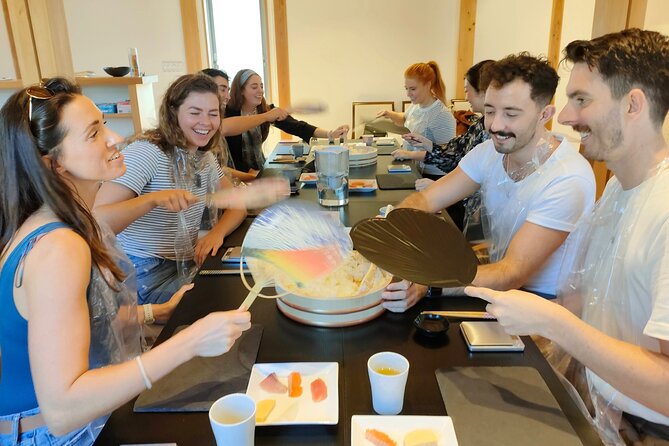
The biggest value here is the class size. With a maximum of 8 travelers, you get real feedback on what you are doing, from how you season rice to how you shape nigiri and roll maki.
This is also why the pace feels calm. You are not rushing to complete a performance. You can ask, repeat, and correct. That matters with sushi because tiny technique differences change everything, especially once you start handling warm rice.
You will be working right at the counter, in a traditional townhouse setting. Expect an active session, but one where the instructor can actually watch your hands and adjust you.
One practical note: you can come hungry. The class is structured so you build a lot of sushi over about 1 hour 30 minutes, and most people leave with enough food that it is not a light snack situation.
More Sushi Making Classes in Kyoto
- Sushi Making in Kyoto! Same-day bookings welcome!
★ 5.0 · 713 reviews - Kyoto: Small-Group Authentic Sushi Making Workshop
★ 5.0 · 137 reviews - Sushi – Authentic Japanese Cooking Class – the best souvenir from Kyoto!
★ 5.0 · 93 reviews
The restored townhouse near Kiyomizu-dera and Gion
Your meeting point is Atelier SUSHI at 311-1 Kitatōryōchō, Higashiyama Ward, Kyoto 605-0918. The location is near public transportation, which is handy because Kyoto temples and streets can be a maze.
The setting is part of the appeal. The workshop takes place in a beautifully restored historic townhouse close to Kiyomizu-dera and Gion. That means you are not crammed into a modern classroom. You get a calmer, more refined atmosphere, which makes sense for a craft where focus matters.
Bring a bit of mindset switch too. You are going to be learning with your sleeves up, with apron and gloves provided. That is a small detail, but it keeps the vibe comfortable and hygienic.
Also, since it uses a mobile ticket, you do not need to scramble for paper. Just make sure you can access it on your phone when you arrive.
First lesson: seasoning rice so nigiri stays neat and tasty
Most sushi classes skip the hard part and focus on the fun shapes. This one starts with the foundation: properly seasoning cooked sushi rice. That is the core skill because rice is not just filler. It is the flavor base and the texture that lets nigiri hold together.
In the class you learn how to season the rice correctly, then you practice shaping. Expect the instructor to guide you step by step, since sushi rice technique involves timing and temperature. If your rice is too warm or too cool, it behaves differently.
What I like about this approach is that you build understanding, not just muscle memory. You are learning why the rice is treated a certain way, not only what motions to repeat.
You will also be crafting nigiri, likely more than one piece. The goal is that you finish feeling like you can recreate the process later, not just copy a single successful bite.
Nigiri practice with Kana, plus helpful hands from her team
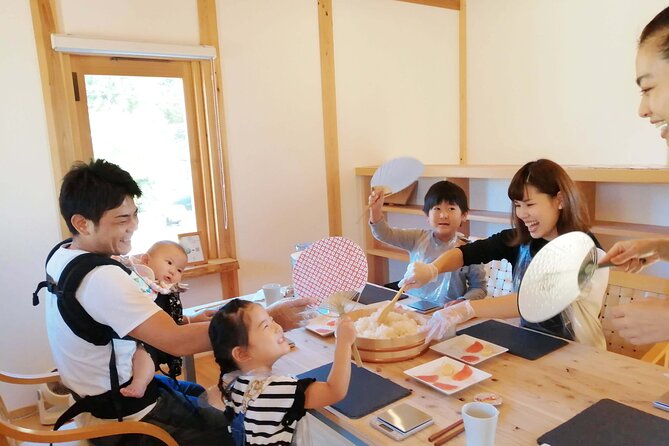
Kana leads the workshop, and multiple experiences point to her style: patient, encouraging, and practical. This matters because sushi shaping is awkward the first time. The hands do not know what to do, and the rice can stick in unpredictable ways.
Kana’s husband assists during the class in many sessions, and that added support is a big reason people feel confident afterward. With that extra pair of eyes, you get quicker feedback when your rice thickness, pressure, or alignment needs adjustment.
Another nice bonus is that the instruction does not feel robotic. The workshop also shares cultural context about Japanese life and sushi tradition, with the kind of fun facts that make the time fly.
And yes, you will be making nigiri you can actually eat at the end. This is not a class where you learn techniques and then walk away. You finish with your own work on your plate.
A change of pace from Kyoto:
- PERFECT KYOTO 1-Day Bus Tour
★ 5.0 · 13,518 reviews - Kyoto: Fushimi Inari, Kinkakuji, Bamboo Grove 1 Day Bus Tour
★ 4.8 · 4,316 reviews - Kyoto: Tea Ceremony in a Traditional Tea House in Kiyomizu
★ 4.9 · 3,519 reviews - Kyoto Geisha Walking Tour: Gion District & Hidden Gems
★ 4.7 · 3,273 reviews
Maki rolling: learning tightness, alignment, and clean cuts
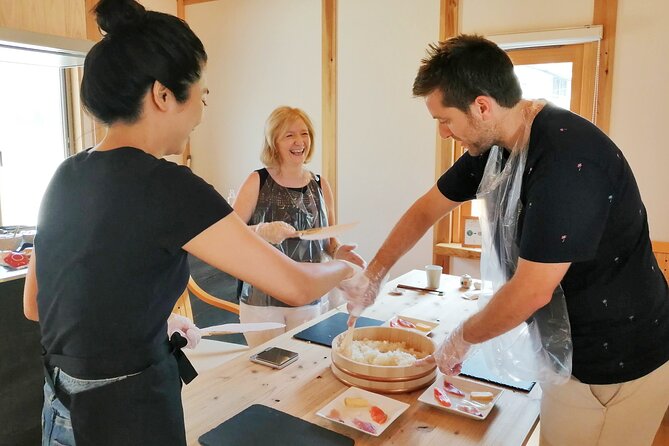
After nigiri, you move to maki. Rolling sounds simple until you try it and realize it is all about tension and structure. Get it too loose and it falls apart. Get it too tight and it loses the right balance.
In this class, you roll maki using carefully selected ingredients and guided technique. The instructor’s role here is to help you understand what to aim for, not just correct your mistakes after the fact.
This is where the small group size pays off again. While you are rolling, you are not waiting for general explanations. You can get quick help so your roll becomes something you can slice neatly and serve as intended.
You will likely make at least one roll, then eat what you produced. That end-to-end experience is what makes this class more than a snack tutorial. It teaches you a complete sushi workflow.
If you like cooking classes, this part will feel like the moment things click. If you do not like cooking classes, the hands-on focus still makes it engaging because the work is immediate and visual.
The sushi meal: you should plan to leave full
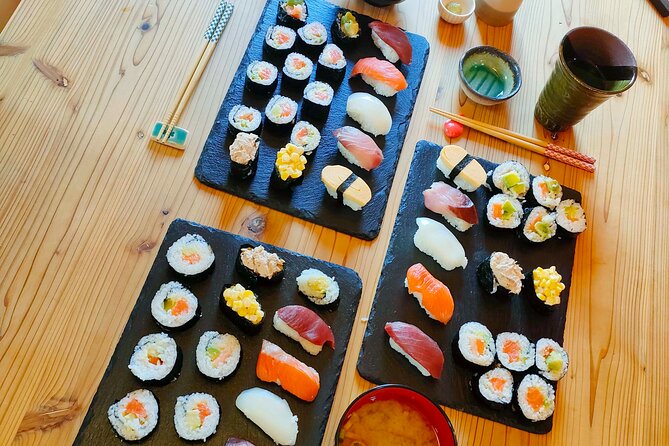
The meal is included. It is served as lunch or dinner depending on your workshop time. That is not just a convenience. It is part of the structure, because the class ends with you enjoying what you made.
Expect a generous portion. The most repeated theme is that there is a lot of sushi once everyone finishes shaping and rolling. Many people note they do not leave hungry.
Alongside the meal you get coffee and/or Japanese tea. This gives you a comfortable landing after handling rice and sushi tools. It also makes the class feel like a proper sitting experience rather than a rushed stop on your itinerary.
If you are thinking about sushi as a skill, eating your own work is the real test. You can taste the difference technique makes. You also get a practical sense of portion sizes and balance, which helps if you want to recreate it at home.
What you take home: notes, sushi tools, and confidence
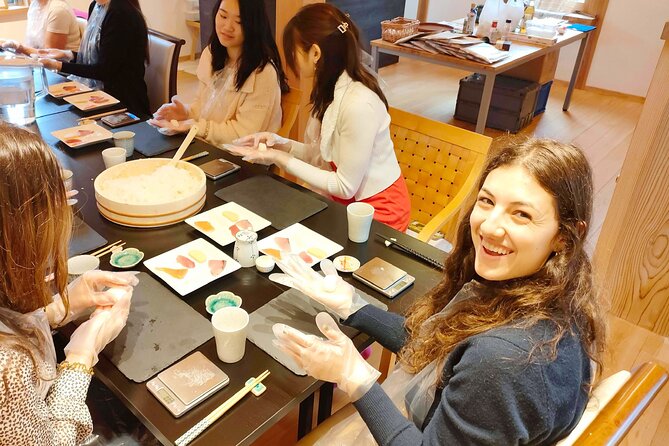
One of the most praised parts is the value you get after the class ends. Many people highlight a souvenir gift bag with class notes and items for at-home practice, including a sushi mat and chopsticks.
That is a smart inclusion because sushi technique does not end when you wash your hands. If you want to replicate it later, you need the right tools and the right reminders. Those notes are especially helpful for a process that can feel technical when you start.
The class also tends to leave you with real confidence. The whole format is built around practice, correction, and repetition. By the time you finish, you are not only eating sushi, you are understanding how to make it.
This at-home carryover is one reason the class performs well as a value play. You are paying for an experience, but you are also collecting the materials and guidance to keep it going.
Price and value: is $69.64 worth it in Kyoto?
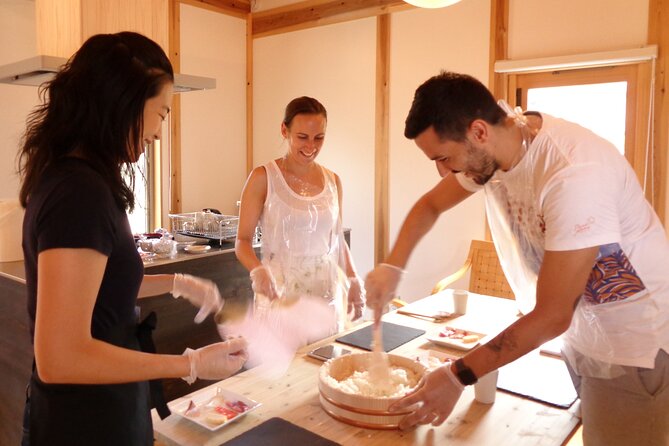
At $69.64 per person, this is not a budget street-food experience. You are paying for instructor time, fresh ingredients, a small group setup, and an included meal.
Here is why it still feels like good value for many people. First, the group limit of 8 means you are not competing for attention. Second, you are learning multiple techniques, seasoning rice, making nigiri, and rolling maki, which usually takes more than one stop to learn well.
Third, you get tools and notes you can use again. When the souvenir kit includes a sushi mat and chopsticks, the experience becomes easier to justify because it is not just entertainment. It turns into a skill you can reuse.
If you are the kind of traveler who likes to eat well but hates tourist traps, this is a strong option. You are also learning from a Japanese instructor, which makes the techniques feel grounded in real craft.
Do keep one caution in mind when comparing value. It is not listed as offering vegetarian or vegan alternatives. If your diet needs flexibility, look at other experiences first.
Dietary limits, allergies, and the one big caution
The big dietary limitation is stated clearly: there is no vegetarian or vegan option.
If you have allergies, you should still ask ahead and confirm what is possible. Some experiences mention accommodation for common restrictions like celiac disease (gluten allergy) and shellfish allergy, with staff going above and beyond. That is encouraging, but you should not assume every ingredient and cross-contact issue will match your needs without confirming.
The practical move is simple. If you have any dietary restrictions, message or ask when booking so the team can tell you what they can handle.
Also, plan your expectations around fish since the workshop uses premium fresh fish. If that is not a problem for you, then the focus on freshness and technique is exactly what makes sushi shine.
Should you book Atelier SUSHI in Kyoto
I think you should book this workshop if you want an authentic, hands-on Kyoto food experience without the big-tour chaos. The combination of small group size, English instruction, and a full sequence of skills (rice, nigiri, maki) makes it one of the more practical classes in town.
It is also a great choice for couples and solo travelers, because the class format naturally creates conversation without turning it into a party. Families can also do well here when kids are curious about cooking and eating what they make.
To get the most out of it, do two things. First, come with an appetite, since the class produces a lot of sushi. Second, lean into the feedback. Sushi technique improves fastest when you correct right away.
Before you go, double-check the dietary fit since there is no vegetarian or vegan option. If that works for you, the price can feel fair because you leave with both a meal and a usable at-home tool set.
If you want a Kyoto experience that is calm, focused, and genuinely hands-on, this one is an easy yes.
FAQ
How many people are in the sushi-making class?
The class is limited to a maximum of 8 travelers, which keeps it small and gives the instructor time to guide each person.
How long is the sushi-making workshop?
The duration is about 1 hour 30 minutes.
Is the class taught in English?
Yes. The workshop is conducted in English, with a Japanese instructor providing guidance.
What is included in the class?
The workshop includes the hands-on sushi-making experience in a traditional setting, sushi meal served as lunch or dinner depending on the time, English-speaking instruction, apron and gloves, coffee and/or Japanese tea, and the class ends back at the meeting point.
Is there a vegetarian or vegan option?
No. Vegetarian or vegan options are not included.
Where do I meet for the class?
You meet at Atelier SUSHI, 311-1 Kitatōryōchō, Higashiyama Ward, Kyoto, 605-0918, Japan. The activity ends back at the meeting point.
What is the cancellation policy?
Free cancellation is available up to 24 hours in advance for a full refund. If you cancel less than 24 hours before the start time, the amount paid will not be refunded.
Latest write-ups near Kyoto
- Kyoto: Nishiki Market Tour with a Local Foodie & Tastings★ 4.5 · 67 reviews
- Kyoto Kimono Rental mimosa |Kimono/Yukata Rental Couple Plan★ 4.8 · 67 reviews
- Kyoto: Traditional Kimono Fabric Handicrafts Workshop★ 5.0 · 67 reviews
- Kyoto Tea Ceremony and Samurai Photo Session★ 5.0 · 70 reviews
- Kyoto: Replica food making experience★ 4.8 · 70 reviews
- Kyoto: Kinkakuji, Golden Pavilion Guided Tour★ 4.7 · 71 reviews
- Private departure transfer from Kyoto city to Kansai International airport★ 5.0 · 72 reviews
- Uji: Green Tea Tour with Byodoin and Koshoji Temple Visits★ 4.8 · 72 reviews
Sushi Making Classes, compared.
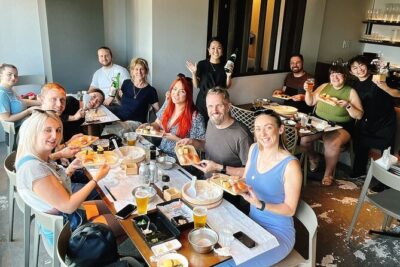
Sushi Making Tokyo Roll and Authentic Japanese Sushi Class
Read our review →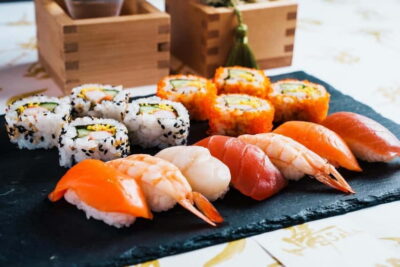
Roll and Authentic Sushi Making Class in Asakusa
Read our review →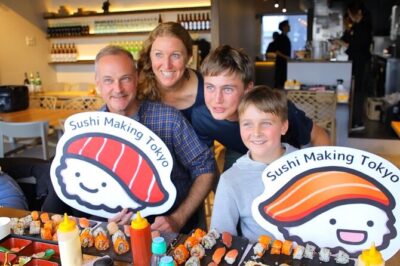
Make Sushi and Create Unforgettable Memories in Tokyo
Read our review →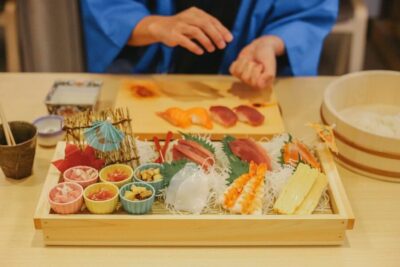
Sushi Making Class in a Happi Coat near a Famous Spot
Read our review →
Sushi Making Osaka Roll and Authentic Japanese Sushi Class
Read our review →
Tokyo Sushi Making Class in Tsukiji with Professional Chef
Read our review →
Tokyo Night Foodie Tour in Shinjuku – Seasonal Sushi, Wagyu Beef
Read our review →
Tsukiji Fish Market Guided Tour and Sushi Making with Pro Chef
Read our review →Browse the lists this tour appears in