
Reviewed · WORKSHOPS
Kyoto: Japanese Koto & Shamisen Concert and Koto Class
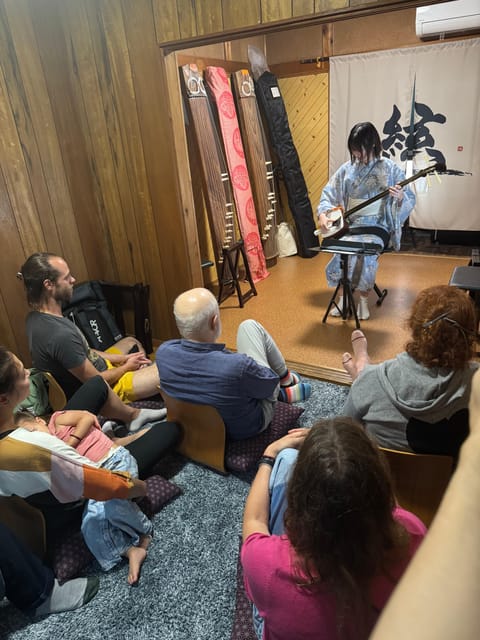
A Kyoto night program where a pro plays koto and shamisen in a small, old house is already more interesting than the usual temple-into-tea route. I especially like the way the set moves from classical pieces into contemporary sounds and original works. The second thing I really value is the hands-on koto time at the end, guided so you are not just watching.
One possible downside to plan for: the venue can be a bit hard to find in a residential area, and if you arrive late your experience time may shrink.
Key things that make this Kyoto music experience worth your time
- Old-house intimacy: the concert happens in a cozy, compact Japanese home, not a formal hall
- Style range: classical, contemporary, and original compositions show how the instruments live today
- Up-close interaction: you get a talk/Q&A with the professional performer, plus photo time
- Beginner-friendly koto lesson: you can try a simple piece with clear instructor guidance
- Personal attention: small or private group options, with a private session for your group
- Value-packed inclusions: instrument use, materials, and photos are included in the price
Why This Kyoto Koto and Shamisen Concert Happens in a Real Home
This experience takes place in an older, small Japanese house. That setting changes everything. Instead of your attention getting swallowed by a big room, you hear the instruments the way you would in a calm living space, close enough to notice details.
It also feels less like a ticketed show and more like you are invited to a family-style cultural evening. You might even catch a birthday moment, one guest shared that Aoi played a birthday song on the koto, which gives you an idea of how personal the atmosphere can feel.
Also on the shortlist for Kyoto:
- PERFECT KYOTO 1-Day Bus Tour
★ 5.0 · 13,518 reviews - Kyoto: Fushimi Inari, Kinkakuji, Bamboo Grove 1 Day Bus Tour
★ 4.8 · 4,316 reviews - Kyoto: Tea Ceremony in a Traditional Tea House in Kiyomizu
★ 4.9 · 3,519 reviews
The First Steps: Koto and Shamisen 101 Without the Academic Stuff
The program starts with a quick introduction to the koto and shamisen, including how their written music works. You do not need to know Japanese music before you arrive. The goal is simple: help you recognize what you are hearing so the concert lands on a deeper level.
Then the performers take over and you shift from learning to listening. In a small room, that early orientation is clutch because every new phrase becomes easier to follow, even if you are seeing the sheet music for the first time.
What the Concert Feels Like, Classical to Contemporary to Originals
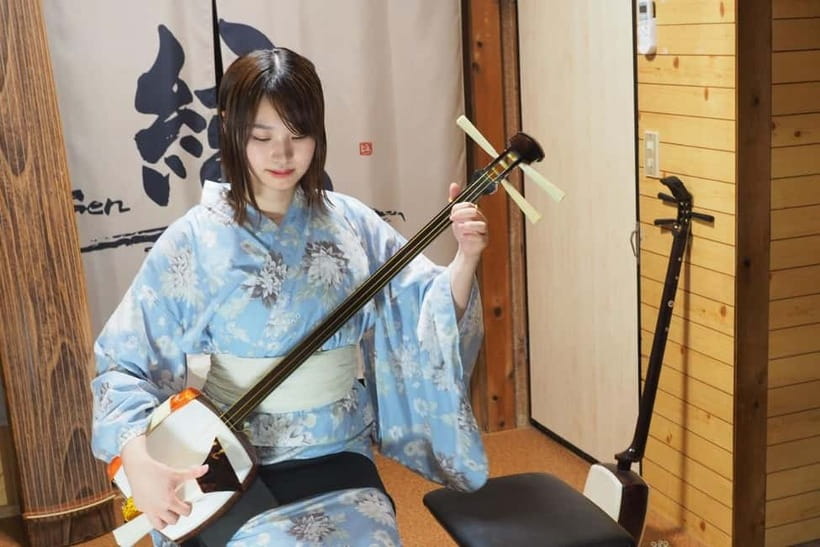
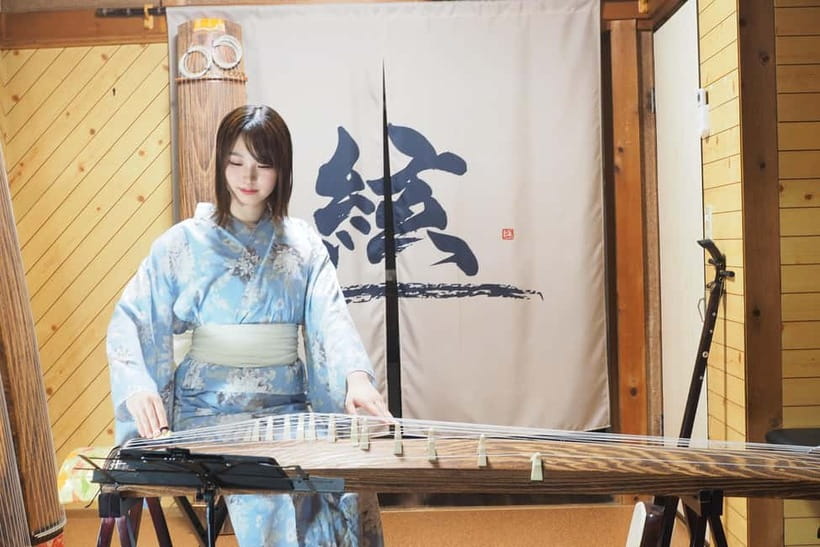
The performance includes a diverse repertoire. You can expect classical pieces, contemporary compositions, and original works. This matters more than it sounds, because it prevents the music from feeling like a museum exhibit.
A koto can sound delicate and floating, then later sharp and rhythmic when the style changes. The shamisen adds a different flavor, with a punchier presence that keeps the ear awake. In the intimate setting, those contrasts come through clearly, and you are not stuck trying to guess how it might sound somewhere else.
The program can vary by season or performer, so you are not getting the exact same “template show” every time. That variability is a good sign if you care about authenticity and real artistry.
Q&A in the Same Room, and Why That Part Is the Real Win
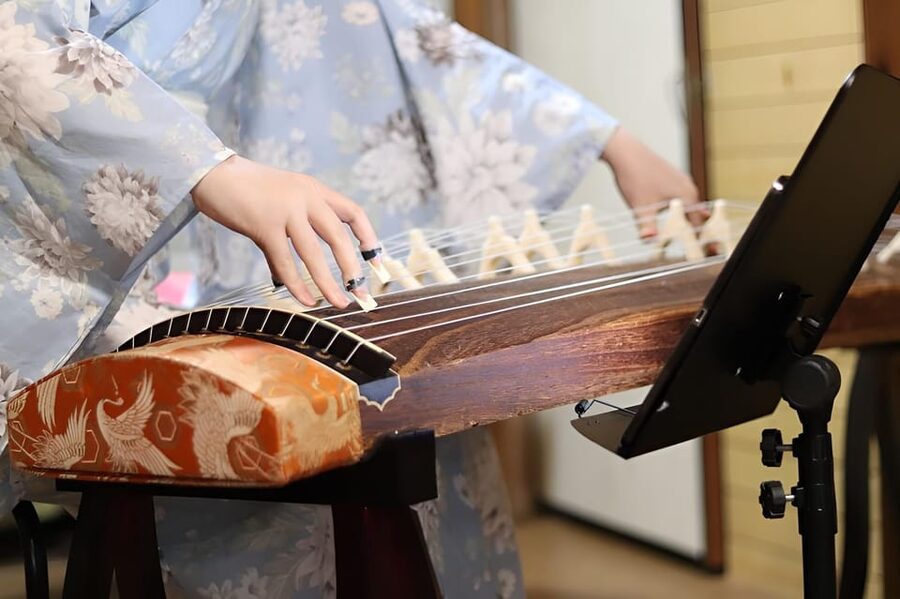
After the main performance, you move into a close-up Q&A. This is where the experience turns from entertaining into memorable. You get direct answers from the professional player, and in a small house, questions feel natural, not performative.
From what I can tell, the guides do more than repeat facts. They explain how to read the music score and connect techniques to sound. One guest highlighted how the presenter was supportive when they were learning, and that kind of helpful tone makes it feel like a safe space to ask even basic questions.
Then there is photo time. In a lot of concerts, you get zero face-to-face contact. Here, you leave with both understanding and proof you were there, which is handy because this is not the kind of event you casually forget.
A change of pace from Kyoto:
- Kyoto Geisha Walking Tour: Gion District & Hidden Gems
★ 4.7 · 3,273 reviews - Kyoto: Tea Ceremony Ju-An at Jotokuji Temple
★ 4.9 · 3,207 reviews - Kyoto: Gion Magical Night Walking Tour with Geisha Trivia
★ 4.9 · 2,393 reviews - Kyoto: 45-Minute Tea Ceremony Lesson Experience
★ 4.3 · 2,378 reviews
Trying the Koto Yourself, Guided So You Actually Play
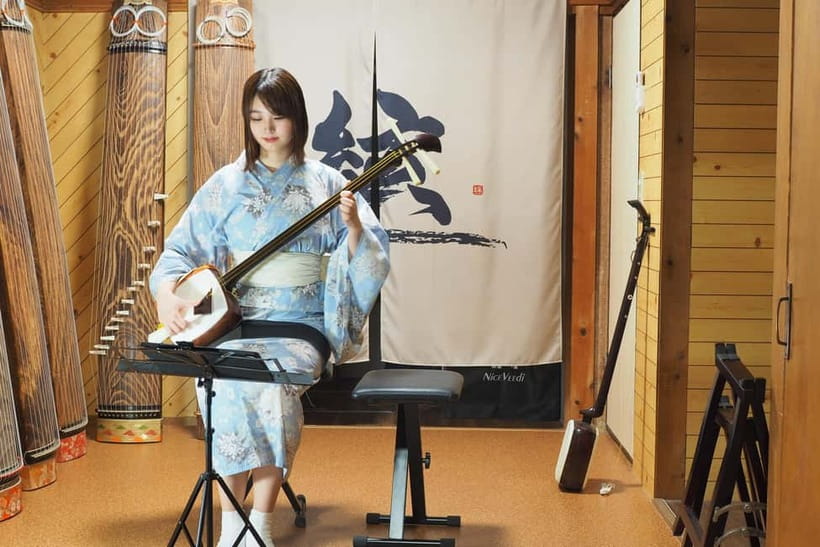
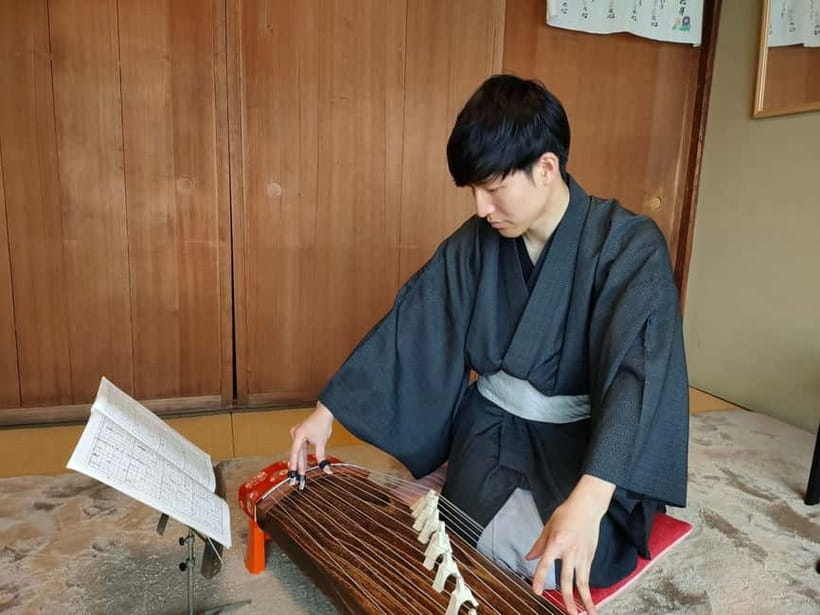
At the end, you get the chance to try playing the koto yourself. This is not a “good luck” moment. You have professional guidance, and you work on a simple piece you can manage.
This part is ideal if you learn by doing. You will quickly notice that the koto is not just an instrument, it is a technique system, and the setup demands a calm pace. With the instructor’s support, you can focus on basic positioning and the idea behind the notes instead of panicking about perfection.
A couple of guests described being surprised by how easy it felt to pick up the basics, even with zero musical background. That fits the overall beginner-friendly promise, and it is one of the reasons this experience earns such strong ratings.
Price and Value: Why $38 Can Feel Like a Lot More
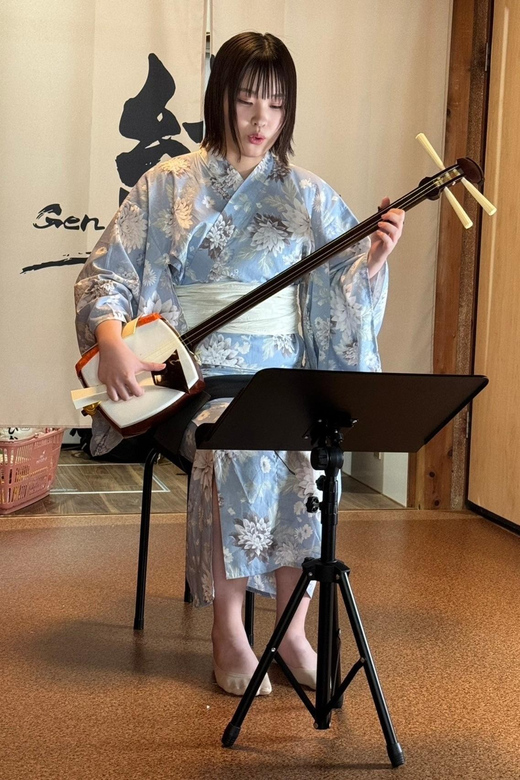
At $38 per person for a program lasting about 1 hour to 100 minutes, you are paying for more than a performance. You are paying for instruction, materials, instrument use, a guided try-out, and photos.
The value is especially good because the venue is intimate and the attention level tends to be higher. You are also not bringing your own instrument or tools, and you do not need to source anything in advance. The included guidance and private session for your group turns it into an activity, not just a show you watch and forget.
If you want a cheaper option, one guest noted there may be a performance-only alternative. Even with that possibility, I think most people should still plan for the hands-on portion, because that is where the whole experience becomes yours.
Timing, Finding the Place, and Pairing With Kyoto Nearby Stops
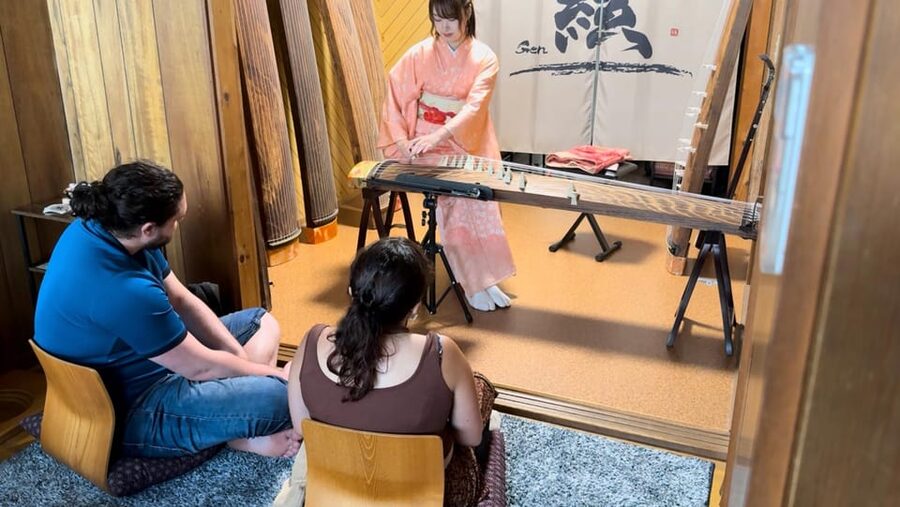
The big practical challenge is location. The show happens in a residential area in a small house, and one guest described a struggle to find it. Another mentioned the alley outside could be dark while waiting. My advice: arrive a little early, and use a taxi or confirm the final approach details with your booking before you head over.
Late arrivals can shorten your time. With that in mind, schedule this early enough in the evening that you are not rushing from a crowded dinner plan.
If you want to connect it with other sights, here are useful nearby anchors:
- Arashiyama: about 25 minutes by train and on foot, with a convenient transfer near Saiin Station
- Nijo Castle: about 20 minutes by train and on foot, one station from Nijo Castle-mae on the Tozai Line
- Kinkakuji (Golden Pavilion): about 20 to 25 minutes by bus and on foot from the Nishioji Sanjo area
- Nishiki Market: about 25 minutes by train and on foot, easy to pair with shopping and snacks
Think of this concert as a calm cultural reset after walking Kyotos busier lanes.
Who Should Book This (And Who Should Skip It)
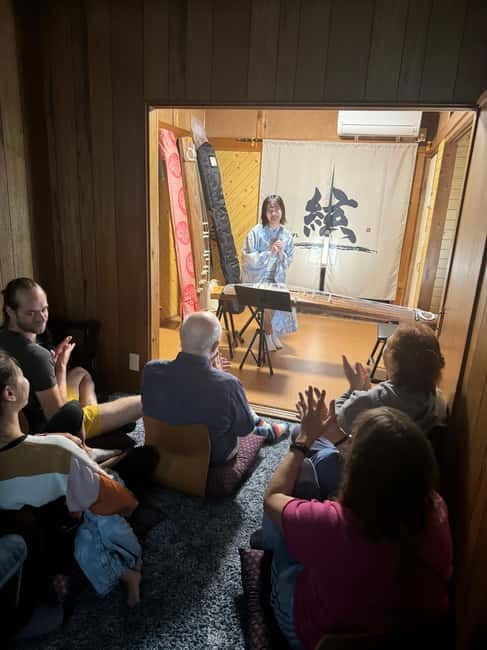
This is a strong fit if you want something Kyoto, but not another temple photo line. It is also a great match if you like live music but do not want to commit to a long class.
Families can enjoy it too. One guest said it was a memorable event for a daughter and parent, and the atmosphere is welcoming. Just note the age limits: it is not suitable for children under 2, under 3, under 4, and babies under 1.
If you have physical limitations or allergies, tell the organizers ahead of time. The experience includes hands-on playing, so communication helps them keep the session comfortable.
Also, languages are English and Japanese. The instructor guidance includes both, so you can expect interpretation for the concepts and the Q&A portion.
What You’ll Take Home Besides Great Sound
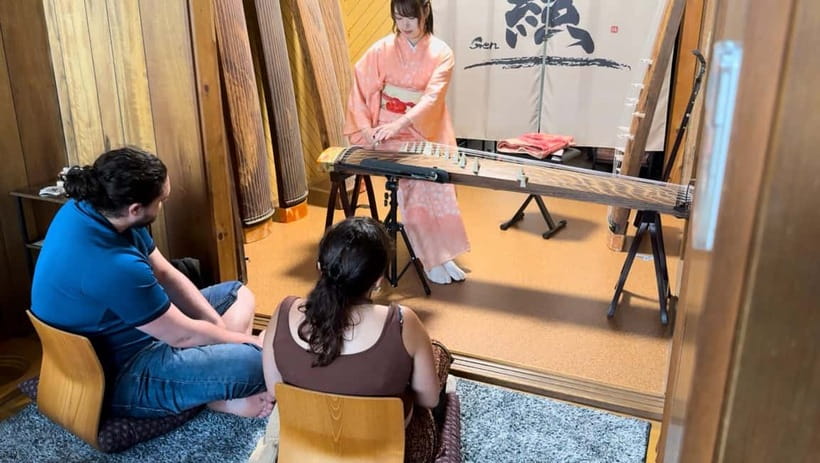
The best part is not only hearing the koto and shamisen well. It is learning enough to actually listen. After the introduction and score talk, you will notice how different techniques change tone and pacing.
Then the try-out gives you a personal memory. You leave knowing how it feels to pluck or move in the right way, even if you are playing a beginner-friendly piece.
And yes, you get photos, which helps you turn the evening into a real keepsake.
Should You Book This Kyoto Koto and Shamisen Concert and Class?
I think you should book it if you want an intimate Kyoto experience that mixes performance with hands-on learning, for a price that still feels fair. The combination of small-house atmosphere, professional playing, real Q&A, and guided koto practice is exactly the kind of activity that upgrades a trip from sightseeing to understanding.
Skip it only if you are sensitive to finding small residential venues and you do not want to risk a shortened session due to late arrival. Otherwise, this is a standout choice for anyone chasing honest culture, not just icons.
FAQ
How long is the Kyoto koto and shamisen concert and class?
The experience runs about 1 hour to 100 minutes. Exact timing can vary by session.
What happens during the program?
You’ll get a brief introduction to the koto and shamisen and their sheet music, followed by a live performance. After the show, there is a Q&A and photo time, and at the end you can try playing the koto.
Is there a chance to ask questions to the performer?
Yes. There is a close-up Q&A session with the professional koto player.
Can beginners participate and try the koto?
Yes. The class is beginner-friendly, and you’ll receive instructor guidance while you try playing a simple piece.
Are koto instruments and tools provided?
Yes. The experience includes use of the koto instrument, plus all necessary materials and tools.
Is the session private or small group?
Private or small groups are available. A private session for your group is included.
What languages are offered?
Instruction is available in English and Japanese.
Is transportation to the venue included?
No. Transportation to and from the location is not included.
Are meals and drinks included?
No. Meals and drinks are not included.
Is it suitable for young children?
It is not suitable for children under 2, under 3, under 4, or babies under 1.
What should I do if I have allergies or physical limitations?
Inform the organizers ahead of time about any physical limitations or allergies.
Latest write-ups near Kyoto
- Kyoto Private Tour Full Day with Local Guide&Nara Option(PerGroup★ 5.0 · 20 reviews
- Sacred Pathways: Discover the Philosopher’s Path of Kyoto★ 4.9 · 20 reviews
- Hammer Pattering Experience of Ring★ 5.0 · 20 reviews
- Kyoto UNESCO World Heritage Site Private Tour with a Premium Van★ 5.0 · 20 reviews
- KYOTO: Private Tea Ceremony in Hidden Townhouse (Kid-Friendly)★ 5.0 · 20 reviews
- Sushi or Traditional Japanese Cuisine in a Kyoto Home with Emika★ 5.0 · 20 reviews
- The Kyoto VIP Experience!★ 5.0 · 20 reviews
- Kyoto Customized Private Tour: See Top Attractions in 1 Day★ 4.7 · 20 reviews
Workshops, compared.

Sushi Making Tokyo Roll and Authentic Japanese Sushi Class
Read our review →

Roll and Authentic Sushi Making Class in Asakusa
Read our review →
Ramen Cooking Class at Ramen Factory in Kyoto
Read our review →
Sushi Making Class in a Happi Coat near a Famous Spot
Read our review →

Sushi Making Osaka Roll and Authentic Japanese Sushi Class
Read our review →Browse the lists this tour appears in