
Reviewed · WORKSHOPS
Japanese Pottery Class in Tokyo
This Japanese pottery class in Tokyo is interesting because you do the hands-on part in about an hour, then your selected works get fired and finished later. I like that it is set up as a small-group lesson, so you get real attention instead of watching from the sidelines. I also love the idea of taking home something you made yourself, a unique souvenir that feels personal. The one drawback to plan for is that the base price is just the trial, and firing plus shipping are extra.
You meet in Minato City, near public transportation, which makes this a low-effort add-on to a Tokyo day. The instruction is a big plus too, with teachers known for clear guidance and patience, including English-speaking support in past sessions. Just keep one thing in mind, you will not have finished glazed pieces right away because firing and preparation happen later (about a month).
Key points to know before you go
- Small-group attention: class is designed to stay under 15 for hands-on time
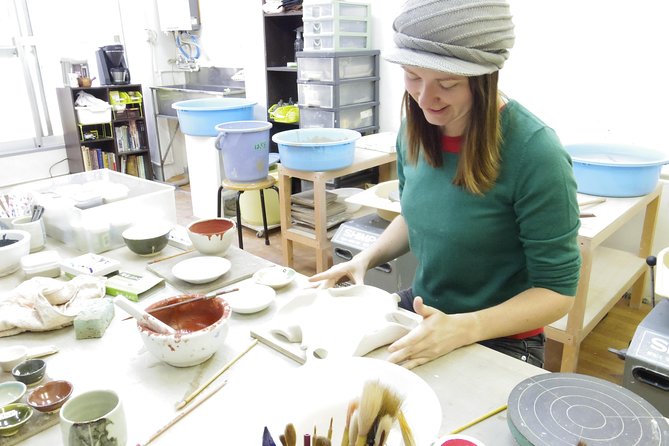
- You make 2-3 works in about an hour: enough to choose favorites for firing
- Firing and shipping cost extra: the listed fee covers the trial, not the kiln work
- Central Tokyo location: meeting point is near Metro and easy to reach
- One-month turnaround for preparation: your pieces are made ready after class, then shipping is arranged
- Brazil has extra restrictions: you should contact the provider before booking from Brazil
Japanese Pottery Class in Tokyo, What You Really Do in the Hour
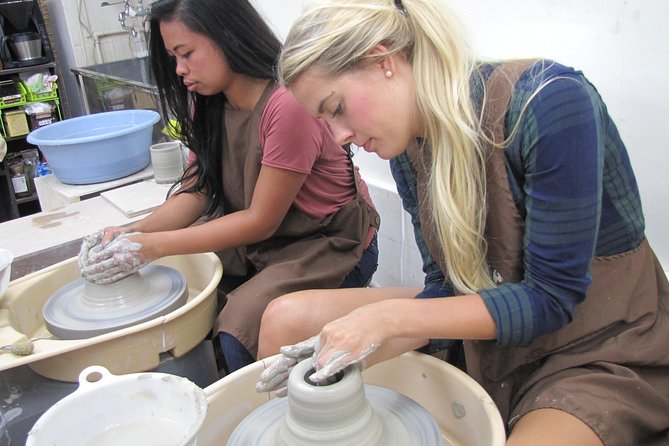
If you want a break from Tokyo sightseeing that still feels very Tokyo, this pottery class hits a sweet spot. You spend a real chunk of time working with clay, under a teacher, in a calm studio setting. Then you get to deal with the fun part later, waiting for your pieces to be fired and finished.
The class is built for learning by doing. You start with an application form and a sample from the instructor, then you make your own pieces right away. In past sessions, teachers like Ruth, Stephen, Viki, Kaia, and Jumpai have helped students get started, and the teaching style shows up in the reviews again and again: clear directions, friendly encouragement, and practical fixes when a piece needs help.
The experience is also good value if you treat it as a first step. The base fee is affordable for the hands-on lesson, and you can control what you keep for firing by choosing your favorite works and colors during the session. The catch is simple, you will need extra money for firing per selected piece, and shipping is optional but common if you do not want to carry fragile pottery home.
Also on the shortlist for Tokyo:
- Mt Fuji and Hakone 1-Day Bus Tour Return by Bullet Train
★ 5.0 · 26,383 reviews - 1-Day Tokyo Bus Tour
★ 5.0 · 14,250 reviews - Tokyo: TOKYO SKYTREE® Admission ticket
★ 4.5 · 11,192 reviews
Finding the Studio Near Minato City and Settling In
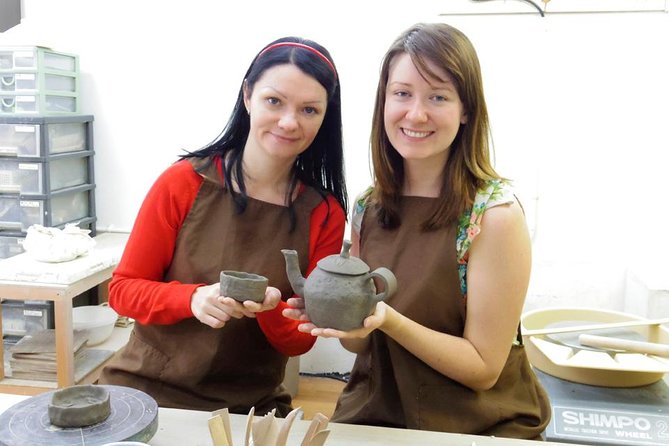
You will meet at Shiba 3-chome 29-11, Shimizu House in Minato City, Tokyo 105-0014. The activity starts and ends back at the same meeting point, so you do not have to plan a separate walk back across town.
This is also meant to be convenient. It is near public transportation, and you will have a mobile ticket, so you can show up with less fuss than with paper-only tours. In the reviews, people also mention it being easy to find and close enough to major sights that they could pair it with other plans, including a note about being near Tokyo Tower.
The studio itself is often described as peaceful, even therapeutic. One reviewer talked about rainfall while working and mellow instrumental music in the room, which matches the general feel you should expect from a pottery class. You are not just making a craft, you are buying yourself some quiet time in the middle of a busy city.
Your One-Hour Session: Application Form, Demo, Then Making 2-3 Works
The session runs for about one hour. You are not expected to become a potter in 60 minutes, but you will absolutely get the basics and produce pieces you can choose to keep.
Here is how the hour typically unfolds:
First, you handle the application form. Then the instructor makes a sample so you can see the technique before you try it. After that, you make about 2-3 works during the session, all with guidance nearby.
You will choose which pieces you want to keep for firing. You also choose the colors you want for your selected works, and that choice matters because those pieces will be prepared and finished after the class. Toward the end, you clean up and complete the payment step.
A helpful detail from the reviews: while the standard pace is around 2-3 works in the hour, some people report making more pieces when the session flows well and they stay engaged. Either way, you should plan to leave with multiple options you can compare and decide what is worth sending for firing.
Also, you will not feel like you are being dragged through a rigid script. Several reviews mention that after a quick demonstration, students get a lot of freedom to shape their own pieces, with teachers stepping in when needed. That freedom is a big deal if you want your souvenir to look like you made it, not like you traced someone else’s idea.
The Real Story After Class: Firing, One-Month Preparation, and Extra Fees
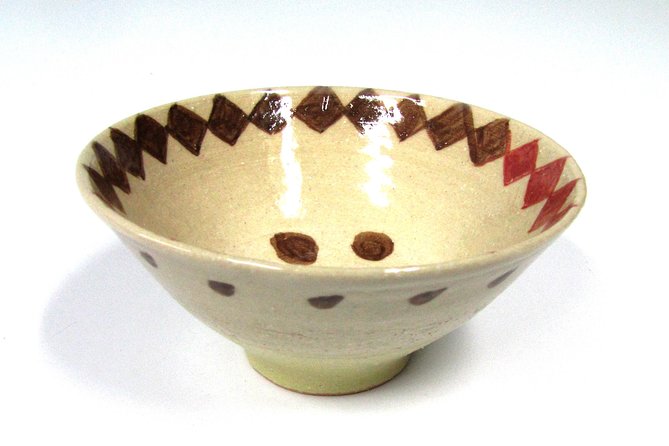
Here is the part that trips people up, and it is worth getting clear before you book. The class fee covers the basic pottery trial, but it does not include the firing fee for each selected work. So when you choose your pieces during the hour, you are also choosing what will cost extra later.
After you make the pieces and select what you want fired, it takes about one month to prepare the works. That preparation window is your clue that your finished pottery is not coming same-day. The studio is handling the process after your session, which is exactly why the base price is lower.
Shipping is also not automatically included. EMS shipping is optional, and there is an EMS shipping fee if you choose that route. If you want your pottery mailed to you, you should expect to budget for it when you decide which pieces to keep.
One more important note: sending class-made pieces to Brazil is challenging due to strict customs. If you are in Brazil, the provider asks you to contact them before booking so they can discuss alternatives. That is rare and specific, but it is a big deal if you are trying to ship your pottery home without surprises.
A change of pace from Tokyo:
- Tokyo: teamLab Planets TOKYO Digital Art Museum Entry Ticket
★ 4.6 · 9,779 reviews - Mt Fuji & Hakone Cruise, Drum Show Bullet Train 1 Day from Tokyo
★ 4.0 · 7,413 reviews - Tokyo: Sumo Show Experience with Chicken Hot Pot and a Photo
★ 4.8 · 6,678 reviews - Tokyo: Shinjuku Food Tour (13 Dishes at 4 Local Eateries)
★ 5.0 · 6,603 reviews
Instructors and Studio Vibes: What the Teaching Is Like
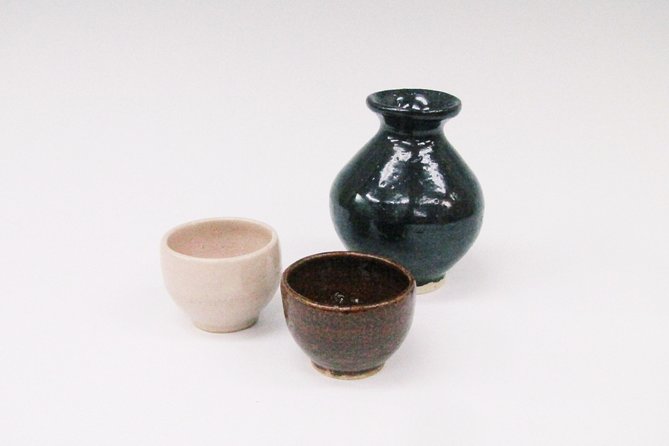
The strongest praise in the reviews is about the people teaching. Past classes have featured instructors including Mr. Hoshi, Ruth, Stephen, Viki, Kaia, and Jumpai, and the consistent theme is patient, hands-on instruction.
What stands out is not just that teachers speak English well. It is the way they teach. Several reviews mention instructors being thorough and patient, serious about the art while still making the room feel relaxed. You also see lots of notes about help with fixing shapes, guidance on technique, and encouragement to keep going when you feel stuck.
If you have never tried pottery before, that supportive approach matters. First-time potters often need reassurance that they are doing it right, and reviews describe the teachers as making it feel approachable. If you have done pottery before, you might still enjoy this class because one review specifically calls it good for both new and experienced potters, with individualized attention and teaching that works at different skill levels.
The studio atmosphere is also part of the value. People describe the environment as relaxing and stress-free, not rushed. That matters in Tokyo. This is one of those activities where you are doing a slow, tactile craft while the city outside stays loud.
Price and Value: How the $26.73 Fee Fits the Whole Experience
Let’s talk money in a practical way. The tour price is $26.73 per person, and that covers the basic pottery trial class. That sounds straightforward, and it is, but pottery has one hidden line item: kiln time.
For anything you want finished, you will pay the firing fee for each selected work. On top of that, you can choose optional EMS shipping, which adds an extra fee. Reviews repeatedly mention this key point: you are really paying for the class itself, and you then pay to have your chosen pieces finished and delivered.
So is it still good value? Yes, if you use it the right way.
You are getting:
- A guided session in central Tokyo
- Instructor demo and hands-on help
- Time to make multiple pieces in about an hour
- A process that results in a souvenir you can ship home
If you are the type who likes “I made this” mementos, this is a smart buy. If you want a finished product in your hands before you leave the studio, this is not that kind of class, because firing and preparation happen later.
Also, think of it as pay-for-the-experience, then pay-for-the-keep. During the session, choose only the pieces you truly love for firing and colors, so you do not end up paying to ship something you are not excited about.
Picking Your Pieces and Colors Like a Pro
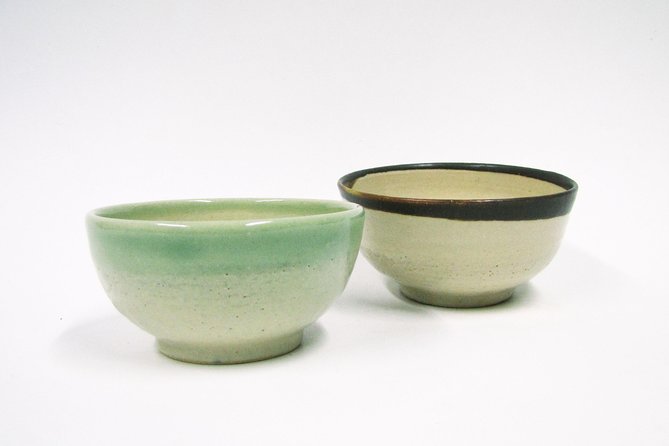
Within the hour, you get to decide what to send out. That makes your choices more important than you might expect.
You choose:
- Which pieces to keep for firing
- Which colors to use on those selected works
Because your works take about a month to be prepared after making, this is not a quick, throwaway decision. The best approach is to treat the session like a mini tasting, make a few options, then pick the ones that feel most like you.
The instructors are there to help, so if one piece looks fragile or you are unsure, ask for guidance. Past teaching feedback includes teachers helping fix shapes and offering tips, which is exactly what you want at the point where you are deciding what will be worth firing.
If you want to keep this simple, you can also plan mentally that you likely will keep everything you enjoy most, typically around the 2-3 works pace mentioned for the session. If you end up making more, you still only choose what you want sent for firing.
Shipping Realities: What to Know Before You Expect Pottery at Home
Your pottery is prepared about one month after you make it. After that, shipping may be arranged, with EMS shipping offered for an optional fee.
This matters because you should not plan a trip schedule that assumes pottery arrives before you leave Japan. If you are hoping to bring everything in a suitcase, this class is designed mainly for the “send it home” route, especially since firing is not included in the base fee.
If you are booking from outside Japan, it is also smart to know your shipping destination could affect feasibility. Brazil is the clearest example in the provided info, and the provider explicitly asks Brazil-based guests to contact them before booking due to customs restrictions.
Who This Pottery Class Is Best For (and Who Might Skip It)
This class is a great fit for a few different types of people.
If you are a first-timer, you will likely appreciate the clear demo approach and patient help. Reviews describe the instruction as encouraging and supportive, with teachers stepping in when students need help.
If you already have some pottery experience, this class still works because the teaching is hands-on and the environment supports different skill levels. You will still be choosing your pieces and colors, and you will still be working within a guided studio process.
If you travel as a family, you might like that the room tends to feel calm and welcoming, and some reviews specifically mention it being suitable for families with kids.
You might skip it if your top goal is instant take-home pottery that is fired and ready on the spot. This is a class plus a later shipping process, not a same-day souvenir swap.
Book It or Pass? My Practical Recommendation
I would book this class if you want a real Japanese craft experience in Tokyo that stays beginner-friendly and produces something meaningful. The small-group setup, the steady pace, and the focus on making your own pieces are the reasons it gets such strong ratings.
If you book, go in knowing the true cost includes the firing fee per selected work, plus optional EMS shipping. In other words, you are buying a lesson now and paying for finished results later. If you can accept that timing, you will get a souvenir that feels way more personal than anything shop-bought.
If you are in Brazil, do not book blindly. Contact the provider first so you understand what shipping options exist for you.
FAQ
How long is the pottery class?
The class is about 1 hour long (approx.).
What does the $26.73 per person price include?
The basic fee for the pottery trial class is included.
Are firing fees included?
No. Firing fees for each selected work are not included in the basic fee.
How long does it take for the studio to prepare the finished pieces?
It takes about 1 month to prepare the works after you make them in the class.
How many pottery pieces will I make during the session?
You make about 2-3 works within the 1 hour class time.
Where do I meet for the class?
The meeting point is Japan, 105-0014 Tokyo, Minato City, Shiba, 3-chōme29-11 清水ハウス.
Is it a small-group experience?
Yes. The tour is described as a small-group class with a maximum of 15 for personal experience, and the activity also lists a maximum of 25 travelers.
Can you ship pottery internationally, and is Brazil different?
EMS shipping is optional, and the info provided notes that sending pieces to Brazil is challenging due to strict customs. If you are located in Brazil, you should contact the provider before booking to discuss alternatives.
Is free cancellation available?
Yes, you can cancel for a full refund as long as you cancel up to 24 hours in advance of the experience start time.
Latest write-ups near Tokyo
- Tokyo Nights: Shibuya Photo Adventure★ 5.0 · 20 reviews
- Wagyu & Sake 8 Course Tasting Dinner in Shinjuku★ 4.9 · 20 reviews
- Making Japanese desserts Nerikiri & drinking matcha in Tokyo★ 5.0 · 20 reviews
- Mt. Fuji 5th Station, Owakudani Ropeway, Pirate Ship plus Outlet shopping!★ 4.5 · 20 reviews
- Japanese Whisky Hunting《HIGH-QUALITY-ONLY》Rare Tasting Class★ 5.0 · 20 reviews
- Kintsugi Experience with Arita Ware in Tokyo (English Guide)★ 4.8 · 20 reviews
- This is Asakusa! A Tour Includes the All Must-Sees!★ 5.0 · 20 reviews
- Tokyo: Karate Experience with Former All-Japan Champion★ 5.0 · 20 reviews
Workshops, compared.

Sushi Making Tokyo Roll and Authentic Japanese Sushi Class
Read our review →

Roll and Authentic Sushi Making Class in Asakusa
Read our review →
Ramen Cooking Class at Ramen Factory in Kyoto
Read our review →
Sushi Making Class in a Happi Coat near a Famous Spot
Read our review →

Sushi Making Osaka Roll and Authentic Japanese Sushi Class
Read our review →Browse the lists this tour appears in