
Reviewed · WAGASHI & MOCHI MAKING
Kyoto near Fushimiinari Wagashi making&Small Group Tea Ceremony
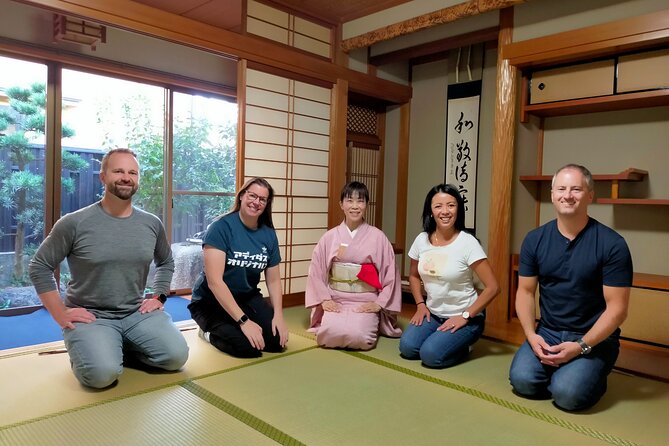
Kyoto tea ceremonies can feel like a performance if you only watch. This one feels different because you do the making yourself first, in an actual Japanese home setting, then you sit down for a guided matcha experience. It is also timed in a way that fits nicely with a day around Fushimi Inari.
I especially like the hands-on wagashi class and the small group size. You get clear, English-friendly instruction, and the atmosphere stays calm, not rushed. Also, I like that the hosts explain what you are seeing, from how to move through the tea room to what a hanging scroll means.
One consideration: you will drink matcha, so it is not a great pick if you do not want caffeine. And you will sit on the floor unless you arrange a chair option in advance, so plan for socks and comfort.
Key Things to Know Before You Go
- Max 8 people means you get attention and time to practice, not just watch
- Hands-on wagashi making happens right in the kitchen, not on a stage
- Two bowls of matcha plus traditional sweets, with instruction step by step
- Tatami seating rules mean socks are required, bare feet are not allowed
- A small garden walk leads you to an authentic tea room when the weather cooperates
- English-speaking licensed interpreters help you understand the meaning, not just the motions
Why This Fushimi-Inari Tea Ceremony Feels Local and Calm
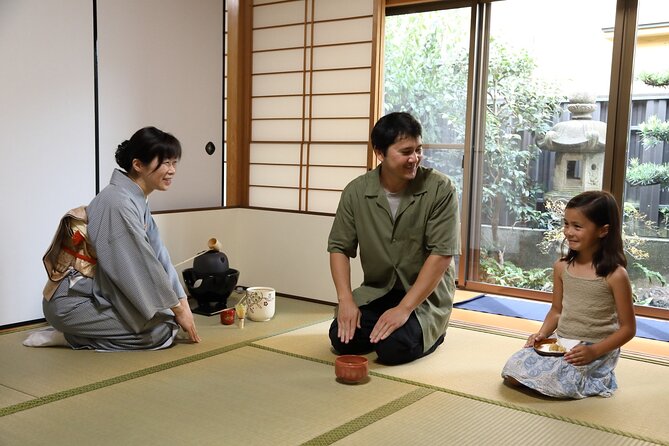
This Kyoto tea ceremony is set in a local house in the Fushimi area, near Fushimi Inari Taisha. The address is 38-4 Fukakusa Watamorichō, Fushimi Ward, so you are close enough to the shrine area that you can add this to your day, yet you are not trapped inside the busiest tourist flow.
The vibe is the big draw. You get that quiet, taken-care-of feeling you rarely find when everything is happening in a big group. And even though tea ceremony is formal, this experience keeps it human. You are treated like you are visiting someone who wants to share a craft, not like you are being processed.
What you are really buying with this tour is time in a traditional setting plus instruction you can actually use. You are not just learning the final pose. You learn the sequence, the etiquette cues, and the reasons behind them. That is what makes the whole thing stick in your mind long after the photos.
More Tea Ceremonies in Kyoto
- Kyoto: Tea Ceremony in a Traditional Tea House in Kiyomizu
★ 4.9 · 3,519 reviews - Kyoto: Tea Ceremony Ju-An at Jotokuji Temple
★ 4.9 · 3,207 reviews - Kyoto: 45-Minute Tea Ceremony Lesson Experience
★ 4.3 · 2,378 reviews
Meeting at the House, Socks On, Then a Tiny Garden Walk
You start at 9:45 am at the meeting point in Fushimi. It is a good start time if you want to beat crowds around the shrine and still have the rest of the day for walking Kyoto.
Once you arrive, your English-speaking host guides you toward the kitchen area. This matters because it sets expectations early. You are going to get hands-on, so you want to feel settled before the class begins.
Then comes a short transition moment. You go outside to walk through a tiny little garden and enter the tea room when it is not raining. This break is small but effective. It creates that shift from street pace to ritual calm.
A few practical notes that will save you stress:
- Bring or wear socks. Bare feet are not allowed in the room.
- Wear easy shoes you can take on and off.
- If you prefer not to sit on tatami, you can request a chair option when you book. Let them know how many chairs you want.
If you have never done tatami seating, it is worth taking it seriously. Not because it is hard, but because your body needs to be comfortable enough to actually pay attention to the ceremony.
Wagashi Making in a Real Kyoto Kitchen (Hands-On, Not a Show)
Before you sit for matcha, you make one kind of wagashi. This is hands-on in the kitchen. You will shape, work the sweets, and learn what you are doing as you go.
This is one of the highest-value parts of the experience because it turns tea ceremony from a passive activity into a skill you experience with your own hands. Wagashi can look delicate, but the process is very tactile. Expect a little mess. One review mentioned it can get a bit sticky. That tracks with how many traditional sweets feel when you are working them.
What I like about this section is that the class does not treat wagashi like trivia. It treats it like a craft with steps and purpose. You get a real sense of how sweets are prepared for the tea moment. And you get something you can share later, which is a major perk if you are hoping to bring home an edible souvenir.
Also, you will eat the wagashi during the ceremony portion that follows. So it is not a take-home demo where you just watch the process, then leave hungry. You make it and then you taste it with the right context.
Entering the Tea Room: Tatami Etiquette and the Hanging Scroll Meaning
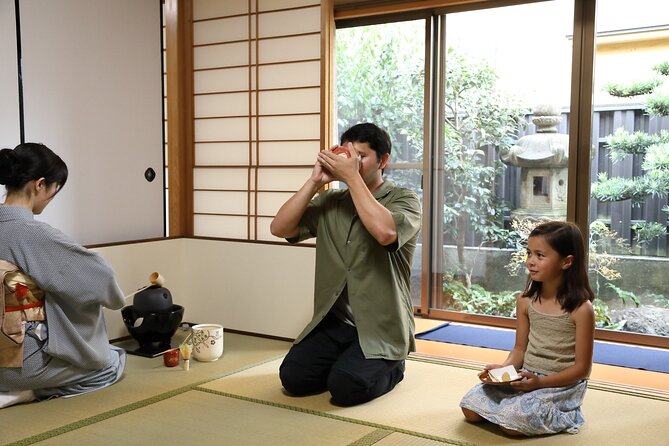
After the wagashi class, you move into the authentic Japanese-style room. When it is time to sit, you are on the tatami floor unless you arranged chairs.
The instructor explains how to attend tea ceremony first. That instruction is practical, not just ceremonial. It helps you know what is expected so you can relax and focus on the experience instead of worrying about what to do with your hands or where to look.
Then you learn the background details that make the room feel intentional. The instructor covers:
- The history of tea ceremony
- The meaning of the hanging scroll on the wall
That hanging scroll piece is small, but it is the kind of detail you would miss if you just watched a short video online. Tea rooms often use that scroll as a quiet theme for the occasion, and understanding it makes your time there feel less like a ritual you do not understand and more like a story you can follow.
You will also be served Japanese sweets you have made, and the instructor demonstrates how to drink matcha from a bowl. So even though you learn etiquette, you also get immediate payoff, taste first, then practice.
More Wagashi & Mochi Making in Kyoto:
- Kyoto Food Tour of 10 Tastings with Wagyu, Mochi & More Surprises
★ 5.0 · 85 reviews - Tokyo Sumo Experience: Chanko & Mochi with a Former Pro
★ 4.8 · 567 reviews - Tokyo: Matcha Making Experience with Mochi Sweets in Asakusa
★ 4.9 · 388 reviews - Osaka: Traditional Mochi Pounding Experience with Tasting
★ 4.9 · 306 reviews
Drinking Matcha the Correct Way, Then Making Your Own Bowl
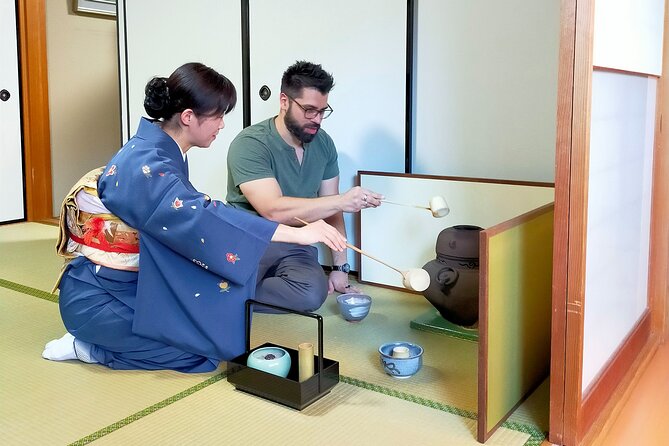
This experience is built around matcha, not just the idea of matcha. You will see a demonstration, then you will prepare it yourself.
The flow goes like this:
- You learn how to attend the ceremony and what you will be doing.
- You savor the sweets you made.
- You watch the instructor demonstrate the proper way to drink a bowl of matcha.
- You meet the host for a more ceremonial matcha preparation.
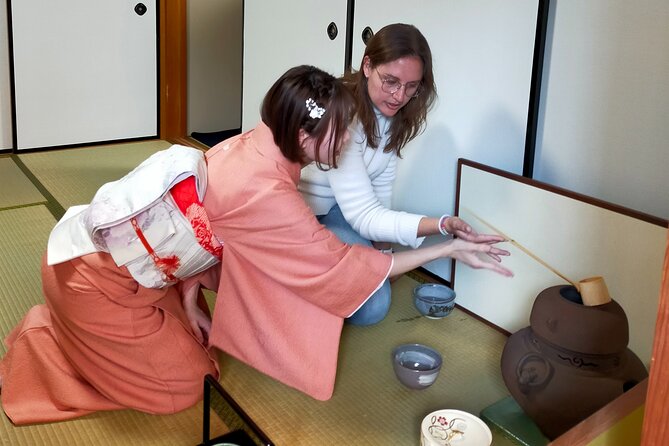
- You get the chance to prepare matcha yourself.
Because it is a small group, you are not stuck waiting your turn for your one try. You practice. And that practice matters, especially if you want to recreate it at home later. The tour sets you up to serve friends, not just to say you did a tea ceremony once.
One detail I appreciate is the English quality. The hosts and instructors are licensed guide interpreters, which shows up in clarity. You get explanations that line up with what you are doing in the room. It is not only translation. It is teaching, with meaning tied to action.
Another practical note: this tour is not recommended for people who do not want caffeine. If you like matcha, you are in good shape. If you avoid caffeine, plan your day accordingly or skip this one.
What You Will Actually Learn (And What You Can Repeat at Home)
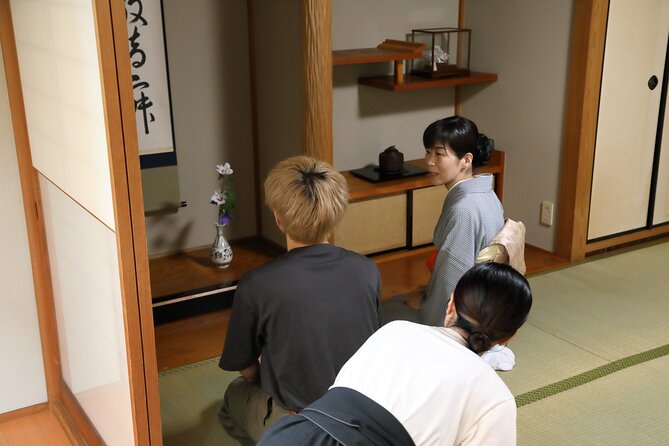
This is not only a nice cultural stop. It teaches you enough to repeat parts of it later.
From the wagashi section, you learn the basics of preparing and working with one type of Japanese sweet for the tea moment. From the matcha side, you learn how to handle the bowl and how to prepare matcha in a way that fits the ritual.
Afterward, your goal is to be able to:
- Make wagashi yourself
- Serve matcha to friends back home
That is a strong promise, but the structure supports it. You practice both components in sequence. It is hard to forget steps when you have physically done them.
If you are a person who likes to bring home experiences, this one is more satisfying than a generic tour because it ends with skills, not just souvenirs. And the final taste, after you have made and listened and practiced, feels earned.
Price and Value: One Hour 15 Minutes With Real Teaching
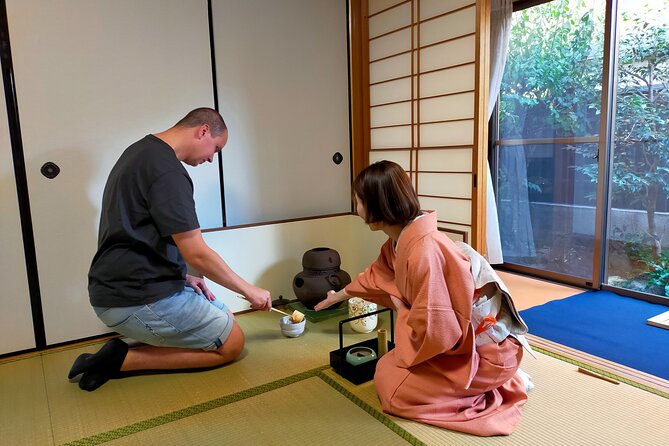
At $52.26 per person for about 1 hour 15 minutes, this is not a budget stop. But it is also not overpriced for what you get. You are paying for three things:
- A small group with up to 8 participants
- An English-speaking instructor and host, described as licensed guide interpreters
- Two bowls of matcha plus the traditional sweets, including the wagashi you help make
In other words, your time is packed with active learning and actual consumption. The session is short enough that it does not eat a full day, but long enough to move from wagashi hands-on to matcha practice.
It also has a smart location payoff. You get a calm tea room experience while still being near Fushimi Inari Taisha, which makes it easier to fit into an itinerary. In one case, the walk to the shrine has been described as around 10 minutes, which is exactly the kind of convenience that makes planning feel smoother.
If you are choosing between tea ceremony and another cultural activity, think about what you want to remember. If you want photos only, you can find that anywhere. If you want a skill and a story you can tell, the value shifts in your favor fast.
Who Should Book This Kyoto Tea Ceremony Near Fushimi Inari
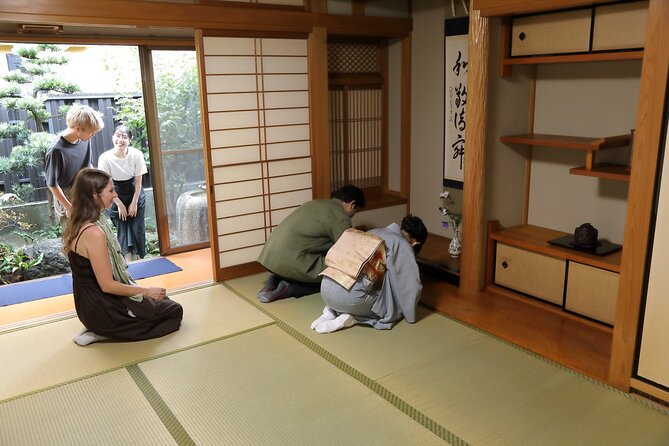
This experience is a great match if you:
- Want a small-group Kyoto activity, not a large crowd
- Enjoy hands-on cooking and food crafts
- Like learning the meaning behind rituals, such as the scroll and tea etiquette
- Want an English-friendly explanation that keeps you engaged the whole time
It is especially appealing for first-timers in Kyoto who want something cultural that feels authentic rather than purely commercial.
You should think twice if:
- You do not take caffeine and do not want matcha
- You are uncomfortable sitting on the floor. You can request chairs, but you have to plan that ahead
For families, there are clear limits. Children aged 8 to 12 can participate with at least one adult. Children aged 7 or under cannot participate. If you are traveling with kids, this helps you avoid disappointment.
Good to Know Before You Go: Weather, Seating, and Comfort
Tea ceremony timing depends on comfort and conditions. The experience includes an outdoor garden walk and entering the tea room when it is not raining. Also, the experience requires good weather. If it is canceled due to poor weather, you will be offered a different date or a full refund.
So pack and plan with that in mind. If you are traveling during a rainy stretch, keep this near the middle of your schedule so you have flexibility.
Then there is the body part, the part people forget. Tatami seating can be fine, but it is not the same as chair seating. Bring socks and wear clothes that let you move comfortably.
And if you have any preference for chairs, tell them during reservation. They can prepare chairs instead of sitting on the tatami floor if you request it.
Should You Book This Kyoto Wagashi Making and Matcha Tea Ceremony?
Yes, if you want a Kyoto experience that is calm, hands-on, and easy to understand in English. The combination of wagashi making, a small-group tea room session, and matcha practice is the kind of package that usually feels worth it even in a city full of choices.
Book it if:
- You are near Fushimi Inari and want a cultural activity that is not stuck in a tourist-only zone
- You want to learn by doing, not just watching
- You like matcha and sweets
Skip it if:
- Caffeine is a hard no for you
- You cannot do floor seating and do not want to arrange a chair option
If you want one Kyoto souvenir that is edible and one that is memorable, this is one of the best ways to do both, in about 90 minutes.
FAQ
What is the duration of the Kyoto tea ceremony experience?
The experience lasts about 1 hour 15 minutes.
What time does the session start?
The start time is 9:45 am.
How big is the group?
The group size is maximum 8 travelers.
What is included in the price?
It includes an English-speaking instructor, all fees and taxes, coffee and/or tea, 2 bowls of matcha, and Japanese traditional confectionaries.
Do I need to bring anything for the room?
Yes. Please bring or wear socks. Bare feet are not allowed in the room. Easy shoes that are simple to take on and off are recommended.
Can I request a chair instead of sitting on tatami?
Yes. It is possible to prepare a chair instead of sitting on the tatami floor if you prefer. You should let them know how many chairs you want when you make a reservation.
Is the experience refundable if the weather is bad?
The experience requires good weather. If it is canceled due to poor weather, you will be offered a different date or a full refund.
Latest write-ups near Kyoto
- Kyoto: Nishiki Market Tour with a Local Foodie & Tastings★ 4.5 · 67 reviews
- Kyoto Kimono Rental mimosa |Kimono/Yukata Rental Couple Plan★ 4.8 · 67 reviews
- Kyoto: Traditional Kimono Fabric Handicrafts Workshop★ 5.0 · 67 reviews
- Kyoto Tea Ceremony and Samurai Photo Session★ 5.0 · 70 reviews
- Kyoto: Replica food making experience★ 4.8 · 70 reviews
- Kyoto: Kinkakuji, Golden Pavilion Guided Tour★ 4.7 · 71 reviews
- Private departure transfer from Kyoto city to Kansai International airport★ 5.0 · 72 reviews
- Uji: Green Tea Tour with Byodoin and Koshoji Temple Visits★ 4.8 · 72 reviews
Wagashi & Mochi Making, compared.
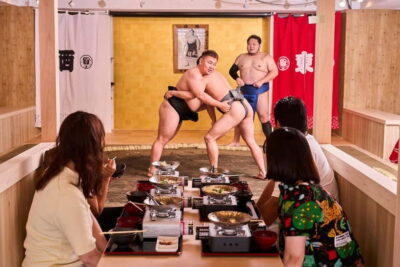
Tokyo Sumo Experience: Chanko & Mochi with a Former Pro
Read our review →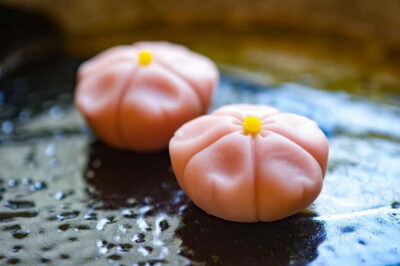
Matcha Making Experience with Mochi Sweets in Asakusa
Read our review →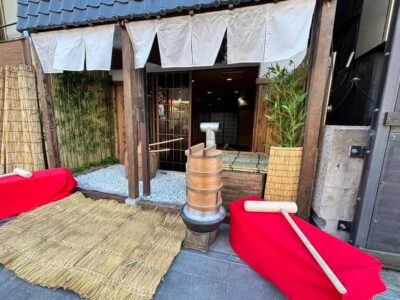
Traditional Mochi Pounding Experience with Tasting
Read our review →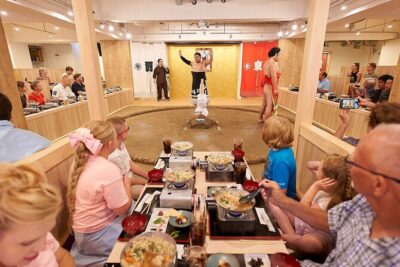
TokyoSumoShow, ChickenHotPot, and Mochi-Pounding by Pro Wrestlers
Read our review →
Private Mochi Sweets Making class near Shibuya area
Read our review →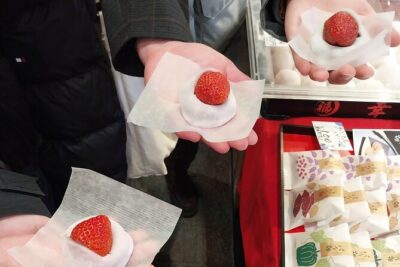
Kyoto Food Tour of 10 Tastings with Wagyu, Mochi & More Surprises
Read our review →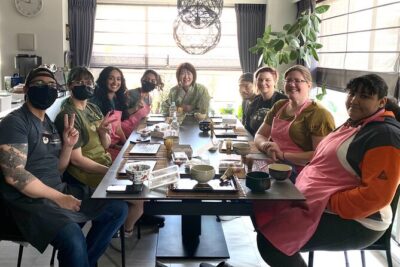
Browse the lists this tour appears in