
Reviewed · WORKSHOPS
Blade Runner photo workshop in Shibuya with Laurence Bouchard
Tokyo at night can feel like sensory overload, which is exactly why this workshop is so interesting. You will walk Shibuya after dark with photographer Laurence Bouchard and learn how to turn neon chaos into Blade Runner style photos.
What I love is the practical focus. You get hands-on help with nighttime camera settings and especially panning, right where the action is at its loudest. I also like that Laurence hunts for angles and side streets that look great on both phone and camera.
One consideration is pacing. This is about 2 hours, so wear comfortable shoes and expect some walking in a crowd, especially around peak areas. If you come during Japanese holidays, lighting and access can be uneven depending on what is going on.
Key things you will do and learn
- Get camera basics for night shooting in a short, street-friendly way
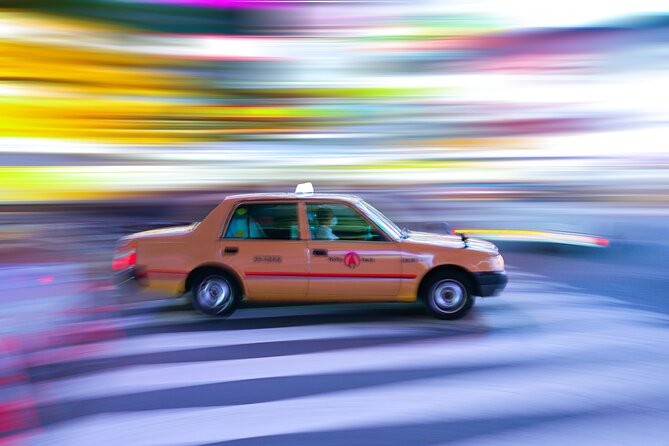
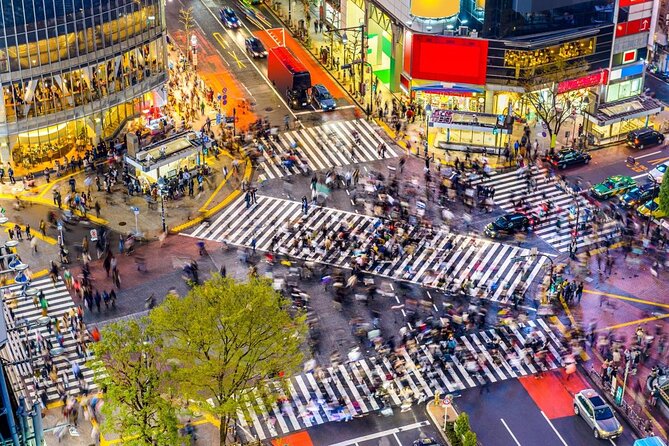
- Practice panning at Shibuya crossing to capture motion blur and sharp subjects
- Shoot Blade Runner style neon frames with composition coaching
- Follow Laurence to lesser-known angles and side streets designed for night photos
- Work in a small group (max 6) so you can actually get guidance
- Learn in a way that fits your gear since coaching can adapt to your camera brand and even phone use
Meeting at Cerulean Tower Tokyu Hotel, and why that matters at night
The workshop starts at 7:30 pm at Cerulean Tower Tokyu Hotel, 26-1 Sakuragaokachō, Shibuya, Tokyo 150-8512. That timing is smart. You are there after sunset, when neon signs glow, and before the night dissolves into pure darkness.
Meeting at a known hotel in Shibuya also makes your life easier. You can show up, find your group fast, and then focus on shooting instead of navigating at night. The location is also described as near public transportation, which helps if you are coming straight from another part of Tokyo.
The group stays small, capped at 6 people. In a place as busy as Shibuya, that small size matters. It keeps the group from turning into a slow-moving knot and gives Laurence room to help you with framing and technique as you go.
Also on the shortlist for Tokyo:
- Mt Fuji and Hakone 1-Day Bus Tour Return by Bullet Train
★ 5.0 · 26,383 reviews - 1-Day Tokyo Bus Tour
★ 5.0 · 14,250 reviews - Tokyo: TOKYO SKYTREE® Admission ticket
★ 4.5 · 11,192 reviews
A quick settings chat, then straight into Shibuya crossing panning
The experience begins with a brief talk about nighttime photography. You will not be stuck in a classroom. Instead, the whole point is to get you ready for what you will shoot next, neon reflections, moving people, and bright signage that changes every second.
Then you head to the world’s busiest crossing in Shibuya. This is where the workshop shifts from theory to a very specific skill: panning shots. Panning is one of the most useful techniques in night street photography because it lets you show movement without making everything a blur mess.
Here is what you can expect Laurence to coach you on in practice, even if you are shooting with a phone. You will work on:
- tracking a subject smoothly while the camera moves
- choosing your timing so the subject lands sharper than the background
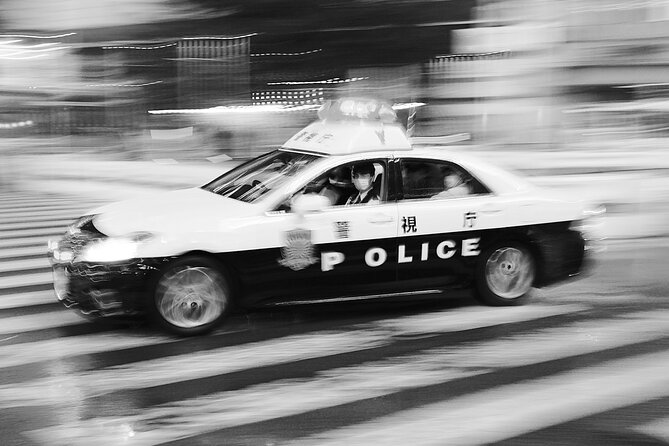
- getting a balance between motion blur and recognizable shapes, especially around lights and traffic
The goal is not just one photo. You are training your muscle memory so your next frame looks intentional.
Also, this is a good reality check. Shibuya crossing is chaotic on purpose. You learn how to simplify the scene, pick one moving element to follow, and ignore everything else screaming for attention.
Blade Runner-inspired locations: neon frames with real street energy
After the crossing, Laurence guides you to cool locations he has discovered over years of shooting Shibuya. The vibe you are aiming for is very clear: strong neon color, dramatic contrast, and a feeling that the city is moving even when your camera is still.
What makes these stops valuable is the way they connect technique to mood. Laurence does not just say, Take a photo here. He helps you figure out how to shoot the location’s strengths: reflections on pavement, signage placement, layered backgrounds, and graphic lines created by architecture and street furniture.
You will also be searching for that Blade Runner look by composition, not by fancy gear. Think in terms of shapes and direction. Use leading lines from storefronts and crossings. Place your subject so the lights frame them. If you get the angles right, Shibuya starts looking like a set, even when it is completely real.
A key benefit is that you are not wandering randomly. You get hidden side streets and unique spots that match what works after dark. That saves you time because you are not trying to guess where the best neon reflections will fall.
How Laurence Bouchard helps you shoot better, whether you use a camera or a phone
Laurence has been photographing the Shibuya streets for over 10 years, and he has been running workshops for a few years. That long local focus is the backbone of why the night shots feel so targeted. He understands where the light will be at 8 pm compared to 10 pm, and which streets produce photo-friendly angles even when the main road is packed.
Just as important, the instruction style can adapt. In the experience details and feedback, people note Laurence is friendly and explains clearly, including when someone is using a phone camera. That matters because nighttime settings can be intimidating when you do not use manual controls.
If you have a dedicated camera, you might be looking for sharper control over the tradeoffs of night shooting. If you are using a phone, you might be focused on getting consistent results and using your scene choices to compensate for limitations.
Either way, you get something practical. Laurence helps you come away with a set of photos that look like you planned them, not like you got lucky with a random snapshot.
A change of pace from Tokyo:
- Tokyo: teamLab Planets TOKYO Digital Art Museum Entry Ticket
★ 4.6 · 9,779 reviews - Mt Fuji & Hakone Cruise, Drum Show Bullet Train 1 Day from Tokyo
★ 4.0 · 7,413 reviews - Tokyo: Sumo Show Experience with Chicken Hot Pot and a Photo
★ 4.8 · 6,678 reviews - Tokyo: Shinjuku Food Tour (13 Dishes at 4 Local Eateries)
★ 5.0 · 6,603 reviews
What the two hours really feels like on the ground
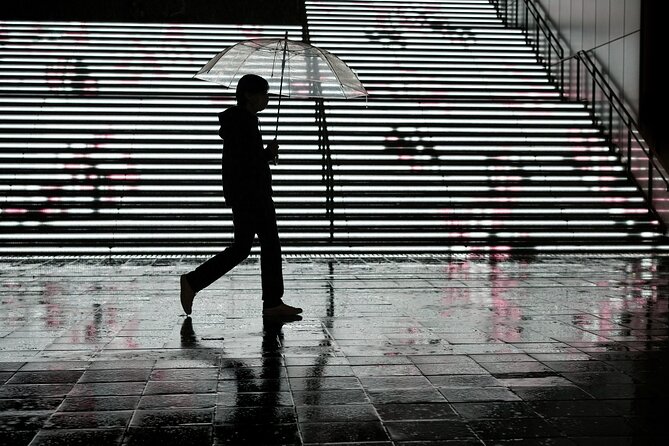
This workshop runs about 2 hours and ends back at the meeting point. That time window is short, but it is designed for results. You are not taking an all-night photo walk. You are doing a focused sprint where you learn one skill deeply, then apply it across multiple photo stops.
Because the group is small, you are more likely to get personal corrections. That can mean quick coaching on how to frame your subject, where to stand so lights create a better background, and how to refine your panning so you get more keepers.
You should also know what you are signing up for physically. The experience calls for a moderate fitness level. In practice that means walking, standing, and moving with a crowd. Shibuya is not a slow stroll zone. You will need to keep your balance and stay aware of others, especially while tracking subjects for panning.
Practical tip: set your expectation that you will take many photos. The workshop is about learning through attempts. If you shoot only a few frames, you will miss the chance to lock in the technique.
Value check: is $97.98 worth it for night street photography in Tokyo?
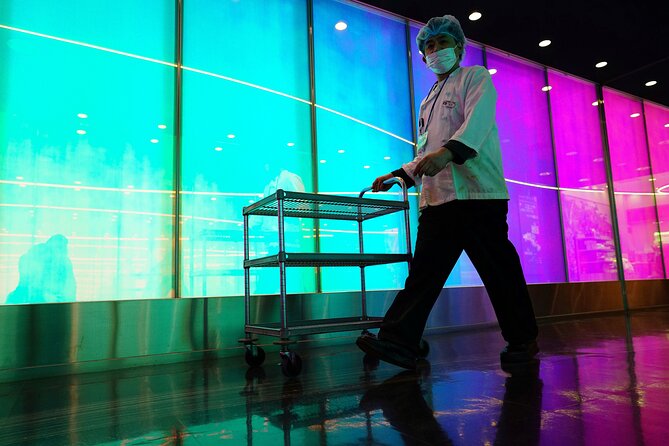
At $97.98 per person for about two hours, this is not a budget activity. But you are paying for something that is hard to replicate on your own: pro coaching plus a guided route to night-suitable spots that are difficult to find when you are unfamiliar with Shibuya.
You also get a small group size, max 6 people. That reduces wait time and increases the chances you get real feedback while you are still out on the street. And since Laurence is an experienced street photographer with years of local shooting, the value is in the decisions, not just in the camera talk.
If your goal is to collect a set of standout night images fast, this kind of workshop can be a strong value. It is especially useful if:
- you know the basics but struggle with night motion and neon
- you want to practice panning without guessing for hours
- you are visiting Tokyo and do not want to spend your limited time wandering blindly after dark
If you already have strong night street skills and love experimenting solo, you might decide you can get similar results by shooting on your own. But even then, a short guided session can sharpen your eye in a single evening, which can make your later free shooting more effective.
Night photography tips you can use the moment you arrive
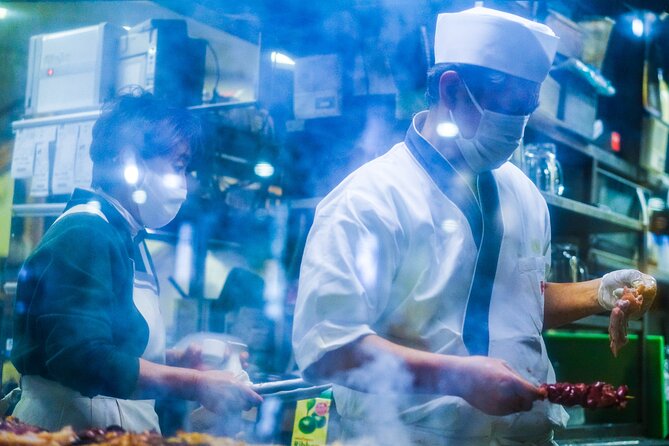
You do not need perfect gear for this. You need smart habits and quick adjustments.
Before you meet, make sure:
- your phone or camera battery is fully charged
- you have enough storage for a night of trial shots
- your camera settings are ready to change quickly, since night lighting can swing fast
Once Laurence starts coaching, here are the habits that typically improve results fast at neon hours:
- choose one subject and follow it, instead of trying to capture the whole street
- frame with the lights, not just the people, so your photo has a clear style
- practice panning in short bursts, then review, then try again
- keep your expectations realistic, in a busy crossing, sharp results are earned through repetition
Also, think about the look you want. Blade Runner style shots usually lean on motion, contrast, and light structure. That means your best images may not be your first few frames.
Planning ahead: crowds, Japanese holidays, and lighting challenges
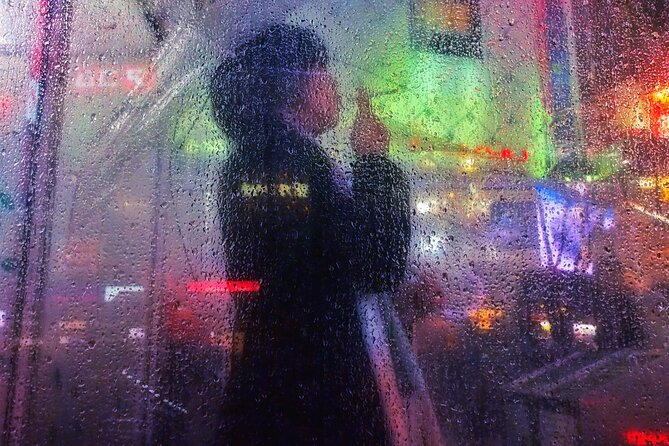
Shibuya at night can be amazing, but it can also be unpredictable. One practical caution is that if you book during Japanese holidays, some locations might be harder to access or not as well lit. That does not mean the workshop is pointless. It just means your results may depend more on what is accessible on the night you go.
If you can choose your date, aim for a regular evening when streets are easier to navigate. If you are locked into holiday dates, still go. Just be flexible about where you end up shooting, and focus on technique at the crossing and the nearby photo-friendly areas.
Weather matters too, but the data here does not give specifics. If rain or mist is in the forecast, you might find extra reflections, which can be helpful for neon shots. Just be careful with your equipment and lens cleanliness.
Who this workshop is best for
This fits a wide range of people because it is not locked to one type of photographer.
It works well if you:
- are an amateur photographer who wants a clear plan for night shots
- have more experience but want feedback on street composition and panning
- want phone guidance, not just camera talk
- like guided walking routes where someone else handles the best angles
It can also be a good family activity in the right situation. One example mentioned an 11-year-old participating successfully with a parent. Still, this is a night street setting in crowds, so you should use common sense about your child’s stamina and attention span.
Should you book this Blade Runner photo workshop in Shibuya?
I think you should book if you want night street photos that look intentional, and you want to learn a skill that actually helps in neon chaos, especially panning. The combination of a local street pro, a small group, and a route built for night photography makes it a solid value for Tokyo.
I would hesitate if you are expecting a long, relaxed walk or a slow, scenic photo tour. This is focused and time-bound. If you hate crowds or struggle with walking at night, it may feel rushed.
In my view, it is a smart way to spend an evening in Shibuya because you leave with both photos and practical technique you can use the next night you shoot on your own.
FAQ
What time does the workshop start?
It starts at 7:30 pm.
Where is the meeting point?
The meeting point is Cerulean Tower Tokyu Hotel, 26-1 Sakuragaokachō, Shibuya, Tokyo 150-8512, Japan.
How long is the workshop?
It lasts about 2 hours.
How many people are in the group?
The maximum group size is 6 travelers.
Is a mobile ticket provided?
Yes, the experience includes a mobile ticket.
Do I need a special camera?
The workshop is about nighttime photography and you will receive guidance, including support that can be adapted to your camera brand. Some participants have used an iPhone, so a phone can work.
Is public transportation convenient for getting there?
The meeting point is listed as near public transportation.
Is free cancellation available?
Yes. Free cancellation is available up to 24 hours in advance for a full refund.
Is the workshop very physical?
It is listed as requiring a moderate physical fitness level, so plan for walking and standing in a night setting.
Latest write-ups near Tokyo
- Tokyo Customized Private Tour: See Top Attractions in 1 Day★ 4.8 · 67 reviews
- From Tokyo: Top 5 Scenic Spots of Mount Fuji Full-Day Tour★ 4.5 · 67 reviews
- Tokyo: Shinjuku Izakaya and Golden Gai Bar Hopping Tour (2h)★ 4.9 · 67 reviews
- Traditional Japanese Music ZAKURO SHOW in Tokyo★ 5.0 · 67 reviews
- Tsukiji: Unlimited Sake Tasting Experience★ 4.9 · 67 reviews
- Samurai Ninja Museum Asakusa: Kid-Friendly Ninja Training★ 4.7 · 67 reviews
- Tokyo: Not a show- a professional sumo practice with experts★ 4.9 · 67 reviews
- Private Harajuku Omotesando Architecture Walking Tour★ 5.0 · 67 reviews
Workshops, compared.
Sushi Making Tokyo Roll and Authentic Japanese Sushi Class
Read our review →

Roll and Authentic Sushi Making Class in Asakusa
Read our review →
Ramen Cooking Class at Ramen Factory in Kyoto
Read our review →
Sushi Making Class in a Happi Coat near a Famous Spot
Read our review →

Sushi Making Osaka Roll and Authentic Japanese Sushi Class
Read our review →Browse the lists this tour appears in