
Reviewed · WORKSHOPS
Fish Cutting workshop in Kyoto Japan
A hands-on fish cutting workshop in Kyoto is interesting because you learn what happens before sushi ever reaches the plate. I like the small group size and I like that you eat the fish you prepared, not just watch. One possible drawback: you will handle knives, so the class asks that kids under 8 skip it.
You meet at Kimura Fresh Fish in Nakagyo, and you get taught basic Japanese fish processing by a historic fishmonger tied to a 400-year market tradition, with 20+ years working in a fish shop. The goal is simple, cut fish into sashimi-ready pieces, then enjoy a lunch made from your own work. If raw fish and knife work are not your thing, this might feel like a lot, but for cooks, it is a great use of time.
Fish Cutting at Kimura Fresh Fish: the hands-on payoff in Kyoto
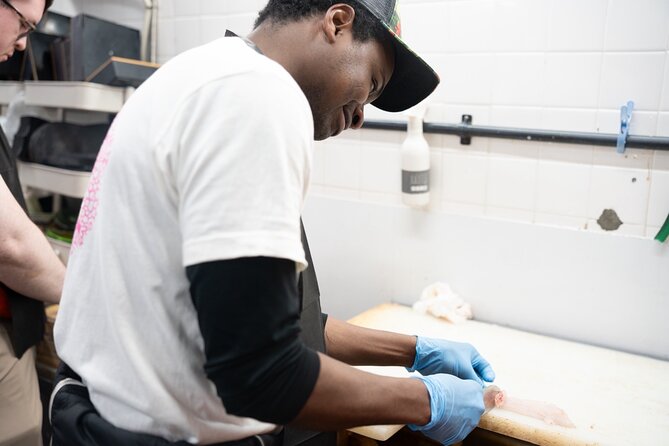
Hands-on cutting, not a demo: you cut fish into three pieces yourself.
Eat what you prepare: lunch is sashimi made from your cuts.
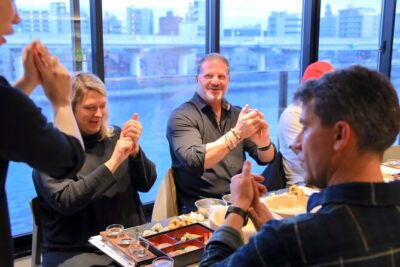
Small group of up to 6: questions come fast, and the instructor can watch your technique.
Step-by-step fish handling: you get taught how to handle the fish first, so beginners can join in.
Knife supervision for safer learning: the teaching is careful when it is your turn.
Market location in Kyoto: you start in an active fish setting, not a classroom.
Meeting at Kimura Fresh Fish, with a small group that keeps things practical
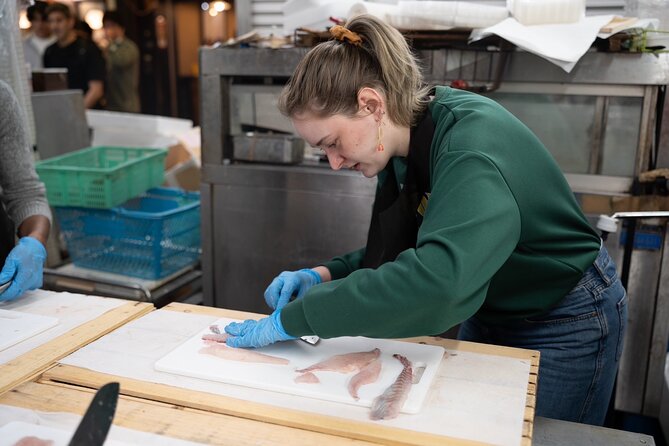
This class starts at 10:00 am at Kimura Fresh Fish in Nakagyo Ward (483 Nakauoyachō). It ends back at the meeting point, so you are not signing up for a long commute day. You should be able to reach it by public transportation since it is described as near public transport, and the ticket is mobile, which makes check-in easier.
The big value here is the group size. With a maximum of 6 travelers, you get real coaching. In a larger class, you might feel like an extra body in the room. Here, you can ask why a blade angle matters, why one cut changes how the fish sets up for sashimi, or how to hold the fish without wrestling it like a stubborn cat.
If you are the kind of person who hates vague instructions, this format helps. Short tasks, direct feedback, and time to try again.
Also on the shortlist for Kyoto:
- PERFECT KYOTO 1-Day Bus Tour
★ 5.0 · 13,518 reviews - Kyoto: Fushimi Inari, Kinkakuji, Bamboo Grove 1 Day Bus Tour
★ 4.8 · 4,316 reviews - Kyoto: Tea Ceremony in a Traditional Tea House in Kiyomizu
★ 4.9 · 3,519 reviews
The 2.5 hour flow: handling fish first, then cutting into your own sashimi pieces
The total time is about 2 hours 30 minutes, long enough to learn, practice, and still sit down to eat. That pacing matters. You are not rushed into cutting, and you are not stuck listening for ages either.
Here is the rhythm you can expect:
First, you learn basic fish handling. This part is not just ceremonial. It is there so you can participate even if you have never handled raw fish before. You will be shown how to handle the fish safely and how to approach the work with care.
Then you move into cutting. You will cut the fish into three pieces yourself. That is a smart learning setup because it forces you to practice more than one cut type, while still keeping the workload manageable in a short class.
Finally, you eat the results. Your lunch is sashimi from the fish you processed. That turns the class from a technique lesson into something concrete you can taste.
Potential drawback to keep in mind: if you are extremely squeamish about raw fish, the idea of doing the work yourself might be harder than watching someone else do it. But if you can handle cooking smells and the sight of fish on a market counter, you should be fine.
Learning from a fishmonger tied to 400 years of market tradition
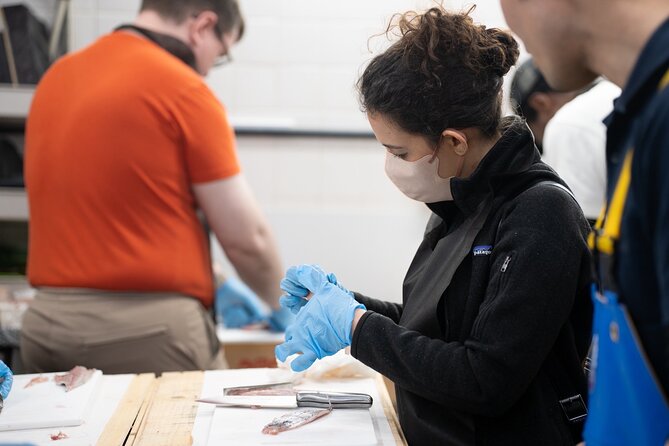
The teaching comes from a historic fishmonger with a connection to a fish shop tradition that spans about 400 years, plus 20+ years working in a fish shop. That mix is useful. You get the practical habit of an experienced professional, and you also hear the “why” that comes from long-term trade knowledge.
From what you are given, the focus is on basic Japanese fish processing techniques, especially the kind that prepares fish for sashimi. You are not learning random kitchen tricks. You are learning how to handle fish in a way that supports good sashimi texture.
And the best part, you get your questions answered right away. With a group capped at 6, you are not waiting your turn while the instructor is busy with someone else.
Knife skills that make sense: what you practice and how the supervision helps
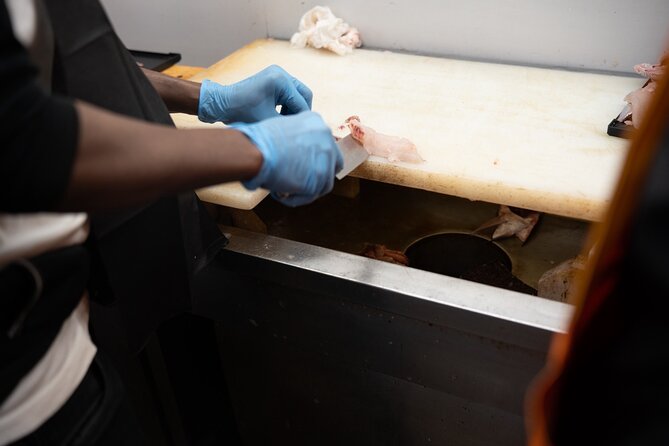
This is the class to book if you want to improve your knife skills in a realistic context. You are not just slicing vegetables and pretending it transfers. Fish has different textures, different resistance, and different priorities. Learning to cut raw fish for sashimi is a skill you can feel immediately in your hands.
When it is your turn, you get careful attention. The teaching style is described as watchful and supportive. That matters because fish cutting is not like chopping onions. Small mistakes show up quickly in the cut shape, and the instructor can help you correct the way you grip the fish or how you position the blade.
You also get a lot of conversation time. The workshop is in a market setting, and the instructors are described as interactive and friendly. Expect a relaxed atmosphere where you can talk about food, fish, and Japanese cooking habits as you work.
One practical consideration: you should be comfortable handling a knife. The class specifically asks you not to bring children under 8 because knives are involved. If you have older kids who are calm with knives and understand basic safety, the listing still sets the age limit, so follow it closely.
A change of pace from Kyoto:
- Kyoto Geisha Walking Tour: Gion District & Hidden Gems
★ 4.7 · 3,273 reviews - Kyoto: Tea Ceremony Ju-An at Jotokuji Temple
★ 4.9 · 3,207 reviews - Kyoto: Gion Magical Night Walking Tour with Geisha Trivia
★ 4.9 · 2,393 reviews - Kyoto: 45-Minute Tea Ceremony Lesson Experience
★ 4.3 · 2,378 reviews
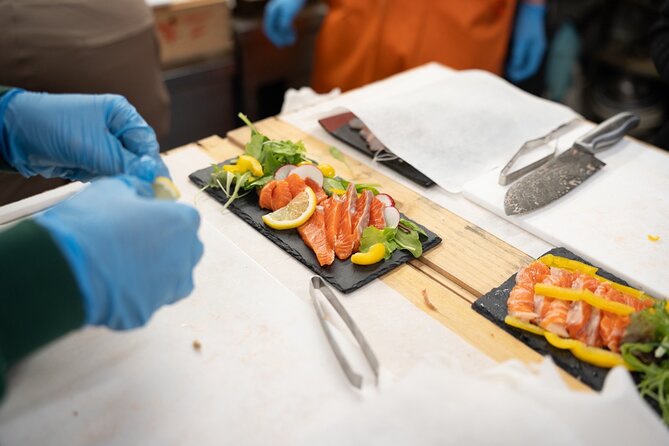
Your sashimi lunch: the best part because you taste your own work
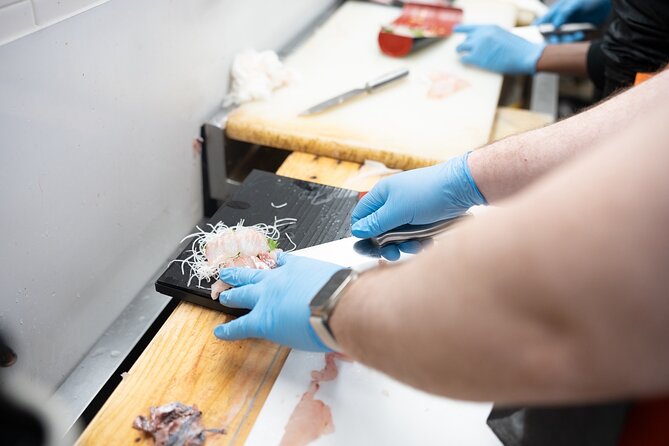
The included lunch is a major reason this workshop is worth it. You are not just practicing cutting technique for the sake of practice. You process fish, and then you eat it as sashimi.
That does two things for your learning:
1) You instantly understand what “good sashimi prep” means in taste and texture.
2) You connect technique to results, so you are more likely to remember the key steps after the class ends.
You should also come hungry, at least in the normal sense. This is described as food you eat after cutting, so plan for a satisfying lunch, not a tiny snack.
Freshness matters here. The experience emphasizes high quality fresh fish. If you are used to eating sashimi in restaurants, this gives you a new baseline. You stop thinking of it as just a menu item and start thinking of it as something made through care, cut choices, and handling.
Price and value in Kyoto: what $98.53 buys you (and what it does not)
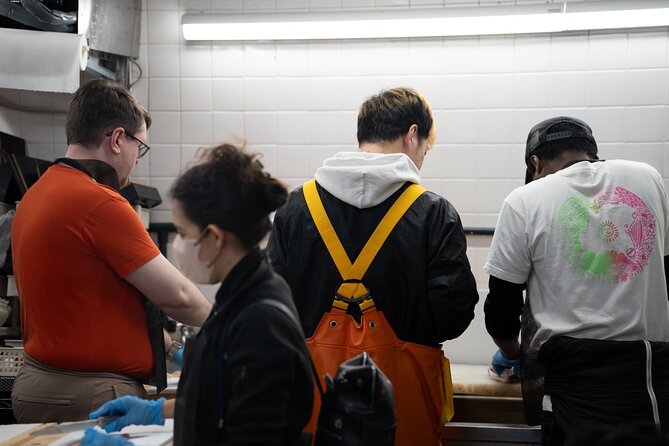
The price is $98.53 per person, and it runs about 2 hours 30 minutes. Lunch is included. That inclusion is not a small detail. In Kyoto, you can easily pay that kind of money for a meal, then still be stuck with nothing learned.
So what are you paying for?
- A small-group, hands-on workshop with step-by-step fish handling teaching
- Supervised knife cutting where you produce pieces yourself
- A lunch that you eat immediately, made from your processed fish
What you are not paying for: private transportation. You are starting and ending at Kimura Fresh Fish, so you need to handle transit on your own. Since it is near public transport, that is usually fine.
Booking tends to happen well ahead. The average booking time is 48 days in advance. That is a clue this class fills up. If you are traveling during peak dates, do not wait until the last minute.
Who should book this fish cutting class, and who should skip it
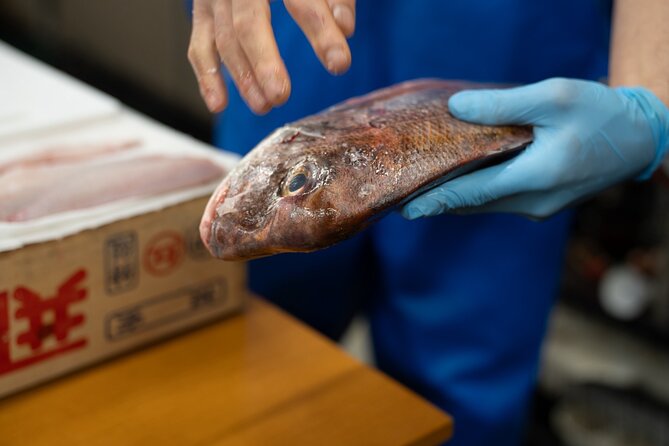
This class fits best if you:
- Like cooking and want to practice real technique, not just hear about it
- Want to improve knife skills in a guided setting
- Enjoy learning how Japanese ingredients and preparation methods work
- Like the idea of making sashimi and then tasting it right away
You might want to skip or choose a different experience if:
- You are uncomfortable with raw fish and handling knives
- You need a totally hands-off experience with zero cutting
- You are traveling with children under 8, since the class asks them to refrain
For couples, it can be a fun shared activity because it is interactive and you both end up eating something you made. For solo travelers, the small group makes it easier to talk and ask questions without feeling lost.
Also, if you already eat sashimi whenever you see it on a menu, this helps you understand what you are tasting. You will likely leave Kyoto with better habits, like how you think about cut shape and preparation.
Quick tips so you get the most from the workshop
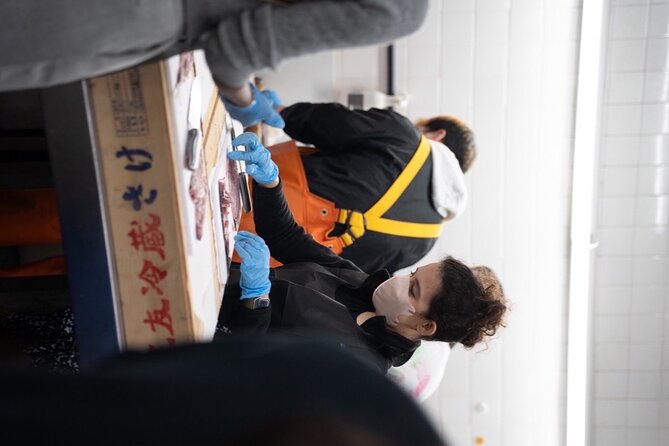
Come ready to work with your hands. Wear something you can move in comfortably. The class involves handling fish and knives, so do not plan to arrive in stiff clothes or shoes you hate.
Bring a basic appetite. You will handle fish, learn the steps, cut pieces, then eat sashimi lunch. Plan the rest of your day around that, so you are not trying to cram dinner plans right afterward.
Finally, ask questions early. The setup is made for questions because the group is small. If you wait until the end, you will miss some chances to correct technique while you still have fish to practice on.
Should you book the Fish Cutting Workshop in Kyoto?
If you want an experience that turns Kyoto food culture into a skill you can taste, book it. The price feels reasonable when you remember lunch is included and you get serious hands-on coaching in a group of up to 6. The highlight is not just cutting fish, it is eating sashimi made from your own cuts, right after.
If you dislike raw fish prep or you are not comfortable with knives, you might feel out of place. But for cooks, curious eaters, and anyone who wants a practical window into Japanese fish processing, this is one of those rare classes where you leave with both technique and a satisfying lunch in your stomach.
FAQ
What is the starting location for the Fish Cutting workshop in Kyoto?
The workshop starts at Kimura Fresh Fish, 483 Nakauoyachō, Nakagyo Ward, Kyoto 604-8125, Japan, and it ends back at the same meeting point.
What time does the class begin?
The start time is 10:00 am.
How long is the experience?
The duration is approximately 2 hours 30 minutes.
How many people are in the group?
The class has a maximum of 6 travelers.
What is included in the price?
Lunch is included.
Does this class require private transportation?
No. Private transportation is not included.
Is there an age limit?
The experience asks that you refrain from children under 8 years old, since they handle knives.
Do I need a printout for the ticket?
No. The workshop uses a mobile ticket.
Can I cancel for a full refund?
Yes, you can cancel for free. To receive a full refund, you must cancel at least 24 hours before the experience’s start time.
Latest write-ups near Kyoto
- Kyoto: Nishiki Market Tour with a Local Foodie & Tastings★ 4.5 · 67 reviews
- Kyoto Kimono Rental mimosa |Kimono/Yukata Rental Couple Plan★ 4.8 · 67 reviews
- Kyoto: Traditional Kimono Fabric Handicrafts Workshop★ 5.0 · 67 reviews
- Kyoto Tea Ceremony and Samurai Photo Session★ 5.0 · 70 reviews
- Kyoto: Replica food making experience★ 4.8 · 70 reviews
- Kyoto: Kinkakuji, Golden Pavilion Guided Tour★ 4.7 · 71 reviews
- Private departure transfer from Kyoto city to Kansai International airport★ 5.0 · 72 reviews
- Uji: Green Tea Tour with Byodoin and Koshoji Temple Visits★ 4.8 · 72 reviews
Workshops, compared.
Sushi Making Tokyo Roll and Authentic Japanese Sushi Class
Read our review →
Roll and Authentic Sushi Making Class in Asakusa
Read our review →
Ramen Cooking Class at Ramen Factory in Kyoto
Read our review →
Sushi Making Class in a Happi Coat near a Famous Spot
Read our review →
Sushi Making Osaka Roll and Authentic Japanese Sushi Class
Read our review →Browse the lists this tour appears in