
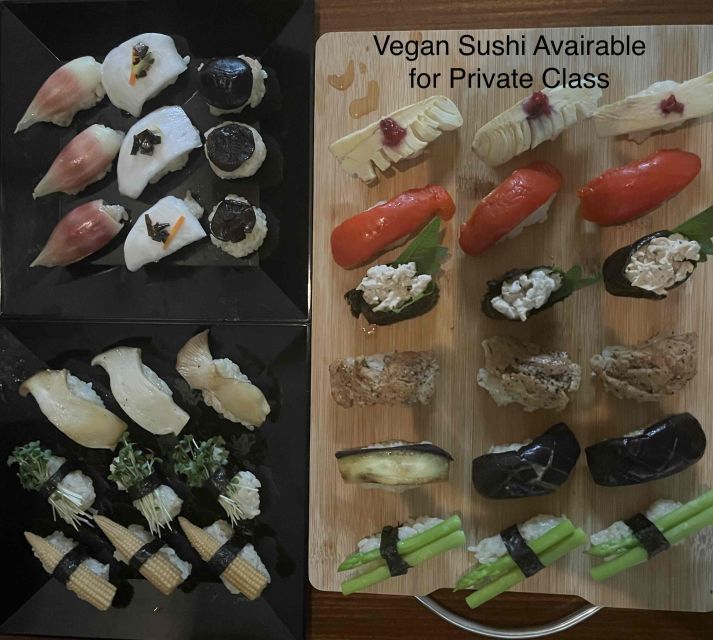
Reviewed · SUSHI MAKING CLASSES
Kyoto: Sushi Making Class with Sushi Chef
Kyoto sushi is craft. This class is interesting because you learn the steps in a real sushi-chef workflow, from sushi rice handling to shaping nigiri, with coaching that keeps things calm and doable. Chefs you may learn from include Hide, Yukihide-san, Yone, Yune, and Nami, so you get the sense you are learning from people who actually do this for a living.
I especially like the fresh fish angle, since the fish is purchased early morning at Kyoto Central Wholesale Market and prepared for you just before class. The other big win is that you get professional help with photos and video, so you can focus on your hands, not your camera. One consideration: the activity is marked as not suitable for people with food allergies, and strong fragrances are not allowed.
Key things that make this Kyoto sushi class worth your time
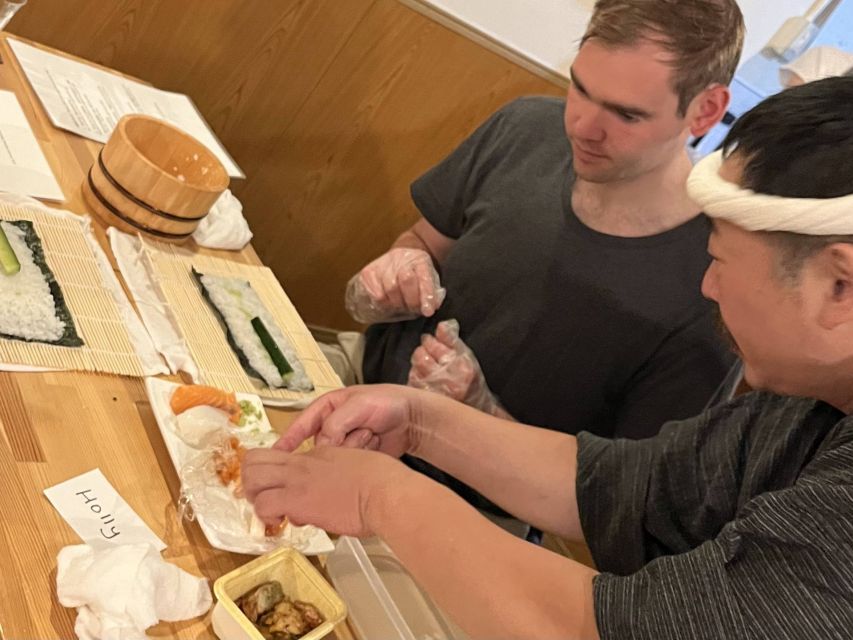
- Fresh fish sourced early morning from Kyoto Central Wholesale Market
- Step-by-step teaching, with practice using a sushi sample toy before real nigiri
- Nigiri plus sushi roll building, using a special tool for the roll
- Photo and video capture during class, then sharing the data after
- Small group size limited to 8, which keeps the attention on you
- You eat what you make, with dashi soup, tea or water included
Why Kyoto sushi making feels different with market-fresh fish
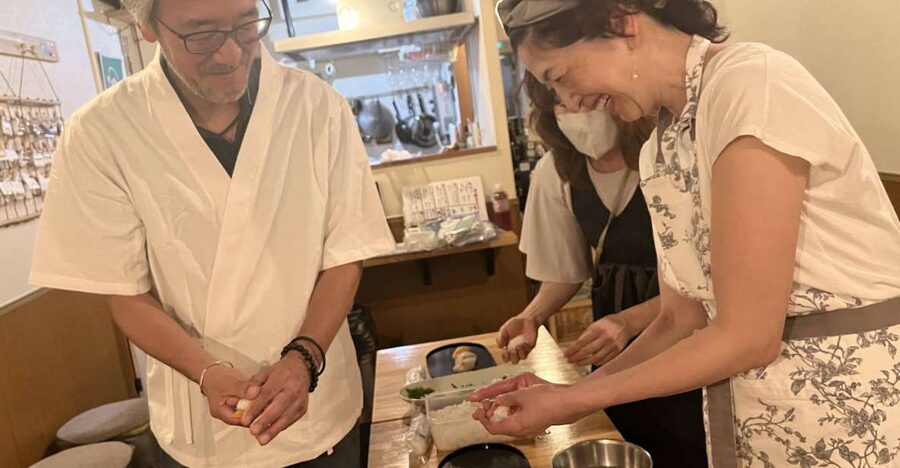
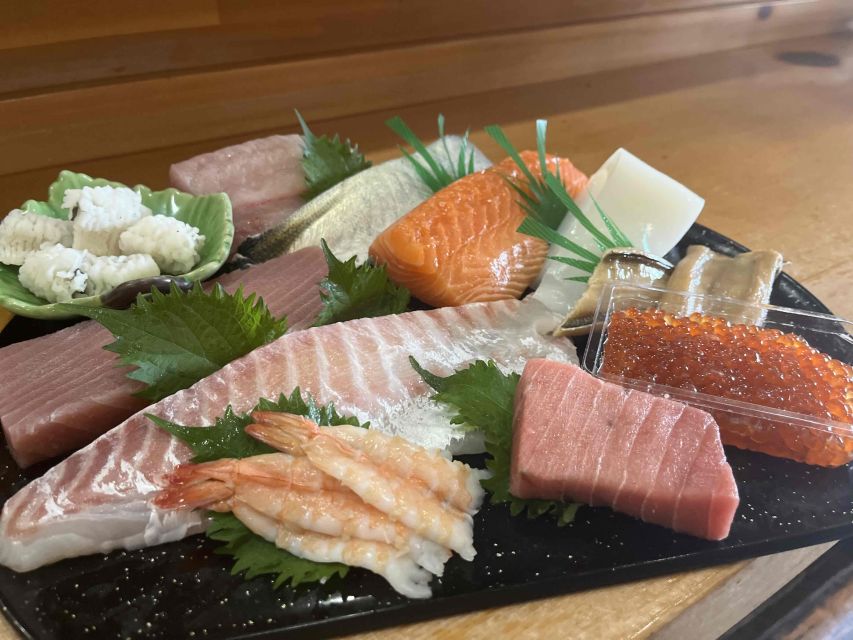
If you have ever watched sushi being made in Japan, you know the magic is not just taste. It is texture, temperature, and timing. This class leans into that reality by using fish purchased early morning at Kyoto Central Wholesale Market. That means you are learning with ingredients that are at their best, not leftovers and not a mystery box.
I also like that the chefs teach the logic, not only the motions. You are shown how and why rice should be handled a certain way, and how the fish and shaping work together. That is the kind of know-how that actually helps you later if you try making sushi at home.
The vibe is practical. You are not standing around for a performance. You are making.
More Sushi Making Classes in Kyoto
- Sushi Making in Kyoto! Same-day bookings welcome!
★ 5.0 · 713 reviews - The Original Small-Group Sushi Making Class in Kyoto
★ 5.0 · 436 reviews - Kyoto: Small-Group Authentic Sushi Making Workshop
★ 5.0 · 137 reviews
The early-morning market fish, and how it changes your class
Here is the part that matters most for value: you do not just learn technique, you learn technique with quality fish. The fish gets bought early in the day, then prepared for you just before class. That short timeline helps explain why so many people rate this experience so highly.
You also get a closer relationship to the ingredients. Even if the class is short, it gives you a sense of how sushi chefs think about freshness and handling. One detail that stood out in the feedback is that chefs talk about the fish they bought and share insights about the knives they use and what those knives are for. That turns a cooking lesson into real culinary context.
Shijo Karasuma meeting point and the small-group setup
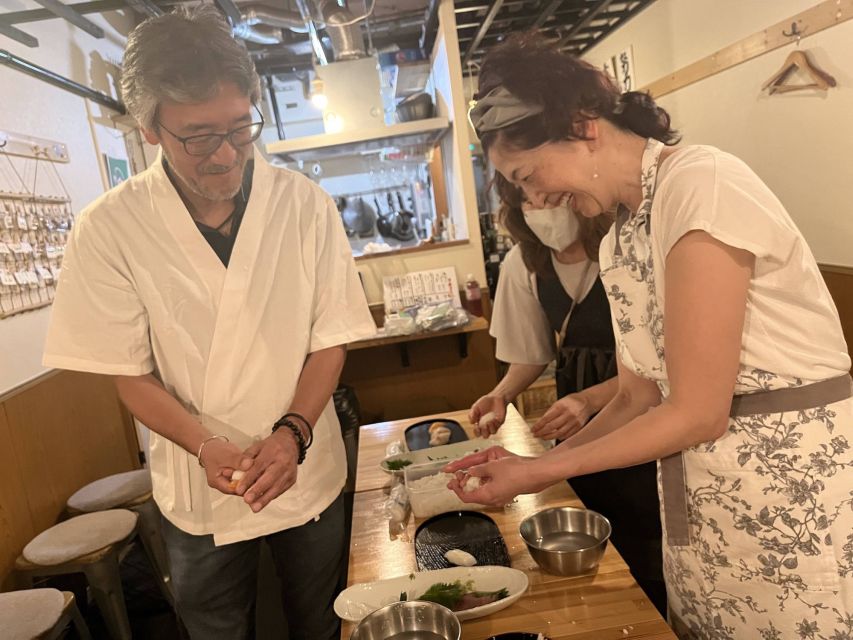
You will meet in one of two venues around Shijo Karasuma. Which venue you get depends on how many people are taking the class. You should expect an email with a Google Maps link, and the team will meet you with a welcome board when it is time.
This matters because the class is limited to 8 participants. A smaller group changes how the instruction feels. You can ask questions, you get corrections while you are working, and you do not lose time waiting for a turn.
One more practical point: the class is taught in English and Japanese. If you want to follow along closely, this is a solid mix. If you are traveling with kids, the pace is also designed to be step-by-step, so it is not only for adults.
The 90 minutes to 3 hours flow: practice first, then real nigiri, then rolls
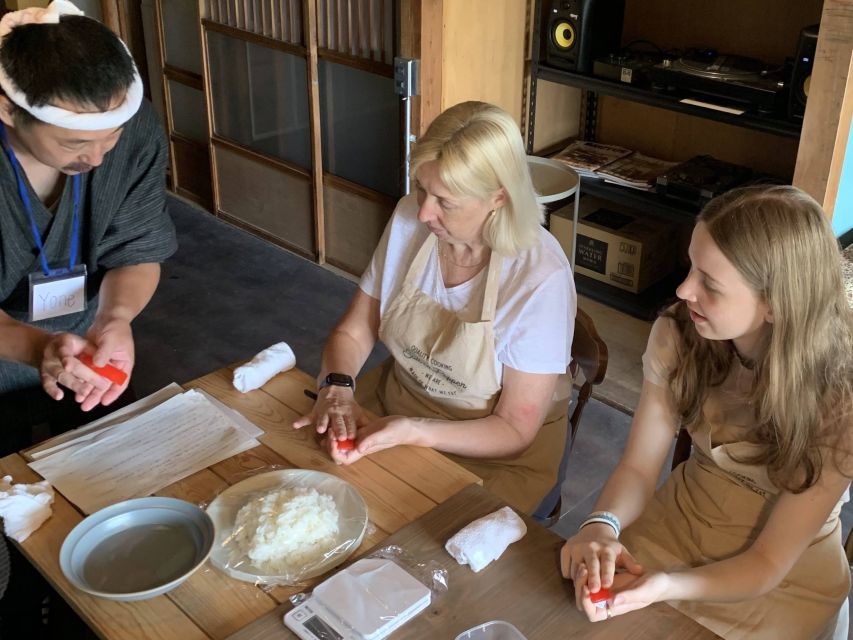
The class runs from about 90 minutes to 3 hours depending on timing and group flow. You will move through several clear stages, and each stage prepares you for the next. Think of it like learning to drive: first you get comfortable with the controls, then you start making actual turns.
A change of pace from Kyoto:
- PERFECT KYOTO 1-Day Bus Tour
★ 5.0 · 13,518 reviews - Kyoto: Fushimi Inari, Kinkakuji, Bamboo Grove 1 Day Bus Tour
★ 4.8 · 4,316 reviews - Kyoto: Tea Ceremony in a Traditional Tea House in Kiyomizu
★ 4.9 · 3,519 reviews - Kyoto Geisha Walking Tour: Gion District & Hidden Gems
★ 4.7 · 3,273 reviews
1) Sushi sample toy practice: getting your hands steady
You start by practicing with a sushi sample toy. This sounds simple, but it solves a real problem. Shaping nigiri is not hard because it is mysterious, it is hard because hands need to learn pressure, consistency, and placement.
By practicing first, you go into real nigiri with less panic. And for families, it helps kids join without feeling like they are doing something too fragile or too complicated right away.
2) Nigiri sushi: the main technique block
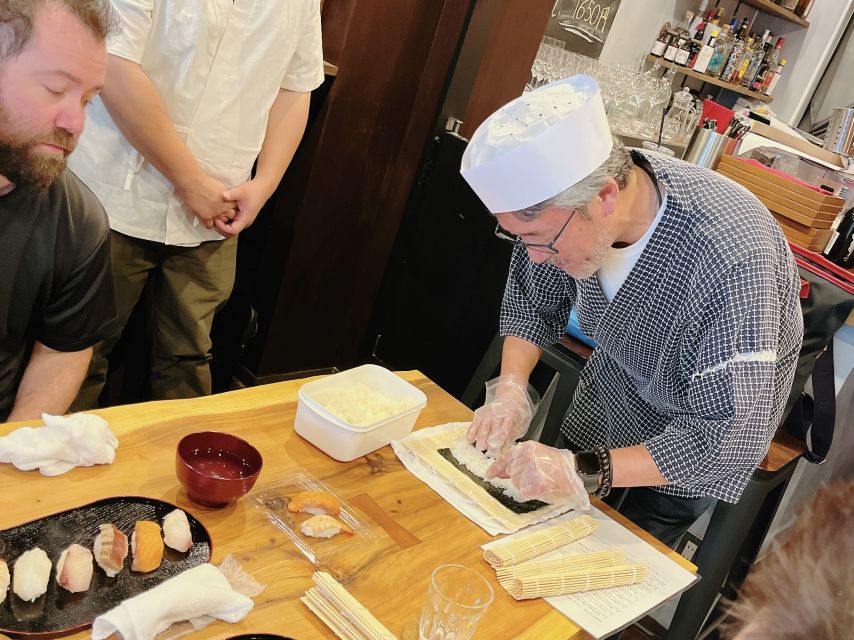
After you feel comfortable, you move on to making real nigiri sushi. You work with the chef’s step-by-step guidance, so you are not left guessing how much rice to use or how to position fish.
This is also where the class teaches discipline. Sushi is not about piling things on top. It is about balance, alignment, and a clean shape that holds together.
3) Sushi rolls with a special tool
Next comes sushi roll making, using a special tool. The tool helps you get a tighter roll faster, and it reduces the “why is mine falling apart” stress that happens in DIY sushi attempts.
You will learn how to build and shape the roll, not just roll it. That distinction matters if you want the roll to look neat and slice well.
4) Decorate and plate, then eat
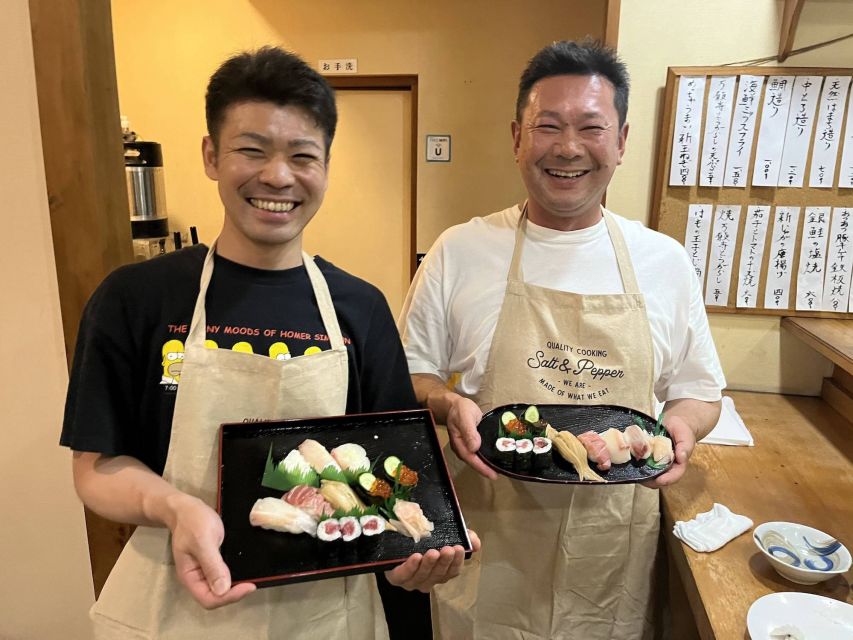
Finally, you decorate your sushi on the sushi plate. This is the moment where your work becomes lunch, not homework. Then you eat everything you made, plus you get Japanese-style dashi soup, along with tea or water.
Some classes include a venue detail that makes the break feel special. In one case, the setting was described as cozy with a view of the river. Even if your venue differs, the key is that you end by eating in the same session, so you get feedback through taste immediately.
The real value: you learn etiquette, not just assembly
Sushi chefs do not only train cooking technique. They also train the way you eat and behave at a sushi counter. The feedback from past students includes the idea that instructors cover dining etiquette, which is a big deal if you plan to visit sushi restaurants in Kyoto after this class.
What this means for you: you will likely feel more confident ordering and eating sushi without second-guessing yourself. You will also have a better understanding of why certain actions matter, like how you hold and dip sushi.
Even if you never become a sushi chef, etiquette knowledge improves your restaurant experience immediately.
Price and value: what $74 buys you in Kyoto terms
At $74 per person, you are paying for more than a cooking activity. You are paying for:
- Professional chef instruction (in a small group)
- Market-fresh fish sourced early morning
- Hands-on time making nigiri and rolls
- Lunch from what you create
- Dashi soup plus tea or water
- Photo and video service, with data shared after class
For Kyoto, that price can feel fair because sushi quality and chef time are not cheap. If you compare it to trying to buy sushi ingredients on your own, most people spend a similar amount but end up with less guidance and less confidence.
Also, the photo/video service is a quiet value add. You get memories without turning the class into a selfie project. You can simply cook and enjoy.
What to expect on your hands, your schedule, and your senses
Timing that actually works on a trip
The session length is flexible: 90 minutes to 3 hours. That range helps it fit into sightseeing days. You are not committing to a half-day cooking bootcamp.
Smell and comfort rules
Strong fragrances are not allowed. This is practical in a cooking classroom, especially around raw fish prep. If you use perfume or strongly scented lotion, it is worth keeping it light for this day.
Food allergies: a real caution
The activity says it is not suitable for people with food allergies. At least one past participant did report gluten free being handled without trouble, but the official guidance still flags allergies as a concern. If you have any allergy, treat it as a must-check item with the provider before booking.
Photo, video, and the meal you actually want to eat
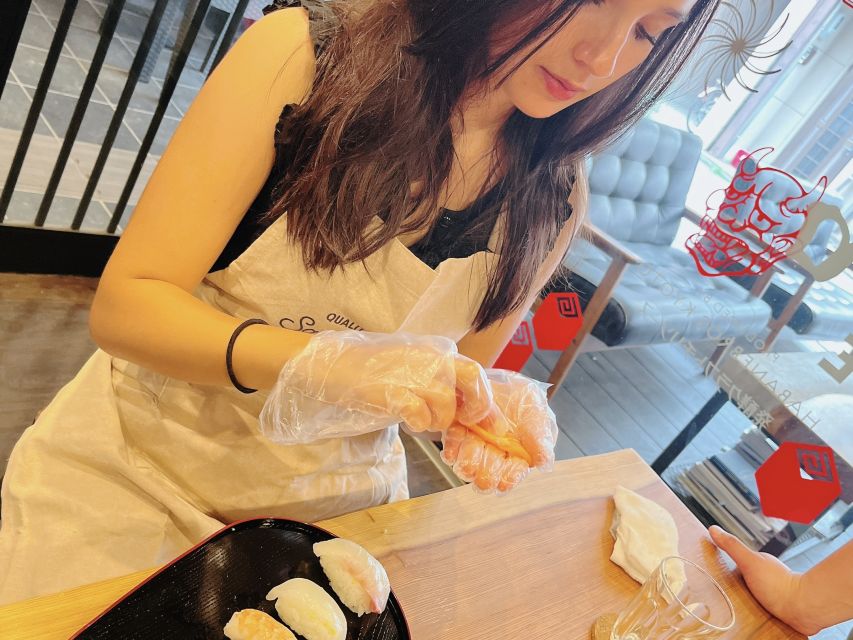
One of the nicest “day-off” perks is that someone takes photos and videos during the class. Then they share the data after the experience. That is good travel design. You are in Kyoto, you want content, but you also want to enjoy the moment without rushing.
When you finish making your sushi, you eat it as a lunch. You also get Japanese-style dashi soup, plus tea or water. That makes the class a self-contained experience, not something you do before you go chase food elsewhere.
Who this Kyoto sushi-making class suits best
This is a strong match for:
- Couples and small families who want a hands-on Kyoto experience
- Foodies who like learning technique, not just taste testing
- Travelers who plan to visit sushi restaurants afterward and want etiquette basics
- Anyone who appreciates small group attention (max 8)
It may be a tougher fit if:
- You have food allergies (officially listed as not suitable)
- You want a highly casual, no-instruction experience, since the class is structured and chef-led
Should you book this Kyoto Sushi Making Class?
Yes, if you want a compact Kyoto food experience that gives you both technique and lunch, and you like the idea of learning with market-fresh fish. The small group size, chef step-by-step coaching, and the included photo/video service make it feel more like a tailored lesson than a generic tourist demo.
Hold off or ask extra questions if you have food allergies, since the activity is explicitly not suitable for that. If you are all good on ingredients, this is the kind of class you will remember later, because you can apply it at home and you will understand what you are tasting when you eat sushi out in Kyoto.
FAQ
Where is the meeting point for the Kyoto sushi making class?
You meet at one of two venues around Shijo Karasuma. The provider chooses the venue based on the number of participants and emails you a Google Maps link. When it is time to start, they will show up with a welcome board.
How long does the sushi making class take?
The class runs for about 90 minutes to 3 hours. Exact start times depend on availability.
How many people are in the class?
It is a small group with a maximum of 8 participants.
What languages are used during instruction?
The instructor teaches in English and Japanese.
What sushi do you make during the class?
You practice first, then you make nigiri sushi. After that, you make sushi rolls using a special tool, and finally you decorate your sushi on a plate.
Is food included, and what do you eat?
Yes. After making the sushi, you eat it for lunch. You also get Japanese-style dashi soup and tea or water.
Are photos and videos provided?
Yes. The team takes photos and videos during the class and shares the data after the experience.
Is it suitable if I have food allergies?
The activity lists that it is not suitable for people with food allergies. If you have allergies, you should treat this as a key question before booking.
Is there a cancellation option if my plans change?
There is free cancellation up to 2 days in advance for a full refund.
Latest write-ups near Kyoto
- Kyoto Private Tour Full Day with Local Guide&Nara Option(PerGroup★ 5.0 · 20 reviews
- Sacred Pathways: Discover the Philosopher’s Path of Kyoto★ 4.9 · 20 reviews
- Kyoto UNESCO World Heritage Site Private Tour with a Premium Van★ 5.0 · 20 reviews
- Hammer Pattering Experience of Ring★ 5.0 · 20 reviews
- KYOTO: Private Tea Ceremony in Hidden Townhouse (Kid-Friendly)★ 5.0 · 20 reviews
- Sushi or Traditional Japanese Cuisine in a Kyoto Home with Emika★ 5.0 · 20 reviews
- The Kyoto VIP Experience!★ 5.0 · 20 reviews
- Kyoto Customized Private Tour: See Top Attractions in 1 Day★ 4.7 · 20 reviews
Sushi Making Classes, compared.
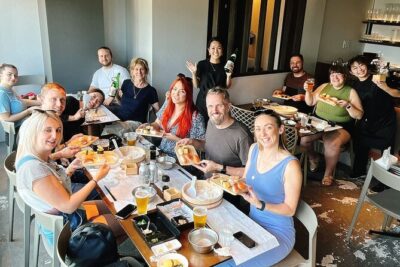
Sushi Making Tokyo Roll and Authentic Japanese Sushi Class
Read our review →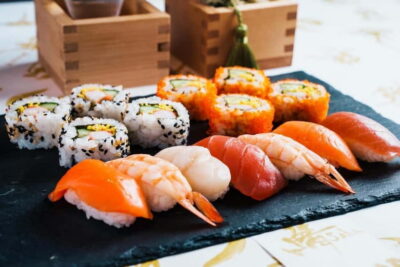
Roll and Authentic Sushi Making Class in Asakusa
Read our review →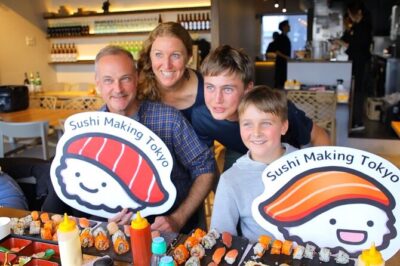
Make Sushi and Create Unforgettable Memories in Tokyo
Read our review →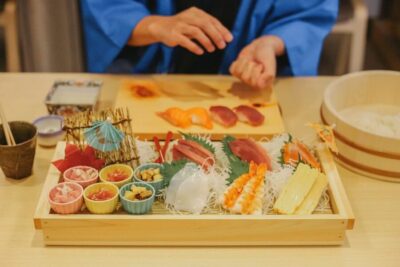
Sushi Making Class in a Happi Coat near a Famous Spot
Read our review →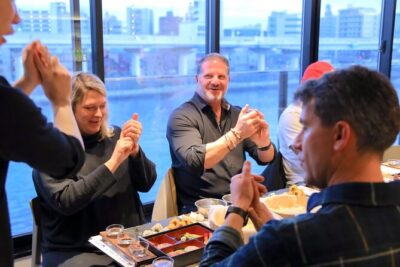
Sushi Making Osaka Roll and Authentic Japanese Sushi Class
Read our review →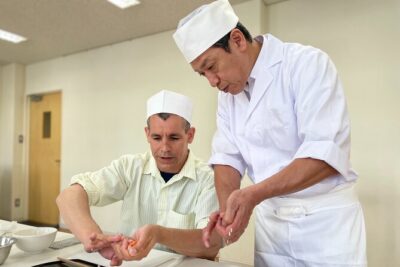
Tokyo Sushi Making Class in Tsukiji with Professional Chef
Read our review →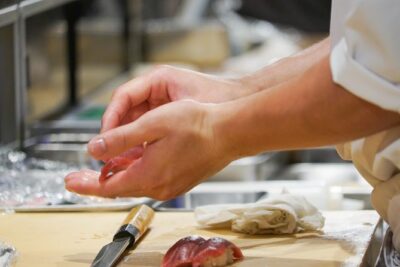
Tokyo Night Foodie Tour in Shinjuku – Seasonal Sushi, Wagyu Beef
Read our review →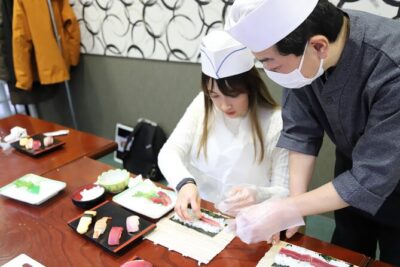
Tsukiji Fish Market Guided Tour and Sushi Making with Pro Chef
Read our review →Browse the lists this tour appears in