
Reviewed · TEA CEREMONIES
Kyoto Tea Ceremony & Kiyomizu-dera Temple Walking Tour
Kyoto tours can be either a map sprint or a temple lecture. This one is a calm, guided walk that strings together Kiyomizu-dera, the Otowa Waterfall, and a traditional tea ceremony, all in about three hours.
I especially like the way the guide keeps you moving with purpose, not just walking in circles. You get a small-group feel (maximum 6), and the tour adds handy context like how to read the temple experience and what you are looking at when you reach the wooden stage.
One thing to consider is the pace. This area has slopes and steps, and summer in Kyoto is hot and humid, so you will want comfortable shoes and a water plan.
Key highlights worth your attention
- Small-group size (up to 6) keeps the stops relaxed and photo-friendly
- UNESCO Kiyomizu-dera plus the iconic view from the wooden stage
- Otowa Waterfall visit with the three-stream tradition for good luck
- Kiyomizuzaka streets with old-school shops and temple sights along the way
- Tea ceremony with matcha plus a few snack samplings
- Guided photos and explanations so you do not lose time figuring out what matters
Starting at Yasaka Jinja, and why this launch point works
The tour meets at the Yasaka Jinja Nishiromon Gate (Western Tower Gate). It is a strong starting spot because you are already in the heart of Higashiyama, close to the streets that feel like old Kyoto rather than a modern grid.
This is also the point where the guide sets expectations. Instead of you guessing where to stand, what to look for, or what order things make sense, you get a simple plan for the morning. That matters a lot if it is your first day in Kyoto, because your brain is already juggling transit, crowds, and signage.
More Tea Ceremonies in Kyoto
- Kyoto: Tea Ceremony in a Traditional Tea House in Kiyomizu
★ 4.9 · 3,519 reviews - Kyoto: Tea Ceremony Ju-An at Jotokuji Temple
★ 4.9 · 3,207 reviews - Kyoto: 45-Minute Tea Ceremony Lesson Experience
★ 4.3 · 2,378 reviews
Kiyomizuzaka lanes and Yasakakoshindo, a street stroll with meaning
After the initial meet and a quick chance for photos, you head into Kiyomizuzaka. This is the kind of Kyoto street where the atmosphere does some of the work for you: small shops, traditional sweets, and snack stalls that match the temple vibe up ahead.
You also get a brief stop at Yasakakoshindo, described as one of Kyoto’s colorful temple sites in this area. This is not about collecting another stamp. It is a nice pause that helps you understand the religious landscape around Kiyomizu-dera, so the main stop hits harder once you get there.
A small practical plus here is flow. The guide keeps the walking steady, so you are not stuck behind people stopping every five seconds just to take a photo. That is especially helpful on a narrow, famous slope.
Kiyomizu-dera, UNESCO at the top of the hill
Kiyomizu-dera is the star of the day, and you do not just pass it from the outside. You reach the temple and spend real time on the grounds with a guide explaining what you are seeing.
This temple is tied directly to Otowa Waterfall, and it dates to about 1,200 years ago on that original site. Even if you have visited temples in other cities, you will notice how this one is structured around views, worship, and the dramatic wooden stage.
The stage is 13 meters above the ground, which sounds abstract until you stand near it. From there, you can look out toward Kyoto and the surrounding trees, and the guide also points out where the big perspective lines are, so you do not waste time hunting for the best angles.
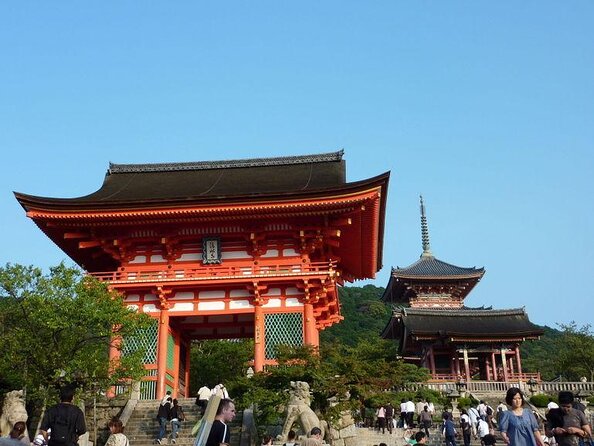
And yes, it is visually striking. You get a classic view that includes the temple gate area and structures up near the top of the hill, including the Niomon Gate and a three-story pagoda.
Otowa Waterfall prayers, the three streams, and the easy way to join in
One of the tour’s best moments is the visit to Otowa Waterfall. The idea is simple but memorable: the water is divided into three streams, and each stream is associated with different benefits. You use a cup attached to a long pole and choose one stream to drink.
The guide frames it as joining in respectfully, not turning it into a performance. That is exactly the balance you want on a cultural stop. You can participate without rushing, and you still get the story behind the tradition.
This part also slows the tour down in a good way. After the walking and the temple climb, the waterfall moment feels like a reset. It is one of those stops that you remember long after you forget the exact details of a brochure.
More Temple & Shrine Tours in Kyoto
- Kyoto: Fushimi Inari, Kinkakuji, Bamboo Grove 1 Day Bus Tour
★ 4.8 · 4,316 reviews - Osaka/Kyoto:Kinkakuji,Arashiyama,FushimiInariShrine,NaraPark
★ 4.1 · 1,596 reviews - Arashiyama Bamboo, Temple, Monkeys, or Secret Sake Brewery
★ 4.8 · 886 reviews - Kyoto: Arashiyama Bamboo Forest, Monkeys, Matcha & Temple Tour
★ 5.0 · 759 reviews
Kiyomizu-zaka and Sannenzaka Ninenzaka, finishing with a slope story
On the way back, you pass by Kiyomizu-zaka near the temple. The route is described as a roughly 1 km pilgrimage path beginning where Matsubara-dori crosses Higashioji-dori. It is quiet in some stretches, and busier closer to shops around Gojozaka and Sannenzaka.
You also move through Sannenzaka and Ninenzaka, where the street itself becomes the lesson. The name Sannenzaka is connected (in local lore) to the Daido era, around 808, when that slope was opened. Then you get the famous cautionary legend tied to what happens if someone falls on the slope, often explained as life shortened by three years.
The useful part is how the guide uses the story. It becomes practical advice to watch your footing, especially on days when stone steps can feel slick or crowded. It also gives the street a personality beyond souvenir shopping.
The tea ceremony and matcha, calm formality after the temple rush
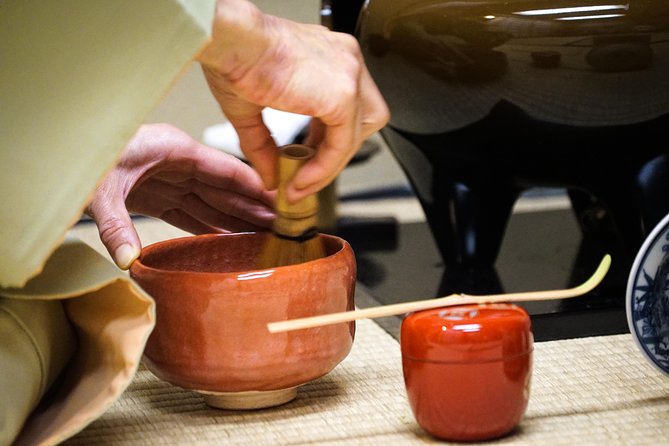
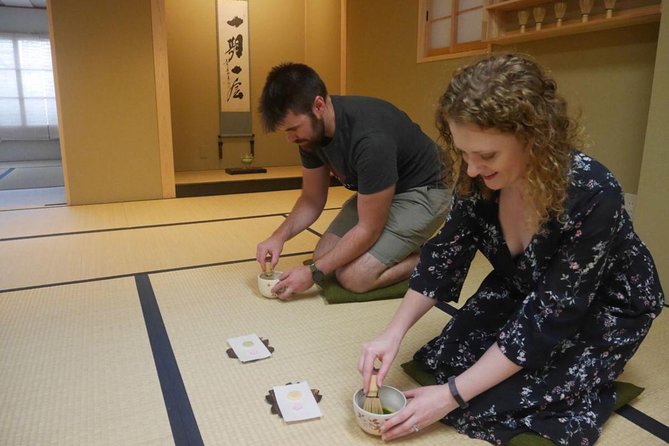
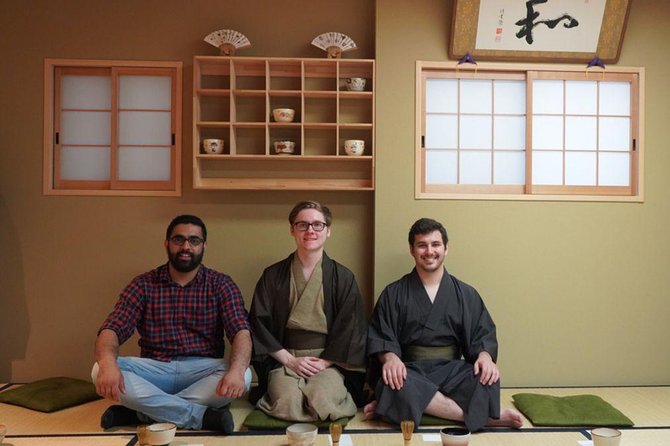
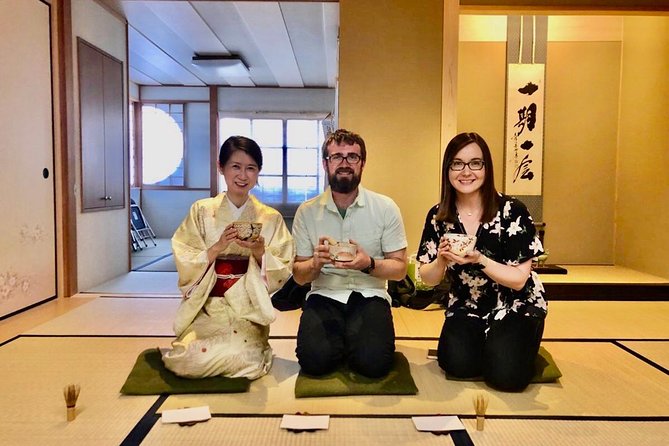
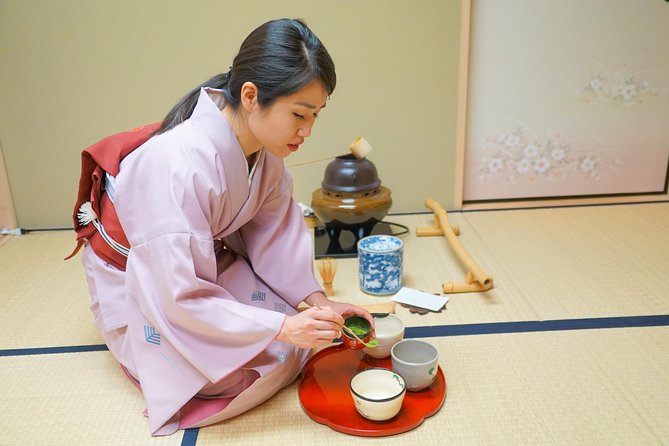
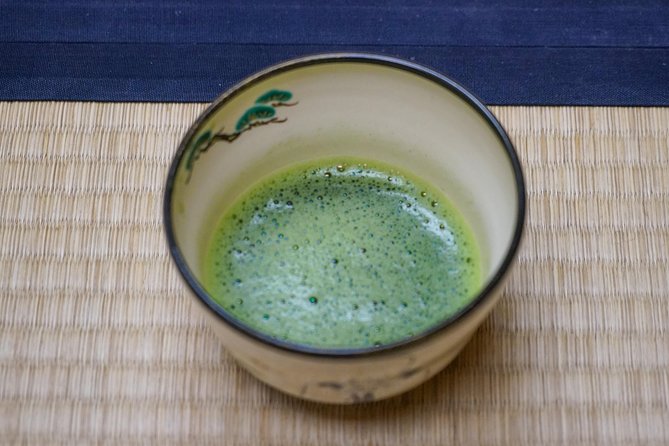
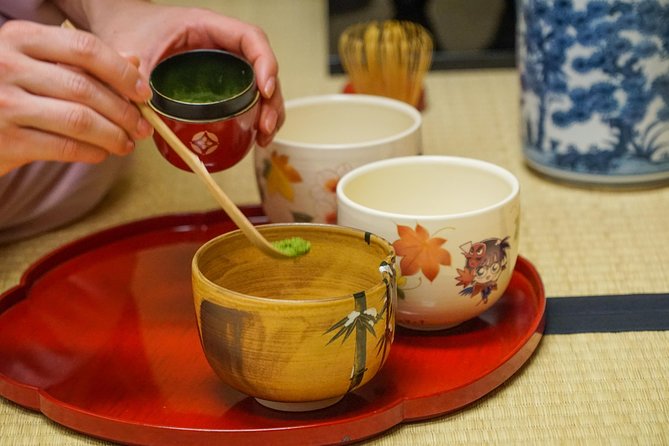
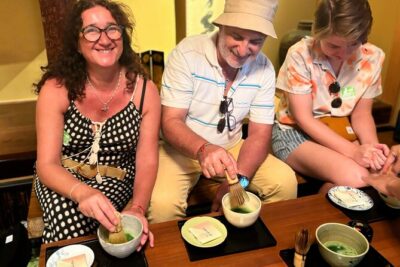
After the sightseeing, you get the cultural payoff: a traditional tea ceremony experience with matcha (green tea). This is not a quick sip on the sidewalk. It is structured, formal, and paced so you can actually pay attention.
In the small-group setting, it feels personal. One guide name you might hear from the tour is Hide, who is described as friendly and fun while still explaining the big picture of Shinto and Buddhist traditions. When it is time for the tea, a tea host named Haruki is also mentioned as entertaining and sweet, which helps the ceremony feel welcoming instead of stiff.
If you like “do, then understand,” this stop hits well. You watch how the ritual works, you participate in the experience, and you get a sense of why these gestures matter in Japanese culture. The calming contrast to the temple climb is real, and you leave feeling quietly satisfied, not just tired.
You also get snacks as part of the tour. The tour data says a few snack samplings are included, and it also notes that additional food or drinks are not included. That means you can focus on the ceremony and not spend the whole time searching for where to eat next.
How the guided photos and walking structure actually help
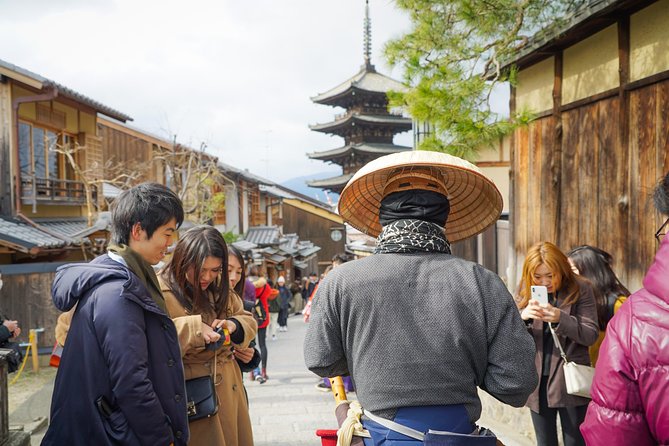
I like tours that prevent small frustrations. This one includes photos during the tour, and the guide prompts picture moments so you are not awkwardly stopping every 10 seconds to ask a stranger.
The guided approach also helps with one of Kyoto’s biggest challenges, which is that famous sites can be obvious, but the best ways to move around them are not. With a guide, you do not need to study a map mid-walk, and you avoid the common problem of arriving at a viewpoint too early or too late in the day when your angles are off.
And because the group is capped at 6, the pacing feels human. It is not a herd, so you can ask questions when something catches your interest. If your travel style includes learning a few clear facts and then letting the rest sink in, this kind of structure fits well.
Price and value: what you are paying for at $109.39
At about $109.39 per person for roughly three hours, you are paying for more than entry into one temple. Your money covers Kiyomizu-dera entrance, the tea ceremony, included snacks, and guided time with a Kyoto local.
Here is the value logic I use: if you tried to do this solo, you would likely spend time figuring out transit, where to start, what order to visit, and how to handle the tea ceremony. Even if you did not pay for a guided tea experience, you would still spend time planning. This tour bundles those planning headaches into one set route, and the guide adds context that you normally have to find later.
The small-group cap and included snacks also push it into “reasonable value” territory for a guided culture experience. If you want a hands-on cultural stop plus a clear temple walk in one package, this price feels aligned with that goal.
One note: the tour data says it is often booked about 30 days in advance on average. That tells me it is a popular match for first-time Kyoto visitors, so booking ahead is smart if you have fixed dates.
Practical tips you will thank yourself for
A few practical things will make this tour better from minute one.
Wear shoes with grip. You are walking a slope, reaching temple areas on uneven stone, and passing through famous stair streets like Sannenzaka and Ninenzaka. This is not the moment for flimsy sneakers or fashion sandals.
Bring water and a hat in summer. The tour explicitly warns that Japan summers are very hot and humid, and heat stroke is a real risk if you underestimate the weather. Your best move is to show up hydrated and not rely on finding a drink only when you feel thirsty.
If you have dietary needs, plan carefully. The tour states they cannot guarantee allergy-free service or cater to dietary restrictions because food is prepared in kitchens not controlled by the tour operator. They may substitute at some stops, but substitutions are not guaranteed. If you are sensitive, you should treat the included snacks as uncertain and plan accordingly.
Also double-check who can join. Children under 6 are not allowed on this tour, and the tour says most travelers can participate.
Who should book, and who might want a different format
This tour is ideal if you want a first taste of Kyoto culture without building a whole itinerary. You get temple time, a specific UNESCO site, a guided walk through the iconic streets, and a tea ceremony all in one half-day block.
It is also a good fit if you like explanations that are practical. The guide, including names like Hide, is described as covering both Shinto and Buddhist perspectives, and that helps you make sense of what you are looking at instead of treating every shrine sign as mystery text.
Skip this tour, or consider something more flexible, if you do not like walking slopes. The Kiyomizuzaka and Sannenzaka areas are famous for a reason, and that reason is that the streets are steep and stair-heavy. If your mobility is limited, you may prefer a driving or shorter-stops style tour.
Should you book the Kyoto Tea Ceremony and Kiyomizu-dera Walking Tour?
If you want UNESCO Kiyomizu-dera, the Otowa Waterfall tradition, and a real tea ceremony experience, this is a strong pick. The small-group size, included entrance, and guided pacing make it easier to do the right things at the right moments without turning your day into logistics math.
Book it if you are the type who enjoys a clear route plus cultural context, and you want to leave Kyoto feeling like you actually learned something, not just collected photos. Pass on it if walking steep temple streets will wear you out, or if you have allergies and need guaranteed dietary accommodation.
If your goal is a compact, meaningful Kyoto day in about three hours, this tour hits that target nicely.
FAQ
How long is the Kyoto Tea Ceremony & Kiyomizu-dera Temple Walking Tour?
It lasts about 3 hours.
Where does the tour start, and what time does it begin?
The meeting point is Yasaka Jinja Nishiromon Gate (Western Tower Gate) at 9:00 am, and the tour ends back at the meeting point.
Is the tour ticket mobile?
Yes, the tour uses a mobile ticket.
What is included in the price?
Included are the Kiyomizu-dera entrance fee, tea ceremony experience, snacks, photos during the tour, about 3 hours with a Kyoto local guide, and matcha (green tea).
Are additional meals or drinks included?
No, additional food or drinks are not included.
Is this tour a small group?
Yes. The maximum group size is 6 travelers.
Are children allowed on this tour?
Children under 6 years old are not allowed.
Can the tour accommodate allergies or dietary restrictions?
The tour data says they are unable to guarantee allergy-free service or cater to dietary restrictions, since food is prepared in kitchens not belonging to MagicalTrip. Substitutions are not guaranteed.
Is the tour suitable in summer?
The tour notes that summer is very hot and humid, so bring water and wear a hat to help prevent heat stroke.
What is the cancellation policy?
Cancellation is free up to 24 hours in advance for a full refund. Changes made less than 24 hours before the experience start time are not accepted, and cancellations under 24 hours are not refunded.
More Walking Tours in Kyoto
- Kyoto Geisha Walking Tour: Gion District & Hidden Gems
★ 4.7 · 3,273 reviews - Kyoto: Gion Magical Night Walking Tour with Geisha Trivia
★ 4.9 · 2,393 reviews - Kyoto: Gion Geisha District Walking Tour – Stories of Geisha
★ 4.7 · 2,187 reviews - Night Walk in Gion: Kyoto’s Geisha District
★ 4.5 · 2,003 reviews
Latest write-ups near Kyoto
- Kyoto: Nishiki Market Tour with a Local Foodie & Tastings★ 4.5 · 67 reviews
- Kyoto Kimono Rental mimosa |Kimono/Yukata Rental Couple Plan★ 4.8 · 67 reviews
- Kyoto: Traditional Kimono Fabric Handicrafts Workshop★ 5.0 · 67 reviews
- Kyoto Tea Ceremony and Samurai Photo Session★ 5.0 · 70 reviews
- Kyoto: Replica food making experience★ 4.8 · 70 reviews
- Kyoto: Kinkakuji, Golden Pavilion Guided Tour★ 4.7 · 71 reviews
- Private departure transfer from Kyoto city to Kansai International airport★ 5.0 · 72 reviews
- Uji: Green Tea Tour with Byodoin and Koshoji Temple Visits★ 4.8 · 72 reviews
Tea Ceremonies, compared.
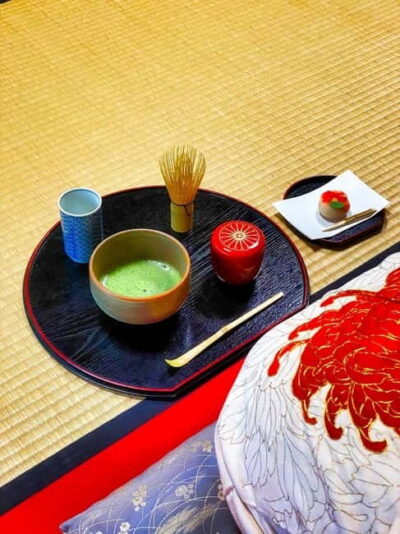
Tea Ceremony in a Traditional Tea House in Kiyomizu
Read our review →
World Heritage Kyoto & Nara Uji Authentic Matcha Experience
Read our review →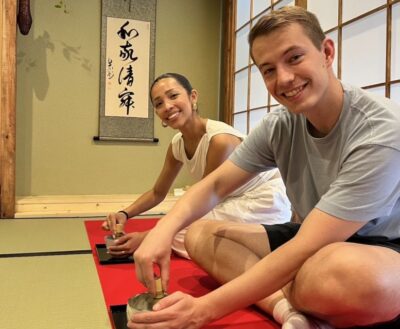
Browse the lists this tour appears in