
Reviewed · WORKSHOPS
Shinjuku Tokyo: Authentic Japanese Home-Style Culinary Class
This Shinjuku-area cooking studio turns Japanese comfort food into a hands-on, sit-down meal you can actually recreate later. It is built around real home-style technique, not just demo cooking, and the English instruction makes it easy to follow along.
What I like most is that you can choose a menu option and actively cook several dishes, whether that is okonomiyaki, gyoza, takoyaki, sushi rolls, or a traditional gozen set. Second, the class feels personal and questions-friendly, and the host names keep showing up in great reviews, like Kana, Kayo, Lulu, and Chieko.
One thing to consider: your group size can affect menu details, since the class notes that ingredients are prepared in advance only if you are the only group attending that day, and menu selection may be limited when another group is also present.
Key Points You Will Care About Before Booking
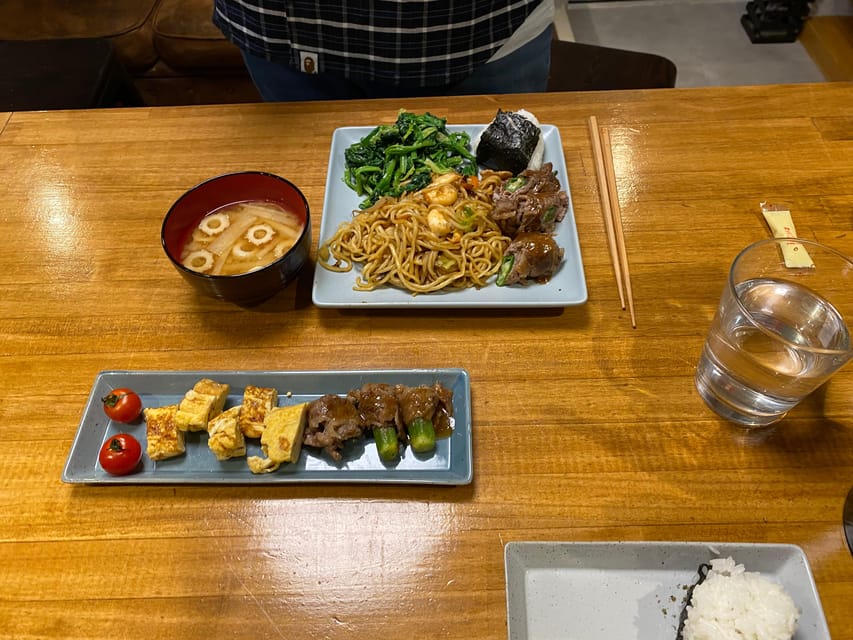
- Menu options are built around famous Japanese comfort foods, from teppan sizzles to festival-style takoyaki.
- Dietary needs are taken seriously, including vegetarians and vegans, with allergy discussions welcomed in advance.
- You cook and then eat together for about 150 minutes, so you are not just watching.
- English instruction is part of the package, with hosts like Kana and Kayo frequently praised for clear explanations.
- You leave with take-home support, with many participants highlighting recipes and even photos from the class.
Price and Time: The Real Value Behind $88 for 2.5 Hours
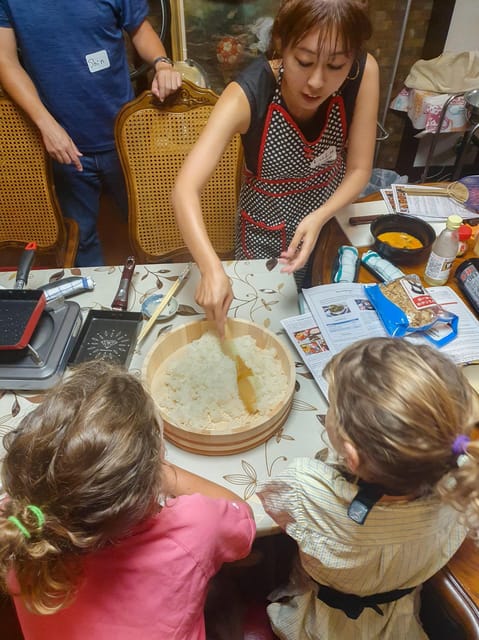
At $88 per person for 150 minutes, the price feels fair for central Tokyo when you factor in what you actually get: tools, ingredients, cooking time, drinking water, and fees and taxes. You are paying for a structured kitchen session where you do the work, then sit down to eat what you made.
Also, this is not a quick snack. The class is paced so you can learn technique while still finishing a full meal. In reviews, people often describe leaving full enough to last for hours afterward, which matters if you are budgeting meals during your trip.
Your main decision is whether you want a hands-on food experience more than a walking tour or a museum-style day. If you enjoy cooking, eating, or simply want a deeper feel for Japanese home meals, this is exactly the kind of activity that pays off long after you return home.
Also on the shortlist for Tokyo:
- Mt Fuji and Hakone 1-Day Bus Tour Return by Bullet Train
★ 5.0 · 26,383 reviews - 1-Day Tokyo Bus Tour
★ 5.0 · 14,250 reviews - Tokyo: TOKYO SKYTREE® Admission ticket
★ 4.5 · 11,192 reviews
The Setup in the Shinjuku Kitchen Studio: Where You Start and What You Do First
The meeting point is a kitchen studio in or around Shinjuku, and the exact address is sent after you book. That last part matters because one reviewer noted a door confusion that delayed them briefly, so I would treat the message with the address as essential reading. Give yourself a little buffer, especially if you are arriving from Shinjuku Station on foot or by taxi.
When you arrive, you will typically start with a briefing and a chance to get oriented in an English-friendly way. The class is designed so you can pick a menu option ahead of time, and you can also communicate food restrictions.
Then the cooking begins in a real kitchen workflow. Ingredients are handled so you can participate without the experience turning into a grocery hunt. One important note: the class says ingredients are prepared beforehand only if you are the only attendees on that day, and if another group joins, you may not be able to choose the same menu you requested. This is not a deal-breaker, but it is the kind of detail that can change expectations, so plan accordingly.
Choosing Your Menu: How Each Option Teaches a Different Side of Japanese Cooking
The class offers menu selections that center on popular, well-known dishes. You pick one set (and the class can also discuss an on-request option), and you cook multiple components, then eat together at the end.
Here is how the menu choices translate into different learning experiences.
Menu A: Okonomiyaki and Yakisoba Set
Okonomiyaki teaches you a batter-cabbage balance and the sizzle rhythm of teppan cooking. It is not complicated, but getting the thickness right and managing heat is the difference between a pancake that is tasty versus one that is just okay.
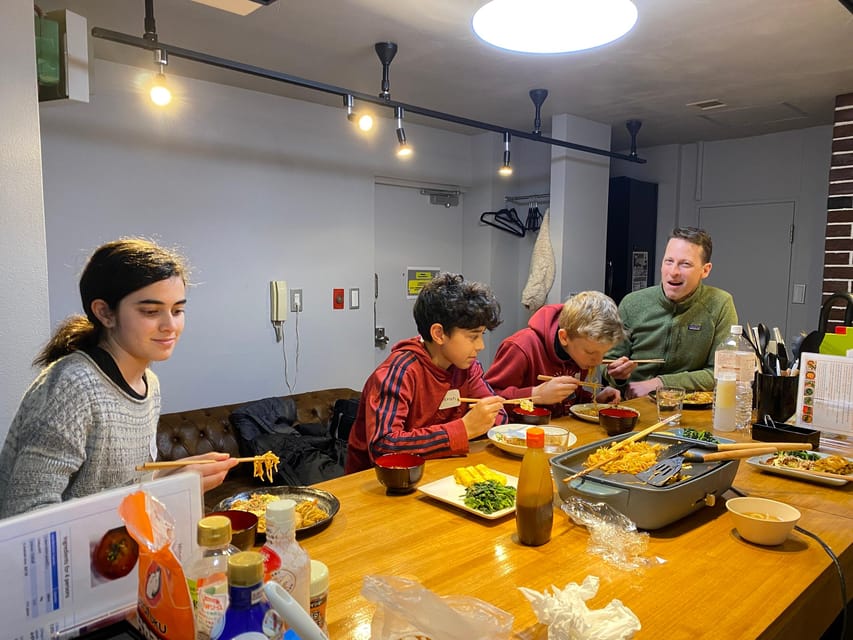
Yakisoba brings in stir-fry logic. You are working with ramen noodles plus a sweet-savory sauce that clings, so technique matters more than you might think. The side dishes help round it out so it feels like a proper home meal, not just two street foods.
This menu is a great fit if you want flavors that are bold and familiar, and if you like the idea of cooking on a hot griddle while learning how Japanese home cooks keep things simple but satisfying.
A change of pace from Tokyo:
- Tokyo: teamLab Planets TOKYO Digital Art Museum Entry Ticket
★ 4.6 · 9,779 reviews - Mt Fuji & Hakone Cruise, Drum Show Bullet Train 1 Day from Tokyo
★ 4.0 · 7,413 reviews - Tokyo: Sumo Show Experience with Chicken Hot Pot and a Photo
★ 4.8 · 6,678 reviews - Tokyo: Shinjuku Food Tour (13 Dishes at 4 Local Eateries)
★ 5.0 · 6,603 reviews
Menu B: Gyoza and Takoyaki Set
Gyoza is where you learn pan-fried structure, crisping, and the timing that makes the filling juicy instead of dry. You will be working with one of Japan’s most beloved dumplings, and the cooking method is very different from boiling or steaming.
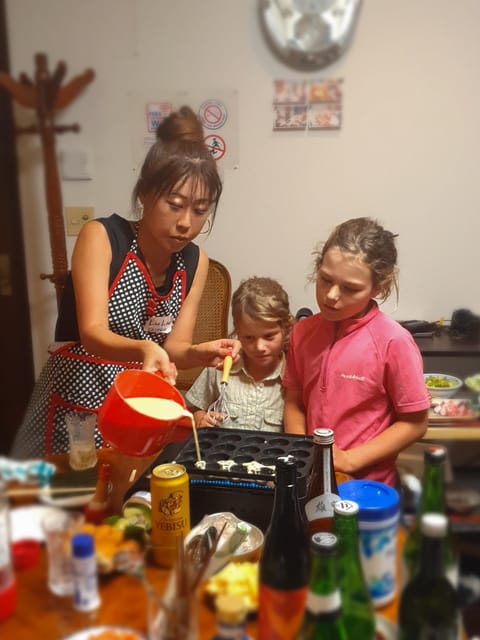
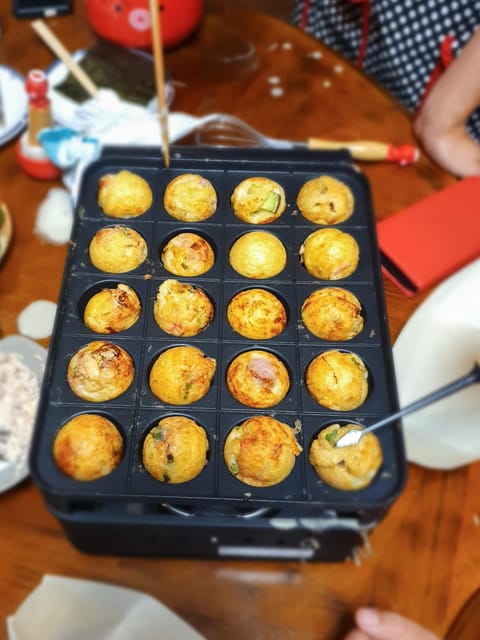
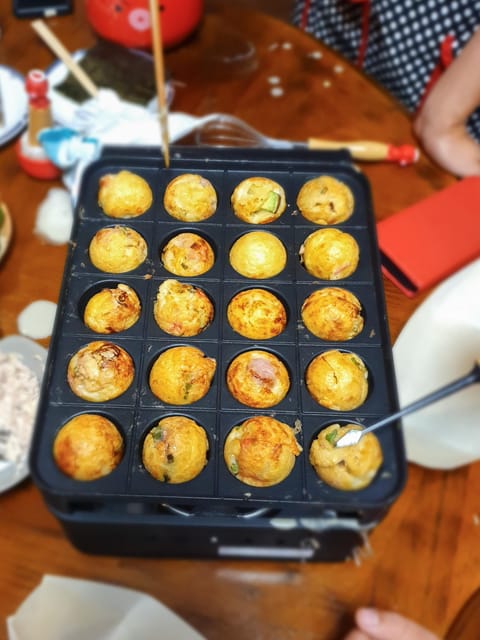
Then you get takoyaki, the Osaka festival star, which often becomes the fun part people remember. Takoyaki is all about batter, flipping rhythm, and learning how to get that round, tender texture with a slightly crisp exterior.
This is an especially good choice if you like playful cooking. It feels hands-on and interactive, and it is the kind of dish that makes you want to recreate it at home.
Menu C: Rolled Sushi, Teriyaki Set, and Miso Soup
If you want something that feels a bit more “special meal,” this menu is a strong pick. Rolling sushi teaches control and repetition. You will not just eat sushi, you will build it.
The teriyaki portion usually focuses on a go-to Japanese home flavor profile, sweet, salty, and comforting. Pairing it with miso soup gives you a complete plate, and miso helps you understand how Japanese meals balance savory depth with lighter elements.
This menu fits you if you want a classic Japanese dinner vibe and you are willing to take a little time learning clean, careful rolling.
Menu D: Traditional Gozen Set
A gozen is a way of eating that emphasizes balance: a bit of everything on one tray. This menu includes a meat plate, a fish plate, a side dish, miso soup, and an onigiri rice ball.
The value here is learning how Japanese home cooking spreads flavors across the meal rather than piling everything into one dish. If you like the idea of understanding Japanese meal structure, gozen is the most “home dining” option.
This menu is also ideal if you want variety and do not want to spend the class wondering whether you chose the “right” dish. It is built to be rounded, practical, and satisfying.
Menu E: On-Request Custom Discussion
There is an option for a request menu where you discuss and decide together. The practical takeaway is that flexibility exists, but you still need to communicate clearly ahead of time, especially if you have restrictions.
How the Class Moves: From Knife Skills to Final Plating
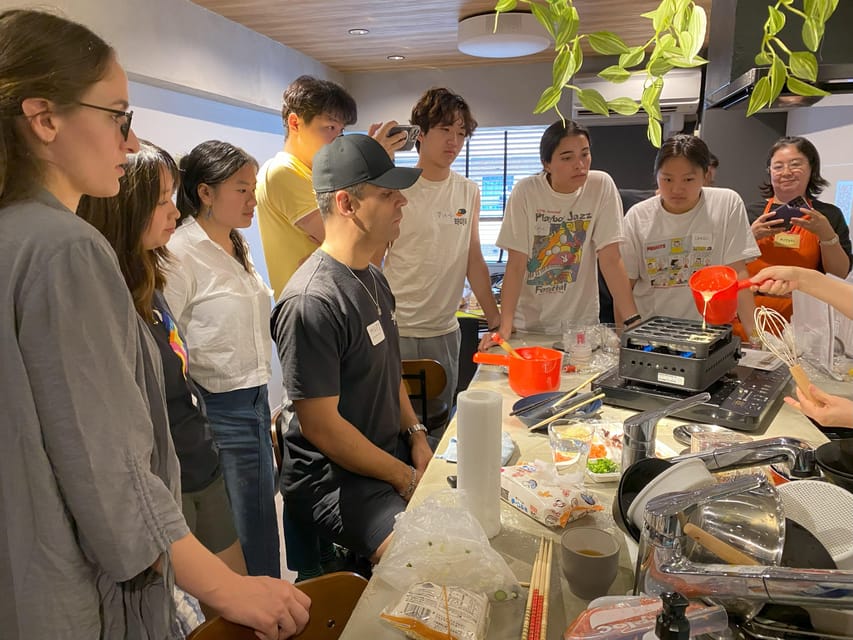
Even with different menus, the cooking experience follows a similar flow, and that is good. You start with guidance, then you get hands-on, then you finish by eating what you made.
Step One: Ingredient and technique setup
You will get ingredients prepared and ready for you to work with, and you will be guided through the steps using an English-speaking instructor. Reviews frequently mention hosts explaining ingredients and techniques, including how Japanese ingredients are used, which is exactly what you want if you plan to cook later.
Step Two: Cooking in stations, not just one long recipe
Depending on your menu, you will likely rotate through different tasks, like griddle cooking for okonomiyaki or takoyaki, pan-frying for gyoza, or structured rolling for sushi. This is where the experience feels efficient for 150 minutes, because it keeps you actively involved.
One helpful detail for planning: some people thought the class was very interactive, while others wanted a bit more cooking versus watching. If you are a confident cook and want maximum hands-on, lean toward menus like takoyaki or okonomiyaki where you naturally do a lot of repeated steps.
Step Three: Eat together, with technique context
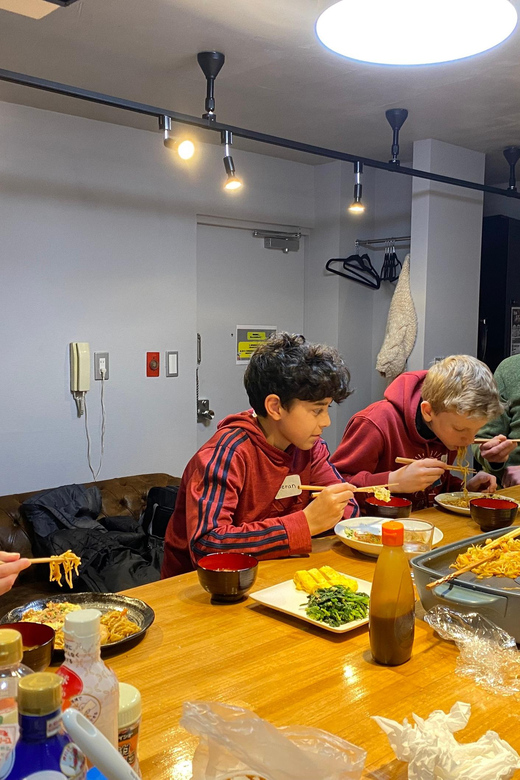
At the end, you eat the meal you made. That matters because learning sticks better when you taste what you just created. The cultural context is part of the teaching too, and reviews mention hosts sharing dish background and ingredient explanations while you cook.
Dietary Preferences and Allergies: How to Make This Work for You
This class explicitly accommodates dietary preferences, including vegetarians or vegans. That is a big plus in Japan, where menus can be meat-heavy without warning.
For allergies, you need to message the provider in advance. The class notes that they can discuss the menu and available options if you have allergies. Reviews also describe working around restrictions, so you should feel comfortable reaching out rather than hoping it will be fine on the day.
Practical advice: send a clear list of what you cannot eat, and be specific about ingredients you must avoid. If you are vegetarian, also say whether you eat eggs and dairy, since those choices can affect what an instructor can safely prepare.
What You Get Beyond the Meal: Take-Home Help That Makes It Repeatable
Many cooking classes end with a full stomach and a fuzzy memory. This one tends to do better.
Several reviews mention that instructors provided recipes and that participants received photos from the experience. That makes it easier to remake your dishes later. One person even bought a pan after the class to recreate the food at home, which tells me the teaching connects to real kitchen habits, not just a one-time show.
If you like to cook, this is a value multiplier. Your $88 turns into ingredients and a menu you can recreate, rather than a single meal you forget.
Who This Cooking Class Is Best For
This experience is a strong match if you are:
- Food-focused and want hands-on Japanese cooking near Shinjuku
- Cooking-inclined, or even just curious about Japanese ingredients and techniques
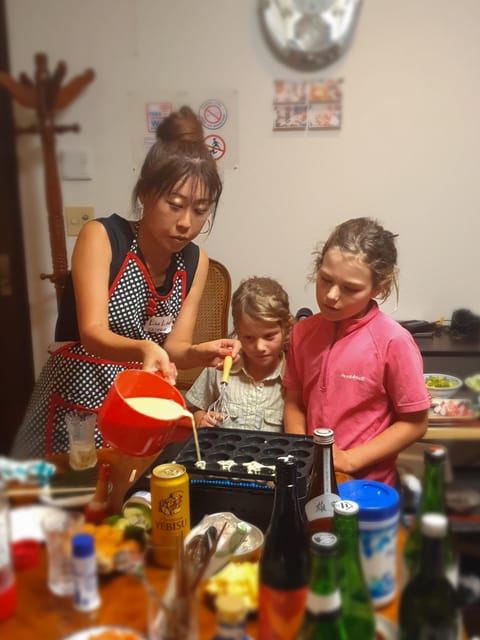
- Traveling with family, since reviews mention kids doing well and the class adapting in a friendly, patient way
- Managing dietary preferences and want a class that discusses options in advance
It may be less perfect if you are looking for a long, sightseeing day. This is a kitchen class first. Your best use of time is to pair it with nearby neighborhoods before or after, not to build your whole trip around it.
Logistics You Should Plan Around (Without Making It Complicated)
- Location: Shinjuku-area studio, exact address sent after booking.
- Duration: about 150 minutes, enough time to cook and eat.
- Language: English instruction.
- Transportation: private transport is not included, so plan your route to Shinjuku.
- Menu selection: choose ahead if possible, but understand the class notes menu selection may be limited when another group also attends.
One more practical point: give yourself time to find the studio entrance. One review described needing to call the organizer to get let in, and that is an easy fix if you arrive early.
Should You Book This Shinjuku Home-Style Cooking Class?
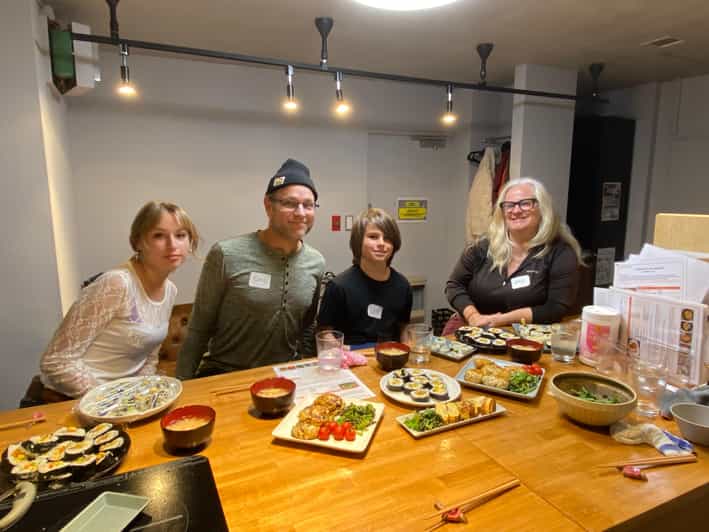
Book it if you want a real Japanese meal experience with technique, not just a meal. The biggest reasons are simple: you cook multiple dishes, the instruction is in English, and dietary needs are taken seriously. On top of that, you leave with support like recipes, and that makes the experience feel like an investment, not a one-off lunch.
Skip it if you are extremely short on time, or if you only want to watch and would rather not get hands-on in a working kitchen. This class is designed to be participatory, and that is usually the whole point.
If you are staying near Shinjuku anyway, this is an excellent way to spend part of a day doing something useful with your appetite. You will come away with dishes you can repeat, and a clearer sense of what Japanese home cooking is actually like, plate by plate.
FAQ
Where is the meeting point for the class?
The meeting point is a kitchen studio in or around Shinjuku, Tokyo. The exact address is provided after you book, and you should wait for the message with the details.
Can I choose what menu we cook?
Yes. When you book, you can select one of the menu options. The class also notes that ingredients are prepared in advance only if your group is the only attendees on that day, and if another group joins, menu choices may be limited.
Does the class accommodate vegetarian or vegan diets?
Yes. The experience is designed to accommodate dietary preferences, including vegetarians or vegans.
How does the class handle food allergies?
If you have food allergies, you should tell the organizer in advance. They say they can discuss the menu and options available based on your allergies.
How long is the cooking class and what is included?
The class duration is about 150 minutes. It includes all fees and taxes, cooking tools, ingredients, and drinking water.
Is English instruction available?
Yes. The instructor provides instruction in English.
Latest write-ups near Tokyo
- Tokyo Customized Private Tour: See Top Attractions in 1 Day★ 4.8 · 67 reviews
- From Tokyo: Top 5 Scenic Spots of Mount Fuji Full-Day Tour★ 4.5 · 67 reviews
- Traditional Japanese Music ZAKURO SHOW in Tokyo★ 5.0 · 67 reviews
- Tokyo: Shinjuku Izakaya and Golden Gai Bar Hopping Tour (2h)★ 4.9 · 67 reviews
- Tsukiji: Unlimited Sake Tasting Experience★ 4.9 · 67 reviews
- Samurai Ninja Museum Asakusa: Kid-Friendly Ninja Training★ 4.7 · 67 reviews
- Private Harajuku Omotesando Architecture Walking Tour★ 5.0 · 67 reviews
- Tokyo: Not a show- a professional sumo practice with experts★ 4.9 · 67 reviews
Workshops, compared.
Sushi Making Tokyo Roll and Authentic Japanese Sushi Class
Read our review →
Roll and Authentic Sushi Making Class in Asakusa
Read our review →
Ramen Cooking Class at Ramen Factory in Kyoto
Read our review →
Sushi Making Class in a Happi Coat near a Famous Spot
Read our review →

Sushi Making Osaka Roll and Authentic Japanese Sushi Class
Read our review →Browse the lists this tour appears in