
Reviewed · WORKSHOPS
Tokyo: Chopstick Making Workshop with Artisan
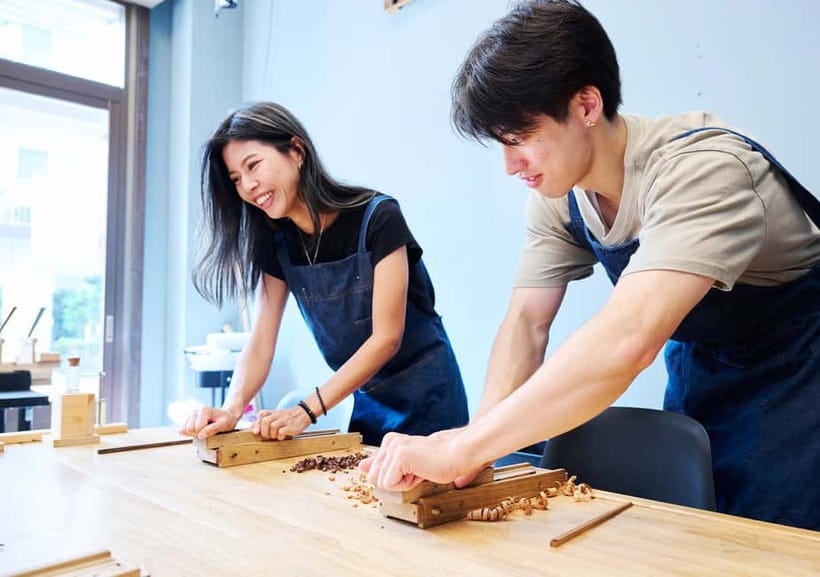
Tokyo chopstick workshops are one of those rare city activities where you get a real skill, not just a photo. You carve, shape, and smooth your own pair of wooden chopsticks using traditional tools, then walk out with the finished souvenir in your hands. It feels calm, creative, and very grounded in everyday Japanese life, not staged for tourists.
What I like most is the hands-on pace. Under an instructor such as Yuki or Angie sensei, you get clear guidance while you work, and small mistakes get corrected before they turn into scrap. I also love the customization side, especially picking from over 10 wood options and taking home chopsticks wrapped and ready to use or gift.
One thing to consider: the 1-hour window can feel tight if you go slowly, switch your plan mid-process, or want extra upgrades like engraving. Reviews mention the best results come from staying focused and letting the guide keep you moving.
Key Things You Should Know Before You Go
- Small group format (up to 10) so the staff can actually help, not just point
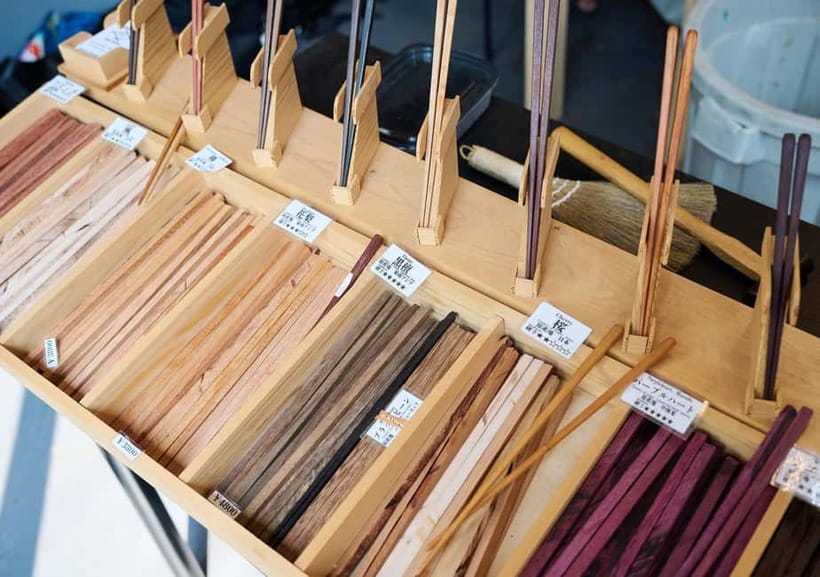
- Wood choice matters: over 10 types available, with 3 types included and higher-grade options for an extra fee
- English support is real thanks to English-speaking staff and instructors
- Your chopsticks are finished the same day, wrapped nicely for taking home
- Guides like Yuki, Angie, Chihiro, and Tomo are repeatedly praised for patience and practical coaching
Tokyo Chopsticks, Up Close: Why This Workshop Feels Different
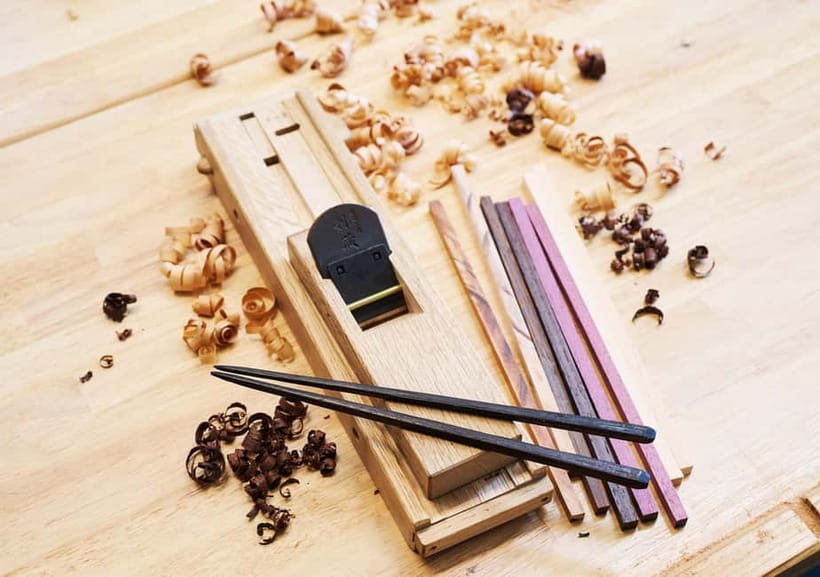
In Tokyo, you can buy chopsticks anywhere. This experience is different because you make them. You go from plain wood to smooth, usable chopsticks in about an hour, guided step-by-step from shaping to finishing. That hands-on process makes the cultural lesson click fast.
I especially like the way the workshop connects craft to daily life. Chopsticks are basic, yet they require careful balance, symmetry, and finishing so they feel comfortable in your hand. When you carve your own pair, you start noticing why Japanese tools and utensils get so much attention.
The workshop also has a relaxing vibe. It is not a speed-running activity. Most people end up with a satisfying result because the teaching is built around getting you to a clean, usable finish, even if you have never handled a carving tool before.
Also on the shortlist for Tokyo:
- Mt Fuji and Hakone 1-Day Bus Tour Return by Bullet Train
★ 5.0 · 26,383 reviews - 1-Day Tokyo Bus Tour
★ 5.0 · 14,250 reviews - Tokyo: TOKYO SKYTREE® Admission ticket
★ 4.5 · 11,192 reviews
Finding Hashiyuki Chopsticks Shop and Workshop in Taito-ku
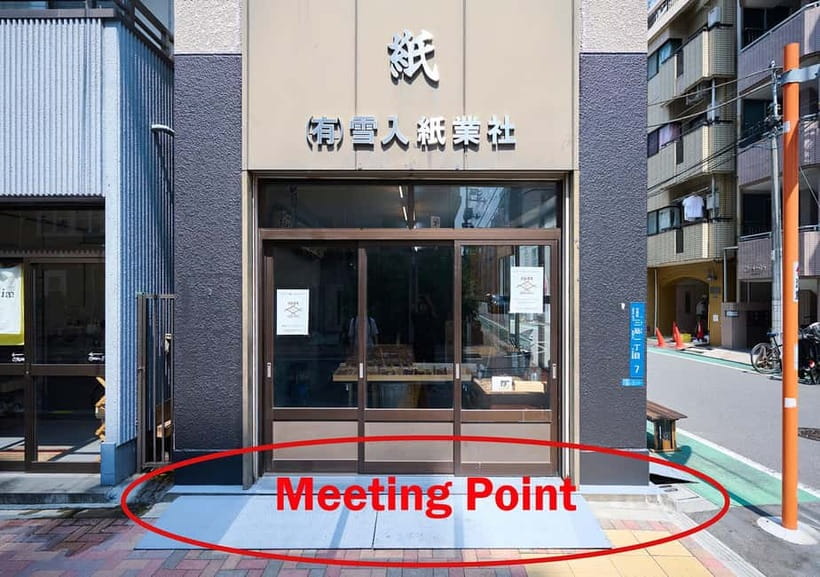
You meet at Hashiyuki Chopsticks Shop & Workshop, 1-7-1 Misuji, Taito-ku, Tokyo (雪入紙業社 / Yukiirishigyosya). It is in a neighborhood setting, not inside a tourist complex, so it feels more like you are stepping into local life.
This matters because the experience is only one hour. If your meeting point is easy to reach and calm to find, you start the workshop without stress. Plan to arrive a few minutes early so you can settle in, pick your wood without rushing, and get oriented to the tools.
The workshop is wheelchair accessible, and the group size is limited to 10. That combination is rare for a hands-on craft session, and it helps create a room where instructions can land clearly for everyone.
Picking Your Wood: Included Options and Higher-Grade Upgrades
The biggest decision happens early: choosing from over 10 types of wood. Three types are included at no extra charge, and other high-grade woods are available for an additional fee. That means you can keep it simple and still end up with a pair you like, or you can spend more if you care about the feel and look of the finished grain.
In practical terms, wood choice affects two things you will actually notice later:
1) The look of the grain once the surface is smoothed and finished
2) The final feel in your hand once the chopsticks are balanced and comfortable
If you are the kind of person who loves details, this is where you can tailor your souvenir. Some people also choose extra options for engraving, but the workshop structure makes it easy to keep your decisions straightforward.
The staff explain the differences as you choose, and reviews highlight that instructors walk you through wood and technique in plain language. That helps you avoid buying something based only on appearance, which is easy to do in a shop.
The First Tools Step: Carving and Shaping Your Pair
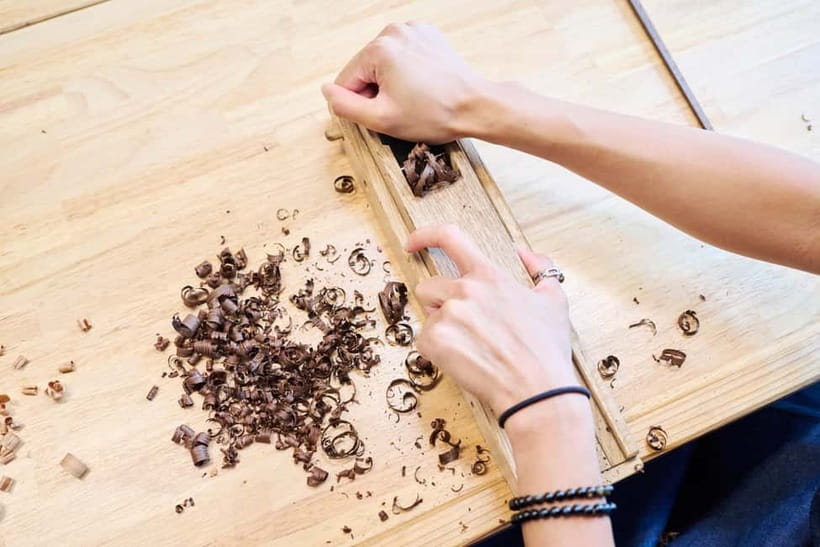
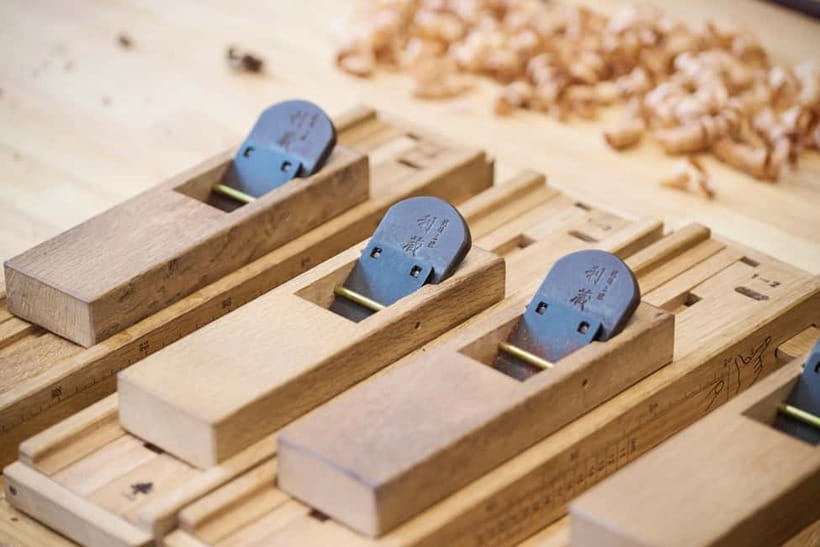
Once you start, the workshop turns into a guided making session: shape the wood, smooth the surface, and finish your chopsticks to a usable standard. You are using traditional tools and techniques, with the instructor staying close so you know what to do next and what to watch for.
What makes this phase valuable is how it teaches restraint. Carving is not about forcing speed. You work toward evenness and clean lines so the chopsticks line up well when you use them. Even first-timers tend to do better than expected because the staff correct the common issues early.
If you have a steady hand, you might move quickly. If you do not, you still get to a good result. The repeated praise for guides like Chihiro, Kaana, and Victoria shows a pattern: patience and hands-on fixes are part of the experience, not an afterthought.
A change of pace from Tokyo:
- Tokyo: teamLab Planets TOKYO Digital Art Museum Entry Ticket
★ 4.6 · 9,779 reviews - Mt Fuji & Hakone Cruise, Drum Show Bullet Train 1 Day from Tokyo
★ 4.0 · 7,413 reviews - Tokyo: Sumo Show Experience with Chicken Hot Pot and a Photo
★ 4.8 · 6,678 reviews - Tokyo: Shinjuku Food Tour (13 Dishes at 4 Local Eateries)
★ 5.0 · 6,603 reviews
Sanding and Smoothing: Turning Rough Work Into Something You Want to Use
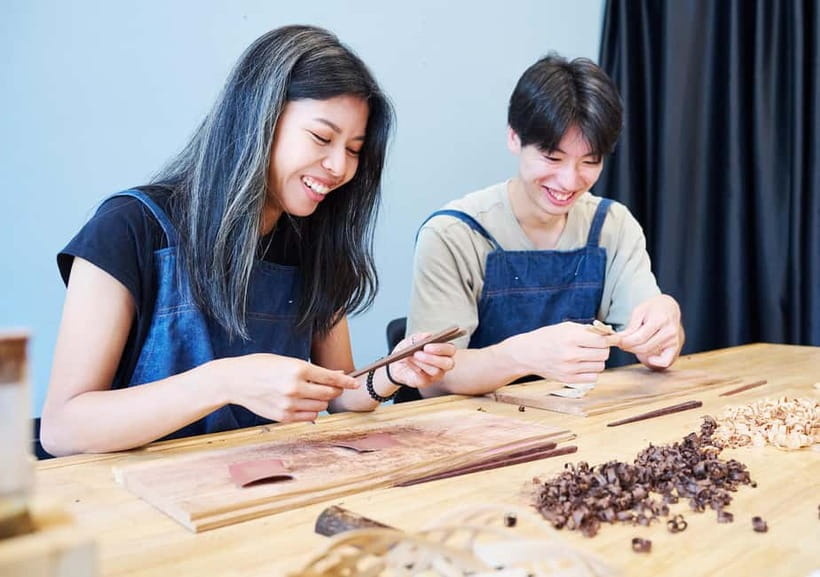
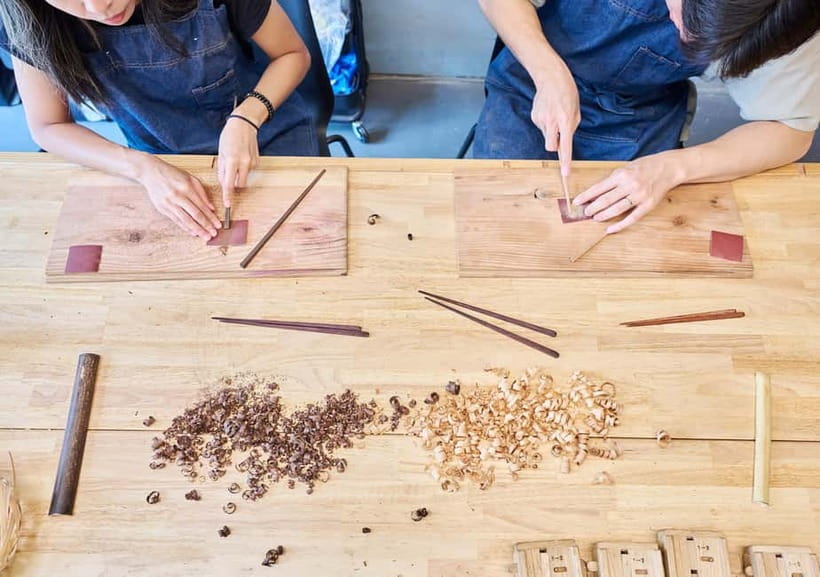
After shaping, you shift from carving to smoothing. This is where your chopsticks start to feel like chopsticks instead of a project. Smoothing is also the point where minor carving differences matter less, because finishing helps everything feel consistent.
Reviews describe the experience as calming and well run, and that lines up with what sanding does psychologically. You get repetitive motions, clear targets, and visible progress. A well-finished chopstick pair feels comfortable in the grip, and you can tell the difference right away when you handle your own work.
This phase is also where you appreciate craftsmanship. Japanese tools are not about decoration only. They are about daily comfort and function, and the workshop trains you to respect that.
Finishing and Wrapping: Leaving With a Finished Souvenir Same Day
By the end of the hour, you take home your personalized chopsticks. They are wrapped nicely so you can either use them right away or gift them without extra shopping.
That same-day finish is a practical win. You do not need to plan for shipping, waiting, or picking up later. You also get to show your work immediately when you are still in the mindset of making, which makes the souvenir story more vivid.
One more detail that matters: the workshop is small enough that you are not lost in a group flow. People consistently mention helpful guidance and friendly staff, which usually means less confusion, fewer false starts, and a smoother path to finishing.
Optional Engraving: The Extra Touch That Can Make It a Real Gift
Engraving is not included in the base price, but it is an upgrade many people consider. One review specifically recommends spending extra (noted as ¥1000) for engraving, and mentions that engraving was done beautifully. Another person used engraving to put a friend’s name on the chopsticks as a gift.
If you plan to give these as a present, engraving is the difference between nice souvenir and meaningful keepsake. It also adds personality without turning the activity into something complicated.
Just remember the time reality. The workshop is 1 hour, and some feedback says the process can feel rushed if you add too many extras or move slowly. If you want engraving, I suggest you keep your initial wood choice decisive and stay ready to follow the instructor’s pace.
Price and Value: Is $16 a Good Deal?
At $16 per person for a one-hour, hands-on workshop, this is strong value, especially in a city where craft experiences can be either pricey or overly sales-focused. You are paying for three things at once:
- Tool time and staff coaching
- Materials, including your included wood choices
- A take-home finished item made by you, the same day
The included wood options are a big part of the value equation. With 3 types included, you can control cost while still getting a genuine making experience. If you choose higher-grade woods, you pay more, but you do so with the benefit of instruction so the upgrade feels intentional.
If you are traveling with someone who likes food culture, design, or crafts, this is also a better use of time than another generic activity. You end with an object you will actually use, not just a photo.
Timing, Group Size, and the One Hour Reality
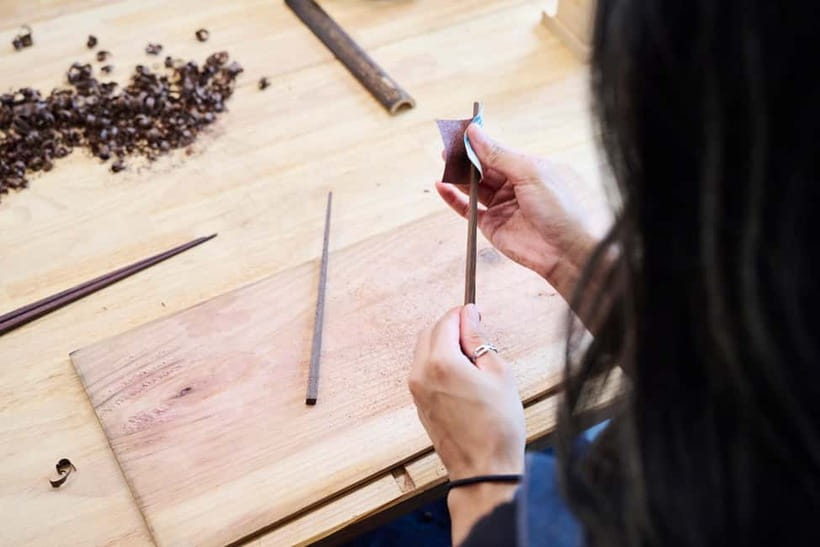
The session runs 1 hour, and group size is limited to 10 participants. That small-group design is the reason the experience consistently earns high marks for guidance and helpful corrections.
Still, timing matters. Some reviews note that the workshop felt rushed because two employees were handling the room, and not all groups started in unison. I would treat that as a caution for your expectations. Plan to treat the session like a focused work block, not a leisurely hobby class.
You do not need to be an expert. People describe the instructions as simple and the workshop as easy to follow. But if you want the process to feel unhurried, arrive on time, pay attention when staff show the correct technique, and avoid switching wood types late in the session.
Practical Tips to Get the Best Results
Here are a few things that will help you get the cleanest outcome without adding stress:
- Choose your wood early. Once you start working, commit and focus on technique.
- Watch how the guide holds the tool. The small angle and pressure choices matter more than you think.
- Take your time during sanding, not before. If you rush earlier steps, finishing can still help, but it is harder to correct.
- If you want engraving, plan it up front. Time is tight at 1 hour, and engraving adds steps.
- Ask for a quick check. Staff can help fix mistakes while you are still at the workable stage.
Also, bring the right mindset. The goal is not perfection, it is a functional pair that feels good and looks good enough to keep. That is why beginners still tend to leave happy.
Who This Workshop Suits Best (and Who Might Find It Stressful)
This workshop is ideal if you want a hands-on cultural activity that is not complicated. You will enjoy it if you like practical crafts, personalized souvenirs, and learning how everyday objects are made with intention.
It also fits families and mixed ages. One review mentions a wide age range from around 8 to 42 all enjoying it, which suggests the activity can work beyond just adults, as long as participants are open to guidance.
It may feel less ideal if you want a slow, leisurely studio experience. If you are the type who needs extra time to get comfortable, or you are adding multiple upgrades like higher-grade wood plus engraving, you might feel the time pressure more than you expect.
Should You Book This Tokyo Chopstick Workshop?
I think it is worth booking if you want a real craft souvenir with meaning, not a generic “experience.” The value is strong at $16, the group size stays small, and the instructors are praised for being patient and practical, including names like Yuki, Angie sensei, Chihiro, Tomo, Kaana, and Victoria.
Book it if you want something you can use immediately, give to someone, or keep as a personal Tokyo memory. Consider booking it even more if you like the idea of engraving, since it can turn a nice pair into a lasting gift.
Skip or adjust expectations if you need a very relaxed pace, or if you are planning on upgrades that could crowd the 1-hour process. In that case, keep your choices simple and let the staff guide you through what you can realistically finish.
Latest write-ups near Tokyo
- Tokyo Customized Private Tour: See Top Attractions in 1 Day★ 4.8 · 67 reviews
- From Tokyo: Top 5 Scenic Spots of Mount Fuji Full-Day Tour★ 4.5 · 67 reviews
- Tokyo: Shinjuku Izakaya and Golden Gai Bar Hopping Tour (2h)★ 4.9 · 67 reviews
- Traditional Japanese Music ZAKURO SHOW in Tokyo★ 5.0 · 67 reviews
- Tsukiji: Unlimited Sake Tasting Experience★ 4.9 · 67 reviews
- Tokyo: Not a show- a professional sumo practice with experts★ 4.9 · 67 reviews
- Samurai Ninja Museum Asakusa: Kid-Friendly Ninja Training★ 4.7 · 67 reviews
- Private Harajuku Omotesando Architecture Walking Tour★ 5.0 · 67 reviews
Workshops, compared.
Sushi Making Tokyo Roll and Authentic Japanese Sushi Class
Read our review →
Roll and Authentic Sushi Making Class in Asakusa
Read our review →
Ramen Cooking Class at Ramen Factory in Kyoto
Read our review →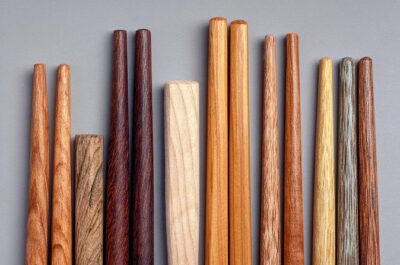
Sushi Making Class in a Happi Coat near a Famous Spot
Read our review →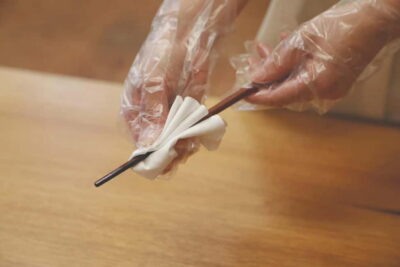

Sushi Making Osaka Roll and Authentic Japanese Sushi Class
Read our review →Browse the lists this tour appears in