
Reviewed · WORKSHOPS
Tokyo Chopstick Making Workshop with Artisan
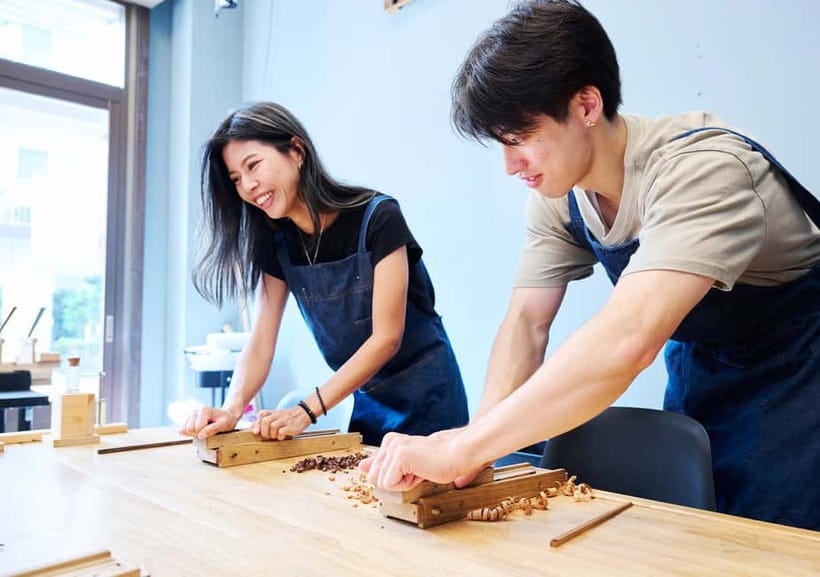
This Tokyo chopstick-making workshop is interesting because you leave with a practical souvenir that you actually made. You start with wood and traditional tools, then you shape, plane, and finish a pair of chopsticks you can use right away. The setting is in a craft neighborhood, so it feels like part of daily life, not a stage show.
I like the hands-on step-by-step process and the fact that a local artisan shows what to do, not just what to watch. I also love the payoff: you take your personalized chopsticks home the same day, neatly wrapped and ready as a gift.
One consideration: your arms will notice the planing and shaping work. If you are brand-new to woodwork, you may want to choose an easier wood, since some options cost extra and require a bit more effort.
Key things to know before you carve
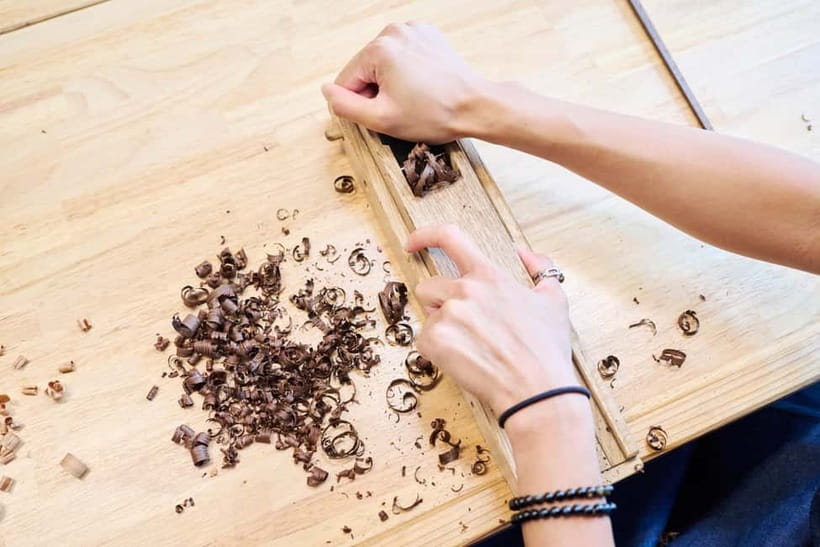
- Small group (up to 10 people): you get real help when you need it.
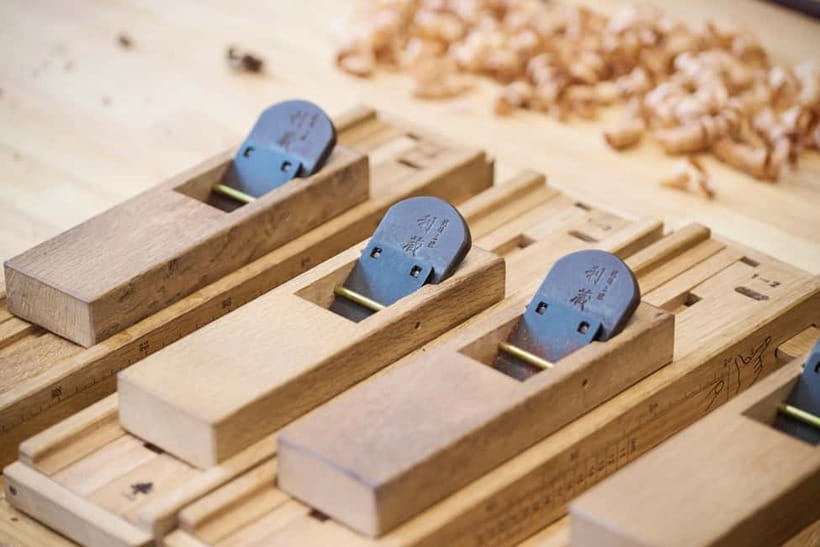
- Traditional tool time: you do the shaping and smoothing yourself.
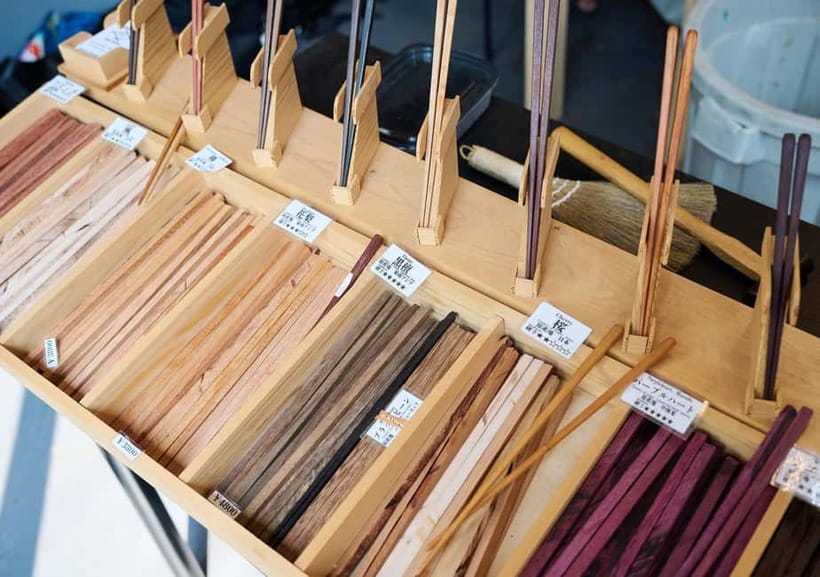
- Choose your wood: nicer woods can cost more, so pick based on your budget.
- Optional engraving: they can engrave chopsticks for an extra fee.
- Takes about an hour, sometimes longer: plan around 1 hour, with some sessions running closer to 2.
Carving Your Own Chopsticks in Tokyo’s Craft Neighborhood
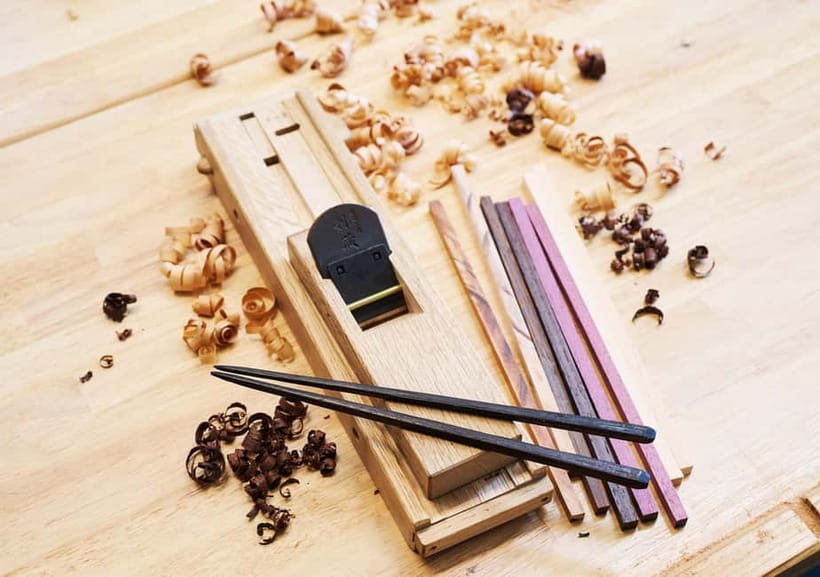
Tokyo has plenty of classes, but chopstick making hits a sweet spot: it is useful, simple to understand, and meaningful. In this workshop, you do the whole chain, from wood shaping to final smoothing and finishing. You are not just buying something in a shop window. You are making a pair of chopsticks that match your hands and your preferences.
The experience also has a nice “local texture.” You are doing this in a craft-focused part of the city, where woodworking is part of the everyday rhythm. That matters because you get to see how artisans treat ordinary objects with care, not as mass-produced goods. Even if you know nothing about Japanese woodworking, you get enough structure to feel confident.
And yes, it is a souvenir you can use. That is the best kind in Japan: something small enough to carry, but personal enough to remember.
Also on the shortlist for Tokyo:
- Mt Fuji and Hakone 1-Day Bus Tour Return by Bullet Train
★ 5.0 · 26,383 reviews - 1-Day Tokyo Bus Tour
★ 5.0 · 14,250 reviews - Tokyo: TOKYO SKYTREE® Admission ticket
★ 4.5 · 11,192 reviews
What Happens During the Workshop, Step by Step
The session is about making chopsticks using traditional tools and techniques, guided by an artisan. While you will move at your own pace, the flow is predictable and easy to follow.
1) You arrive, get oriented, and start shaping
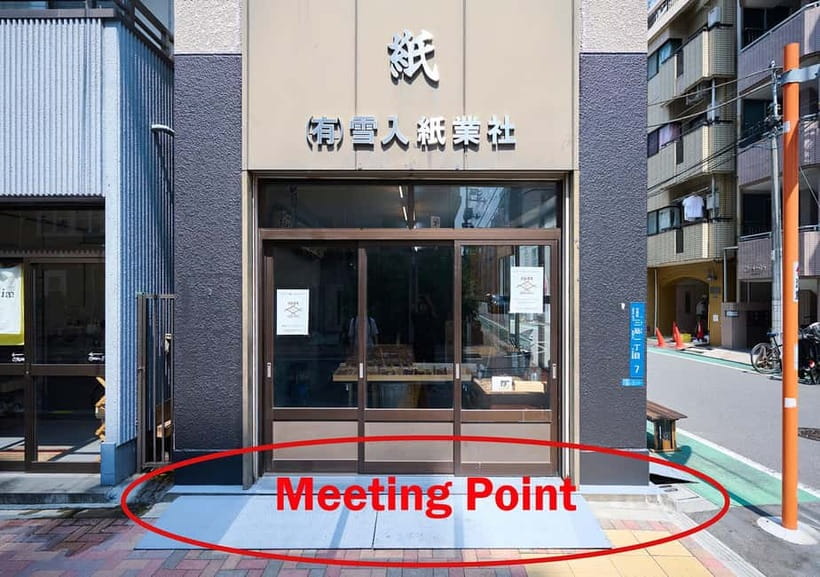
You begin at the meeting point in Taito City (1-chōme-7-1 Misuji, Tokyo 111-0055). Then you get instructions on how to hold the tools and how to work the wood without forcing it. The staff are consistently described as supportive, and small-group size helps a lot here.
If you have never planed wood before, expect to learn hand position fast. Reviews mention an arm workout, but also emphasize that the help you get makes it manageable.
2) You carve your chopstick profile
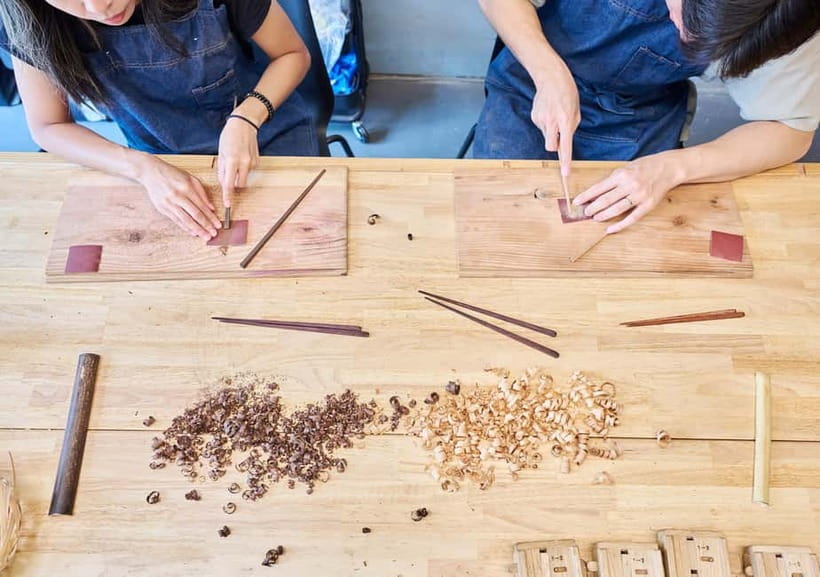
This is where the class feels most “real.” You shape the chopsticks into a proper form, then refine the shape so the final product looks clean and balanced. The goal is to get the taper and feel right, so the chopsticks look good and work well.
A change of pace from Tokyo:
- Tokyo: teamLab Planets TOKYO Digital Art Museum Entry Ticket
★ 4.6 · 9,779 reviews - Mt Fuji & Hakone Cruise, Drum Show Bullet Train 1 Day from Tokyo
★ 4.0 · 7,413 reviews - Tokyo: Sumo Show Experience with Chicken Hot Pot and a Photo
★ 4.8 · 6,678 reviews - Tokyo: Shinjuku Food Tour (13 Dishes at 4 Local Eateries)
★ 5.0 · 6,603 reviews
3) You smooth the surface and refine the finish
After shaping, you move on to smoothing. This is the part where the difference between rough and polished becomes obvious. If you rush here, the result won’t feel as satisfying. If you slow down, the chopsticks look sharper and feel better.
4) You finish and take them home the same day
The workshop is designed so you can leave with your personalized chopsticks that day. They are wrapped nicely at the end, ready for use or gift-giving.
Wood Choice, Cost, and How to Pick Wisely
The price is listed at $26.53 per person, but the wood choice can change the final cost. You can select from different types of wood, and reviews note that nicer woods come with an upcharge.
This is not a trap, it is how craft workshops often work. You are paying for materials. Your best move is to decide what matters most to you:
- If you want the best value, pick a wood that gets you the full experience without paying for the premium grain.
- If you want the most “wow” chopsticks in the photos and as a gift, pay for a nicer wood and accept the extra cost.
There is also an add-on option: engraving. If you want names or a personal message, there is an extra fee.
Engraving Option: Turning Chopsticks Into a Real Keepsake
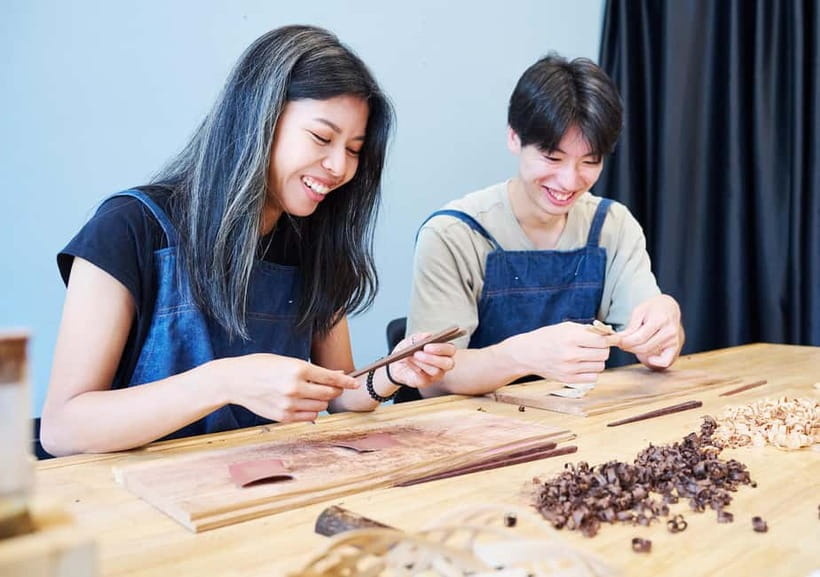
One of the most memorable upgrades here is engraving. Reviews mention that you can have chopsticks engraved, and that it costs extra. This is ideal if you are making a gift, or if you want your chopsticks to feel like a truly personal item rather than a generic souvenir.
If you are traveling as a couple or family, engraving can be a nice way to make two sets feel “different” even if you follow the same template.
Guides, Support Style, and Why Small Groups Help
This class runs with a maximum of 10 people at a time. That detail matters more than it sounds. When you are using tools on real wood, you want someone watching your grip and your angle.
In the reviews, I saw several instructor names connected to the experience, including Angie, Sakura, Rasmus, Kaana, and Sensei. No matter which instructor you get, the common theme is practical support. People describe arriving, getting early help when possible, and feeling guided through each step without being rushed.
That is the difference between an enjoyable workshop and a stressful one. You should feel like you are learning, not just following a script while you worry you are doing it wrong.
Timing in Tokyo: How Long It Actually Takes
The duration is listed at about 1 hour. In real life, I would treat that as a minimum and plan some flexibility. One account notes it took closer to 2 hours to finish, and that they were not rushed.
So what should you do when you plan your day?
- Schedule the workshop when you are not racing to catch something immediately after.
- If you also plan a meal, aim for a buffer so you are not hungry and tired at the exact moment you want to eat.
- Bring a little patience if it is hot outside, since you will be working with your hands for the full session.
The workshop also has a mobility requirement in the “practical sense.” You should be able to sit, hold tools, and use your arms for planing and shaping. The listing says most people can participate, but expect the work to be physical enough that it gets your heart rate up.
Price and Value: Is $26.53 a Good Deal?
At $26.53 per person, this workshop is priced like an accessible cultural activity, not a luxury artisan experience. And the value comes from what you get:
- a real craft process with instruction
- a finished product you take home
- a small group with hands-on help
- an experience you can talk about for years, because you literally made the object
Where the value can shift is with options. If you choose premium wood and add engraving, the final total goes up. Still, you are getting materials and customization, not just a photo and a certificate.
If you want a “try-it-once” cultural workshop without spending a fortune, this is one of the smarter picks in Tokyo because you end up with something useful, not just a story.
Where It Fits in Your Tokyo Plans
This class is a strong match for a few kinds of trips:
- You want something different from the usual museum and shopping loop.
- You like artisan activities where you do the work, not just watch.
- You want a small souvenir you can actually use on your trip or back home.
It also works well as an alternative plan when the weather is not great. One person booked it as a backup day and paired it with another food workshop afterward.
And because it is in a craft-focused area, it can also slot into a day where you want a calmer vibe than the bigger tourist zones.
Who Should Book This Workshop (and Who Might Skip)
Book it if:
- you want a hands-on souvenir
- you enjoy learning by doing
- you like small group instruction and personal guidance
Consider skipping or adjusting expectations if:
- you are very sensitive to physical tasks with your arms and hands
- you are hoping the class is mostly a cultural talk. This one is primarily skill-building and making.
If you are bringing kids, it can be a great choice. A review specifically highlights it as a hit for ages 10 and 12, with a guide praised for making the process smooth and fun.
Quick FAQ: Carving, Taking Home, and Planning
FAQ
How long is the chopstick-making workshop?
The workshop is listed at about 1 hour.
Can I take my chopsticks home the same day?
Yes. The experience is designed so you take your personalized chopsticks home the same day.
How many people are in the group?
The activity has a maximum of 10 travelers.
Do I have to bring anything to make the chopsticks?
The provided information does not list specific items to bring. You should simply plan to participate in woodworking during the session.
Is there a choice of wood?
Yes, you can choose wood. Nicer woods can cost extra.
Can the chopsticks be engraved?
Yes. Engraving is available for an additional cost.
Where is the meeting point?
The start location is 1-chōme-7-1 Misuji, Taito City, Tokyo 111-0055, Japan. The activity ends back at the meeting point.
Is the price $26.53 the full cost?
The price is $26.53 per person, but there can be extra costs depending on wood choice and engraving.
Is there free cancellation?
Yes. You can cancel for a full refund up to 24 hours in advance.
Should You Book This Tokyo Chopstick Workshop?
I think you should book it if you want a small, meaningful Tokyo activity that ends with an object you can use. The combination of hands-on carving, small-group support, and a same-day take-home souvenir is hard to beat for the price.
If you have limited patience for physical tasks, choose your wood wisely and keep a relaxed mindset. Tools plus real wood means some effort, but the help from the instructors is a big part of why people walk out happy.
If you want, tell me your travel dates and whether you are choosing premium wood or just the base option, and I can help you plan when to fit it into your day around other Tokyo stops.
Latest write-ups near Tokyo
- Tokyo Customized Private Tour: See Top Attractions in 1 Day★ 4.8 · 67 reviews
- From Tokyo: Top 5 Scenic Spots of Mount Fuji Full-Day Tour★ 4.5 · 67 reviews
- Tokyo: Shinjuku Izakaya and Golden Gai Bar Hopping Tour (2h)★ 4.9 · 67 reviews
- Traditional Japanese Music ZAKURO SHOW in Tokyo★ 5.0 · 67 reviews
- Tsukiji: Unlimited Sake Tasting Experience★ 4.9 · 67 reviews
- Tokyo: Not a show- a professional sumo practice with experts★ 4.9 · 67 reviews
- Samurai Ninja Museum Asakusa: Kid-Friendly Ninja Training★ 4.7 · 67 reviews
- Private Harajuku Omotesando Architecture Walking Tour★ 5.0 · 67 reviews
Workshops, compared.
Sushi Making Tokyo Roll and Authentic Japanese Sushi Class
Read our review →
Roll and Authentic Sushi Making Class in Asakusa
Read our review →
Ramen Cooking Class at Ramen Factory in Kyoto
Read our review →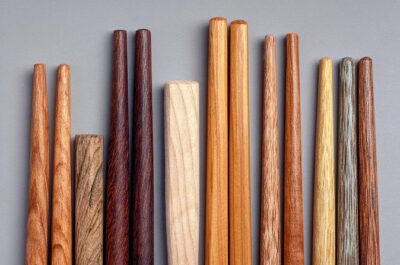
Sushi Making Class in a Happi Coat near a Famous Spot
Read our review →

Sushi Making Osaka Roll and Authentic Japanese Sushi Class
Read our review →Browse the lists this tour appears in