
Tokyo has plenty of workshops, but this one is interesting because it turns a daily tool into a craft you actually understand. You pick the wood, shape the chopsticks, then finish them with sanding and natural oil, all with English-speaking support. I love that you get to choose your preferred look and feel (length and wood tone matter), and I also love how the work is step-by-step and calm, so even beginners can succeed. One possible drawback: the venue entrance can be a little tricky to spot, so give yourself a few extra minutes to find Shinjuku West Square Building and go up to 10F.
The workshop is built around the hands, not lectures. Guides like Koji, Masa, Mimi, Lucy, and Shu (names you may meet in class) tend to be patient and actively help you through each stage, from holding the wood steady to getting the shape right. For $6 and a full take-home souvenir, it is tough to beat value, especially if you want a Japan-related memory that feels real, not mass-produced. If you want a long, multi-stop day tour, this is not that. Think small, focused, and productive.
Selecting Wood and Engraving Plans at Shinjuku West Square 10F
This is a 1-hour hands-on workshop based at Shinjuku West Square Building, 10F. The vibe is simple: you arrive, get seated at your workstation, and start making decisions right away. That matters, because the “making” part in this activity starts the moment you choose materials, not at the very end when it is too late to change your mind.
Once you are set up, you will select:
- Your wood type (different colors, grain, and character)
- Your chopstick length (short or long, so it can fit your hand)
Then, you have an optional finishing flourish: engraving. You can put your name in English or Japanese, and depending on the setup, you may be able to do it in your native language too. Several instructors are known for being encouraging and practical while you work, so if you are unsure about what to pick, ask as early as you can.
A small tip I picked up from watching how classes run here: some wood choices may cost extra, while others are included. If there is a specific look you want, ask which ones are included first, then decide. That keeps you from getting surprised at the end.
The Carving Step: Hand Plane Work That Feels Like Therapy
After your choices, the core of the workshop begins. You place your chopsticks on the stand and carve them into shape using a hand plane. This is the stage that turns “I’m making chopsticks” into a skill you can feel.
What I like about the way this is taught is that it stays tangible:
- You work with a physical tool while the wood is held in place.
- You carve the shape gradually rather than trying to force perfection in one go.
- The process encourages you to slow down, because careful carving is easier than rushing.
Many people describe it as meditative. Even if you spent the morning sprinting around Tokyo, this is the kind of activity where your brain can finally exhale. One parent noted it was a fun, doable option for a nine-year-old, which tells you the pace is realistic and supported.
How it usually plays out:
- You start carving to define the overall profile.
- You adjust as the instructor guides you toward the right thickness and balance.
- You move on when the shape feels close enough to sand comfortably.
You do not need any previous woodworking experience. The staff’s job is to keep you moving and help you avoid the common beginner mistakes, especially with grip, angle, and how hard to push.
Also on the shortlist for Tokyo:
- Mt Fuji and Hakone 1-Day Bus Tour Return by Bullet Train
★ 5.0 · 26,383 reviews - 1-Day Tokyo Bus Tour
★ 5.0 · 14,250 reviews - Tokyo: TOKYO SKYTREE® Admission ticket
★ 4.5 · 11,192 reviews
Sanding for Comfort: Where Your Chopsticks Become Yours
Carving gives you the shape, but sanding and smoothing is where the chopsticks start to feel genuinely comfortable in your hand. You will smooth the surface and edges so they feel better to hold and easier to use when you eat.
This part is important for two reasons:
- It makes your chopsticks nicer to handle day to day.
- It brings out the wood’s natural look once the roughness is gone.
If you are picky, this is where you get to be picky. If you want a softer feel, you can focus sanding there. If you like a more tactile grip, you can stop once it is smooth but still retains the wood character.
Several people also mention how much they enjoyed seeing the wood reveal itself during finishing. Different wood tones can look dramatic before oil, then look even warmer after. This is also when you can notice how grain patterns show up as you remove the surface layer.
Natural Oil Finish and the Take-Home Moment
Once the sanding is done, you apply a coat of natural oil. That step does two jobs at once: it protects the wood and enhances the finish, giving your chopsticks a soft, polished look.
The take-home effect is real. You leave with a pair that looks personal because you chose the wood, you chose the length, and you worked on the finishing. It is a souvenir you can actually use at home, which beats the usual Tokyo crafts that end up stuck in a drawer.
One nice detail: because the oil is part of what you pay for, you do not need to figure out finishing products later. You also avoid the typical worry that your homemade craft will end up feeling rough or unfinished.
Optional Engraving: Make Them Personal Without Overthinking
If you add engraving, it becomes the part you will show off later. Having your name etched into your chopsticks turns a craft into a keepsake.
Here is the practical angle. Your engraving choice is only as good as the wood tone you picked. Lighter woods tend to show engraving more clearly, so if your priority is legibility, consider picking a lighter or mid-tone option. If you choose darker wood, you may still get a cool look, just expect a more subtle result.
There is also a learning curve for designs. Some instructors may use an engraving laser, and you might be limited by what the setup can do for detailed patterns. If you want something simple, like your name, you will usually be happiest. If you want a specific visual, ask how detailed it can be before you commit.
A change of pace from Tokyo:
- Tokyo: teamLab Planets TOKYO Digital Art Museum Entry Ticket
★ 4.6 · 9,779 reviews - Mt Fuji & Hakone Cruise, Drum Show Bullet Train 1 Day from Tokyo
★ 4.0 · 7,413 reviews - Tokyo: Sumo Show Experience with Chicken Hot Pot and a Photo
★ 4.8 · 6,678 reviews - Tokyo: Shinjuku Food Tour (13 Dishes at 4 Local Eateries)
★ 5.0 · 6,603 reviews
Staff Support, English Guidance, and the Comfort of Beginners Succeeding
What consistently earns top marks here is the human support. People mention guides like Koji, Masa, Mimi, Lucy, Shu, Jen, Tom, Fu, and Yuki, and the theme is the same across names: clear guidance, patience, and help that keeps you from getting stuck.
That matters more than it sounds. In a hands-on craft, the difference between a fun hour and a frustrating one is usually one moment when you get the angle wrong or the tool handling feels awkward. The instructors step in before you fall behind.
Even better, the workshop appears to be social in a good way. One person said the room had both other tourists and some Japanese participants, which suggests you might meet travelers and locals in the same space. That is a bonus for solo travelers too, because you get conversation without a forced “tour group” feeling.
And yes, it is beginner-friendly. If you can follow instructions and pay attention to what the instructor demonstrates, you can finish with chopsticks you feel proud to bring home.
Price and Value: Why $6 for a Real Souvenir Works
At $6 per person for a 1-hour workshop, the value is unusually straightforward. You are not only paying for the experience, you are paying to take something home that has:
- wood you selected,
- shaping you did yourself,
- sanding and smoothing,
- natural oil finishing,
- and optional name engraving.
Most Tokyo activities at this price point either give you a quick photo moment or something small that does not last long. Here, you get a practical item that can become part of your everyday life. That is why the cost feels fair rather than cheap.
If you want to control your total spend, pay attention to the wood choices. Some higher-cost options may exist, and at least one person mentioned an extra charge for a particular wood type. If you go in ready to choose, you will feel in charge of the budget.
Timing, What to Do on the Day, and Where This Fits in Tokyo
This is a 1-hour activity, so it works well as a reset in your day. If you have been walking a lot, you will probably like how the class slows you down and gives your hands something productive to do. People also describe it as easy and affordable, which fits perfectly as a “don’t plan too hard” activity.
Because the meeting point is in Shinjuku, it also plugs into common itineraries. You can schedule it:
- after sightseeing in the area,
- as a break between neighborhoods,
- or as a pre-dinner activity if you want something creative before your meal plans.
One practical note: someone flagged that the entrance could be hard to find. So arrive with a little buffer time, confirm you are at the right building, and then go to 10F. Once you are inside, the process is straightforward.
If you want to extend your time because you are taking your craftsmanship seriously, you might find the staff will allow you to go a bit beyond the hour. Do not count on it, but it is encouraging to know the focus is on finishing well, not just rushing you out the door.
Who Should Book This Chopstick Workshop, and Who Might Skip It
This workshop is ideal if you want:
- a hands-on souvenir you can use,
- an activity that is beginner-friendly,
- English-speaking instruction and step-by-step help,
- a calm, satisfying task that does not require special skills.
It also suits couples, groups, and families. One parent said their child could follow along, and multiple people said it worked well for both small and larger groups. Solo travelers benefit too because staff guidance keeps you from feeling lost.
You might skip it if you are looking for a long, sightseeing-heavy day tour or if you are only interested in consuming guided history and photos. This is not that. It is a workshop where results come from your effort.
Should You Book It? My Simple Decision Guide
Book this if you like the idea of making something with your own hands, picking your own materials, and taking home a finished item that will actually get used. At $6 for an hour of carving, sanding, oil finishing, and the option of engraving, it is a high-value stop in Tokyo.
I would also book it if you want an English-supported craft where you do not feel pressured to be “good” at woodworking. The strongest theme is patient instruction, and that is exactly what you want when you are trying something new in a foreign country.
If you are short on time, go for it anyway. It is quick, focused, and the end result is instantly meaningful.
FAQ
Where is the chopstick-making workshop located?
It meets at Shinjuku West Square Building 10F, in Honshu, Japan. The coordinates are 35.6959774, 139.6984349.
How long is the workshop?
The duration is 1 hour.
What does it cost?
The price is $6 per person.
Is the workshop suitable for beginners?
Yes, it is suitable for beginners.
Do you get English support during the class?
Yes, the live guide and staff support are available in English.
Is name engraving included?
Engraving is optional. You can have your name engraved in English or Japanese, and it is available as an add-on touch.
What is included in the price?
Included are wood selection, carving and shaping, sanding and smoothing, and applying natural oil.
Are meals or transportation included?
No. Meals and transportation to the venue are not included.
Is the venue wheelchair accessible?
Yes, the activity is wheelchair accessible.
What is the cancellation policy?
You can cancel up to 24 hours in advance for a full refund.
Latest write-ups near Tokyo
- Tokyo Customized Private Tour: See Top Attractions in 1 Day★ 4.8 · 67 reviews
- From Tokyo: Top 5 Scenic Spots of Mount Fuji Full-Day Tour★ 4.5 · 67 reviews
- Tokyo: Shinjuku Izakaya and Golden Gai Bar Hopping Tour (2h)★ 4.9 · 67 reviews
- Traditional Japanese Music ZAKURO SHOW in Tokyo★ 5.0 · 67 reviews
- Tsukiji: Unlimited Sake Tasting Experience★ 4.9 · 67 reviews
- Samurai Ninja Museum Asakusa: Kid-Friendly Ninja Training★ 4.7 · 67 reviews
- Tokyo: Not a show- a professional sumo practice with experts★ 4.9 · 67 reviews
- Private Harajuku Omotesando Architecture Walking Tour★ 5.0 · 67 reviews
Workshops, compared.
Sushi Making Tokyo Roll and Authentic Japanese Sushi Class
Read our review →
Roll and Authentic Sushi Making Class in Asakusa
Read our review →
Ramen Cooking Class at Ramen Factory in Kyoto
Read our review →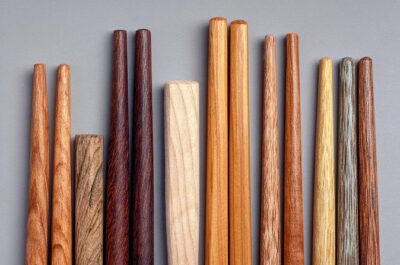
Sushi Making Class in a Happi Coat near a Famous Spot
Read our review →

Sushi Making Osaka Roll and Authentic Japanese Sushi Class
Read our review →Browse the lists this tour appears in