
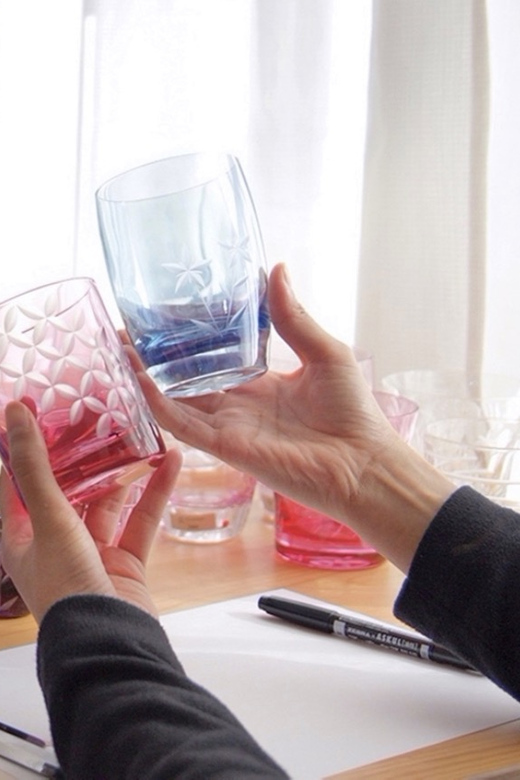
Reviewed · WORKSHOPS
Tokyo: Edo Kiriko Traditional Glass Carving Class
Tokyo has plenty of look-but-don’t-touch culture. This class is different. You get to learn the Edo kiriko glass carving technique firsthand, then take your finished piece home.
I love that you start by practicing and then move to your own design with a lecturer right there to correct your technique. I also like the setup near Asakusa Station, which makes it easy to fit into a normal day of temples and snacks.
One thing to consider: cutting is straightforward, but getting clean, accurate results takes patience. If you pick a very detailed pattern, the time limit can feel tight, so aim for something you can execute calmly.
Key Points at a Glance

- Asakusa Station location: about a 30-second walk from Asakusa Station, with staff escorting you inside
- Edo kiriko practice first: you can train your hand before starting your final design
- Pick your materials: choose from more than 20 glass options plus dozens of pattern samples
- Color choices include blue, pink, and yellow: spread out across clear and colored glass types
- Small-group feel: the class works best when everyone gets time with the instructor
- Take home a real souvenir: your carved glass is meant to be carried out the same day
Edo Kiriko Class in Asakusa: Hands-On Craft, Not Just Photo Time

If you want a Tokyo activity that leaves you with something physical, this Edo Kiriko glass carving class is a strong pick. You are not just watching someone else work. You are learning how the craft is done, with step-by-step guidance as you carve your own pattern into glass.
The best part is that it feels approachable. The instructor guides you through traditional cutting techniques, and you can choose a level that matches your comfort, from beginner to expert. I also like that the teaching stays practical. You are not stuck with vague instructions. You get corrections for what you are doing, not just generic advice.
Your finished piece becomes a real memory of Japan, and not a postcard-sized object you forget in a drawer. Even if your carving is not perfect, you still walk away with something you made yourself.
Also on the shortlist for Tokyo:
- Mt Fuji and Hakone 1-Day Bus Tour Return by Bullet Train
★ 5.0 · 26,383 reviews - 1-Day Tokyo Bus Tour
★ 5.0 · 14,250 reviews - Tokyo: TOKYO SKYTREE® Admission ticket
★ 4.5 · 11,192 reviews
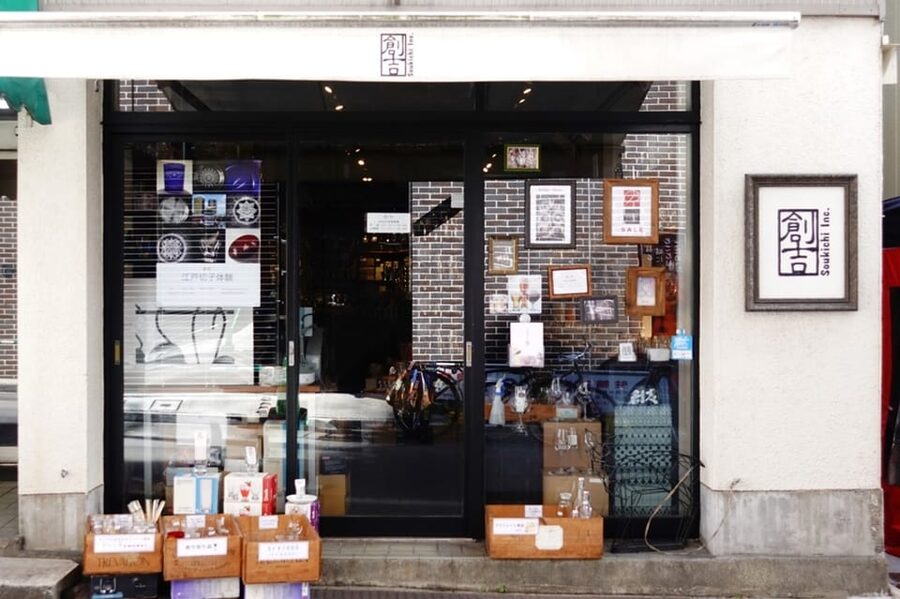
Finding the Workshop Above Sokichi, a 30-Second Walk From Asakusa Station
You start at Sokichi. The shop is listed as a very short walk from Asakusa Station, roughly 30 seconds. When you arrive, talk to a staff member, and they will escort you to the room for your class.
In practice, this kind of location is a win. You do not need a long transit plan, and you can keep your day flexible. Asakusa also gives you an easy pre-or post-class option. It is a short hop to Senso-ji, and the SkyTree area is also within a reasonable walk or quick ride depending on your route.
One logistics detail that matters: transportation is not included. So plan to get yourself there on foot or by train, then enjoy the workshop without worrying about extra coordination.
Choose Your Glass Base and Pattern: Dozens of Samples and Color Options

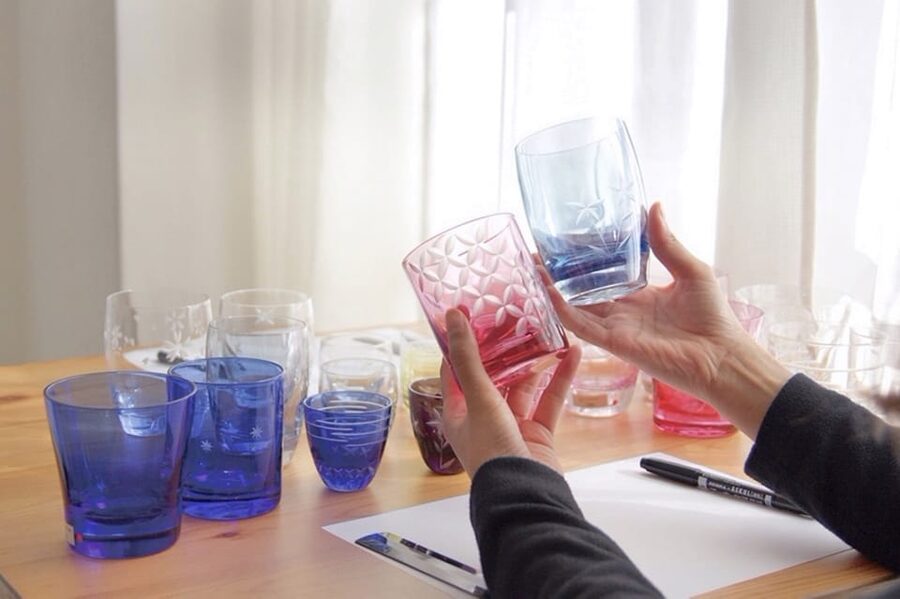
This class is designed around choices. Before you start cutting, you pick what you want to carve and which glass you want it on. You can select your favorite design from more than 20 kinds of glasses, plus dozens of pattern samples.
You also get a defined set of glass types in the course: 6 types of clear and colored glasses. The colored options are blue, pink, and yellow. That matters because the same pattern can look very different depending on the base color and how the carved lines catch the light.
What you should look for in your selection is not just what looks cool on the sample card. Think about contrast and legibility. If you choose a light, delicate pattern, it may be harder to see from a distance once it is in your final piece. If you choose something with thicker, bolder cuts, your carving will be more readable even without close inspection.
Also, do not stress about finding the perfect design. Many people leave happy even when the result is slightly imperfect, because the craft process and guidance are the point.
The 90-Minute Flow: Practice Stars, Then Your Own Edo Kiriko Design
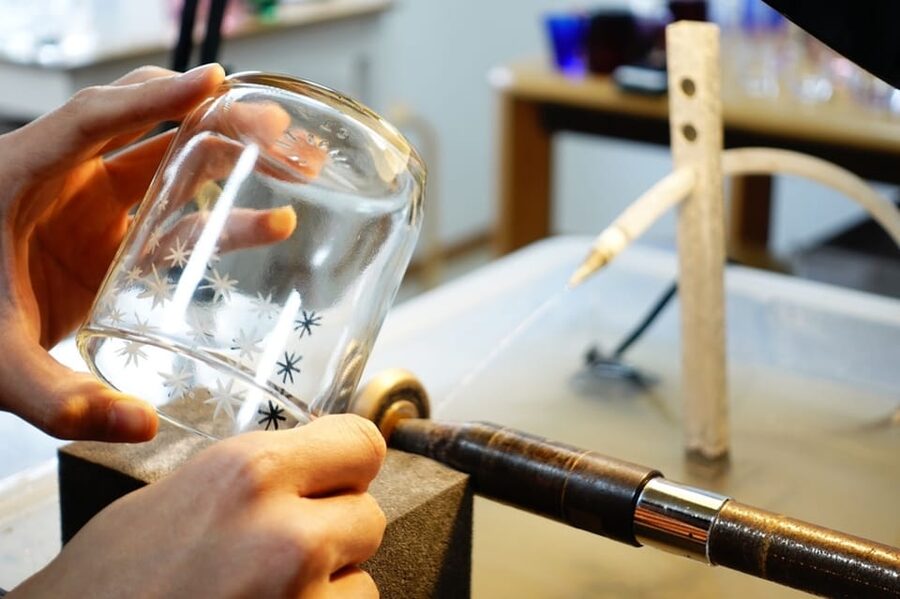
The class runs about 90 minutes. That is long enough to learn the basics, make a plan, practice, and finish a keepsake. It is also short enough that you can treat it like a focused afternoon activity rather than a half-day mission.
A helpful thing is how the session is structured. Several learners highlight that you get time to practice before doing your final piece. In one session, the group started with practice stars. That is a smart approach, because it teaches the motion and control you need before you commit to your chosen design.
Once you begin your own pattern, you work with the instructor next to you. The teaching style tends to be calm and supportive, and corrections are specific. For example, an instructor named Ze was mentioned for patient, thorough guidance, including refining carving choices when the etching lines were crooked.
Time management is the one potential challenge. Cutting and accuracy take concentration. If you select a complicated pattern and try to make every line perfect, you may feel rushed toward the end. If that worries you, pick a design that has clean structure. Your goal is a piece you are proud to carry home, not a machine-level replication.
A change of pace from Tokyo:
- Tokyo: teamLab Planets TOKYO Digital Art Museum Entry Ticket
★ 4.6 · 9,779 reviews - Mt Fuji & Hakone Cruise, Drum Show Bullet Train 1 Day from Tokyo
★ 4.0 · 7,413 reviews - Tokyo: Sumo Show Experience with Chicken Hot Pot and a Photo
★ 4.8 · 6,678 reviews - Tokyo: Shinjuku Food Tour (13 Dishes at 4 Local Eateries)
★ 5.0 · 6,603 reviews
Instructor Support That Makes Beginner Work Feel Possible
The standout theme across experiences is the quality of instruction. People repeatedly mention that the instructor is patient, clear, and helpful when things do not go as planned.
Language support is also a plus. The instructor is listed as offering English and Japanese. In one example, a learner noted the instructor’s English was fully proficient, with critiques that were easy to understand and acted on in real time.
In the craft itself, accuracy is where most beginners struggle. Cutting is not hard to start, but clean, controlled results require steady hands and careful alignment. That is exactly where having an instructor nearby pays off. You get feedback before small mistakes multiply into bigger ones.
If you want to maximize your outcome, come in with a simple mindset: practice first, commit to a realistic design, and be willing to ask questions. If you want context about what you are making, you might also ask for an info pamphlet or background explanation, since one learner found that part was not automatic.
What This Costs, and Why It Still Feels Like Good Value
The price is about $30 per person, with a 90-minute workshop. For a hands-on craft class where you choose materials, learn the technique, and take home your creation, it is easy to see the value.
Here is why the cost feels reasonable for what you get:
- You are paying for an instructor to guide you while you cut
- You get access to multiple glass options, including colored choices
- You receive the carving session plus the glass included in the course
You do not need extra gear like tools. The only specific item you are asked to bring is a hair tie. That small requirement tells you the workshop expects you to keep hair out of the way while working carefully.
The only real “cost” is your time and attention. This is not a quick craft where you freestyle. It is better to show up rested enough to focus.
The Take-Home Moment: A Keepsake You Actually Made
Your finished Edo Kiriko glass is meant to be taken home. That is the whole point of a class like this, and it changes how you remember the day.
Several experiences emphasize that people left with souvenirs they felt proud of, even if their first attempts were imperfect. Some learners said their instructor encouraged them through early carvings that felt shaky, then they ended up with a piece they were genuinely happy to show.
Also, a detail to note: one learner reported taking home two fine glasses. So your final output may vary by session and setup, but the expectation is that you leave with your own carved glasswork.
The practical takeaway for you: plan to protect your glass on the way back to your hotel. No matter how careful you are, glass deserves a bit of respect.
Who Should Book This Edo Kiriko Glass Class
This is a great fit if you want:
- A hands-on Tokyo activity that produces a real souvenir
- A beginner-friendly introduction to traditional Japanese glass carving
- A calm, focused workshop time away from the busiest sightseeing rush
It also works well for people who like structure. You choose your design from sample options, then follow the technique under guidance. If you prefer purely open-ended crafts, this may feel a bit more guided than you want, but that structure is also what helps beginners succeed.
If you are traveling with family or friends, the small-group feel can help everyone get attention. One described session was a group of four, which meant time with the instructor rather than a rushed rotation.
Practical Tips Before You Go
You can make this experience smoother with a few small choices.
First, bring a hair tie. It is listed as required, and it helps you work without hair falling into the work area.
Second, pick a design you can execute with steady control. If you tend to overthink, choose a pattern with clear lines and avoid the most complex option you see in the samples. You can always go back and try again on a different day if you love it.
Third, ask questions during the class. The instructors can correct technique, but they can also explain how designs might look on different glasses. One learner specifically appreciated explanations about how designs change depending on the glass base.
Finally, give yourself time buffer. Even though you start near Asakusa Station, this is a workshop, so arrive a little early if you can. You will be escorted to the room, and the smoother the start, the less rushed your carving will feel.
Should You Book the Edo Kiriko Carving Class at Sokichi?
Book it if you want a traditional craft experience you can actually take home, and you like the idea of learning a technique rather than just watching.
It is especially worth it if you are already spending time around Asakusa and Senso-ji. The location makes it easy to slot in without complicated transportation.
Skip or reconsider if you are only interested in quick, low-focus activities. This class rewards patience and careful work. Also, if you want a very complex design and nothing less, you may feel time pressure in a 90-minute session.
If you match your design choice to your comfort level, you will probably leave with a souvenir that feels personal, not mass-made.
FAQ
How long is the Edo Kiriko glass carving class?
The class lasts 90 minutes.
Where is the meeting point?
You start at Sokichi. The store is about a 30-second walk from Asakusa Station, and staff will escort you to the class room.
What does the price include?
The experience includes the glass carving class, a lecturer, and colored glass.
Is transportation included?
No, transportation is not included.
What should I bring?
Bring a hair tie.
What languages are used during the class?
The instructor provides English and Japanese.
Can I choose my level or design difficulty?
Yes. You can choose from beginner level to expert level.
Latest write-ups near Tokyo
- From Tokyo: Top 5 Scenic Spots of Mount Fuji Full-Day Tour★ 4.5 · 67 reviews
- Tokyo Customized Private Tour: See Top Attractions in 1 Day★ 4.8 · 67 reviews
- Traditional Japanese Music ZAKURO SHOW in Tokyo★ 5.0 · 67 reviews
- Tokyo: Shinjuku Izakaya and Golden Gai Bar Hopping Tour (2h)★ 4.9 · 67 reviews
- Tsukiji: Unlimited Sake Tasting Experience★ 4.9 · 67 reviews
- Samurai Ninja Museum Asakusa: Kid-Friendly Ninja Training★ 4.7 · 67 reviews
- Tokyo: Not a show- a professional sumo practice with experts★ 4.9 · 67 reviews
- Private Harajuku Omotesando Architecture Walking Tour★ 5.0 · 67 reviews
Workshops, compared.

Sushi Making Tokyo Roll and Authentic Japanese Sushi Class
Read our review →

Roll and Authentic Sushi Making Class in Asakusa
Read our review →
Ramen Cooking Class at Ramen Factory in Kyoto
Read our review →
Sushi Making Class in a Happi Coat near a Famous Spot
Read our review →

Sushi Making Osaka Roll and Authentic Japanese Sushi Class
Read our review →Browse the lists this tour appears in