
Reviewed · WORKSHOPS
Tokyo: Making a Lantern Workshop in Asakusa with a Craftsman
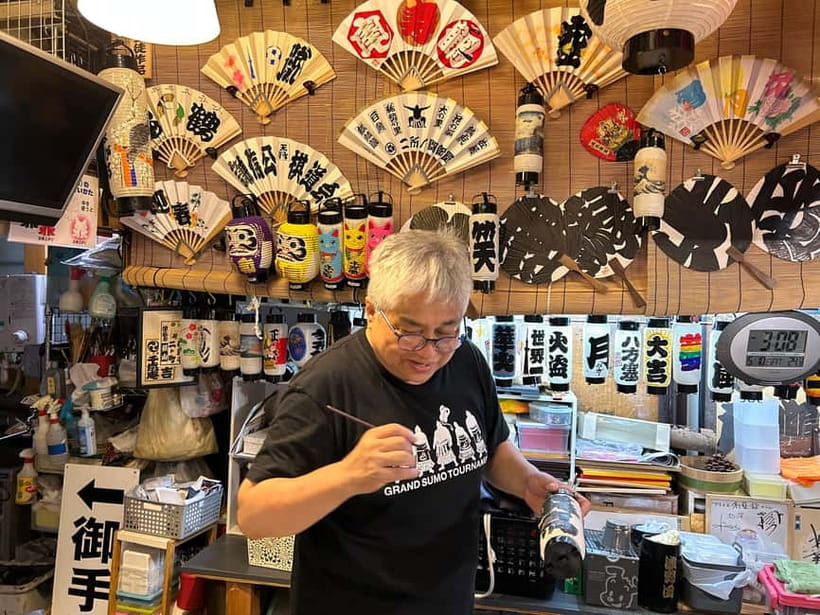
This lantern workshop in Asakusa is interesting because you are not just watching craft, you are making a chōchin lantern inside a long-running lantern atelier. I love working with authentic materials like washi paper, and I also love how the lesson sticks to real technique, from the paper work to finishing touches. One thing to consider is the meeting point changes during 2026 Grand Sumo Tournament dates, so you have to double-check your booking date.
The studio environment helps too. Colorful lanterns are everywhere, and the workshop is friendly for families and solo travelers. I also like that you get a guide or interpreter in English, so you can actually ask questions instead of just copying what you see.
Key things I’d put on your shortlist
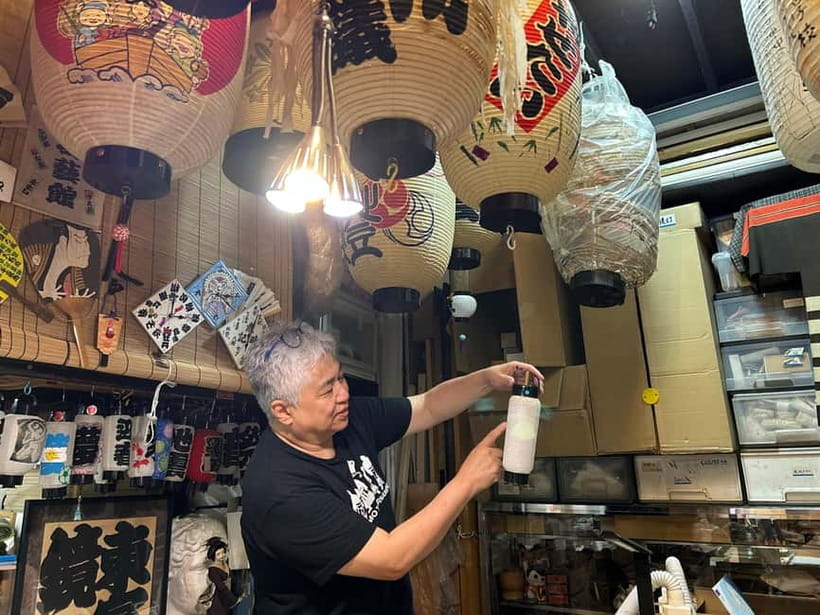
- A 100+ year-old lantern atelier in Tokyo, so the workshop feels rooted in a real craft home
- Real chochin technique, taught by a lantern master artisan, not a generic demo
- Washi paper and bamboo materials, with all the supplies included
- You take home your finished lantern, ready to display or gift
- Photos are welcome, and the studio is genuinely pretty for pictures
- Grand Sumo affects the venue, with a different meeting point during official tournament periods
Why Asakusa chōchin lantern making feels more personal than a typical craft stop
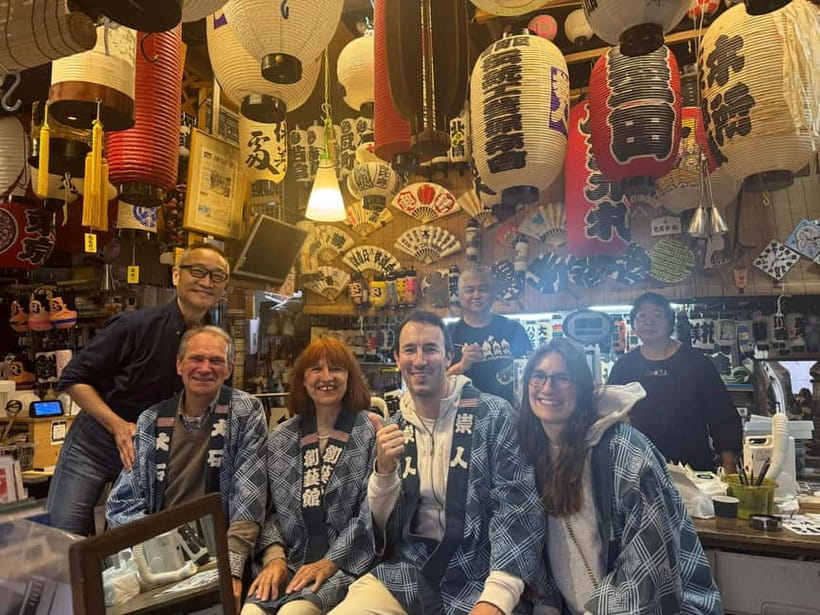
A lot of Tokyo workshops are fun, but they can feel like you are following a worksheet. This one has a different rhythm. You walk into a traditional lantern workshop where the craft is the main event, and the people there treat your lantern like it matters.
You will start by learning what chochin are and why they are beautiful, then you move into hands-on making with guidance. The key detail for me is that the atelier is not acting like a museum. It is working craft space, the kind where you can feel the tools and process are part of everyday life for the makers.
I also like that the experience is built for you to actually leave with a physical souvenir that is yours. Many Tokyo “experience” photos look great on Instagram, then you forget the object later. Here, you take home the lantern you made, and the materials are substantial enough to feel like a real handmade item, not a quick craft kit.
The setting is especially important if you are doing this after sightseeing all day. It is a calmer kind of Tokyo activity. Instead of sprinting from shrine to shopping street, you slow down and work with your hands.
Also on the shortlist for Tokyo:
- Mt Fuji and Hakone 1-Day Bus Tour Return by Bullet Train
★ 5.0 · 26,383 reviews - 1-Day Tokyo Bus Tour
★ 5.0 · 14,250 reviews - Tokyo: TOKYO SKYTREE® Admission ticket
★ 4.5 · 11,192 reviews
The 2-hour flow: from learning what chochin mean to taking your lantern home
Your workshop is designed around a simple arc: learn a little, make a lot, finish with something you can carry.
1) Start with context and the craft story
You get an introduction to the origins and meaning of Japanese lanterns (chōchin). This is the part that gives the lantern-making more weight than just decoration. You are not just tracing shapes, you are understanding what you are making.
2) Hands-on making with washi paper and traditional tools
No prior experience is needed. You will use washi paper and traditional methods to build your lantern. Bamboo is part of the materials, and you work with glue and brushes as instructed. This is where patience pays off. The paper work looks simple, but it rewards careful handling.
3) Time for decorative work
Depending on the session and what you choose, you may spend time adding details to personalize your lantern. One of the strongest details from past participants is that there can be a calligraphy component that takes longer than you expect. That is actually a good thing here, because the workshop time is long enough to do it without feeling rushed.
4) Finish, photos, and take-home packing
The studio is full of colorful lanterns, and you can take photos during the experience. When you are done, you take your completed lantern home. Some sessions also offer you the chance to buy a professionally made lantern on-site, which is handy if you fall in love with the style and want a bigger or more intricate piece.
Two hours goes by faster than you think once you get into the craft. The workshop structure keeps you moving, but not so fast that your lantern looks messy.
The craft details that make your lantern feel real: bamboo, washi paper, and careful finishing
Let’s talk materials, because they are the difference between a cute souvenir and a piece you want to keep.
Washi paper is the heart of the lantern
Washi gives your lantern that authentic look and feel. It is also delicate compared to normal craft paper, which means you get a real sense of why Japanese lantern craft is respected. The maker guidance matters here, especially for smoothing, shaping, and placing paper neatly.
Bamboo provides structure
You are using bamboo along with the paper materials, so your lantern has a real frame and form. That structure is what helps the finished lantern feel like an actual lantern instead of a flat craft.
You might work with ink or paint
The workshop can involve ink or paint, so wear clothes you do not mind getting stained. This is the kind of practical note that saves you from ruining your favorite shirt. It is also why I suggest bringing a shirt you are okay with, then you can focus on the craft instead of worrying.
A nice bonus is that everything is included. Materials like bamboo and washi paper, plus glue and brushes, are part of the workshop. That means you do not need to track down craft supplies in Tokyo on the same day.
The human touch: how guides like Rinka and Noriko shape the experience
Even if your hands are the focus, the people around you change the whole feel of the workshop.
Past participants have highlighted guides who helped bridge language and also made the experience comfortable for solo guests. For example, one guide named Rinka was praised for kindness and for sharing Tokyo recommendations. Another guide named Noriko was described as friendly and knowledgeable, and the experience felt smoother because she could communicate with the master artisan.
If you are traveling solo, this matters. You are not left standing there with a “good luck” vibe. The guide support makes it easier to ask basic questions and get help when you hit a tricky paper step.
The atelier also involves the master craftsperson. One set of reviews names the master as Oyakata, with Co-master Uehala and Park involved in the instruction. Another name that came up as a translator/interpreter was David Park. Those names show you the workshop is genuinely craft-led, with people who care about doing the process correctly.
If you like learning by watching and then trying yourself, this kind of instruction style tends to click fast.
A change of pace from Tokyo:
- Tokyo: teamLab Planets TOKYO Digital Art Museum Entry Ticket
★ 4.6 · 9,779 reviews - Mt Fuji & Hakone Cruise, Drum Show Bullet Train 1 Day from Tokyo
★ 4.0 · 7,413 reviews - Tokyo: Sumo Show Experience with Chicken Hot Pot and a Photo
★ 4.8 · 6,678 reviews - Tokyo: Shinjuku Food Tour (13 Dishes at 4 Local Eateries)
★ 5.0 · 6,603 reviews
Price and value: is $96 worth it for 2 hours and a take-home lantern?
At $96 per person for a 2-hour workshop, you are paying for more than “someone hands you paper.” You are paying for:
- Access to a 100+ year-old atelier in Tokyo
- Instruction from a chochin master artisan and an English-speaking guide or interpreter
- Included materials like bamboo and washi paper plus tools
- A completed lantern you take home
In practical terms, the value comes from the object quality and the instruction. If you were to buy an equivalent handmade lantern as a souvenir, you would likely spend more. Even if you only compare against craft classes that provide basic take-home items, this one stands out because it is centered on traditional materials and an artisan-led process.
Also, the time matters. Two hours is long enough to feel like you accomplished something, including longer decorative steps like calligraphy when they are part of your session.
If you are the type who likes “make it, don’t just see it,” this price lands in the sensible zone.
Location near Tokyo Skytree, plus the Grand Sumo venue switch in 2026
This workshop is near Tokyo Skytree (Oshiage Station), which makes it a good match for an Asakusa plus Skytree day. You are in Sumida City territory, in an area that fits the lantern vibe well.
Now the part you must not ignore. The meeting point changes during official Grand Sumo Tournament periods in 2026. The address depends on your booking date.
- Regular workshop meeting point: 10-8 Yokokawa, Sumida City, Tokyo (〒130-0003)
- Special workshop meeting point during official sumo periods: Ryogoku Kokugikan area, 1st floor, 1-3-20 Yokoami, Sumida City, Tokyo (〒130-0015)
The official tournament periods listed for 2026 are:
- January 11 to 25, 2026
- May 10 to 24, 2026
- September 13 to 27, 2026
That venue shift is a real consideration. It can change the feel of where you meet and how the day starts. Double-check the date on your confirmation message, then check the meeting address right before you leave.
Who should book this, and who might want to choose differently
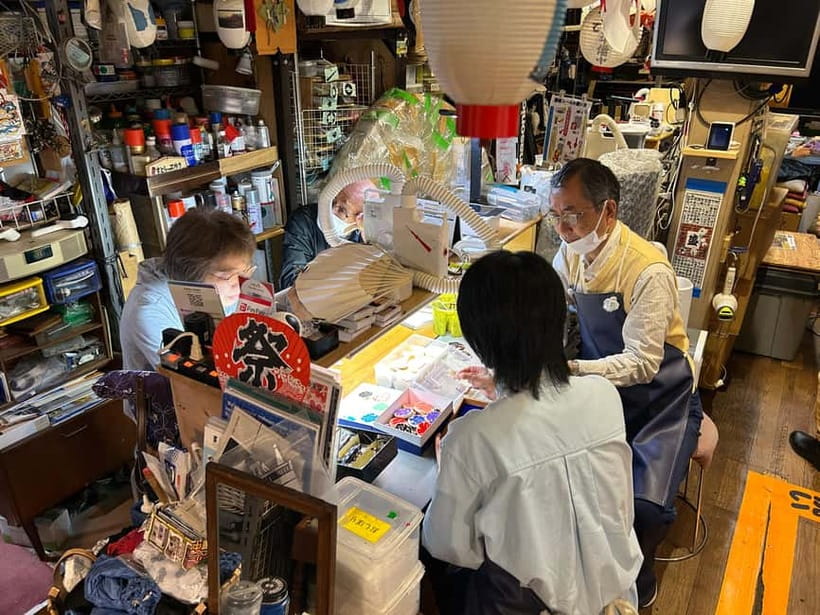
This workshop is a great fit if you want a hands-on cultural activity that still feels relaxed. It is suitable for ages 6 and up, and there is no prior experience needed. Kids and parents usually like it because everyone gets to make something physical.
It also works well if you are a solo traveler. Past participants described feeling comfortable and welcomed even when joining alone, and a guide can keep you connected to the process.
Here is where you might hesitate:
- If you hate getting a little messy, remember there can be ink or paint, and your clothes may get stained.
- If your only goal is a quick photo stop with zero effort, this is not that. You will be making, not just walking through.
- If you are traveling with pets, pets are not allowed.
If you want a Tokyo memory that lives on your shelf or in a display case, this one is built for that.
Should you book the Tokyo chochin lantern workshop in Asakusa?
Book it if you want an artisan-led Tokyo experience where you take home a handmade lantern made with washi paper and bamboo. The $96 price makes sense because it includes materials and guidance, plus the completed lantern is the main event.
I would also book it if you like learning from real craft people. The presence of named guides in English support, plus the master and co-masters involved, suggests the lesson quality is the focus, not just the activity checkbox.
Think twice only if you are going during the Grand Sumo periods and you are the kind of traveler who forgets to re-check meeting locations. Once you confirm the correct meeting point for your exact date, that problem disappears.
If you want a quieter, creative break from Tokyo’s walking marathon, this is one of the better ways to spend two hours, and it ends with something you can actually bring home.
FAQ
Where is the meeting point for the lantern workshop?
The meeting point depends on your booking date. Outside official Grand Sumo Tournament periods, the regular meeting point is 10-8 Yokokawa, Sumida City, Tokyo (〒130-0003). During official Grand Sumo Tournament periods, it changes to the Ryogoku Kokugikan area, 1st floor, 1-3-20 Yokoami, Sumida City, Tokyo (〒130-0015).
How long is the workshop, and what time commitment should I plan for?
The duration is 2 hours.
How much does the workshop cost?
The price is $96 per person.
What age is the workshop suitable for?
It is suitable for ages 6 and older. It is not suitable for children under 6.
What should I bring?
Bring a passport or ID card. Also, the workshop may involve ink or paint, so wear clothes you do not mind getting stained.
Do I need to arrange transportation and meals?
Transportation to and from the venue is not included. Meals or drinks are also not included.
Latest write-ups near Tokyo
- Tokyo Nights: Shibuya Photo Adventure★ 5.0 · 20 reviews
- Wagyu & Sake 8 Course Tasting Dinner in Shinjuku★ 4.9 · 20 reviews
- Making Japanese desserts Nerikiri & drinking matcha in Tokyo★ 5.0 · 20 reviews
- Mt. Fuji 5th Station, Owakudani Ropeway, Pirate Ship plus Outlet shopping!★ 4.5 · 20 reviews
- Japanese Whisky Hunting《HIGH-QUALITY-ONLY》Rare Tasting Class★ 5.0 · 20 reviews
- Kintsugi Experience with Arita Ware in Tokyo (English Guide)★ 4.8 · 20 reviews
- This is Asakusa! A Tour Includes the All Must-Sees!★ 5.0 · 20 reviews
- Tokyo: Karate Experience with Former All-Japan Champion★ 5.0 · 20 reviews
Workshops, compared.
Sushi Making Tokyo Roll and Authentic Japanese Sushi Class
Read our review →

Roll and Authentic Sushi Making Class in Asakusa
Read our review →
Ramen Cooking Class at Ramen Factory in Kyoto
Read our review →
Sushi Making Class in a Happi Coat near a Famous Spot
Read our review →

Sushi Making Osaka Roll and Authentic Japanese Sushi Class
Read our review →Browse the lists this tour appears in