
Reviewed · WORKSHOPS
Tokyo Photography Masterclass – Private Photography Lesson
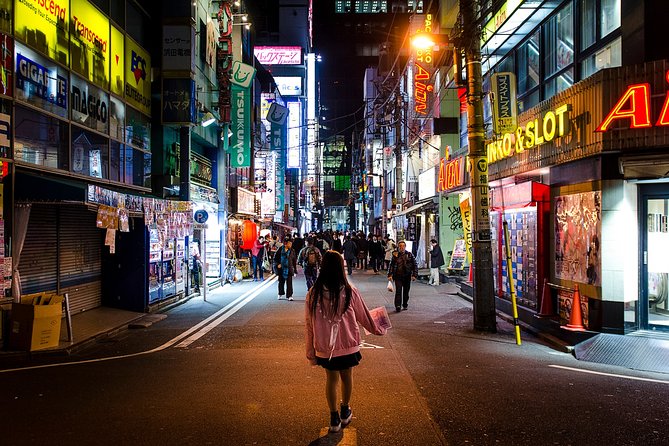
Tokyo can be a photography overload in the best way. This private Tokyo Photography Masterclass turns that visual chaos into a clear set of shooting skills you can use right away. You start in the middle of Shibuya life and work your way through scenes that actually force you to think about framing, light, and timing.
I like that it is truly private, so you can spend time on the exact subjects you care about, not a one-size-fits-all checklist. I also like the mix of practical technique, composition, and hands-on shooting, including fundamentals like aperture, shutter speed, ISO, and focusing, plus a chance to review what you made. One thing to consider is that a camera and tripod are not included, though a tripod can be rented, so plan accordingly.
Key Highlights You Can Expect in This Tokyo Photo Lesson
- Private coaching so the route can match your interests, from Shibuya hotspots to calmer temple streets
- Composition fundamentals in action using lines, repetition, texture, and angles while you shoot
- Both street and night options including neon Shinjuku or quieter Asakusa around Senso-ji after dark
- Hands-on camera settings practice with real guidance on aperture, shutter speed, ISO, and focus
- A friendly, experienced guide style, with one instructor named Karl specifically described as effective and easy to learn from
What This 3-Hour Tokyo Photography Masterclass Really Teaches
This is not just a photowalk where you follow someone and hope your pictures improve. It is a lesson designed to sharpen how you see, then help you control the look of your photos. In roughly three hours, you work on composition, learn how to spot better subjects, and connect those choices to camera settings.
You will cover composition techniques like lines, repetition, texture, and angles. That matters because Tokyo can drown you in eye candy. The skill is knowing how to turn what you see into something you meant to photograph.
You also work on the basics that change everything fast: aperture, shutter speed, ISO, and focusing. Even if you already know the terms, this kind of focused, guided practice helps them click in the field, not just in a lesson room.
Also on the shortlist for Tokyo:
- Mt Fuji and Hakone 1-Day Bus Tour Return by Bullet Train
★ 5.0 · 26,383 reviews - 1-Day Tokyo Bus Tour
★ 5.0 · 14,250 reviews - Tokyo: TOKYO SKYTREE® Admission ticket
★ 4.5 · 11,192 reviews
Shibuya Start Point: Hachiko Statue and Learning to Frame Fast
Your session begins at the Hachiko Statue in Shibuya, 2 Chome-1 Dogenzaka. This is a smart place to start, because the area gives you immediate variety: wide views, tight details, and moving people you can use to practice timing.
From the start, you get the chance to work on a major street photography challenge, framing quickly while the scene changes every second. If you want that iconic Shibuya crossing look, this is where you can aim for it, and your instructor can help you decide where to stand, how to aim, and what settings to try for the effect you want.
Practical note: with crowds, you will spend less time setting up and more time making deliberate choices. That is a good training environment. You learn to commit to a composition, shoot a few variations, and keep moving.
Shibuya Street Scenes to Back Streets: Lines, Angles, and Texture Under Pressure
After Hachiko, the flow is usually about Shibuya street scenes and then pushing into back streets. The point of that switch is simple. Big landmarks teach scale. Side streets teach detail.
In Shibuya, you can practice lines and angles almost immediately. Think about things like crossing walkways, building edges, signage rows, and layered sidewalks. When your guide points these out, your camera becomes less of a record button and more of a tool for organizing a busy scene.
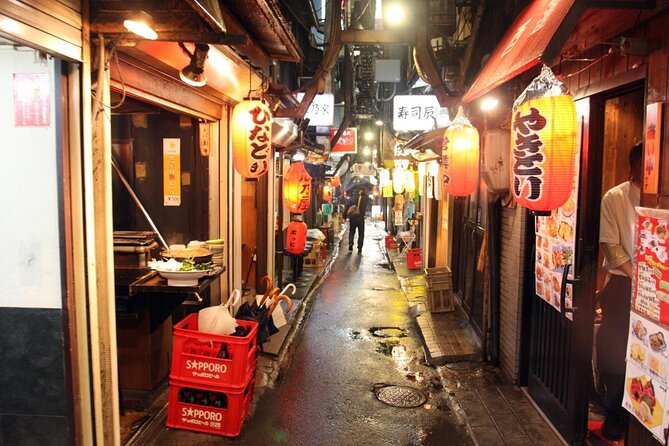
Then the back streets help you slow down visually, even if people keep moving. You can look for texture, repetition, and small visual patterns. This is where you can start building a mini story in your photos, instead of collecting random shots.
A drawback to keep in mind: street conditions can be unpredictable. If you are chasing a specific exact shot, like a perfectly timed moment, you may need a few tries. A private lesson helps because your instructor can adjust the plan on the fly, but the city does not pause for your camera.
Harajuku Youth Fashion: Turning Style Into Strong Photographs
From Shibuya, the lesson often continues toward Harajuku, especially if your interests include people, fashion, and street energy. Harajuku is a photography classroom because it naturally creates bold subjects and clear visual contrast.
This is also where composition rules become more than academic talk. Your guide can help you use angles so the outfit or character becomes the focal point, not just another detail in the background. Repetition can show up in color blocks, patterns, and group styles, giving you a satisfying visual rhythm across multiple shots.
If you want to photograph people, you will still be in the role of observer, not a production crew. The value here is that you learn how to frame without wasting time, and how to keep your focus on subject and lighting rather than the gear. That is what leads to photos that look intentional.
A change of pace from Tokyo:
- Tokyo: teamLab Planets TOKYO Digital Art Museum Entry Ticket
★ 4.6 · 9,779 reviews - Mt Fuji & Hakone Cruise, Drum Show Bullet Train 1 Day from Tokyo
★ 4.0 · 7,413 reviews - Tokyo: Sumo Show Experience with Chicken Hot Pot and a Photo
★ 4.8 · 6,678 reviews - Tokyo: Shinjuku Food Tour (13 Dishes at 4 Local Eateries)
★ 5.0 · 6,603 reviews
Night Photography Options: Shinjuku Neon or Asakusa Quiet Around Senso-ji
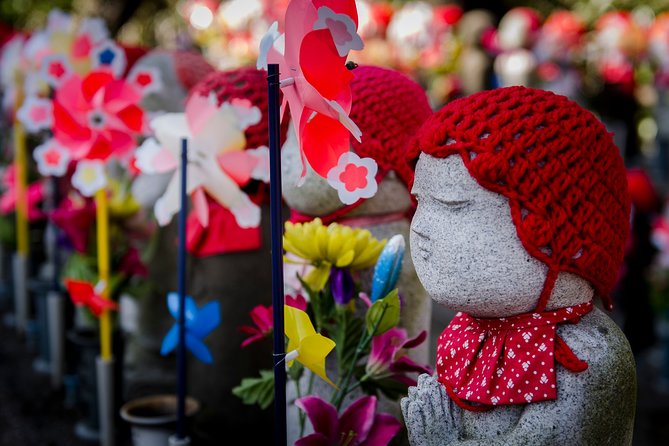
Tokyo at night is a different city. This masterclass can run a night-focused route, typically built around one of two moods.
One option leans toward Shinjuku, where you can shoot neon lights, skyscrapers, and high-energy streets. This is ideal if you want dramatic colors, reflections, and that futuristic Tokyo feel. The skills you learn earlier, like choosing your exposure and controlling blur with shutter speed, become instantly relevant.
The other option turns calmer around Asakusa and Senso-ji after dark. Temple streets at night can make it easier to concentrate on a subject without constant visual noise. You can practice clean compositions with fewer distractions, then refine details near the shrine area and quiet paths nearby.
Here is the main consideration for night sessions: low light changes your whole approach. Even if you are comfortable with settings, night photography rewards patience, steady hand technique, and smart location choices. A private guide helps you avoid the common mistake of shooting in the wrong spot and blaming your camera.
Camera Settings You’ll Actually Use: Aperture, Shutter Speed, ISO, Focus
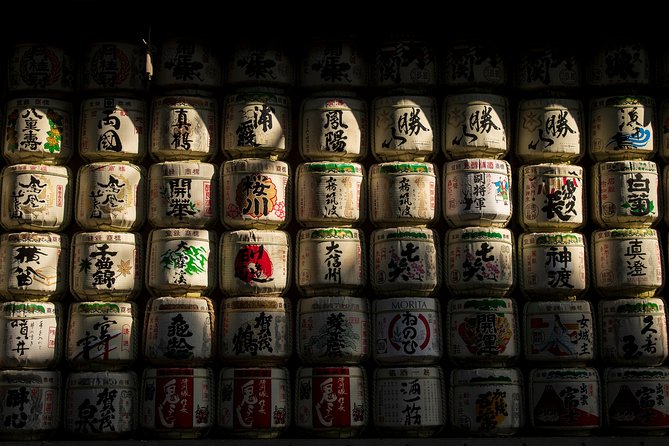
What I find most useful about lessons like this is that camera settings are explained in relation to what you are seeing right now. Instead of memorizing numbers, you learn what each setting does for your specific scene.
You will work on:
- Aperture for controlling background separation and depth of field
- Shutter speed for freezing movement or creating motion effects
- ISO for balancing brightness and noise
- Focusing so the subject is sharp when it matters
Street and night scenes are perfect for this because the light changes and people move constantly. If you want a sharper subject with less blur, you need to make deliberate choices. If you want a moody blur for passing traffic or streak effects, you need a different set of priorities.
Also, your guide can help you review results along the way. That feedback loop is where improvement happens quickly. You try a setting, shoot a few frames, and adjust based on what you see on your own screen.
Reviewing Your Photos: Learning From What You Shot, Not Just What You Planned
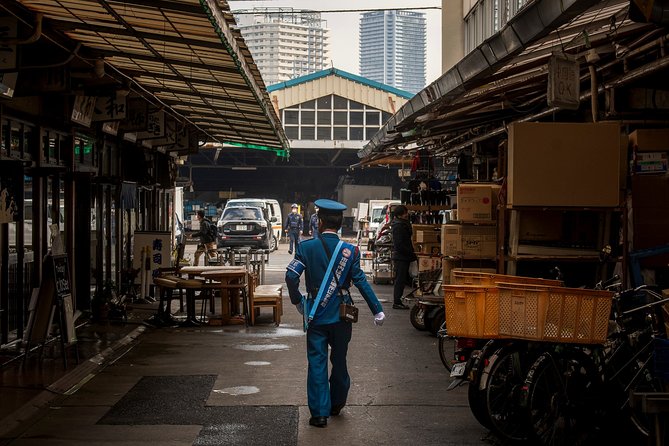
A lesson that stops after you walk and shoot does not always improve your eye. This one includes reviewing your photography, which is where you connect the dots between intention and output.
You will look at composition choices and lighting choices, then translate them into clearer next shots. That is especially valuable in Tokyo, where you can shoot hundreds of images and still feel unsure why some work and some do not.
If you are a beginner, this review prevents you from guessing. If you are semi-advanced, it saves time by focusing your attention on the exact decisions that will level up your photos.
One instructor named Karl is described as sharing knowledge effectively and being friendly, which is huge. The best photo teachers explain without making you feel behind, and they give you a few simple adjustments that you can use immediately.
Why the Private Format Helps You Improve Faster Than a Group Walk
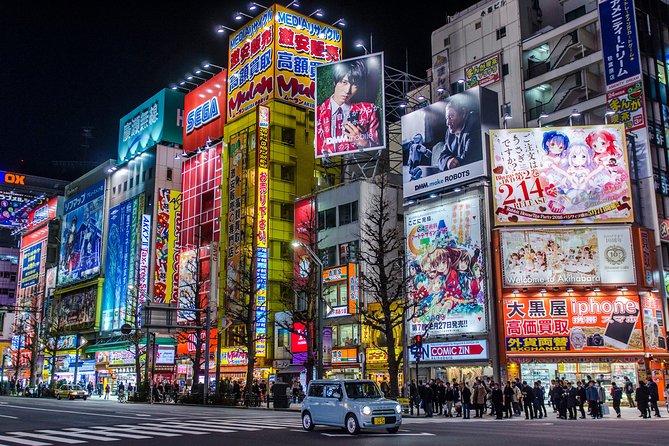
This is a private tour/activity, so only your group participates. That changes everything. In a group, you often wait for others to catch up or miss the chance to ask a question. Here, your instructor can respond directly to what you are trying to make.
Because the tour is crafted for each guest, you can steer the session. If you want a shot of Hachiko Crossing, you can spend more time on the right angles and timing. If you want something quieter, you can focus on temple atmosphere around Senso-ji or slower back-street scenes.
Private coaching also means you can stop chasing perfection. Your guide can nudge you toward practical steps: choose a compositional rule for the next five frames, then switch once you get the hang of it. That structured approach makes your three hours feel longer in results.
Gear and Practical Tips: What to Bring for a Better Tokyo Shoot
A camera is not included, and a tripod is not included either. A tripod is available to rent, but you should decide early if you actually need one. For night photography, it can help, especially if you want longer exposures or cleaner detail.
If you do not have a tripod, you still have options. Look for spots where you can stabilize yourself with a wall, a railing, or by using a shorter shutter speed with higher ISO. Your instructor can guide you based on what you bring, since the whole lesson centers on controlling settings and focus.
Wear shoes you can walk in. Tokyo foot traffic can be constant, and even within three hours, you will cover enough ground to make comfort matter. Also, expect the route to work around real street conditions, so bring a layer even if the forecast looks mild.
Finally, if you plan to shoot in low light, keep an eye on battery life. Night sessions can drain power, especially if you review your images often.
Price and Value: Is $190 Per Person Worth It?
At $190 per person for about three hours, this is not a bargain-bin activity. It also is not pricing you like a huge production. The value comes from three things that are hard to replicate on your own.
First, it is private coaching. If you are traveling with one other person, the cost per person becomes easier to justify because you both get hands-on feedback. If you are solo, you are essentially paying for a dedicated instructor to help you move faster than trial-and-error.
Second, you get instruction that covers both seeing and settings. A lot of photo tours focus on one side. This one connects composition skills, camera control, and on-location practice, then adds review so you do not repeat the same mistakes.
Third, the route can match what you care about. If you are the type who wants specific scenes like Hachiko, or you want night mood around Shinjuku or Asakusa, that tailoring is worth something. You are not paying just to be led to photos. You are paying to learn how to get them.
There are group discounts and a mobile ticket, which helps with planning. Booking is often done around 24 days in advance on average, so if you have fixed travel dates, you will want to lock it in early.
Who This Tokyo Photo Masterclass Fits Best
This experience is suitable for all levels. That includes people just picking up a camera and semi-professionals who want more focused, field-based feedback.
I think it is especially good if you:
- Want to improve quickly with practical instruction, not theory
- Enjoy street photography and want better composition decisions
- Are interested in night photography, including neon streets or Senso-ji at night
- Want a private route that can focus on specific Tokyo subjects
If you prefer to photograph at your own pace with no structure, this might feel more guided than you want. But if you like clear prompts and immediate shooting practice, it is a strong match.
Should You Book This Tokyo Photography Masterclass?
If you want photos you can be proud of, with a method you can keep using on your next day in Tokyo, I would book it. The combination of composition training, camera settings coaching, and photo review is exactly what turns a walk into real improvement.
I would pass if you already know your settings cold, travel with a very specific shot plan, and only need a location guide. In that case, you might save money by self-guiding. But if you want the fastest path from seeing Tokyo to photographing Tokyo well, this private lesson gives you a smart, efficient start.
FAQ
How long is the Tokyo Photography Masterclass?
It runs for about 3 hours.
Where does the tour start and end?
It starts at the Hachiko Statue, 2 Chome-1 Dogenzaka, Shibuya, Tokyo 150-0043, Japan. It ends back at the meeting point.
Is this tour private or group-based?
This activity is private, so only your group participates.
Do I need to bring a camera or tripod?
A camera is not included. A tripod is not included either, though it is available to rent.
Is the tour suitable for beginners?
Yes. It is suitable for all levels, including people just picking up a camera for the first time.
What does the price include?
It includes a professional photographer guide, a private tour, and a local guide.
Is there a cancellation option if my plans change?
Yes, there is free cancellation. You can cancel up to 24 hours in advance of the start time for a full refund.
Latest write-ups near Tokyo
- Tokyo Customized Private Tour: See Top Attractions in 1 Day★ 4.8 · 67 reviews
- From Tokyo: Top 5 Scenic Spots of Mount Fuji Full-Day Tour★ 4.5 · 67 reviews
- Traditional Japanese Music ZAKURO SHOW in Tokyo★ 5.0 · 67 reviews
- Tokyo: Shinjuku Izakaya and Golden Gai Bar Hopping Tour (2h)★ 4.9 · 67 reviews
- Tsukiji: Unlimited Sake Tasting Experience★ 4.9 · 67 reviews
- Private Harajuku Omotesando Architecture Walking Tour★ 5.0 · 67 reviews
- Samurai Ninja Museum Asakusa: Kid-Friendly Ninja Training★ 4.7 · 67 reviews
- Tokyo: Not a show- a professional sumo practice with experts★ 4.9 · 67 reviews
Workshops, compared.
Sushi Making Tokyo Roll and Authentic Japanese Sushi Class
Read our review →
Roll and Authentic Sushi Making Class in Asakusa
Read our review →
Ramen Cooking Class at Ramen Factory in Kyoto
Read our review →
Sushi Making Class in a Happi Coat near a Famous Spot
Read our review →
Sushi Making Osaka Roll and Authentic Japanese Sushi Class
Read our review →Browse the lists this tour appears in