
Tokyo has no shortage of food, neon, and people. What makes this experience genuinely interesting is that, right in Shinjuku, you trade the rush for a focused, hands-on craft. You carve, smooth, and finish your own chopsticks while an English-speaking instructor, like Masa or Shu, talks you through the steps at your pace.
I like two things a lot. First, it’s wonderfully beginner-friendly and calming, even if your hands are not used to working with wooden tools. Second, you leave with something real, a pair of handmade chopsticks you can use at home, gift, or just keep as a story from Japan.
The main drawback to consider is that some parts can get harder depending on what wood you choose. A few people noted that the provided wood options have different difficulty levels, and extras like upgraded wood or engraving can add cost.
Key things to know before you start
- Traditional tools, real technique: You work with authentic methods, not a simplified demo.
- English support: Instructors such as Koji, Yuki, and Mimi guide step by step in English.
- Two wood types are included: Other woods cost extra, and some are more challenging.
- You personalize the finish: Basic results are included, and engraving can be added for an extra fee.
- The room is compact: Expect a small workshop setup with a few work tables and short working sessions.
- Wood shavings may be allowed: You might be able to take them, but check what’s allowed for import rules.
Why Shinjuku’s chopstick workshop feels like a mini escape
Shinjuku can feel like sensory overload. This class is the opposite. You sit down at a work table, get tools in hand, and focus on something physical and simple: shaping a piece of wood into chopsticks.
Instructors set the tone quickly. Many classes here are run by patient people who explain clearly, like Koji, Yuki, Shu, or Masa. The vibe tends to be encouraging. When someone struggles, the staff steps in right away to get you back on track.
And yes, you’re making a daily-life object. That matters. Chopsticks are everywhere in Japan, but making them yourself turns an everyday item into a small, tangible lesson in Japanese care and precision.
Also on the shortlist for Tokyo:
- Mt Fuji and Hakone 1-Day Bus Tour Return by Bullet Train
★ 5.0 · 26,383 reviews - 1-Day Tokyo Bus Tour
★ 5.0 · 14,250 reviews - Tokyo: TOKYO SKYTREE® Admission ticket
★ 4.5 · 11,192 reviews
Meeting on the 10th floor: where the class actually starts
Logistics in Shinjuku can be confusing, so I like that this one gives a clear target. You meet at the 10th floor of the Shinjuku West Building, and you should come up using the elevator.
The building is the one with 617 Bar nearby, close to the post office. If you like having a backup, you also have the coordinates: 35.6959774, 139.6984349.
Once you’re inside, the workshop setup is intentionally small. One review described a compact room with only a handful of work tables and seats. That small size is part of why the class can feel personal and why instructors can notice when your carving needs adjusting.
You also skip the ticket line, which is helpful in a busy area. You show up, check in, and get to the point.
Choosing wood like a pro: included options and difficulty levels
The ticket includes a choice of wood, and two wood types are included. That choice isn’t just about color. People noted that different woods can have different difficulty levels, so your comfort with carving matters.
Here’s the practical way to think about it:
- If you want a smoother start, pick the wood that the instructor suggests for first-timers.
- If you want a firmer challenge, you might choose the option that takes more effort, but be ready to slow down.
Some people also mentioned that higher grade wood options cost extra. So, if you see upgraded wood offered on site, treat it like an add-on choice, not an automatic inclusion.
One nice detail: instructors often help with the whole process, not just the technical steps. That means if your carving looks uneven at first, you can still finish with a pair you’re proud to take home.
Carving session: shaping, smoothing, and learning the Japanese technique
This is the heart of the class: you carve your chopsticks using traditional tools and Japanese technique. The instructor breaks the work into small, manageable actions.
You’ll spend time shaping the wood into the correct chopstick form, then smoothing the surface. The class is built so you’re not just following without understanding. You learn what you’re doing and why, which makes the hour feel less like a task and more like a craft lesson.
A few people found the experience soothing. It has that calm, rhythmic feel because you’re repeating controlled motions. It’s also hands-on in a way that’s easy to grasp across language barriers, especially with the staff guiding you.
One practical note: carving can be slower than you expect at first. That’s normal. In a couple of cases, people finished faster than they thought, but plan to enjoy the process rather than rushing. If you rush, you’re more likely to get frustrated when the wood doesn’t cooperate.
A change of pace from Tokyo:
- Tokyo: teamLab Planets TOKYO Digital Art Museum Entry Ticket
★ 4.6 · 9,779 reviews - Mt Fuji & Hakone Cruise, Drum Show Bullet Train 1 Day from Tokyo
★ 4.0 · 7,413 reviews - Tokyo: Sumo Show Experience with Chicken Hot Pot and a Photo
★ 4.8 · 6,678 reviews - Tokyo: Shinjuku Food Tour (13 Dishes at 4 Local Eateries)
★ 5.0 · 6,603 reviews
Personalizing and finishing: take-home wrapping, optional engraving, and shavings
When your chopsticks are finished, you take them home. They’re provided with a special wrapping, so you can pack them easily and keep them souvenir-safe.
Many classes also allow personalization. A common add-on is engraving, such as a laser name. One review gave an example price of 2000 JPY for engraving, so it’s not automatically included in your $12 base experience.
If you want photos, ask. People mentioned that staff offered to take pictures for participants, which is a small thing, but it turns your craft into a real memory you can share.
Another detail that surprised some people: wood shavings. At least one participant said they were allowed to keep the shavings, and they noted the wood wasn’t treated. That can be handy for craft ideas at home, but if you’re traveling internationally, it’s smart to check what your destination allows for wood products.
Price and value check: what $12 really gets you in Shinjuku
At $12 per person for about 1 hour, the value is strong because you get:
- A guided hands-on workshop
- English-speaking instruction
- Wood choice (two types included)
- Your own finished pair of chopsticks
The class feels like good value because your output is the point. You’re not paying for a lecture. You’re paying to make something tangible with staff support.
Where extras may appear:
- Upgraded wood options beyond the two included types
- Engraving, for example laser name (2000 JPY was mentioned)
That’s not a red flag. It’s fairly common for craft workshops to offer upgrades. The key is to decide upfront what matters to you. If you just want a solid souvenir and a fun skill, the base includes what you need. If you want it more personal, budget a little extra for engraving or higher grade wood.
Who should do this chopstick class, and who might skip it
This workshop suits a lot of travelers:
- First-time Japan visitors who want something cultural but not museum-heavy
- Families with kids who can sit and focus for an hour
- Solo travelers who like doing something hands-on and chatting with the group
- Anyone who enjoys making things, even if you’re not crafty
A few reviews also described it as a good way to unwind after a long day. That’s believable, because carving and smoothing are naturally slow activities.
Who might consider skipping:
- If you want only sightseeing and zero sitting at a table, this may feel too quiet
- If you hate doing tasks that require patience, carving can test that patience
- If you’re extremely tight on time, remember it’s an hour long even though some people finish sooner
Still, for most people, the staff support makes it workable. Instructors like Koji, Yuki, Mimi, and others repeatedly came up for their patience and clear guidance.
Book it or skip it? My practical take for your Tokyo days
If you want one memorable, low-effort, high-satisfaction activity in Tokyo, I’d book it. It gives you a real craft outcome, an easy story for friends back home, and a calmer slice of Shinjuku than you usually get.
I’d especially recommend it if:
- You’re doing a busy first day and need an anchor activity
- You want a souvenir that feels handmade, not mass-produced
- You like learning through your hands, not just through your eyes
Skip it only if you’re set on fast, constantly moving sightseeing and you know you won’t enjoy a quiet craft hour. Otherwise, this is one of those simple Tokyo experiences that leaves you with something useful and personal, not just photos.
FAQ
How long is the chopstick making class?
The class lasts 1 hour.
Is there an English-speaking instructor?
Yes. The staff/instructor is English speaking.
What will I take home at the end of the class?
You will take home the chopsticks you make, wrapped for easy carrying.
Is wood included in the price?
Yes. You can choose from two types of wood included with your ticket.
Can I add engraving to my chopsticks?
Engraving is available at an extra cost. One example price mentioned was 2000 JPY.
Where do I meet for the class in Shinjuku?
Meet at the 10th floor of the Shinjuku West Building. Use the elevator. It is close to 617 Bar near the post office.
How do I get there from the street level?
Use the elevator to reach the 10th floor at the Shinjuku West Building.
Can I cancel and get a refund?
Yes. Free cancellation is available up to 24 hours in advance for a full refund.
Can I reserve now and pay later?
Yes. You can reserve now and pay later.
Is this class good for beginners?
Yes. It is designed to be beginner friendly, with staff walking you through the steps.
Latest write-ups near Tokyo
- From Tokyo: Top 5 Scenic Spots of Mount Fuji Full-Day Tour★ 4.5 · 67 reviews
- Tokyo Customized Private Tour: See Top Attractions in 1 Day★ 4.8 · 67 reviews
- Traditional Japanese Music ZAKURO SHOW in Tokyo★ 5.0 · 67 reviews
- Tokyo: Shinjuku Izakaya and Golden Gai Bar Hopping Tour (2h)★ 4.9 · 67 reviews
- Tsukiji: Unlimited Sake Tasting Experience★ 4.9 · 67 reviews
- Samurai Ninja Museum Asakusa: Kid-Friendly Ninja Training★ 4.7 · 67 reviews
- Tokyo: Not a show- a professional sumo practice with experts★ 4.9 · 67 reviews
- Private Harajuku Omotesando Architecture Walking Tour★ 5.0 · 67 reviews
Workshops, compared.
Sushi Making Tokyo Roll and Authentic Japanese Sushi Class
Read our review →
Roll and Authentic Sushi Making Class in Asakusa
Read our review →
Ramen Cooking Class at Ramen Factory in Kyoto
Read our review →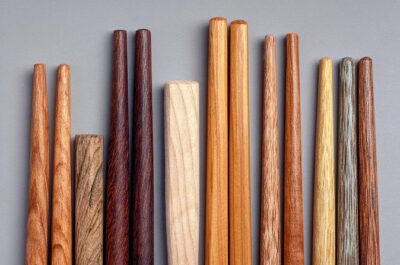
Sushi Making Class in a Happi Coat near a Famous Spot
Read our review →

Sushi Making Osaka Roll and Authentic Japanese Sushi Class
Read our review →Browse the lists this tour appears in