
Reviewed · COOKING CLASSES
Tokyo Washoku 4-hour Cooking Class: From Market to Table
Tokyo Washoku is interesting because it starts where real Tokyo cooking starts, in the produce aisles and refrigerated cases. You shop with a guide, then you cook what you bought in a proper studio. I especially like the hands-on supermarket-to-studio flow and the fact you get take-home recipes you can actually repeat. One drawback to weigh is timing and flexibility, if you miss the group start, you may not be able to join.
I also like that it is designed for normal people, not culinary prodigies. You practice classic techniques like Japanese knife work, then you make full dishes like makisushi and miso soup instead of just nibbling tasting plates. A key consideration is dietary limits, vegan and vegetarian can be arranged, but the class does not guarantee allergy-free cooking because the kitchen setups are shared.
Key Highlights I Think You Will Care About
- Small group cap of 7 means more time at the cutting board and fewer long waits.
- Supermarket shopping with a pro focuses on choosing ingredients the way locals do.
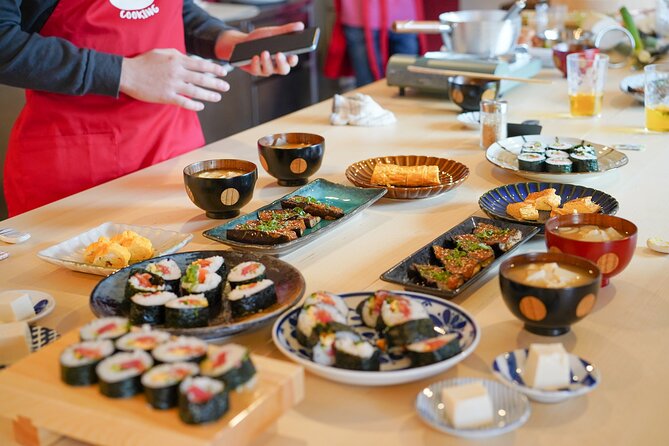
- Make 4 specific dishes from scratch including makisushi, miso soup, dashimaki tamago, and nasu dengaku.
- Learn real knife and cooking techniques you can reuse at home.
- Recipe handouts after class so the learning sticks.
- Sake and drink pairings are part of the experience, and beer has shown up in some sessions.
From Iriya Area Supermarket to a Real Cooking Studio
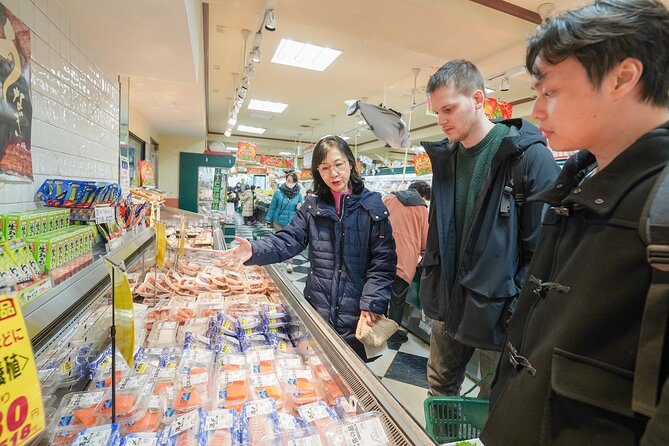
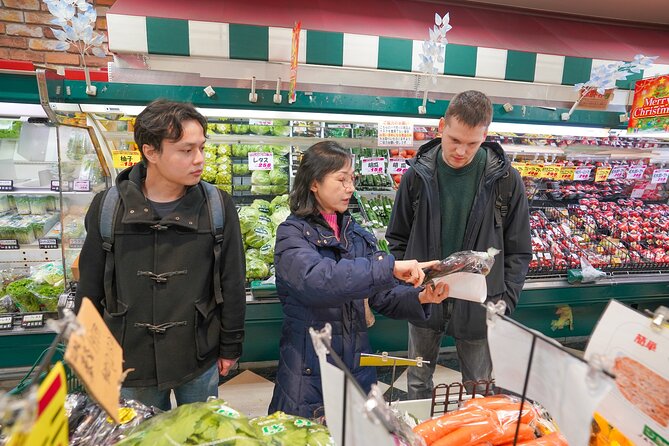
This class runs about 4 hours and starts at 10:00 am near the FamilyMart at 2-chōme-1-10 Shitaya, Taito City. From there, you head to a local supermarket near Iriya Station with your guide. The point is simple: good Japanese food starts with good choices, not just good recipes.
The supermarket stop matters because you learn to shop like a cook. You are not just grabbing items off a list. You get practical guidance on things like what to look for in vegetables, how to judge ingredients for texture, and what quality markers to notice in the categories you will use later. If you have ever bought ingredients in Tokyo and then wondered how chefs make them taste right, this part is your shortcut.
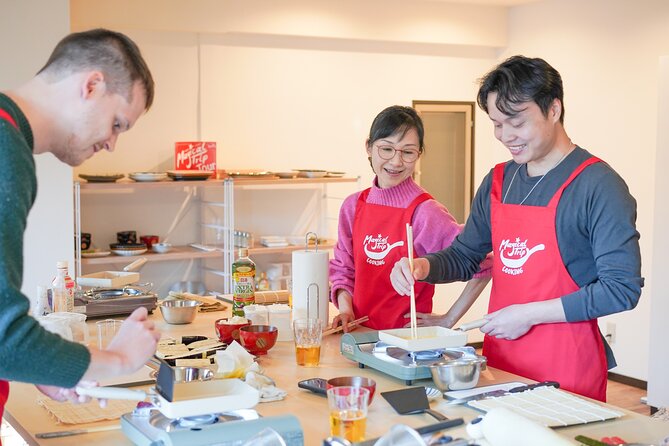
Then you move to a dedicated cooking studio, where the pace shifts from browsing to production. Reviews point out that the space is set up well and feels roomy, which helps because cooking classes can get claustrophobic. You will also get the structure of an actual workflow: prep, cook, plate, eat, repeat.
One more good detail: the group size is limited to a maximum of 7 travelers. That is the kind of small that lets your guide notice what you are doing, not just what you are supposed to do.
More Cooking Classes in Tokyo
- Ramen & Gyoza Cooking Class in Tokyo with Local Supermarket Visit
★ 5.0 · 823 reviews - Tokyo: Easy Ramen Cooking Experience in Kabukicho, Shinjuku
★ 4.6 · 321 reviews - Ramen and Sushi Cooking Class with Sake Pairing Set in Tokyo
★ 5.0 · 291 reviews
What You Cook: Makisushi, Miso Soup, Dashimaki Tamago, Nasu Dengaku
You cook a set of traditional dishes that form a complete home meal. The class is built around learning specific techniques, so the menu is not random.
Here are the dishes you can expect to make, based on the class description:
- Makisushi (rolled sushi): the class gives you the cutting and rolling skills, plus the practical rhythm of assembling rolls.
- Miso soup: you learn how to build flavor the Japanese way, not just boil water and call it done.
- Dashimaki tamago (rolled omelet): this one is great because it teaches controlled heat and proper texture, not just omelet basics.
- Nasu dengaku (grilled eggplant skewers): you practice seasoning and cooking eggplant so it tastes satisfying, not watery.
If you cannot eat eggs, your selection drops from four dishes to three. That is worth factoring in if you were counting on the full set.
In reviews, people also describe it as a full meal experience, including a session that felt like a four-course layout. Either way, the goal is the same: you are leaving with dishes you recognize, not just a couple of snacks.
The Supermarket Lesson That Changes How You Shop in Tokyo
This is not a sightseeing supermarket. It is ingredient training.
Your guide takes you shopping and shares tips on selecting Japanese ingredients like you are learning a craft. That sounds broad, but it shows up in the actual choices you make during the trip. Think of it as learning what to look at before you buy:
- Ingredient freshness and condition, especially for items that affect texture.
- How certain vegetables behave once cooked, so you pick with cooking in mind.
- What ingredients matter for flavor balance in Japanese home cooking.
The best part is that this shopping lesson travels home with you. You can apply it whether you are buying in Japan or recreating at home with the closest available substitutes. The class is priced at $79.59 per person, and a lot of that value comes from getting a trained person’s eye on your ingredients, plus not wasting time guessing.
If you like markets and you enjoy practical lessons, this is the strongest part of the day. Even some of the highest praise is about starting in the supermarket and then carrying that logic straight into cooking.
Knife Skills and Cooking Techniques, Plus Real Feedback
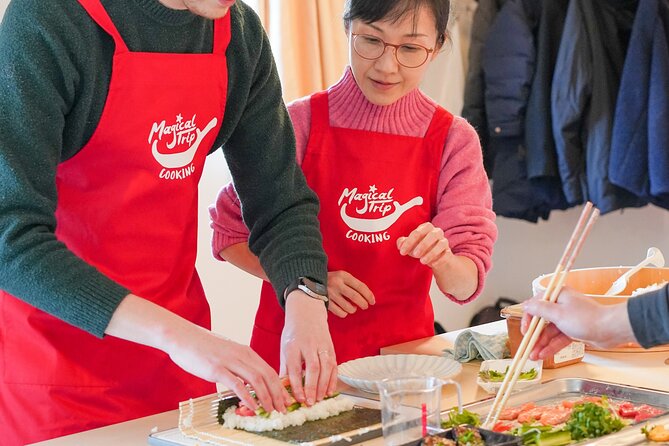
In the studio, the class focuses on technique, especially Japanese knife skills and core cooking methods. This is where many cooking classes fall flat, because they end up being watch-and-wait. Here, the structure is meant to keep you active, since you are making multiple dishes from scratch.
You will get guidance from an instructor who talks through what to do and why. Different instructors are mentioned in reviews by name, including April, Yuri, Masai, Minnie, Alice, Mihori, Suzy, and Taka. While you will not know which instructor you get until closer to the date, the common thread is coaching style, people describe instructors as patient and encouraging step by step.
What you should expect to practice:
- Cutting for sushi rolls, where consistency matters.
- Handling ingredients for miso soup, where timing and simmering affect taste.
- Preparing dashimaki tamago, which rewards heat control and steady technique.
- Managing eggplant cooking so it comes out tender and well seasoned.
Also, you can ask questions during class. That is more important than it sounds. If you are cooking with new tools or new ingredients, you do not want to wait until the end and hope your question survives in your brain. Here, you can get answers while you are actually working.
More Market Tours in Tokyo
- Tokyo Tsukiji Fish Market Food and Culture Walking Tour
★ 5.0 · 3,184 reviews - Tokyo: Tsukiji Fish Market Food and Walking tour
★ 5.0 · 1,724 reviews - Tokyo: Tsukiji Fish Market Guided Walking Tour
★ 4.9 · 1,397 reviews - Tokyo Sushi Making Class in Tsukiji with Professional Chef
★ 5.0 · 1,177 reviews
Eating Your Own Work, With Sake and Drink Pairings
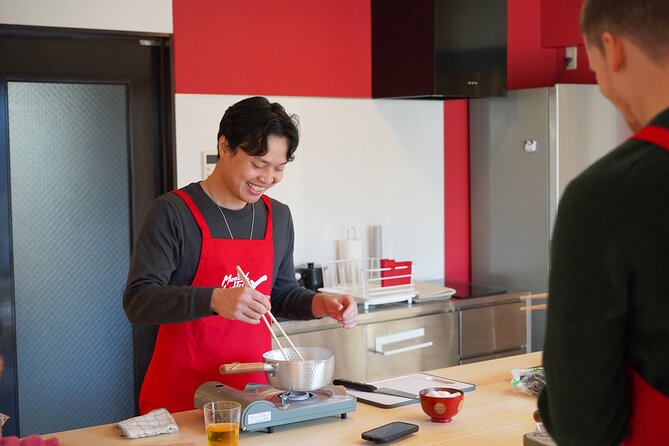
Once your dishes are finished, you eat together in the studio. This part is not just a payoff, it is part of learning. You taste what you made, then you understand what your ingredient choices and technique choices did to the final flavor.
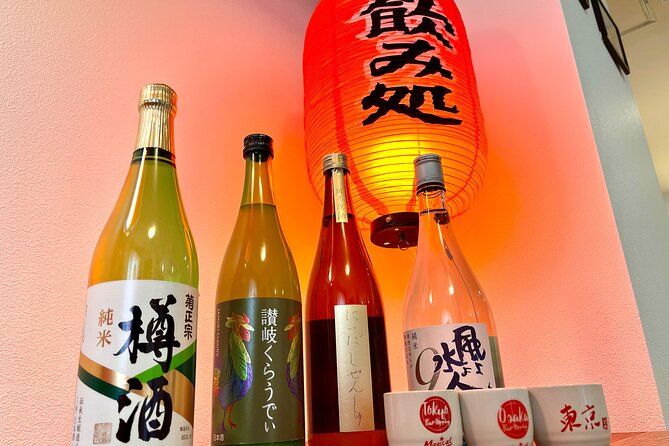
The class includes drink pairings, with the description specifically calling out sake or other drinks. Reviews mention beer and sake tasting in at least some sessions, so you might find drinks integrated into the meal more than you expect.
A practical tip: pace yourself. You are doing hands-on cooking, then you will be tasting. If you want to be fully engaged in the cooking steps, it helps to keep the drinking portion in balance.
This is also why the small group format helps. Eating together is easier when you are not stuck in a huge class where everyone eats at different times and you lose the shared moment.
Timing, Location, and What to Do Before and After
The class starts at 10:00 am. The tour lasts about 4 hours, and it ends back at the meeting point. That makes planning simple: you can treat it as a half-day activity and build the rest of your Tokyo day around it.
You will meet at the FamilyMart address in Shitaya, and the cooking studio is where you finish the meal. Afterward, you may want to check out Kappabashi Dougu Street on your own if you are into kitchen tools. Since you end at the meeting point, you can choose how far you want to go next.
Now, a real-world consideration. The operator says they must start on time, and if you are more than 5 minutes late without contacting them, it can be treated as a cancellation with no refund. That is not unique to this class, but it matters here because the schedule includes shopping and cooking steps that cannot easily be delayed.
For your morning logistics:
- Give yourself buffer time to reach the meeting spot.
- If you are getting there from another part of Tokyo, plan the last-mile route so you do not rush.
Dietary Options, Allergies, and the Egg Question
This is one of those classes where you need to read the dietary details carefully and communicate early.
- Vegan and vegetarian are welcome. The class says they arrange ingredients and the cooking process for this.
- You should inform them at least one day before if you have dietary requests or allergies.
- Requests made on the day of the tour cannot be accommodated.
- There is an important limitation: the food is prepared in kitchens that do not belong to MagicalTrip, and the operator cannot guarantee allergy-free cooking. Substitutions might not always be possible at every stop.
The egg detail is also spelled out. If you cannot eat eggs, your dish selection is reduced from four types to three.
So what should you do? If you have allergies or strict needs, send the details early and be ready for the possibility of changes. This is the same honest approach you would want from a chef in your own home, and it keeps expectations realistic.
Price and Value: What $79.59 Buys You in Tokyo
$79.59 sounds like a lot until you break down what the class actually includes.
You are paying for:
- A supermarket shopping experience with an instructor.
- Hands-on cooking with guidance for multiple dishes.
- Learning knife and cooking techniques.
- Recipes you can take home to recreate the dishes.
- A meal you helped make, with drink pairings like sake or other options.
In Tokyo, ingredients can add up quickly, and it is easy to waste money buying items you do not know how to use. This class reduces the guessing. You buy ingredients you will cook, you learn techniques that make those ingredients taste right, and then you leave with written recipes.
Is it a luxury? Sure. Is it also one of the more efficient ways to learn Japanese cooking basics in just half a day? Yes, especially if you want more than a hands-on demo and you want a full, satisfying meal at the end.
Also, the class cap at 7 travelers is part of the value. You do not get that kind of attention in larger food tours.
Who Should Book This Cooking Class (and Who Might Skip)
Book this if you:
- Want a practical Japanese cooking lesson that starts in a real supermarket.
- Like eating what you make, ideally with technique you can repeat.
- Want recipe handouts for home practice.
- Prefer small groups and a guide who can answer questions while you cook.
- Are interested in classic dishes like makisushi, miso soup, dashimaki tamago, and grilled eggplant skewers.
You might skip it if:
- You need strict allergy guarantees and cannot risk shared-kitchen conditions, since allergy-free cooking is not guaranteed.
- You cannot follow a schedule with a hard start time, because late arrivals can mean you miss the group and lose the chance to participate.
Should You Book Tokyo Washoku?
If you like cooking lessons that feel real, not staged, I think you should book it. The strongest reasons are the market shopping with pro guidance, the technique focus, and the fact you make a complete set of dishes you recognize and can recreate later with the recipes provided.
One last tip: plan your day so you arrive on time and you stay hydrated. Japan can get extreme, and the class notes that summers can reach very high temperatures and winters can get cold. Dress for the weather, then let the warm cooking studio do its job.
If you want a fun half-day in Tokyo that teaches skills you will still use at home, this is a solid bet.
FAQ
What is the duration of the Tokyo Washoku Cooking Class?
The class lasts about 4 hours.
Where does the class start?
The meeting point is FamilyMart 2-chōme-1-10 Shitaya, Taito City, Tokyo 110-0004, Japan.
Where does the class end?
The activity ends back at the meeting point.
What time does the class start?
The start time is 10:00 am.
What dishes will I make during the class?
You will make traditional dishes such as makisushi (rolled sushi), miso soup, dashimaki tamago (rolled omelet), and nasu dengaku (grilled eggplant skewers).
Is the class vegan or vegetarian friendly?
Yes. Vegan and vegetarian are welcome, and the operator arranges ingredients and the cooking process.
Do I need to notify the operator about dietary requests or allergies?
Yes. You should inform them at least one day before the tour. Requests made on the day of the tour cannot be accommodated.
What happens if I cannot eat eggs?
If you cannot eat eggs, your selection is reduced from four types to three.
Is there sake or other drink pairing during the class?
You will experiment with different sake or other drink pairings as part of the experience.
Is there a refund or date change if the class is canceled or if I need to cancel?
Cancellation is free up to 24 hours in advance for a full refund. If canceled due to poor weather, you will be offered a different date or a full refund.
More Shopping Tours in Tokyo
- Tsukiji Fish Market Guided Tour and Sushi Making with Pro Chef
★ 5.0 · 775 reviews - Tokyo: Tsukiji Fish Market Food and Culture Walking Tour
★ 4.7 · 757 reviews - Tsukiji Fish Market: Street Food & Culture Walking Tour
★ 5.0 · 669 reviews - Tsukiji Fish Market Small-Group Food Walking Tour
★ 5.0 · 621 reviews
Latest write-ups near Tokyo
- Tokyo Customized Private Tour: See Top Attractions in 1 Day★ 4.8 · 67 reviews
- From Tokyo: Top 5 Scenic Spots of Mount Fuji Full-Day Tour★ 4.5 · 67 reviews
- Tokyo: Shinjuku Izakaya and Golden Gai Bar Hopping Tour (2h)★ 4.9 · 67 reviews
- Traditional Japanese Music ZAKURO SHOW in Tokyo★ 5.0 · 67 reviews
- Tsukiji: Unlimited Sake Tasting Experience★ 4.9 · 67 reviews
- Tokyo: Not a show- a professional sumo practice with experts★ 4.9 · 67 reviews
- Samurai Ninja Museum Asakusa: Kid-Friendly Ninja Training★ 4.7 · 67 reviews
- Private Harajuku Omotesando Architecture Walking Tour★ 5.0 · 67 reviews
Cooking Classes, compared.
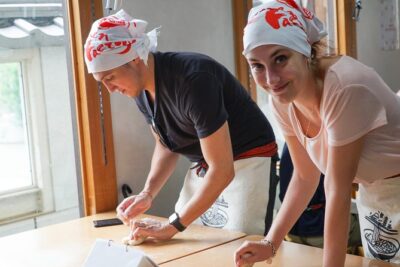
Ramen Cooking Class at Ramen Factory in Kyoto
Read our review →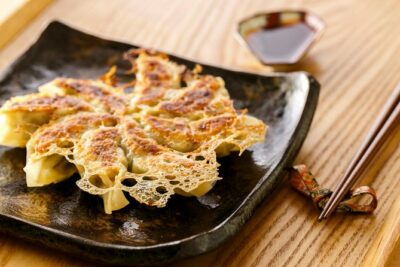
Ramen & Gyoza Cooking Class in Tokyo with Local Supermarket Visit
Read our review →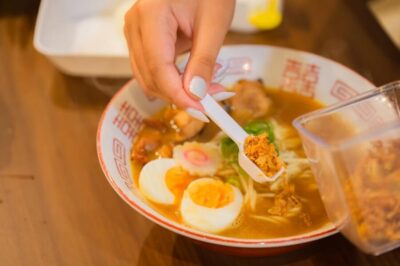
Ramen Cooking Class at a Ramen Factory with Souvenir
Read our review →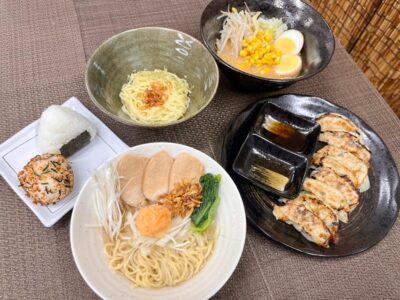
Japanese Washoku Bento Small Group Cooking Class
Read our review →

Easy Ramen Cooking Experience in Kabukicho, Shinjuku
Read our review →
Ramen and Sushi Cooking Class with Sake Pairing Set in Tokyo
Read our review →Browse the lists this tour appears in