
Reviewed · WORKSHOPS
Tokyo’s Authentic and Finest Taiko Drumming Workshop
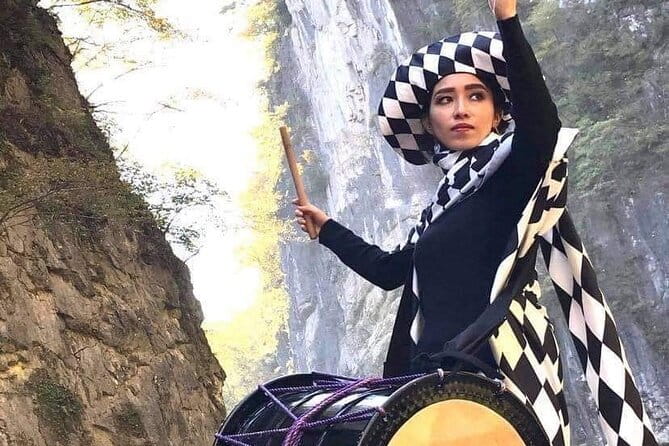
Tokyo taiko can feel like street theater when you watch from the sidewalk, but this workshop is the real switch. You get hands-on rhythm training in a small group, and you finish with a personalized video you can actually share.
What I like most is that it is built for beginners but still feels serious, taught by Eva Kestner at her Taiko Drum Academy. The possible drawback is that taiko is physical and loud, so comfortable clothes and hand care matter more than you might expect.
Key points before you book
- Eva Kestner teaches in English, with English and Japanese support available
- All equipment is provided, so you only need yourself
- Small group size (max 15) means you get personal attention
- You learn foundation training, rhythm training, and a traditional or contemporary piece
- You receive a personalized video of you playing
- Expect a moderate physical fitness effort and bring water and band-aids if you bruise or blister easily
Why Learn Taiko Drumming in Shibuya, Not Just Watch It
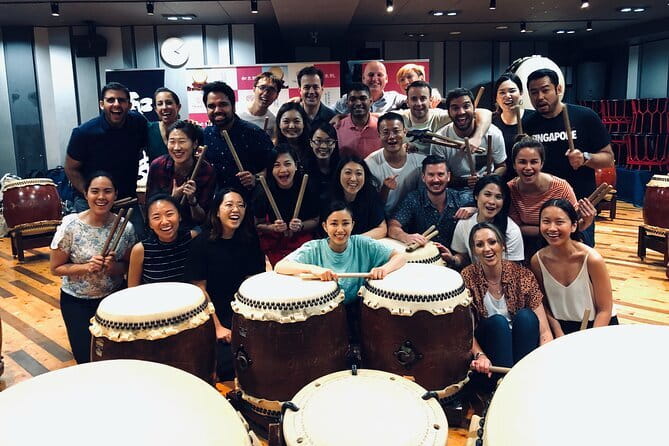
If you only ever see taiko as a performance, you miss the point. Taiko is body, timing, and shared focus. In this class, you do the drumming, not just observe it from the outside.
I also like the cultural angle. You get a short history explanation alongside what you are learning, so the beats do not float in a vacuum. You start to understand why taiko rhythms connect to Japanese traditions and also how modern pieces use the same physical language.
One more thing: the location is practical for a Tokyo day. After your session, you can keep moving through the city instead of building your whole schedule around a remote studio.
Also on the shortlist for Tokyo:
- Mt Fuji and Hakone 1-Day Bus Tour Return by Bullet Train
★ 5.0 · 26,383 reviews - 1-Day Tokyo Bus Tour
★ 5.0 · 14,250 reviews - Tokyo: TOKYO SKYTREE® Admission ticket
★ 4.5 · 11,192 reviews
Meet Eva Kestner and the Academy Style
This workshop is led by Eva Kestner, founder of the first musical director of Cornell University’s Taiko Drumming group. She has also received an excellency award from the Tokyo University of Arts New Artists Competition, and her original music is published by Harper Collins and Cambridge International Curriculum.
That background matters because the class feels like instruction, not just a fun activity. She teaches with structure, from basics to actual performance-style playing. You can tell the pacing is designed for people who have never held a taiko stick before and also for those who already know a few rhythms.
And you get more than generic coaching. The class is designed as boutique and family-style, with small numbers so the instructor can adjust when someone needs help with timing, stance, or even handedness. One review called out strong teaching for a left-handed participant, and that matches the overall feel of careful, person-to-person guidance.
Inside the 90 Minute Workshop: Beats, Footwork, and a Piece

The session runs about 1 hour 30 minutes, and it moves fast in a good way. You start with foundation training, then shift into rhythm training, and then you learn a traditional or contemporary taiko piece.
Here is the flow you should expect:
- You begin with basics so your body learns where power comes from. Taiko is not mostly arm strength, it is posture and control.
- You then practice rhythm patterns until they click as something you can repeat on command.
- The instructor gives a demonstration performance, with a brief explanation of taiko history to connect the technique to meaning.
- After that, you work through recorded rhythm segments. From what you will experience, one set functions like guided practice, and another set turns into the more traditional-style performance number.
The most useful thing for first-timers is that the class does not drag. You often start playing early, and there is time for questions afterward, so you leave with a clearer sense of what you did and why it worked.
Also, this is not a “sit and clap” experience. Taiko asks your legs to do real work. If you are the type who thinks rhythm is only about hands, the class will correct that quickly.
What the Class Includes, Including Your Personalized Video
You do not need to bring drums, sticks, or any special gear. Eva provides the taiko drums and taiko drumming sticks, and that alone makes the experience feel easy to plan.
Instruction language is also a plus. The workshop is taught in English, and there is English and Japanese support, so you are not stuck if you miss a term. That matters in a music class because timing cues can be specific.
Your take-home item is one of the best parts: you get a personalized video of you playing. That is more valuable than a group photo. You can watch your timing, your stance, and your progress, and you get proof you actually learned something.
You also get a built-in cultural layer. The instructor provides a short history context during the session, so when you play a traditional or contemporary piece, you have at least a simple framework for what you are hearing and doing.
A change of pace from Tokyo:
- Tokyo: teamLab Planets TOKYO Digital Art Museum Entry Ticket
★ 4.6 · 9,779 reviews - Mt Fuji & Hakone Cruise, Drum Show Bullet Train 1 Day from Tokyo
★ 4.0 · 7,413 reviews - Tokyo: Sumo Show Experience with Chicken Hot Pot and a Photo
★ 4.8 · 6,678 reviews - Tokyo: Shinjuku Food Tour (13 Dishes at 4 Local Eateries)
★ 5.0 · 6,603 reviews
Gear, Clothing, and the Physical Reality of Taiko
Taiko feels powerful because it is physical. Your hands and forearms matter, but your stance and leg drive are the real engine.
Based on what you should plan for:
- Wear comfortable, breathable clothing. This class can get warm and sweaty.
- Bring water. More than one participant described it as a workout.
- If you blister or bruise easily, consider bringing band-aids. Some people reported hand blisters after the session.
You can also expect it to be loud. That is not a flaw, it is part of the medium. If you have strong sensitivity to sound, plan ahead and use the provided accessibility support if you need adjustments.
Finally, make sure you have moderate physical fitness. The class is doable for beginners, but it is not gentle. If you can handle a steady hour of standing, moving, and repeating rhythmic patterns, you will be in the right zone.
Price in Context: Is $120 Worth It?
At $120 per person, this is not a cheap “try a hobby” class. But it also is not a generic show.
Here is what you are paying for:
- A pro instructor with deep taiko credentials, teaching a structured lesson in English
- Small-group attention with a maximum of 15 travelers
- Drums and sticks provided, meaning you do not waste time or money finding rentals
- Real practice time leading to learning a traditional or contemporary piece
- A personalized video of you playing
If you compare it to one-off entertainment, you are getting a skill outcome, not just a memory. If you compare it to private lessons, the group format keeps costs reasonable while still preserving feedback.
For me, the “value” angle is the combination: pro teaching plus hands-on practice plus a take-home video. That is a lot of deliverables for a 90-minute window.
Small Group Size, Big Feedback
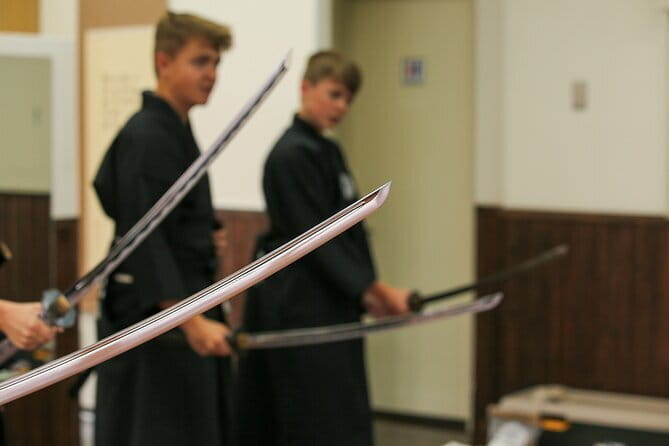
The workshop caps at 15 travelers, which is a sweet spot. In a bigger class, you might play a few times and mostly watch. Here, the instructor can correct your rhythm and technique without rushing you.
This matters most during the switch from foundation to performance-style playing. That is where timing and stance errors tend to show up. With small groups, you have a better chance to get quick, targeted fixes.
You also get the benefit of a relaxed atmosphere. Several people mentioned the vibe as patient and fun, with guidance that works for kids, teens, and adults. If you are traveling as a family, this is one of the rare activities that does not feel awkward for different ages.
After Class: Use the Studio’s Central Tokyo Location
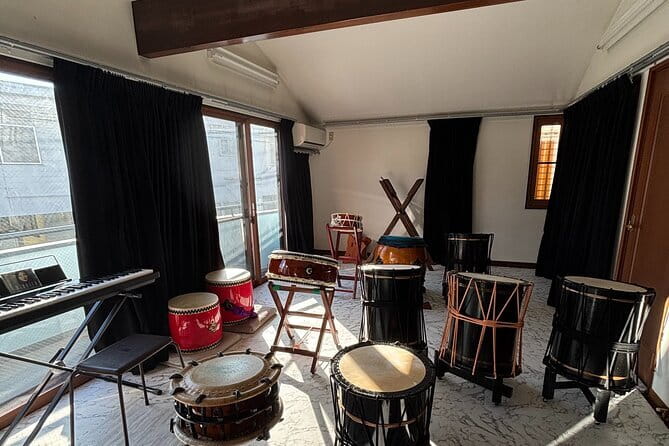
The studio is in the Shibuya area, near public transportation, and the class ends back at the meeting point. That is great because you can turn this into a full Tokyo day instead of a one-time detour.
A practical way to plan: treat the workshop as your “movement block.” Once you finish, you are already warmed up, and you can walk to nearby sights, grab food, and keep your energy for the rest of the day.
If you are staying around central neighborhoods, it should be easy to combine this with dinner plans. If you are further out, it is still worth it because public transit access is part of the setup.
Potential Snags: Loud Drumming, Hand Care, and Finding the Studio
A few realistic cautions can help you have a smoother experience.
First, it can get loud. If you need ear protection or you get overwhelmed easily in noisy spaces, plan accordingly. The class is drumming, so quiet moments are not the main event.
Second, your hands might pay the price. Some participants reported blisters, so bring basic first-aid supplies just in case. This is especially relevant if you have sensitive skin or you already know your hands fatigue quickly.
Third, the meeting address can be hard to locate if you rely only on a generic pin. The good news is that the address is on Google Maps, so I recommend using that to confirm you are at the right building.
Finally, if you are booking for a larger group, check the group slot details. For groups larger than 20 people, there is a large group slot and the location is about 20 minutes from Shibuya. That is normal, but it affects how you plan your day.
Who This Workshop Fits Best, From Total Beginners to Teens
This class is ideal if you want a taste of Japanese culture that is not just watching from the sidelines. It is also a good fit if you like hands-on learning, because you start practicing early.
It works for:
- Total beginners who want clear coaching and structured rhythm training
- People who enjoy performance elements, because you learn and play a full piece
- Families with teens. One family described it as a great energy outlet for teens who also needed something active
- Anyone who wants a creative souvenir beyond a photo, since the personalized video is included
If you are traveling with mixed skill levels, this is also a smart pick. The class structure and the small group size make it easier for different people to progress at the same time.
Should you book if you want quiet and relaxing? Probably not. This is energetic, physical, and loud, with a clear workout feel.
Should You Book This Tokyo Taiko Workshop?
I think you should book if you want a real skill experience in Tokyo, not just a cultural performance. The combination of pro instruction, drums provided, small group size, and a personalized video makes the price feel grounded in value.
Skip it if you know you cannot handle a moderately physical activity, or if loud sound is a major issue for you. In that case, you might find a lighter cultural activity fits better.
If you are on the fence, consider this simple test: if you would happily repeat rhythmic patterns for 90 minutes with feedback and energy, you will likely love it. If you are looking for something mostly seated, this is the wrong call.
Booking tip: wear breathable clothes, bring water, and consider a few band-aids. Do that, and you will focus on the fun part, not the minor physical reality of learning taiko.
FAQ
How long is the taiko drumming workshop?
The workshop lasts about 1 hour 30 minutes.
What is the price per person?
The price is $120.00 per person.
Is the group small?
Yes. The experience has a maximum of 15 travelers.
Do I need to bring drums or sticks?
No. All equipment is provided, including the taiko drums and taiko drumming sticks.
Is instruction available in English?
Yes. The workshop is taught in English, and there is English and Japanese support.
Will I get something to take home?
Yes. You receive a personalized video of you playing taiko drums.
Where does the workshop take place?
It starts at Japan, 150-0032 Tokyo, Shibuya, Uguisudanichō, 111 太洋レジデンス代官山, and it ends back at the meeting point.
Is it physically demanding?
It requires a moderate physical fitness level. Wear comfortable, breathable clothing and be ready for a physical workout feel.
What is the cancellation policy?
Free cancellation is available. You can cancel up to 24 hours in advance of the experience for a full refund. If you cancel less than 24 hours before the start time, the amount paid is not refunded.
Latest write-ups near Tokyo
- Tokyo Nights: Shibuya Photo Adventure★ 5.0 · 20 reviews
- Wagyu & Sake 8 Course Tasting Dinner in Shinjuku★ 4.9 · 20 reviews
- Making Japanese desserts Nerikiri & drinking matcha in Tokyo★ 5.0 · 20 reviews
- Mt. Fuji 5th Station, Owakudani Ropeway, Pirate Ship plus Outlet shopping!★ 4.5 · 20 reviews
- Japanese Whisky Hunting《HIGH-QUALITY-ONLY》Rare Tasting Class★ 5.0 · 20 reviews
- Kintsugi Experience with Arita Ware in Tokyo (English Guide)★ 4.8 · 20 reviews
- This is Asakusa! A Tour Includes the All Must-Sees!★ 5.0 · 20 reviews
- Tokyo: Karate Experience with Former All-Japan Champion★ 5.0 · 20 reviews
Workshops, compared.
Sushi Making Tokyo Roll and Authentic Japanese Sushi Class
Read our review →
Roll and Authentic Sushi Making Class in Asakusa
Read our review →
Ramen Cooking Class at Ramen Factory in Kyoto
Read our review →
Sushi Making Class in a Happi Coat near a Famous Spot
Read our review →

Sushi Making Osaka Roll and Authentic Japanese Sushi Class
Read our review →Browse the lists this tour appears in