
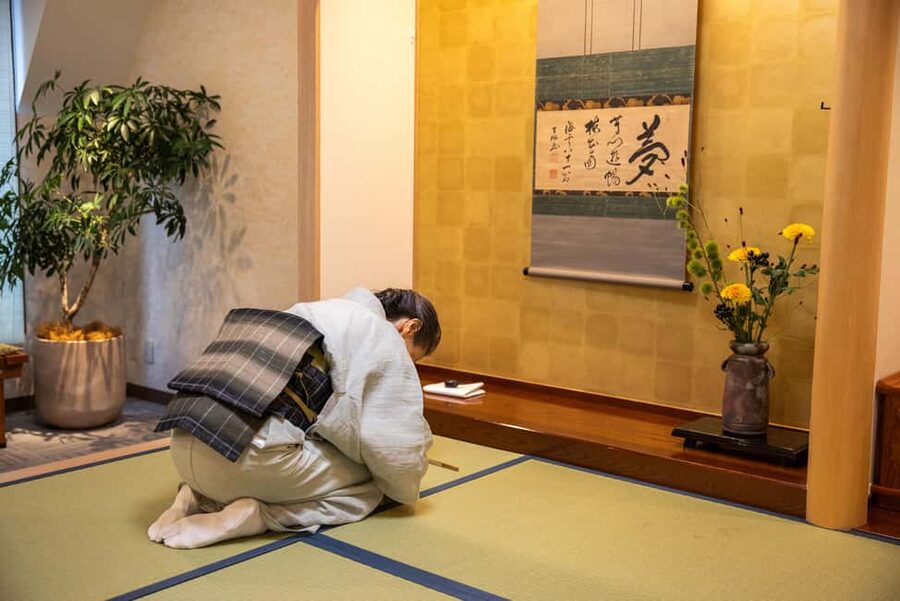
Reviewed · TEA CEREMONIES
Tokyo: Tea Ceremony Experience in Asakusa
A tea ceremony in Asakusa is interesting because it slows everything down. You are not watching from the sidelines. You are learning the rhythm of matcha and the reason behind each careful movement, step by step.
I like how the format feels approachable, with English guidance and a relaxed pace that works even if you have never done this before. I also really value that you get hands-on time, not just a talk. The only catch: it is only 1 hour, so if you want something long and theatrical, you might find the session feels brief.
Key things to know before you sit down
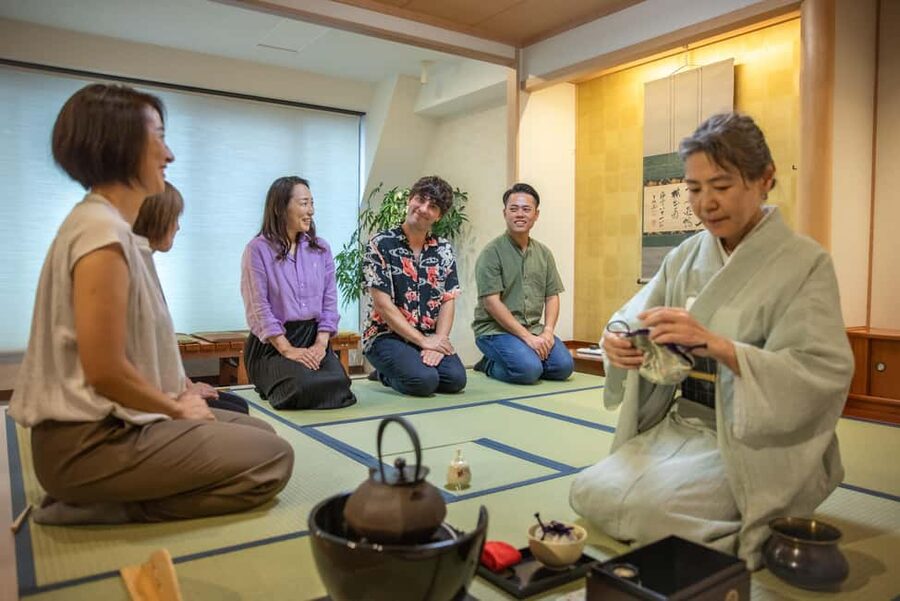
- Small group (up to 8 people), so questions do not get lost
- English instruction, which makes the meanings of each step stick
- You make your own bowl of matcha, then taste it at your own speed
- Traditional Japanese sweets included, so you are not doing matcha alone
- Photos allowed in a relaxed setting, not a stiff, do-not-touch vibe
- No kimono rental included, so plan clothing accordingly
Finding Tokyo Tourist Lounge Asakusa (and getting seated fast)
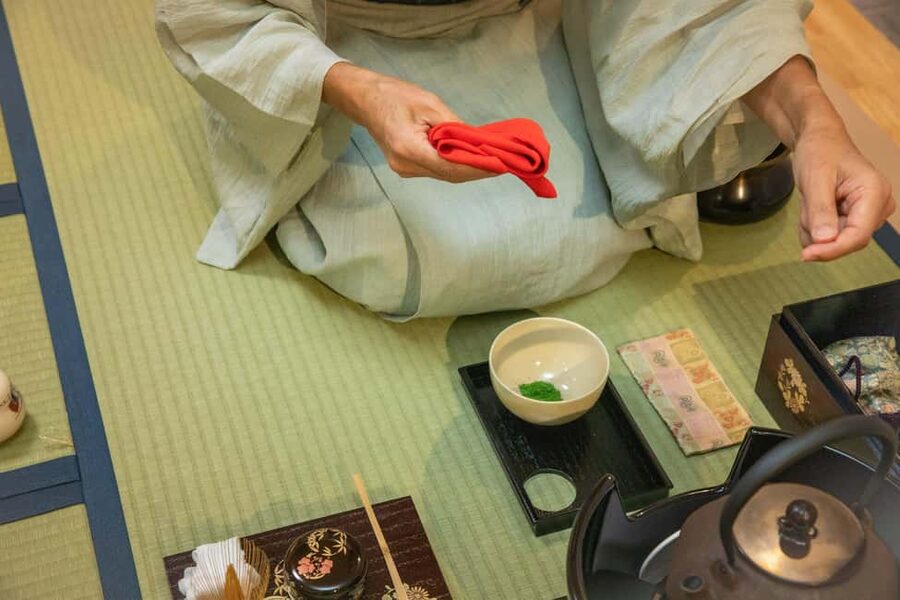
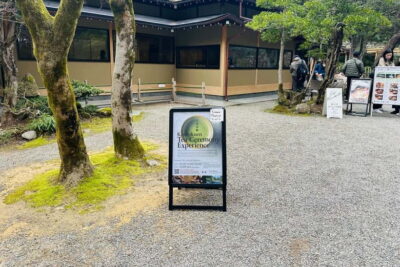
Your meeting point is Tokyo Tourist Lounge Asakusa. Use Google Maps and type that exact name. It is on the 5th floor. If you like having numbers handy, the coordinates are 35.7103757, 139.796744.
This matters because the whole experience works best when you are not rushing. Once you are in, you will get settled and start learning right away. With a group capped at 8, you are not fighting for space or time.
More Tea Ceremonies in Tokyo
- Matcha Making Class in Tokyo with Authentic Japanese Sweets Set
★ 5.0 · 744 reviews - Tokyo: Traditional Tea Ceremony with a Tea Master
★ 5.0 · 528 reviews - Tokyo: Matcha Making Experience with Mochi Sweets in Asakusa
★ 4.9 · 388 reviews
What a 1-hour beginner-friendly tea ceremony feels like
This is a relaxed version designed for beginners and curious travelers. Think of it as learning matcha culture through practice, not through strict rules or fancy dress expectations.
The session runs for 1 hour, which is long enough to:
- see how the tea is prepared
- taste freshly made matcha
- learn what the steps mean
- make your own bowl and enjoy it
Because it is short, you get a concentrated, no-stress experience. No wandering. No multi-stop schedule. Just sit, learn, whisk, taste, and ask questions.
The host-led flow: meaning in every movement
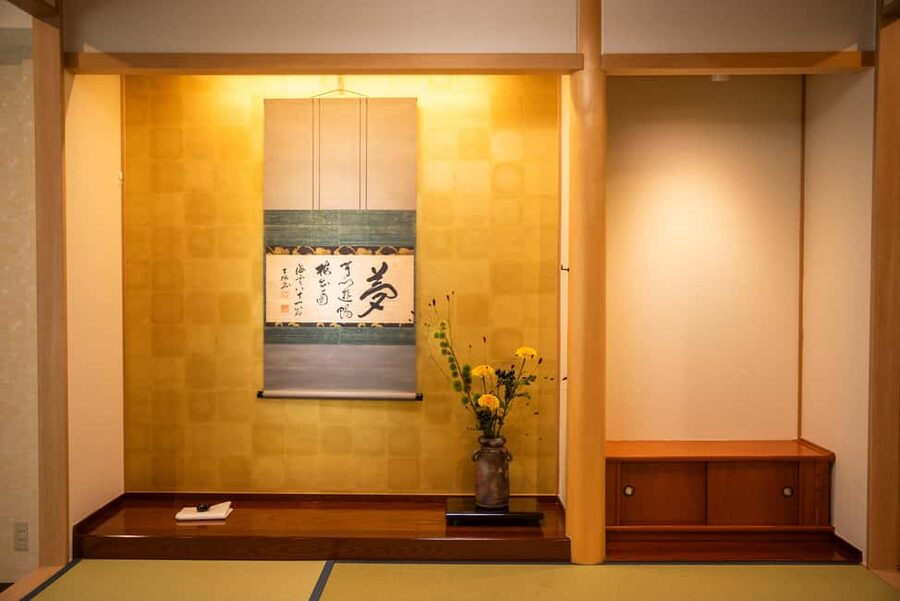
One of the best parts is that the host explains the meaning behind each step. You start with the basics, then connect the actions to Japanese values like harmony and hospitality.
The flow generally includes:
- learning how water is used in the process
- watching the whisking method and the purpose of each step
- understanding how tea is presented
What makes this feel authentic is that you are not being treated like a spectator. You are being taught to notice what you are doing and why it matters. That turns matcha from a drink into a small lesson in attention.
You may also meet an instructor whose name shows up in past sessions, including Midori, Madori, or Kaz. Either way, the style is consistently friendly and easy to follow, with English explanations.
Whisking matcha with your own hands (and not stressing)
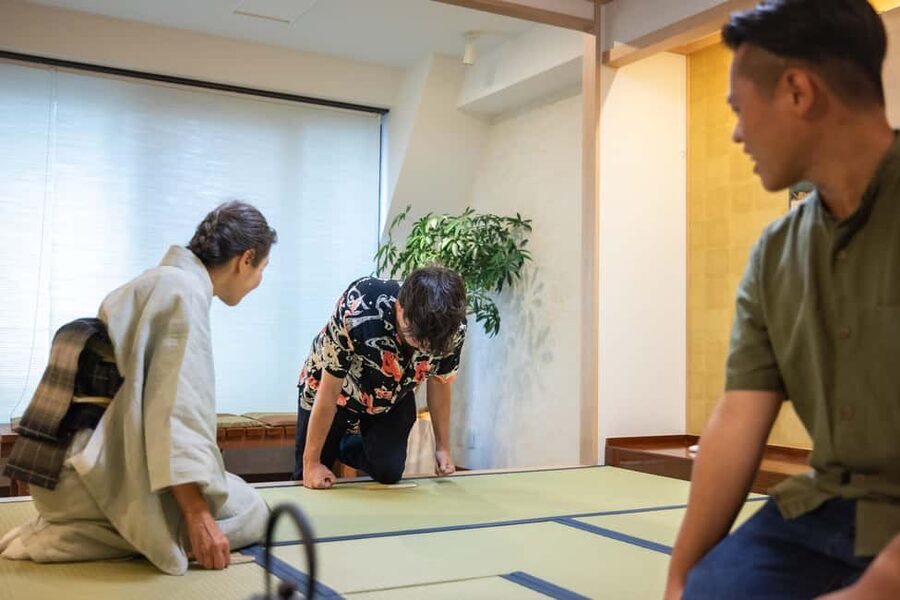
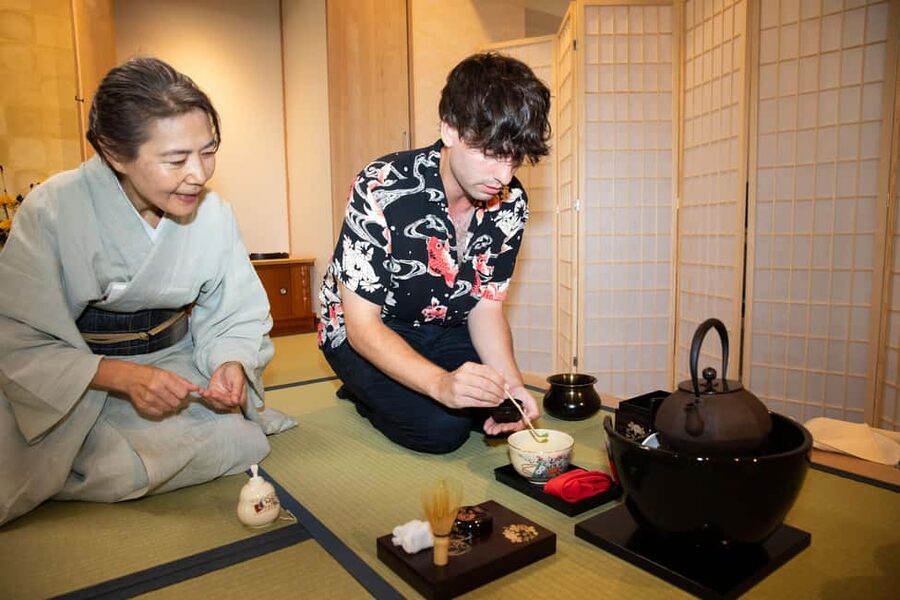
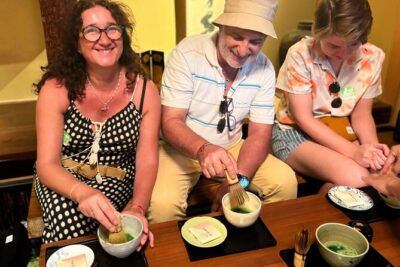
You will learn how to whisk powdered green tea into matcha. Then comes the part many people enjoy the most: you make your own bowl.
Here is what you should expect from the hands-on time:
- you will be guided while you whisk
- you will taste freshly prepared matcha
- you will serve yourself with a calm, unhurried pace
Do not worry about doing it perfectly. The whole point is that it is beginner-friendly. The host is there to help you understand what you are trying to achieve with the whisking, and you get to redo it until it feels comfortable.
Also, this is one of those experiences where it helps to slow your expectations. You are learning technique and meaning, not chasing speed. If you go in ready to enjoy the process, the result tastes better.
A change of pace from Tokyo:
- Mt Fuji and Hakone 1-Day Bus Tour Return by Bullet Train
★ 5.0 · 26,383 reviews - 1-Day Tokyo Bus Tour
★ 5.0 · 14,250 reviews - Tokyo: TOKYO SKYTREE® Admission ticket
★ 4.5 · 11,192 reviews - Tokyo: teamLab Planets TOKYO Digital Art Museum Entry Ticket
★ 4.6 · 9,779 reviews
Traditional sweets and why pacing is part of the ritual
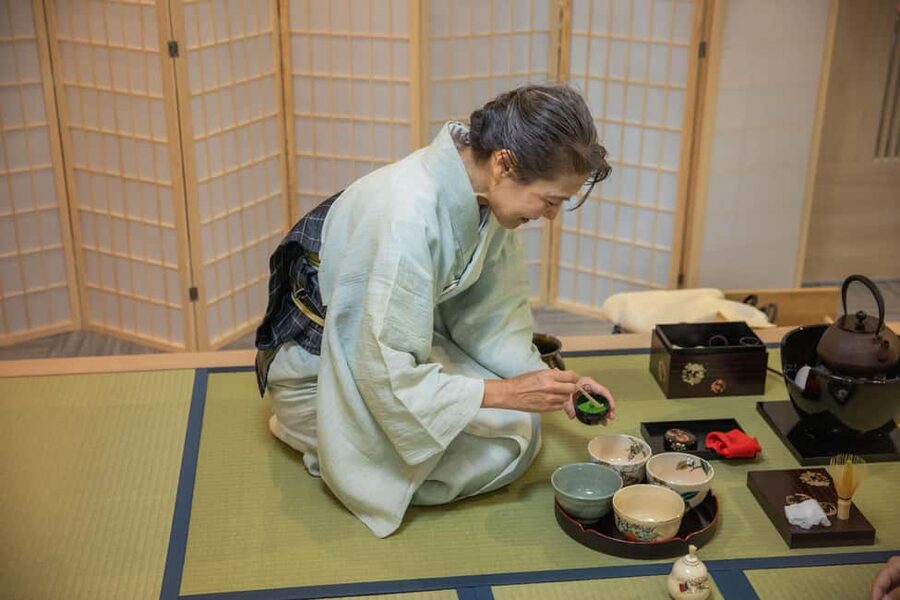
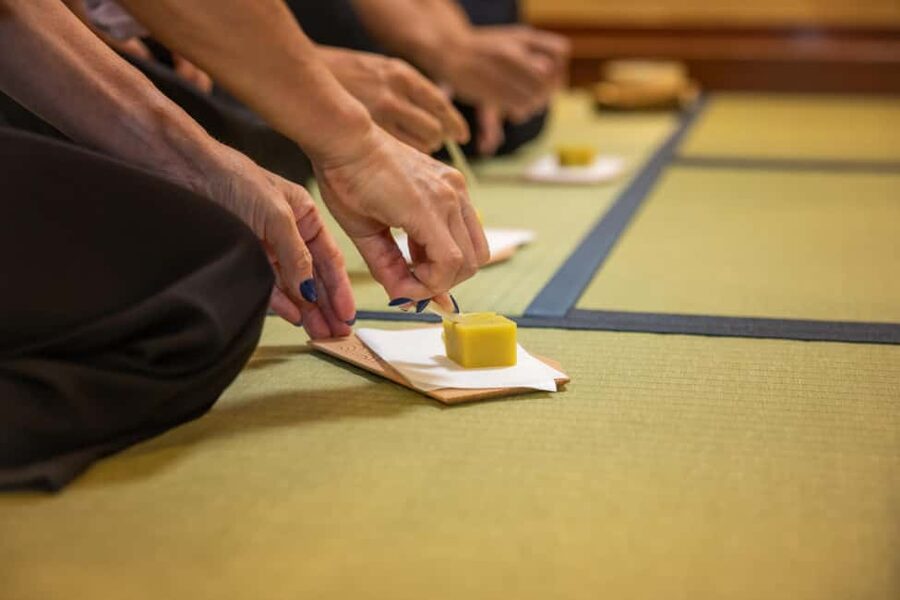
The tea ceremony includes traditional Japanese sweets. You will enjoy them alongside your matcha tasting.
This pairing is not just a snack add-on. It gives you something sweet and familiar to anchor your attention while you learn the sequence. It also encourages you to stay present. When you are tasting sweets and matcha in the same window, you naturally slow down and notice differences.
If you have a sensitive stomach or you prefer lighter flavors, keep your pace steady. Take small bites, sip calmly, and let the host know if you have any concerns during the session.
Photos, questions, and a relaxed culture of hospitality
A big reason people leave happy is the atmosphere. It feels friendly and relaxed, and you can ask questions without feeling rushed.
You can:
- ask about ingredients or steps you do not understand
- take photos during the session
- get explanations in English at a comfortable pace
I like this format because it turns the tea ceremony into a conversation. You do not have to guess what you are seeing. You can ask directly, and the host can connect the meaning of a step to real cultural values, like how hospitality shows up in everyday actions.
When the setting is relaxed, you also remember more. You notice the details because nobody is trying to move you along for a photo line or a fast turnover.
Wheelchair access and the comfort factor that matters
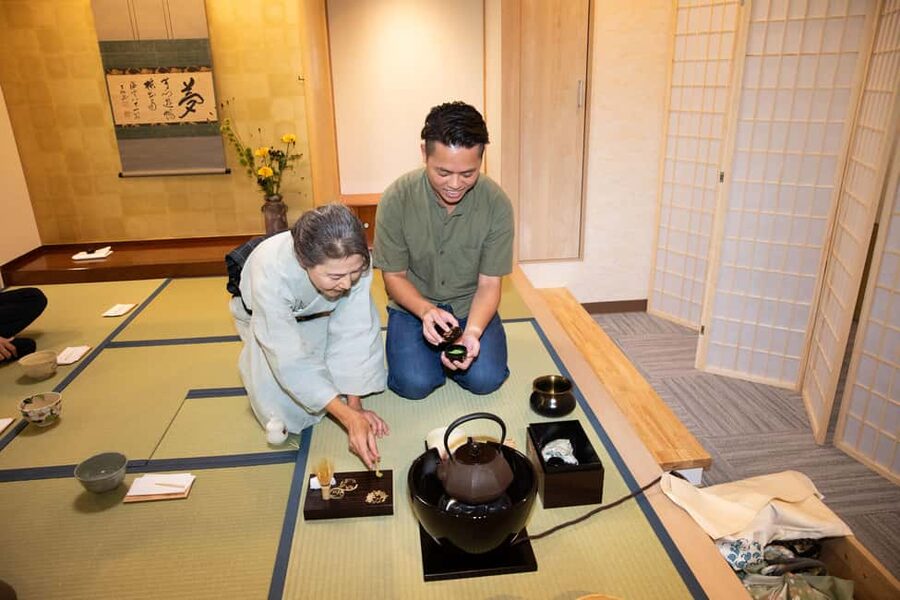
This experience is listed as wheelchair accessible, which is a practical advantage for anyone who wants culture without hidden barriers.
Just as important, the session is designed so you can sit comfortably. That sounds basic, but comfort changes everything in a short activity. If you are comfortable, you listen better, you taste better, and you enjoy the hands-on part more.
Who should book this Asakusa matcha session
This tea ceremony is a great fit if you want:
- a beginner-friendly cultural experience that actually teaches you something
- a small group setting where you can ask questions
- an activity that does not require special clothing
- a calm break from Tokyo sightseeing
You might especially enjoy it if:
- you like hands-on lessons
- you enjoy learning why people do things, not just watching what they do
- you want a memorable souvenir experience that is more personal than a photo stop
On the other hand, if you are looking for a long, elaborate show or a full cultural program with multiple neighborhoods, this 1 hour format may feel too focused.
Price and value: why $25 is reasonable here
At $25 per person for a 1-hour session, the value comes from what is included, not just the ticket price.
You get:
- the tea ceremony experience itself
- a matcha preparation lesson
- traditional Japanese sweets
- guided instruction in English
- time to make your own bowl
In other words, you are paying for an instructor, a structured lesson, and hands-on tasting. With the group limited to 8, you are also paying for attention, not crowds.
It is also a good price point for a first tea ceremony. You can test the format, learn the basics, and decide if you want a longer or more formal ceremony later.
Small-group pacing: the difference between rushed and relaxed
The limit of 8 participants is not a throwaway detail. In practice, it changes the whole experience.
With fewer people:
- explanations land better
- you get more time to ask questions
- your hands-on moments feel less competitive
- the host can keep the pace comfortable
That is why this activity tends to feel peaceful. It is also why it works well for photos, since you are not squeezed into tight timing windows.
Should you book this Asakusa tea ceremony?
Yes, you should book it if you want a beginner-friendly, English-taught matcha experience in a small group with time to make and taste your own bowl. The biggest wins are the guided explanations of each step, the relaxed vibe, and the hands-on preparation, plus the traditional sweets.
Skip it only if you are chasing something longer and more theatrical, or if you specifically want kimono rental (since that is not included). If you want a calm, thoughtful way to understand tea culture in Tokyo, this is a smart use of an hour.
FAQ
How long is the tea ceremony experience?
The experience lasts 1 hour.
Where do I meet for the activity?
Meet at Tokyo Tourist Lounge Asakusa, located on the 5th floor. You can find it in Google Maps by searching that exact name.
Is the tea ceremony beginner-friendly?
Yes. It is described as a relaxed version designed for beginners and curious travelers.
What language is the instructor?
The instructor provides guidance in English.
How large is the group?
The group is small, limited to 8 participants.
Are traditional Japanese sweets included?
Yes. Traditional Japanese sweets are included as part of the guided experience.
Is kimono rental included?
No. Kimono rental is not included.
Can I take photos during the session?
Yes. You are welcome to take photos and ask questions during the session.
Is the experience wheelchair accessible?
Yes. The experience is listed as wheelchair accessible.
What are the cancellation and payment options?
You get free cancellation up to 24 hours in advance for a full refund. There is also a reserve now & pay later option, so you can book and pay nothing today.
Latest write-ups near Tokyo
- Tokyo Nights: Shibuya Photo Adventure★ 5.0 · 20 reviews
- Wagyu & Sake 8 Course Tasting Dinner in Shinjuku★ 4.9 · 20 reviews
- Making Japanese desserts Nerikiri & drinking matcha in Tokyo★ 5.0 · 20 reviews
- Japanese Whisky Hunting《HIGH-QUALITY-ONLY》Rare Tasting Class★ 5.0 · 20 reviews
- Mt. Fuji 5th Station, Owakudani Ropeway, Pirate Ship plus Outlet shopping!★ 4.5 · 20 reviews
- Kintsugi Experience with Arita Ware in Tokyo (English Guide)★ 4.8 · 20 reviews
- This is Asakusa! A Tour Includes the All Must-Sees!★ 5.0 · 20 reviews
- Ebisu Local Food Tour: Shibuya’s Most Popular Neighborhood★ 5.0 · 20 reviews
Tea Ceremonies, compared.
Tea Ceremony in a Traditional Tea House in Kiyomizu
Read our review →
World Heritage Kyoto & Nara Uji Authentic Matcha Experience
Read our review →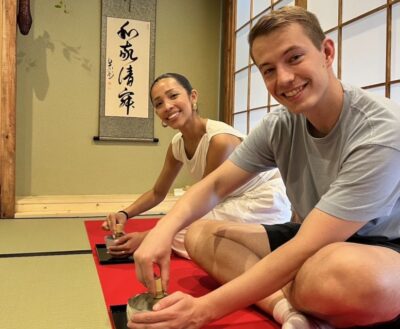
Browse the lists this tour appears in