
Reviewed · TEA CEREMONIES
Tokyo: Traditional Tea Ceremony with a Tea Master
This Tokyo tea ceremony is interesting because it puts you right in the middle of tea culture in a calm room across from Tokyo University. I especially like the hands-on matcha making, and I also like that you get a full tea tasting that goes beyond just one cup. One consideration: it is not designed for wheelchair users.
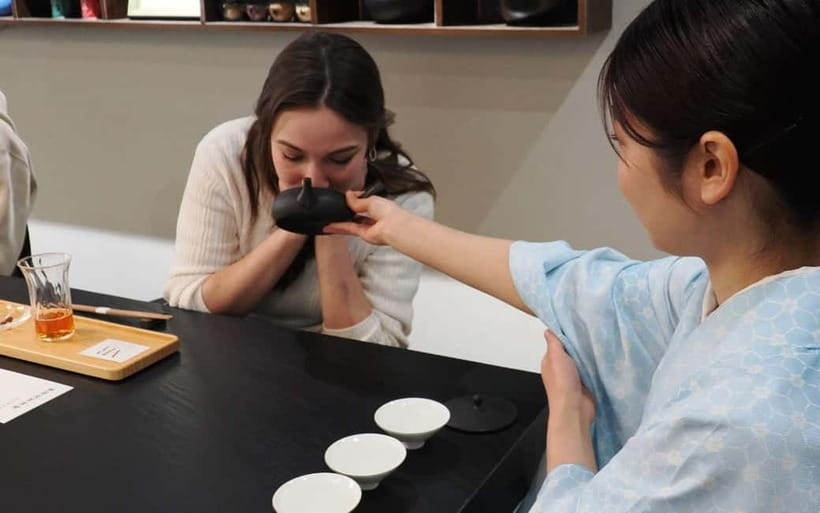
You spend the hour tasting several styles, learning the reasons behind each step, and practicing the movements yourself, not just watching. I like that the experience feels relaxed and friendly, even though the tea master keeps it proper and clear.
You’ll finish with a soothing final cup, plus a certificate and group photo to take home. Just plan on arriving a bit early so you start on time.
Key highlights to look forward to
- Make matcha yourself with traditional tools and guidance from the tea master
- Taste multiple tea types including Gyokuro sencha, wakocha, and genmaicha
- Seasonal wagashi from Ougiya paired thoughtfully with your tastings
- Interactive, not just observational time, with chances to try things yourself
- Keepsakes included: completion certificate and a group photo
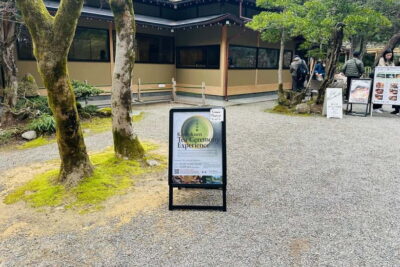
- Prime location opposite Tokyo University, with a clear OCHARU sign to find
Across From Tokyo University: Finding Ocharu and Getting Settled
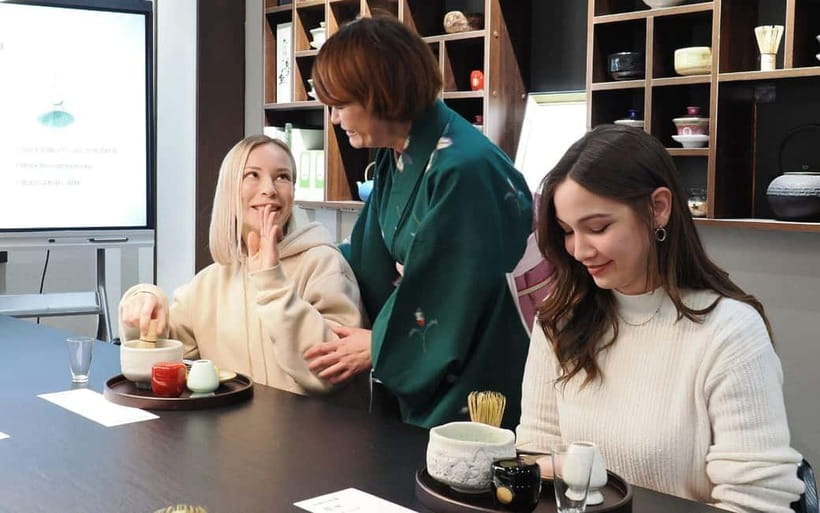
This experience is set up for easy morning or afternoon plans because the ceremony room sits right across from Tokyo University. The building is marked with a green logo that says OCHARU, so you’re not stuck guessing where to go.
When you arrive, check in about 5 minutes early. It’s a small, focused experience, so the timing matters more than you might think. The better you sync up, the smoother the tea master can guide the group through each step.
English instruction is part of the deal. Most guides come across clearly, but one guest noted that a specific accent was harder to follow, so if you’re sensitive to fast speech or unfamiliar accents, it’s worth mentally preparing for that possibility.
The room itself is calm and not overly formal. Several people described the vibe as laid back and friendly, with the tea master engaging and willing to explain. That balance matters, especially if you’re new to tea ceremony etiquette.
More Tea Ceremonies in Tokyo
- Matcha Making Class in Tokyo with Authentic Japanese Sweets Set
★ 5.0 · 744 reviews - Tokyo: Matcha Making Experience with Mochi Sweets in Asakusa
★ 4.9 · 388 reviews - Tokyo: Matcha and Kimono Experience
★ 4.7 · 219 reviews
Welcome Wakocha and Tea Cake: The First Sip Sets the Pace
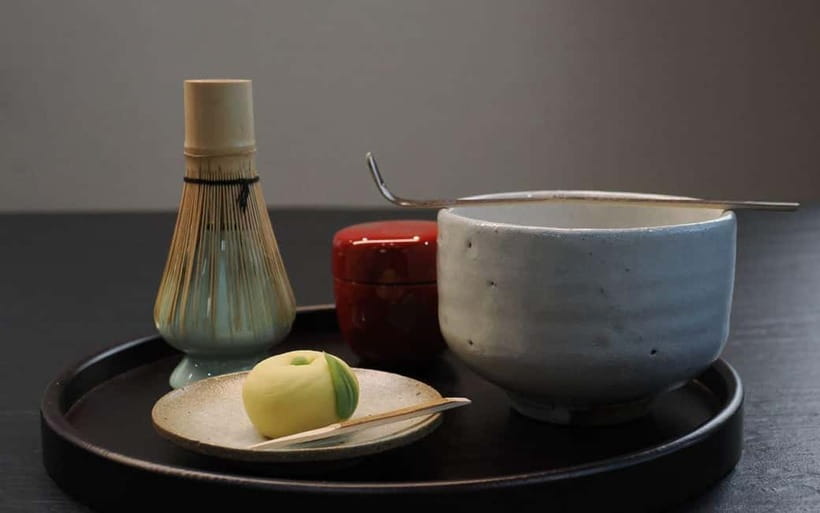
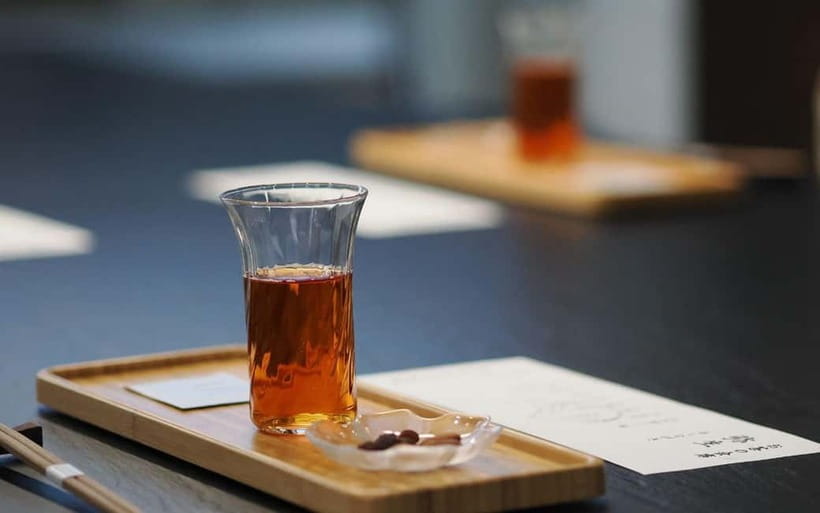
You start by settling in with a welcome tea and cake. First up is wakocha, a Japanese black tea from Shizuoka, paired with a traditional tea cake.
This opening is more than a warm-up. It gives you an immediate sense of how Japanese tea can move in different directions, black tea first, then green tea later. That order also helps your palate reset before you get to the more delicate green tea notes.
Expect the tea master to set the tone right away, explaining what you’re tasting and how to approach it. In this kind of session, the goal is not to rush you into matcha. It’s to help you notice, slow down, and taste with purpose.
Gyokuro Sencha Tasting and Ougiya Wagashi Pairing
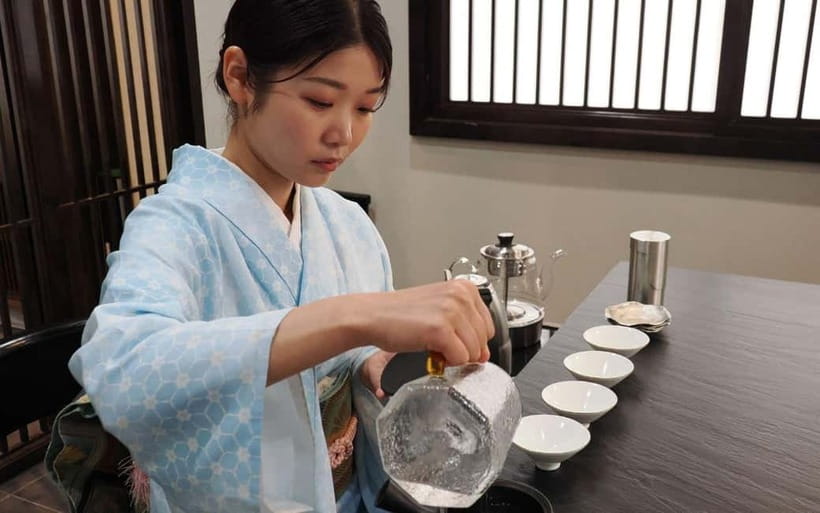
Next comes the green tea highlight: Gyokuro sencha. Gyokuro is often treated as a top grade, and in this ceremony it’s brewed fresh for you to taste.
You’re not just sipping. You also get to learn how the leaves and brewing method change what you experience in the cup. Some guests said the tea master talked about details like water temperature and the role it plays in flavor.
Alongside the tea, you’ll have seasonal wagashi from Ougiya, a confectioner that has been creating these sweets for generations. This part is a big reason the ceremony feels Japanese in a full sense, not only a drink experience.
Wagashi is where you start thinking about contrast. Sweetness, texture, and seasonal ingredients all show up, and they can either soften or sharpen your perception of each tea. If you like desserts, this pairing alone can be worth it. If you don’t, you’ll still appreciate how the sweets guide your palate through the tasting.
Some people also mentioned being able to try more than just the finished tea, like tasting tea leaves. You might get some hands-on moments here, depending on how the session flows.
Matcha Making With a Tea Master: What You Actually Do
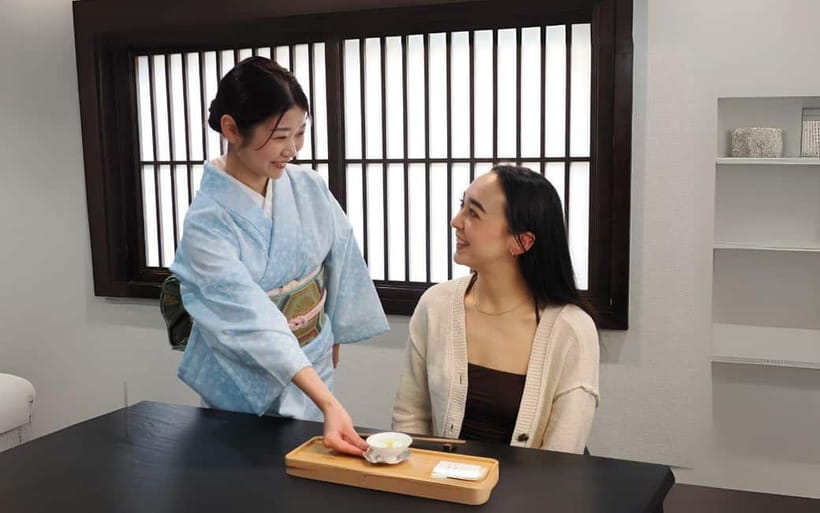
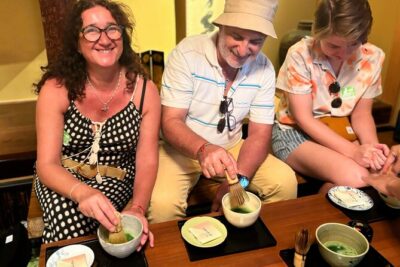
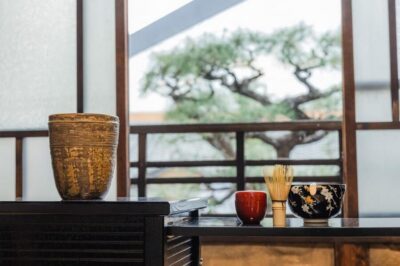
Then comes the main event: you whisk your own matcha. You’ll do it with traditional tools and utensils, guided step-by-step by the tea master.
This is where the ceremony turns from a tasting into a skill you can take home. Matcha making has a rhythm, and you’ll learn how to control the process so it tastes right. Several guests highlighted how interactive it feels, and that you’re allowed to participate rather than only watch.
The tea master also explains the culture behind the tools and movements. One guest specifically praised the guide for going into history and culture around matcha making, while others pointed out that the teaching stays relaxed and not stiff or lecture-heavy.
If you’re worried about doing it wrong, don’t. The session is designed for regular people, not tea experts. You’ll learn the correct manners and pacing at the same time you learn the technique.
And if you’re the type who likes tasting notes, matcha gives you plenty to notice: aroma, color, thickness, and that signature flavor shift from whisking and brewing. It’s also a good moment to ask questions, since the tea master is right there, usually conversational but still focused.
A change of pace from Tokyo:
- Mt Fuji and Hakone 1-Day Bus Tour Return by Bullet Train
★ 5.0 · 26,383 reviews - 1-Day Tokyo Bus Tour
★ 5.0 · 14,250 reviews - Tokyo: TOKYO SKYTREE® Admission ticket
★ 4.5 · 11,192 reviews - Tokyo: teamLab Planets TOKYO Digital Art Museum Entry Ticket
★ 4.6 · 9,779 reviews
Genmaicha Finale: The Comfort Cup After the Training Cup
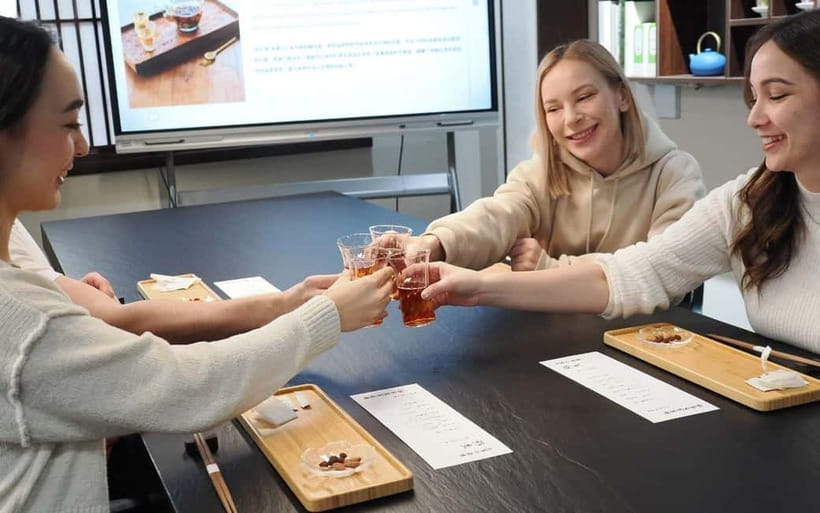
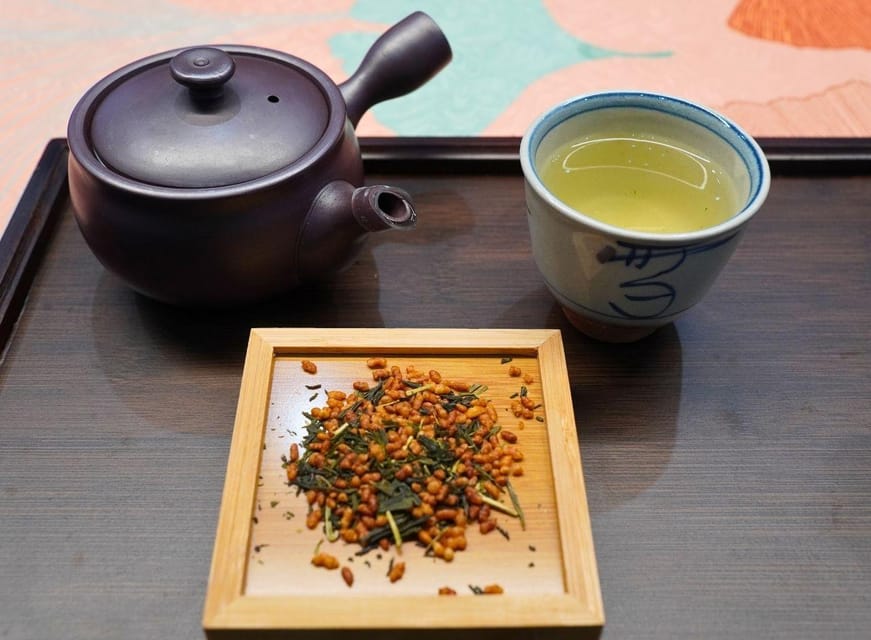
You finish with genmaicha, a blend of sencha and roasted rice from Niigata Prefecture. This last cup works like a palate cleanser and a comfort drink at the same time.
Roasted rice adds a nutty, toasty feeling that smooths out the sharper edges you might notice earlier. It also helps if you started the ceremony expecting only intense matcha or only green tea flavor. By the end, the experience rounds out, not just peaks.
Some people described the overall experience as soothing and calming, and genmaicha fits that tone perfectly. It’s a gentle landing after learning multiple tea styles and paying attention to technique.
Keepsakes, Photos, and a Certificate You Can Actually Use
Before you leave, you get a certificate of completion and a group photo. It’s a simple add-on, but it’s also a good way to mark the experience without needing to remember every detail perfectly.
The certificate isn’t just generic. One guest said it arrived with their name written in Japanese, even though they didn’t explicitly request it. That kind of care is part of why people gave high marks to this session.
You’ll also likely have a chance to talk casually with your tea master. Several reviews mentioned the guides chatting about trips, home cities, and even movies. That makes the session feel less like a performance and more like a real cultural exchange.
Price and Value for a 1-Hour Tokyo Experience
At $38 per person for a 1-hour session, the best way to judge value is by what you receive, not just the cost.
Here’s the practical picture: you get a welcome wakocha and tea cake, you taste Gyokuro sencha, you try seasonal wagashi from Ougiya, you make your own matcha, and you finish with genmaicha. On top of that, you receive a certificate and group photo.
In other words, you’re not paying only for a lesson. You’re paying for multiple tastings plus participation, with ingredients and traditional tools included.
This is also a good deal for people who want a meaningful cultural activity without turning Tokyo into a full-day schedule. The 1-hour length keeps it efficient, especially if you already have a packed itinerary around Ueno, Nezu, or Tokyo University.
A Few Planning Notes That Make the Session Easier
This ceremony is a great choice if you enjoy food, tea, and learning by doing. If you like structured but relaxed activities, you’ll probably enjoy the way the tea master guides you through each step.
You should also know what kind of experience you’re buying. This is not described as a silent, ultra-rigid traditional ritual. It’s more like a guided tea ceremony where you taste, learn the reasons behind each step, and then practice the matcha yourself.
If you’re sensitive to noise or prefer very private experiences, you might want to book with expectations of a group setting. Some guests mentioned the possibility of one-on-one sessions, but that’s not something you should assume for every booking.
If you have mobility needs, note that the session is not suitable for wheelchair users. If that applies to you, it’s worth looking for another tea experience option that explicitly supports accessibility.
Who Should Book This Tea Ceremony (and Who Might Skip)
I think this is ideal for first-timers who want a real introduction to Japanese tea culture without feeling overwhelmed. It also works well if you already drink tea at home and want to understand what changes when you switch types like wakocha, sencha, matcha, and genmaicha.
It’s also a good fit for couples and small groups because everyone participates. Even if one person is more tea-curious than the other, the structure helps both people find something to enjoy.
You might skip it if you dislike guided activities or you only want tea without any explanation. Also, if you strongly prefer ultra-formal tea rituals with strict silence, you may find the relaxed tone not to your taste.
Final Call: Should You Book the Ocharu Tea Ceremony?

If you want an hour in Tokyo that mixes real food, hands-on matcha practice, and a calm cultural lesson, I’d book it. The price feels fair because you’re tasting several teas, including Gyokuro sencha and genmaicha, plus wagashi from Ougiya, and you’re making matcha yourself.
The location helps too. Being across from Tokyo University means you can pair it with a nearby walk, and finding the OCHARU building is straightforward.
Just come ready to learn a few tea basics, take your time with tasting, and ask questions. If you do that, you’ll leave with something more useful than a souvenir, you’ll have a new way to appreciate tea when you drink it later.
FAQ
How long is the Tokyo tea ceremony?
The experience runs for 1 hour.
What teas are included in the tasting?
You’ll enjoy wakocha as a welcome tea, taste Gyokuro sencha, make and drink matcha, and finish with genmaicha.
Do I get to make my own matcha?
Yes. The session includes a hands-on matcha making time with guidance from the tea master, using traditional tools.
Will I receive a certificate and a group photo?
Yes. You get a certificate of completion and a group photo as keepsakes.
Is the instructor speaking English?
Yes, the instructor provides the ceremony in English.
Is this experience wheelchair accessible?
No. It is not suitable for wheelchair users.
Latest write-ups near Tokyo
- Tokyo Customized Private Tour: See Top Attractions in 1 Day★ 4.8 · 67 reviews
- From Tokyo: Top 5 Scenic Spots of Mount Fuji Full-Day Tour★ 4.5 · 67 reviews
- Traditional Japanese Music ZAKURO SHOW in Tokyo★ 5.0 · 67 reviews
- Tokyo: Shinjuku Izakaya and Golden Gai Bar Hopping Tour (2h)★ 4.9 · 67 reviews
- Tsukiji: Unlimited Sake Tasting Experience★ 4.9 · 67 reviews
- Samurai Ninja Museum Asakusa: Kid-Friendly Ninja Training★ 4.7 · 67 reviews
- Tokyo: Not a show- a professional sumo practice with experts★ 4.9 · 67 reviews
- Private Harajuku Omotesando Architecture Walking Tour★ 5.0 · 67 reviews
Tea Ceremonies, compared.
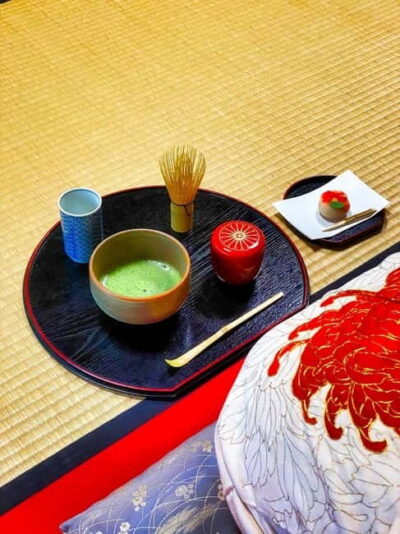
Tea Ceremony in a Traditional Tea House in Kiyomizu
Read our review →
World Heritage Kyoto & Nara Uji Authentic Matcha Experience
Read our review →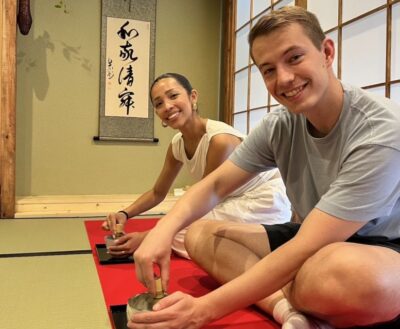
Browse the lists this tour appears in