
Reviewed · TEA CEREMONIES
Tokyo: Two Types of Japanese Sweets Making and Tea Ceremony
This experience is interesting because it blends wagashi making with the real everyday ritual of Matcha tea, all in one smooth 125 minute session. You do hands-on work, taste as you go, and leave with sweets that match the season, not a generic demo.
I really like that you make Ohigashi first, using traditional Wasanbon sugar, so you start with a technique you can actually feel. I also love that the sweetness is built on Kyoto long-established bean paste and finished with single-origin special Matcha, so it tastes like the ingredients matter.
One thing to consider: the Nerikiri step takes a steady hand and a bit of patience. It is not hard in a scary way, but it can feel a little fiddly if you rush, and you should plan to stay present the whole time.
Key points to know before you go
- You make three connected parts: Ohigashi, two seasonal Nerikiri sweets, and your own Matcha.
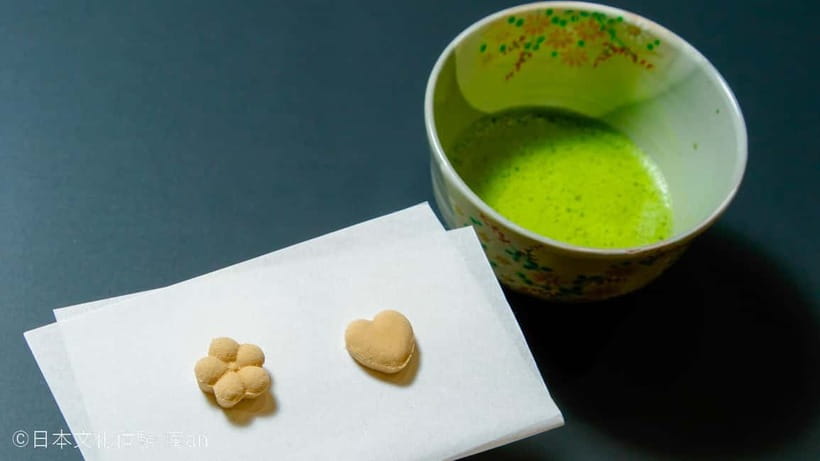
- Wasanbon sugar for Ohigashi gives you a classic Japanese sweets foundation.
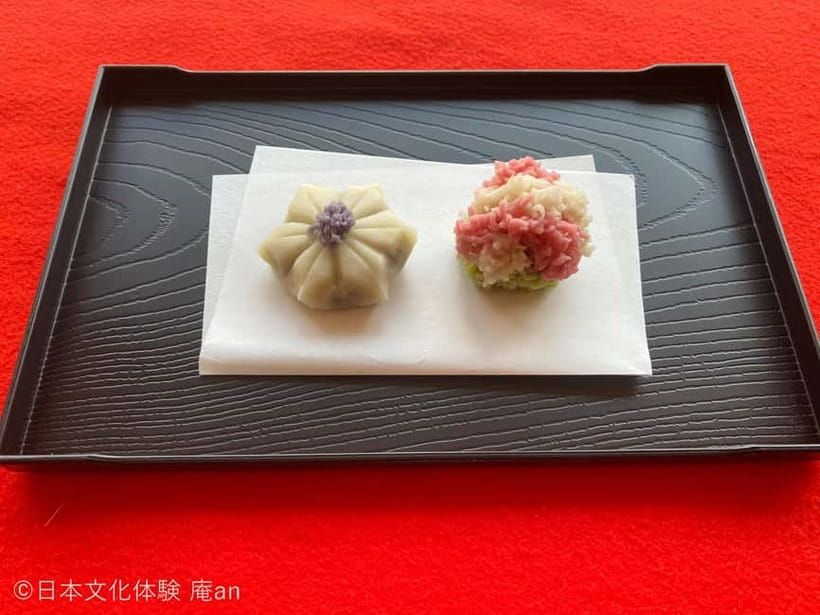
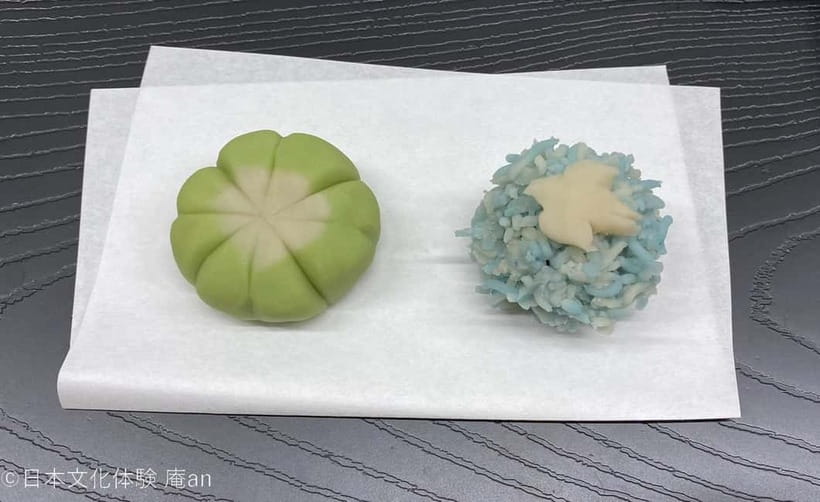
- Two seasonal Nerikiri sweets use white and red bean paste, shaped into a flower style.
- Single-origin special Matcha plus a grinding demo, then a casual tea ceremony at your own pace.
- English support is strong, with explanations and background on sweet types and Matcha vs green tea.
- Extra options cost more if you want a take-out box, added color, or a completion certificate.
A Tokyo wagashi workshop with Ohigashi, Nerikiri, and your own tea
If you have ever wondered why Japanese sweets can look like tiny art pieces and still taste comforting, this class gives you the answer the practical way. You do the making yourself, and the tea part ties everything together so it feels like one culture experience, not three separate crafts.
The session is built around two types of Japanese sweets plus Matcha. Ohigashi is dried style, Nerikiri is molded and more soft-textured, and then the tea ceremony portion brings you into the flavor world behind both.
For most people, the best part is that it is not only about getting a pretty result. It is about understanding the basic logic, like why ingredients matter and how different sweets pair with different tea styles. And yes, you will get to eat and drink too.
More Tea Ceremonies in Tokyo
- Matcha Making Class in Tokyo with Authentic Japanese Sweets Set
★ 5.0 · 744 reviews - Tokyo: Traditional Tea Ceremony with a Tea Master
★ 5.0 · 528 reviews - Tokyo: Matcha Making Experience with Mochi Sweets in Asakusa
★ 4.9 · 388 reviews
The 125 minute flow, from Wasanbon Ohigashi to Nerikiri and Matcha
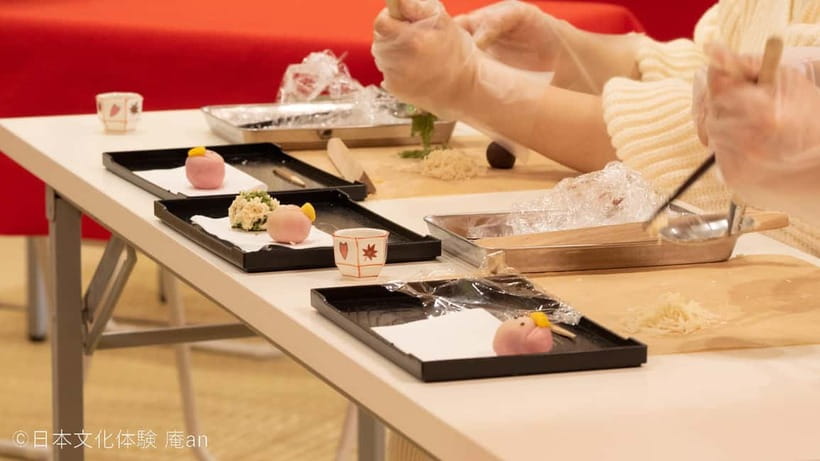
The pacing is clear. First comes an intro to Japanese traditional sweets and what you are about to make. Then you switch into making mode, take short breaks, and finish with tea.
Here is the rhythm you can expect:
- Early on, you get an explanation of traditional sweets, then you start Ohigashi making.
- After that, there is a break, and you move into Nerikiri shaping, including a flower-shaped style and making two sweets that fit the season.
- Later, you get tea-focused explanations, then a Matcha grinding demo.
- The tea ceremony portion is done casually, so you are not stuck performing. You grind, prepare, and enjoy.
- You end with time for eating and drinking, plus photos.
If you like structured classes where you know what is happening next, this format is friendly. If you hate hands-on sessions, you should skip it, because those who do not participate cannot enter.
Ohigashi: dried wagashi made with Wasanbon sugar
Ohigashi is the dried style Japanese sweet, and it is a great warm-up. It teaches you the idea of texture and form without requiring the same kind of fine sculpting you do later with Nerikiri.
A key detail here is Wasanbon, a traditional Japanese sugar used for Ohigashi. Wasanbon has a reputation for sweetness that feels gentle rather than harsh. In a class like this, that matters because you are not just making something, you are tasting the ingredient while you work, so you start linking technique to flavor.
In the class flow, Ohigashi comes early, and that is smart. You get the basics while you are still fresh, then you move on to the bean paste-based molding when you are warmed up.
Practical tip: if you are hoping to take sweets home, plan for the fact that a sweets take-out box costs extra. Otherwise, you may need to enjoy everything on site and leave with pictures, not packaging.
Nerikiri: shaping two seasonal sweets with bean paste finesse
Nerikiri is where the class gets more playful and more detailed. This is the soft, molded wagashi style where you shape bean paste into a specific look, including a flower-shaped result.
You will make two seasonal Nerikiri sweets using white and red bean paste. The class uses bean paste produced by Kyoto’s long-established shops, which is a big deal because bean paste quality changes everything from taste to how the paste behaves while shaping.
This is also where you may feel that “wait, I need a second” moment. The Nerikiri step can require fingertip control, especially if you want clean edges and crisp form. One reason this is so satisfying is that when it works, you can see instantly that technique and patience are the difference between smudgy and sharp.
A specific highlight from experience feedback is that tasting is part of the payoff. People tend to really like how Nerikiri tastes once it is shaped properly, because bean paste and the final form stay in balance.
If you are the type who rushes through tasks, slow down. Nerikiri rewards calm hands. If you are relaxed and you take your time, you usually get a result you can be proud of.
A change of pace from Tokyo:
- Mt Fuji and Hakone 1-Day Bus Tour Return by Bullet Train
★ 5.0 · 26,383 reviews - 1-Day Tokyo Bus Tour
★ 5.0 · 14,250 reviews - Tokyo: TOKYO SKYTREE® Admission ticket
★ 4.5 · 11,192 reviews - Tokyo: teamLab Planets TOKYO Digital Art Museum Entry Ticket
★ 4.6 · 9,779 reviews
The tea side: grinding Matcha and a casual ceremony
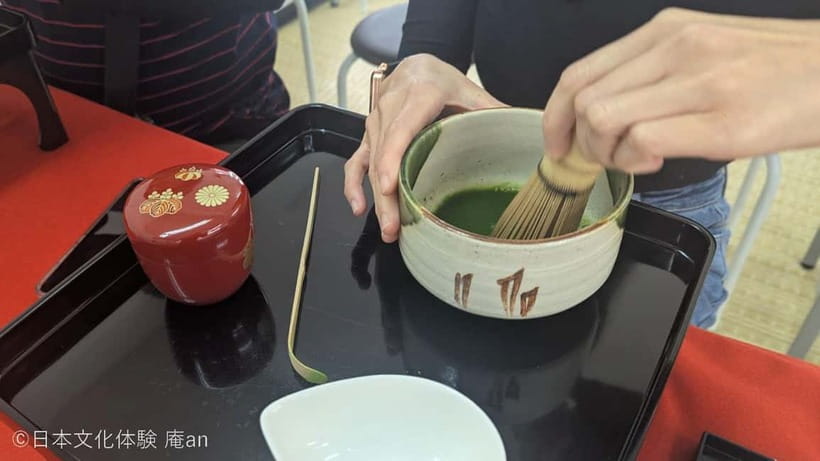
After sweets, you shift gears to tea. The tea portion is not thrown together, either. You get tea explanations, then a Matcha grinding demonstration, and then you do the ceremony experience yourself in a casual way.
Grinding Matcha matters because it is not only about flavor. It is also about texture. When Matcha is ground fresh, it mixes more smoothly and creates that signature foam on top, the part that makes Matcha feel special even for beginners.
Expect the class to guide you through making your own Matcha, and then enjoying tea as part of the session. The overall vibe is calm and approachable. You are learning the ritual, not being tested on perfect etiquette.
One of the most praised elements is that the instructor explains background in a way that sticks. You can expect clarity around sweet types and the difference between green tea and Matcha, which helps you order and appreciate tea later, not just today.
Ingredient quality you actually feel: Kyoto bean paste and special Matcha
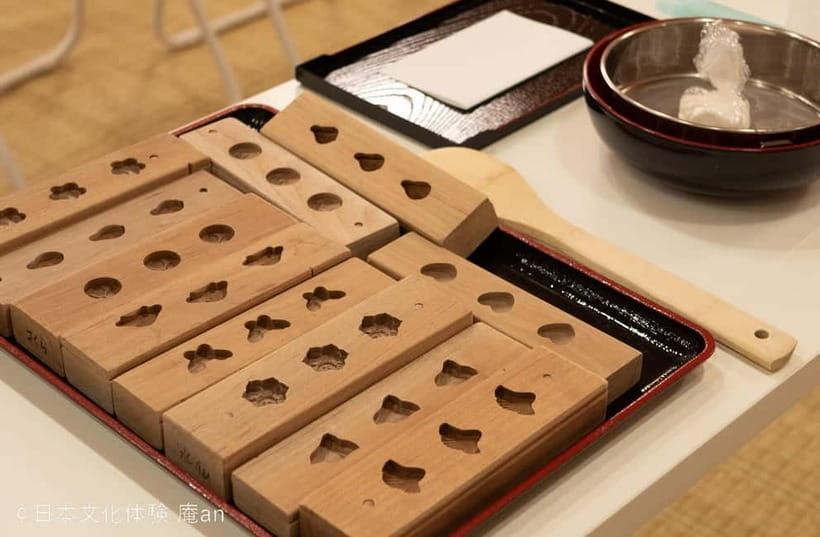
This workshop leans on ingredient quality in three specific ways.
First, Wasanbon sugar is used for the Ohigashi you make. That choice signals that the class is not treating sweets as an easy craft. It is giving you the traditional base that defines the flavor style.
Second, the bean paste is sourced from Kyoto’s long-established shops and made available in white and red versions. When the paste is good, shaping feels more consistent. You also taste a deeper, more balanced sweetness that does not overwhelm.
Third, Matcha is single-origin special Matcha. Single-origin generally means you are tasting a specific character rather than a blended, generic style. In practice, what you feel is a more focused flavor and a Matcha experience that tastes like it was chosen, not assembled.
This matters for value. If you do a sweets class where ingredients are average, the experience can still be fun, but it often ends with a “cute, but not memorable” snack. Here, the ingredient choices are part of why the results feel worthwhile.
Price and value: why $28 for two sweets plus Matcha can be a good deal
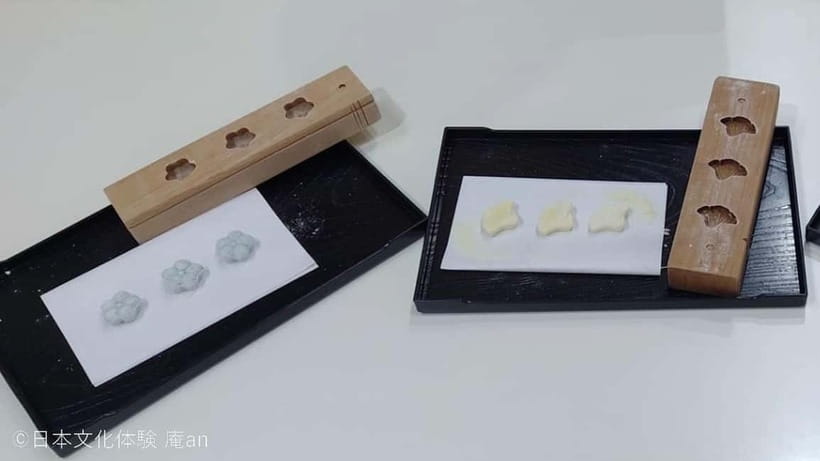
At about $28 per person for a 125 minute class, you are paying for more than a tutorial. You are paying for:
- instruction while you make Ohigashi
- shaping two seasonal Nerikiri sweets with bean paste
- a full Matcha experience, including grinding and a tea ceremony portion
- time to eat and drink
That bundle is the value. Many food workshops charge a similar amount for one craft step, then send you away with nothing but a photo. Here, the core output is edible, and you do not just watch tea being made either. You participate.
There are optional add-ons if you want them. A sweets take-out box costs extra (100 JPY), adding color costs extra (200 JPY), and a completion certificate costs extra (300 JPY). Those options let you personalize, without forcing you into extra spending.
My practical take: if you care about actually leaving with sweets and a tea experience you can repeat at least in spirit, this price makes sense. If you are only curious about one part, like only tea or only sweets, you might feel it is more than you need.
Who should book this Tokyo class, and who should rethink it
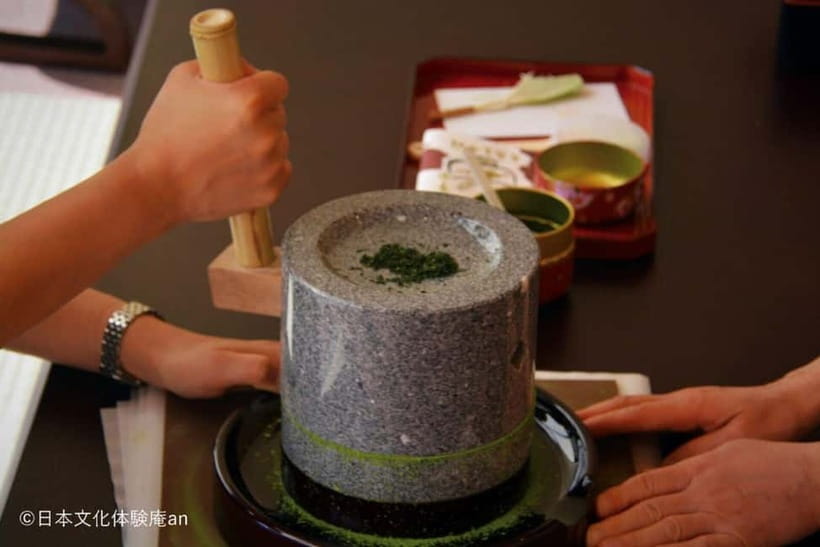
This workshop is a great fit if you:
- want a hands-on Tokyo wagashi workshop instead of a museum-style tasting only
- like learning how sweets connect to tea, not just tasting sweets
- enjoy trying Japanese basics even if your Japanese is limited
- want an experience that is culturally focused but not intimidating
It is also a good choice if you like structured pacing, because the class moves step-by-step with explanations and breaks.
If you are worried about precision work, don’t panic. Nerikiri can require fine touch, but the class is designed for beginners. The bigger consideration is time and attention, because the event will not be held to accommodate delays, and you cannot enter without participating.
If you only want to watch, this is not your class. Those who do not participate will not be allowed to enter. Plan to roll up your sleeves.
Practical tips for showing up at AN TOKYO Japanese Culture Experience
The meeting point is AN TOKYO Japanese Culture Experience. The instructor is Japanese, and English translation is provided as much as possible, so you should still be able to follow along even if your Japanese is basic.
The class runs 10:00 to 17:00. If you book later than 17:00, reservations received after 17:00 are processed next day. Also, the program is described as not accommodating delays, so build in buffer time.
If you are budget-minded, think about the add-ons ahead of time. You will need to decide if you want a take-out box for your sweets, whether you want any extra coloring, and if a completion certificate matters to you.
One more practical thought: this is a sit-and-make session. Wear something comfortable that you do not mind getting lightly messy, and come ready to taste and talk.
Should you book this Tokyo sweets and tea ceremony experience?
I think you should book it if you want an authentic-feeling Tokyo food activity that connects craft and tea, and you like learning by doing. The combination of Ohigashi, two seasonal Nerikiri sweets, and a Matcha ceremony experience is the strength. It is also priced in a way that feels fair for the amount of food you make and the full tea sequence.
I would skip it if you want a purely relaxing tea tasting with no hands-on work, or if you strongly dislike shaping and molding. Nerikiri takes a little patience, and the class is not set up for watching only.
If you are on the fence, this is the kind of experience that tends to click fast because you can taste the results immediately. You leave with sweets you made and tea you prepared yourself, which is exactly what a cultural food workshop should do.
FAQ
How long is the experience?
The experience lasts 125 minutes.
What sweets will I make during the class?
You will make dried-type Japanese sweets (Ohigashi) and two seasonal Japanese sweets (Nerikiri).
What is included in the price?
The price includes a set of experiences covering 2 types of Japanese sweets making and a tea ceremony, for 3 total experiences.
Is there English translation during the class?
English translation is provided as much as possible.
Are there extra charges for take-out or special items?
Yes. A sweets take-out box costs 100 JPY, adding color costs 200 JPY, and an experience completion certificate costs 300 JPY.
What is the meeting point?
The meeting point is AN TOKYO Japanese Culture Experience.
What if I do not participate in the experience?
Those who do not participate in the experience will not be allowed to enter.
Latest write-ups near Tokyo
- Tokyo Nights: Shibuya Photo Adventure★ 5.0 · 20 reviews
- Wagyu & Sake 8 Course Tasting Dinner in Shinjuku★ 4.9 · 20 reviews
- Making Japanese desserts Nerikiri & drinking matcha in Tokyo★ 5.0 · 20 reviews
- Mt. Fuji 5th Station, Owakudani Ropeway, Pirate Ship plus Outlet shopping!★ 4.5 · 20 reviews
- Japanese Whisky Hunting《HIGH-QUALITY-ONLY》Rare Tasting Class★ 5.0 · 20 reviews
- Kintsugi Experience with Arita Ware in Tokyo (English Guide)★ 4.8 · 20 reviews
- This is Asakusa! A Tour Includes the All Must-Sees!★ 5.0 · 20 reviews
- Tokyo: Karate Experience with Former All-Japan Champion★ 5.0 · 20 reviews
Tea Ceremonies, compared.
Tea Ceremony in a Traditional Tea House in Kiyomizu
Read our review →
World Heritage Kyoto & Nara Uji Authentic Matcha Experience
Read our review →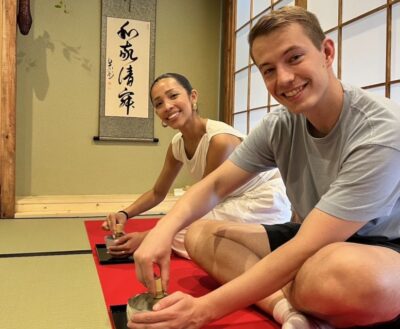
Browse the lists this tour appears in