
Reviewed · TEA CEREMONIES
Tokyo: Tea Ceremony & Japanese Traditional Sweets
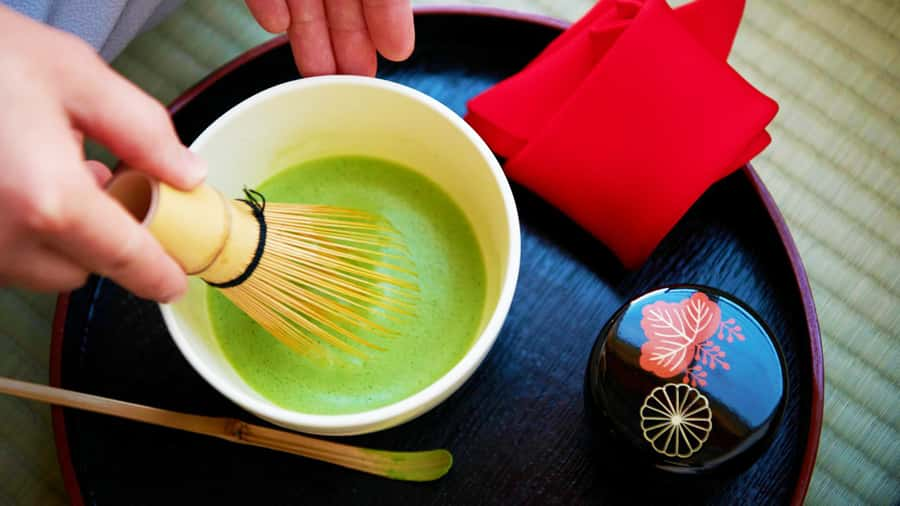
A Tokyo tea ceremony is interesting when it is hands-on, not just watch-and-queue. This one teaches you how matcha is made, shows the graceful otemae ritual, and then puts tools in your hands. You also get to make nerikiri sweets that match the seasonal theme.
I love the way the session is built around doing the work yourself, so matcha stops being a concept and becomes something you can taste. I also like that you pair your drink with sweets you crafted, so the whole hour feels like one connected experience, not separate stations.
One possible drawback is the time limit. Since it is a 1-hour class, you will focus on core steps, not a long, slow deep-dive into every detail of tea culture.
Key things that make this Tokyo tea ceremony class worth your time
- You whisk your own matcha, not just sip someone else’s bowl
- Otemae demonstration is shown first, then you practice the flow
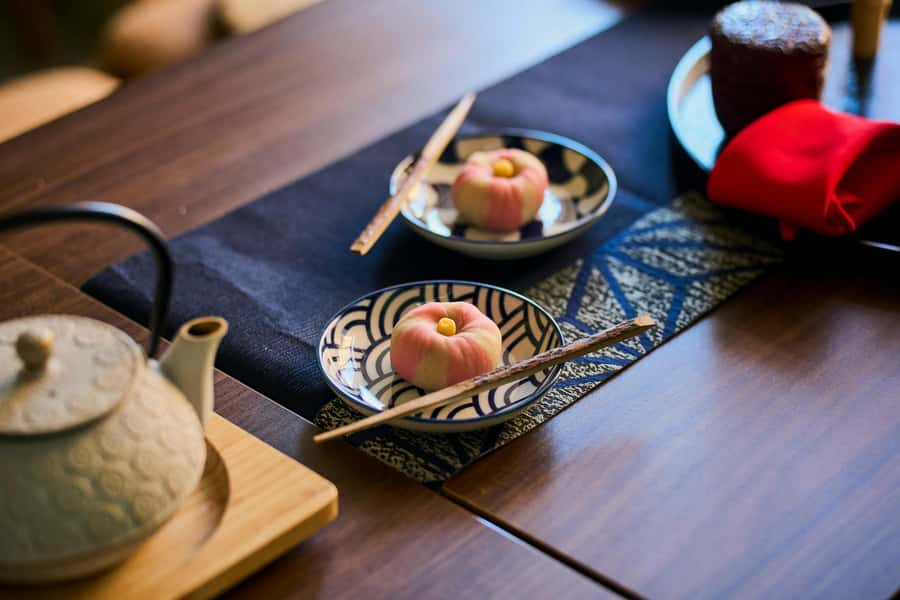
- Nerikiri sweets by you, using seasonal shapes and colors
- English-only guidance with clear explanations and an expert host
- Small group size capped at 10, so you can actually ask questions
- Easy access from Hakusan Station, about a 5-minute walk, meeting on the 2nd floor
A calm, hands-on ritual: matcha and sweets in one hour
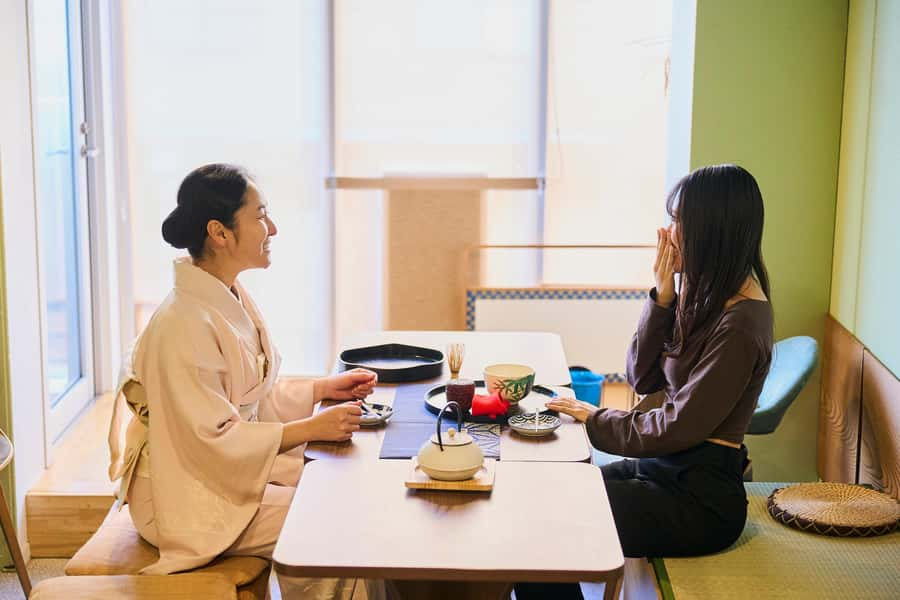
This is the kind of Tokyo experience that slows your brain down in a good way. Instead of sprinting from shrine to shrine, you sit, follow a simple sequence, and learn the rhythm behind the tea. You end the hour with two things that make the learning real: your bowl of matcha and your own nerikiri sweet.
What I like most is the balance. You get a proper look at the tradition through the otemae demonstration. Then you do the practical part, where your hands learn what your eyes saw. If you like experiences that turn knowledge into muscle memory, you will probably enjoy this format.
The sweets matter too. Nerikiri is not just dessert, it is a craft, and it is designed to reflect the seasons. Making it yourself turns a snack into a little lesson in Japanese seasonal design.
More Tea Ceremonies in Tokyo
- Matcha Making Class in Tokyo with Authentic Japanese Sweets Set
★ 5.0 · 744 reviews - Tokyo: Traditional Tea Ceremony with a Tea Master
★ 5.0 · 528 reviews - Tokyo: Matcha Making Experience with Mochi Sweets in Asakusa
★ 4.9 · 388 reviews
Getting to the meeting point near Hakusan Station (and why 2nd floor matters)
You meet near Toei Mita Line Hakusan Station, roughly a 5-minute walk. The exact location is Phil Park Hakusan Hills, and you go to the 2nd floor as shown on Google Maps. That detail sounds minor, but in Japan, being one floor off can waste time fast.
If you are arriving by train, I suggest you give yourself a few extra minutes to orient yourself before the start time. The session is scheduled by availability, so you do not want to show up late and feel rushed.
Also note that this is in Bunkyo-ku, a part of Tokyo that is not trying to be a theme park. You may find it a refreshing change from the busiest tourist corridors, with more everyday neighborhood energy around you.
What happens first: otemae viewing and the flow of the ceremony
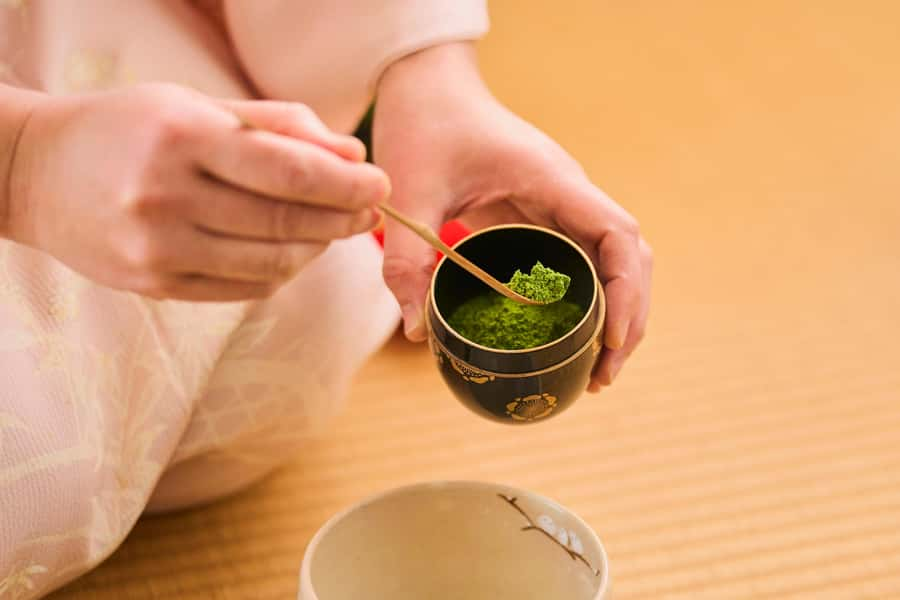
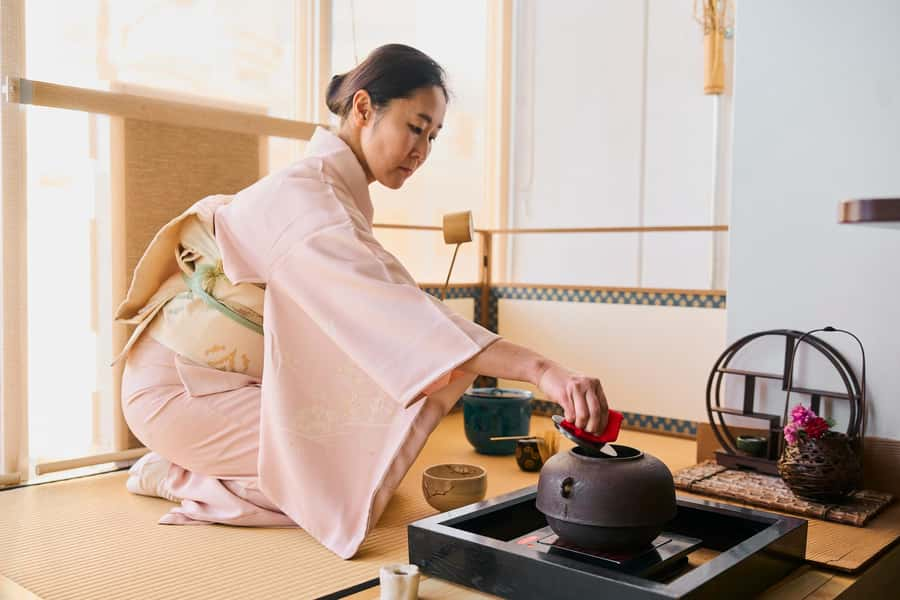
The class starts with a traditional tea ceremony approach, including an otemae demonstration. Otemae is the structured sequence of movements and preparation that turns making tea into a quiet performance.
At this stage, the big value for you is mental framing. You see how the host and tea master keep each step orderly, so when it is your turn, you are not guessing. It also helps you understand that tea is not random. It has a process.
Watch closely, but do not stress about remembering everything. The host explains in English, and the whole point is to make first-timers comfortable. If you are the type who worries about getting it wrong, you can relax here. The ceremony is taught as a skill you can learn, not as a test you pass or fail.
Your matcha lesson: learning to prepare and then tasting it
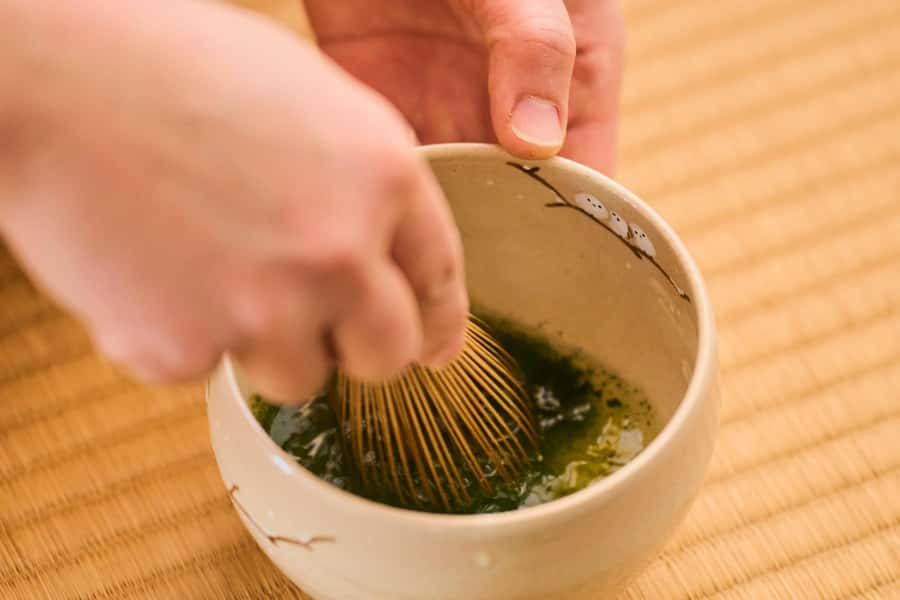
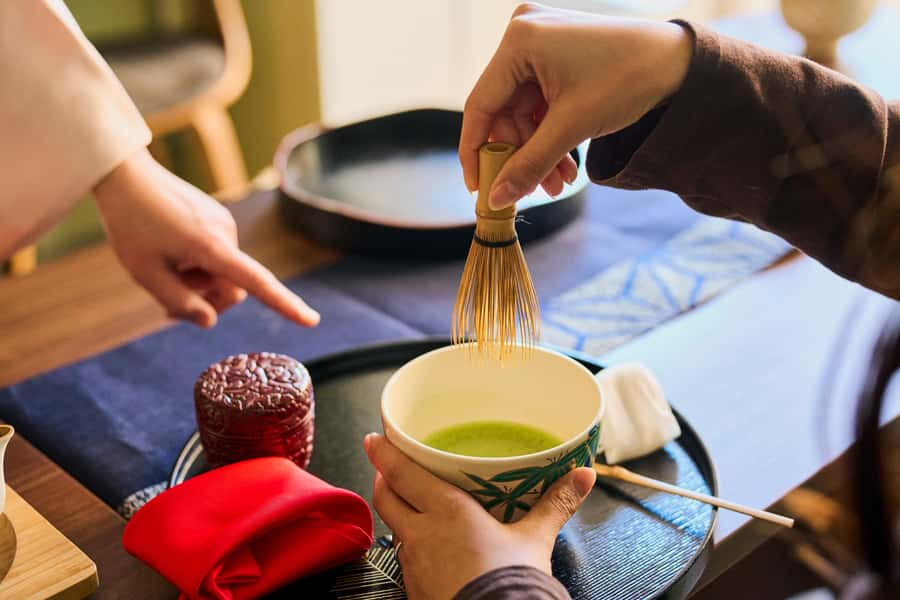
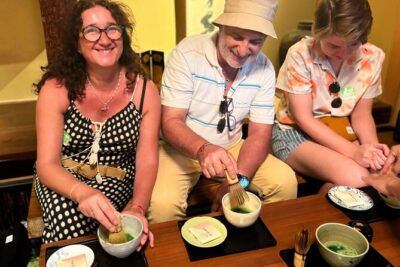
After the demonstration, you prepare your own bowl of matcha. You learn how to make matcha from a tea master, and the instruction is designed for real beginners. This is a key part of the value: you go from watching the ritual to experiencing the taste and texture changes that come from doing it yourself.
You will also taste the matcha you make, so you can connect steps with flavor. Matcha is often described in vague terms, but when you personally whisk the bowl, you understand what people mean by rich flavor and smooth body.
This is where the session becomes more than entertainment. You are learning a basic technique you can repeat later. Even if you never become a tea artisan, you will leave with a better sense of what good matcha preparation feels like.
A change of pace from Tokyo:
- Mt Fuji and Hakone 1-Day Bus Tour Return by Bullet Train
★ 5.0 · 26,383 reviews - 1-Day Tokyo Bus Tour
★ 5.0 · 14,250 reviews - Tokyo: TOKYO SKYTREE® Admission ticket
★ 4.5 · 11,192 reviews - Tokyo: teamLab Planets TOKYO Digital Art Museum Entry Ticket
★ 4.6 · 9,779 reviews
Crafting seasonal nerikiri: the sweets part is more than decoration
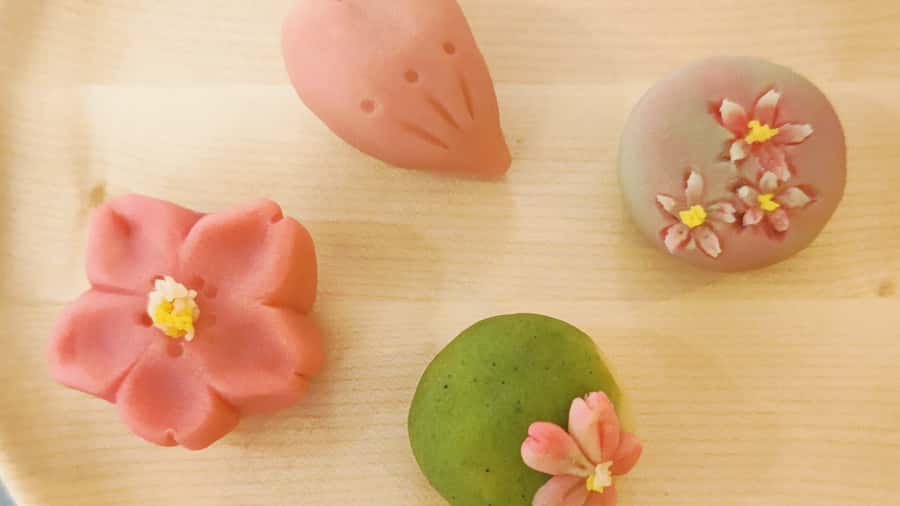
Then comes the nerikiri workshop portion. Nerikiri is a traditional Japanese confection shaped into seasonal motifs, often tied to nature themes like flowers and seasonal symbolism.
The craft angle is important. This class is not only about eating sweets, it is about making them. You get to create a nerikiri confection yourself, guided through the process so you can shape it into something beautiful rather than a messy experiment.
Pairing your handmade nerikiri with freshly prepared matcha is a smart design choice. It keeps the theme consistent. You are not tasting a random snack after tea. You are experiencing the idea of seasonality and pairing, tea with a sweet that matches the moment.
If you are traveling with kids or family, this is often the most enjoyable part. The work is hands-on, visual, and satisfying when it takes shape.
English guidance that keeps the ritual accessible
This experience is guided in English only. The host provides clear explanations as you go, and that matters because tea ceremonies can feel intimidating if you do not know the meaning behind the steps.
The benefit of English guidance is that you can ask questions in real time. When you can clarify what you are doing, you stop overthinking and start participating. That is how you get the best version of this experience, especially if it is your first time.
It also means you can enjoy the calm of the setting without constantly translating in your head. You will still learn plenty of new tea terms and technique ideas, but the pace stays human.
Small group size and pacing, so you are not stuck in the back
The class is a small group, limited to 10 participants. In practice, that size is a sweet spot. You are close enough to see what is happening, but you are not squeezed into a crowded room where you feel like an observer.
Duration is 1 hour, so expect a focused flow. It is enough time to cover demonstration, instruction, making matcha, making nerikiri, and tasting. It is not enough time to linger on every micro-detail of equipment or tea history. For most people, that is a feature, not a flaw.
Also, there is practical support for your technique. The experience is described as guided with help from the tea master and supported by an expert host, which is exactly what you want when you are learning whisking and sweet-shaping steps.
Price and value: is $27 for matcha and sweets a fair deal?
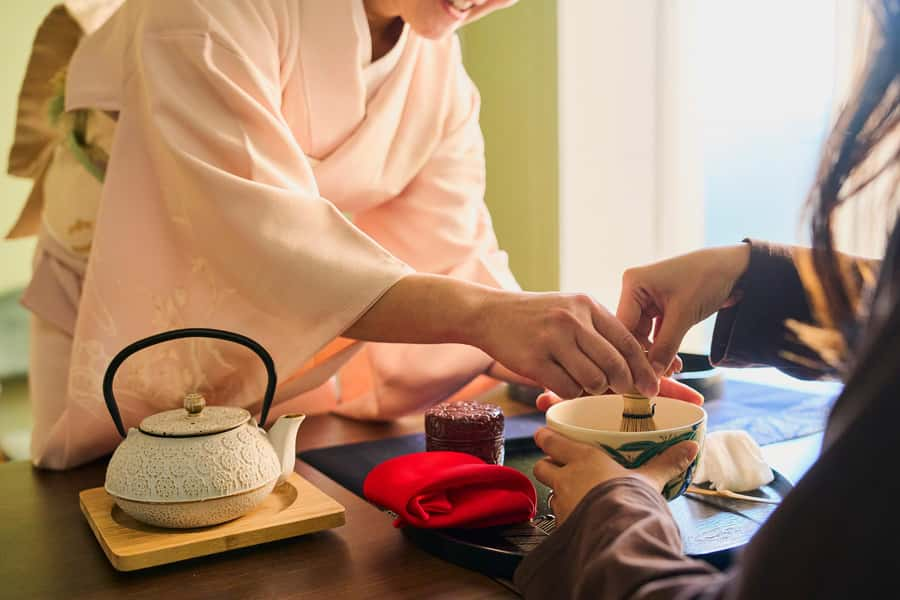
At $27 per person for a 1-hour experience, this class is priced like a hands-on cultural workshop rather than a long tour. The best way to judge value is by what you actually do.
You do four big things that justify the cost:
- You learn matcha-making from a tea master with 10+ years of experience
- You watch otemae and then prepare your own bowl
- You craft nerikiri sweets yourself
- You get English explanations from an expert host in a small group
You are paying for instruction, materials, and the teacher attention that comes with a group capped at 10. If you compare that to paying for tastings only, this feels more complete. You get something you can taste and something you can see you made.
It also works as a practical break in an intense sightseeing schedule. A one-hour calm block with a hands-on payoff can be worth as much as a full half-day, simply because you will remember it differently.
What to wear and how to show up ready
The tour requests comfortable clothes. That is the right advice for two reasons. First, you will be doing hands-on steps, including whisking and shaping sweets. Second, you want to stay comfortable while you sit and focus.
If you are sensitive to cold or want extra comfort, dress in layers. Some small workshop spaces can feel cooler depending on ventilation and room layout.
I would also recommend arriving a few minutes early. Not because you need to wait around, but because you will want a calm start. When you arrive relaxed, the ceremony feels easier to follow.
Who should book this Tokyo tea ceremony experience?
This class is a great fit if you want authentic Japanese culture without the pressure of getting everything perfect. It is especially good for first-timers because the guidance is in English and the session is structured for beginners.
You will likely enjoy it if you:
- Like practical classes you can repeat later at home
- Want a break from crowded, fast-paced sightseeing days
- Care about seasonal Japanese sweets and craftsmanship
- Enjoy calm activities where you can ask questions and slow down
You might reconsider if you strongly prefer longer, more academic experiences, or if you want guidance in Japanese. The format here is English only, and the total time is just one hour.
Quick notes on accessibility and pace
This experience is listed as wheelchair accessible. If you use a mobility device, it is still smart to consider your comfort level in a workshop-style setting. But the tour is specifically marked accessible, which is a good sign.
Because it is a compact time slot, the pacing stays tight. Plan for it as a learning block, not a casual hangout. You will have a better experience if you treat it like a focused class.
Should you book this Tokyo tea ceremony and traditional sweets class?
I think you should book it if you want a real hands-on taste of Tokyo culture in a short window. The combination of matcha whisking, an otemae demonstration, and making nerikiri yourself makes the hour feel complete. At $27 with English instruction and a group cap at 10, it is a fair deal for what you get.
If you are unsure, here is the simple test: do you want to leave with skills you practiced, not just photos? If yes, this fits. If no, and you only want passive viewing, you might prefer something more observational.
Given the strong overall rating and the consistent theme of clear guidance and calm pace, this is one of those activities that tends to work well for many travel styles, especially when you build it into a day with lighter sightseeing.
FAQ
How long is the Tokyo tea ceremony and sweets experience?
The experience lasts 1 hour.
How much does it cost per person?
It costs $27 per person.
What is included in the experience?
It includes an English guide, the tea ceremony, and traditional Japanese sweets.
Is the tour offered in English?
Yes. The tour is conducted in English only, and Japanese language support is not available.
Where is the meeting point near Hakusan Station?
It is about a 5-minute walk from Toei Mita Line Hakusan Station. Meet on the 2nd floor at Phil Park Hakusan Hills, 1-26-17 Hakusan, Bunkyo-ku, Tokyo.
What should I wear or bring?
Wear comfortable clothes.
What is the group size?
The group is small, limited to 10 participants.
Is it wheelchair accessible?
Yes, it is listed as wheelchair accessible.
What is the cancellation policy?
You can cancel up to 24 hours in advance for a full refund.
Are there different starting times?
Starting times depend on availability, and you can check for the time slots before booking.
Latest write-ups near Tokyo
- Tokyo Nights: Shibuya Photo Adventure★ 5.0 · 20 reviews
- Wagyu & Sake 8 Course Tasting Dinner in Shinjuku★ 4.9 · 20 reviews
- Making Japanese desserts Nerikiri & drinking matcha in Tokyo★ 5.0 · 20 reviews
- Mt. Fuji 5th Station, Owakudani Ropeway, Pirate Ship plus Outlet shopping!★ 4.5 · 20 reviews
- Japanese Whisky Hunting《HIGH-QUALITY-ONLY》Rare Tasting Class★ 5.0 · 20 reviews
- Kintsugi Experience with Arita Ware in Tokyo (English Guide)★ 4.8 · 20 reviews
- This is Asakusa! A Tour Includes the All Must-Sees!★ 5.0 · 20 reviews
- Tokyo: Karate Experience with Former All-Japan Champion★ 5.0 · 20 reviews
Tea Ceremonies, compared.
Tea Ceremony in a Traditional Tea House in Kiyomizu
Read our review →
World Heritage Kyoto & Nara Uji Authentic Matcha Experience
Read our review →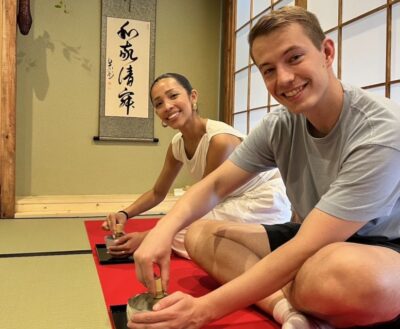
Browse the lists this tour appears in