
Reviewed · TEA CEREMONIES
Making Japanese desserts Nerikiri & drinking matcha in Tokyo
This is one of those Tokyo experiences that feels more like a hands-on craft lesson than a tourist performance. You’ll shape seasonal nerikiri, then drink real matcha with the finished results. It is cultural, but it is also practical. You leave knowing how it works, not just what it looks like.
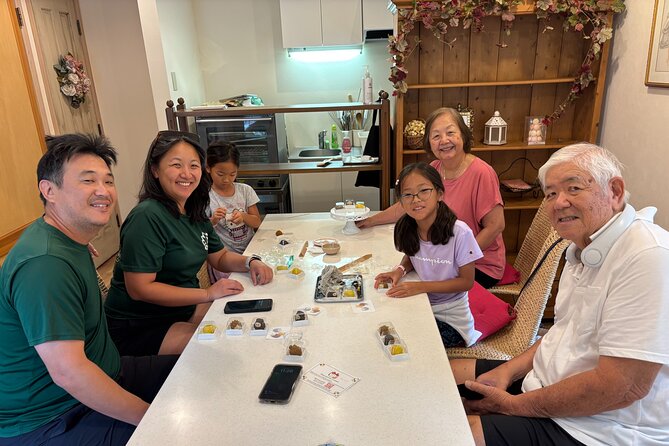
I like that the class is small-group sized, so your tutor can actually watch what your hands are doing. I also like that they provide the ingredients and tools, so you do not waste time or money figuring anything out on your own. One consideration: it is only about 90 minutes, so you will learn the basics, not master advanced techniques.
Key Highlights You Will Actually Care About
- Small group, max 8 people, for more personal attention and less waiting around
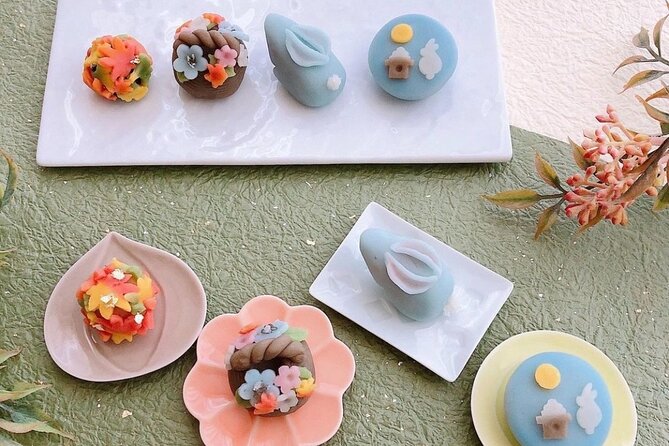
- Three types of seasonal kneaded dough, so you get variety in one short session
- Everything included, ingredients and tools, which makes the $65.69 feel more fair
- Matcha served after, and you can eat what you make right there
- Take-home packets provided, so you can keep enjoying your dessert later
- Setagaya neighborhood time, with an easy plan to wander right after
Small-Group Nerikiri and Matcha in Setagaya, the Practical Way
Tokyo has plenty of food classes. What makes this one different is that it centers on nerikiri, a traditional Japanese sweet where the artistry and the ingredients change with the season. You are not just tasting. You are making, with your hands, and learning the process as you go.
You start in the Setagaya area, which is a smart choice if you want to experience something beyond the usual city-center shortcuts. This is the kind of neighborhood where you can walk a few blocks after your class and still feel like you are in real Tokyo.
The format also helps. You get a tutor, a small table group, and a clear timeline. In a city where classes can feel rushed or overly scripted, this one is designed for you to slow down and focus on the steps.
More Tea Ceremonies in Tokyo
- Matcha Making Class in Tokyo with Authentic Japanese Sweets Set
★ 5.0 · 744 reviews - Tokyo: Traditional Tea Ceremony with a Tea Master
★ 5.0 · 528 reviews - Tokyo: Matcha Making Experience with Mochi Sweets in Asakusa
★ 4.9 · 388 reviews
What Happens in the 90 Minutes: Kneaded Dough to Shaped Nerikiri
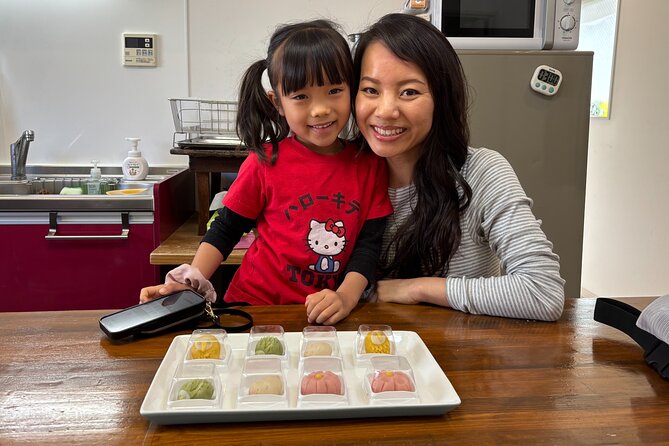
The session runs about 1 hour 30 minutes, and the flow is straightforward. First, you get brought into the kitchen where the class will be held, then you jump straight into making.
You will make three types of seasonal kneaded dough. The key word here is seasonal. The dough you work with is tied to the time of year, so your sweets will not be a one-size-fits-all demo. That matters because nerikiri is built around seasonal themes, not just flavor.
The hand-on shaping part
At the start of the hands-on segment, the instructor explains the process. Then you do it. This is not one of those classes where you watch for 40 minutes and then quickly copy a shape once. You should expect real time at the work surface.
You knead. You shape. You refine the form based on the lesson. The “win” is that you can feel the texture changes as you work. Even if you are a total beginner, you will get enough repetition in that 90-minute window to make the final sweets look like you were supposed to.
Optional shapes, if you ask early
There is a specific note you should pay attention to. The class normally makes the seasonal kneaded rice balls. If you want something extra, like an owl and a needle mouse, you need to request it when you send your email after booking.
Do not leave this to chance. The note says they might not be able to meet requests depending on timing. If you have your heart set on those shapes, make the request promptly after you receive the email details.
A change of pace from Tokyo:
- Mt Fuji and Hakone 1-Day Bus Tour Return by Bullet Train
★ 5.0 · 26,383 reviews - 1-Day Tokyo Bus Tour
★ 5.0 · 14,250 reviews - Tokyo: TOKYO SKYTREE® Admission ticket
★ 4.5 · 11,192 reviews - Tokyo: teamLab Planets TOKYO Digital Art Museum Entry Ticket
★ 4.6 · 9,779 reviews
Matcha Break: Drinking Tea That Fits the Dessert Story
After you finish shaping your sweets, the instructor prepares matcha. You then get to eat the nerikiri you made on the spot, or take them home.
This is where the class goes beyond “cute food photo.” Matcha is not just a beverage add-on. It is part of the way Japanese sweets are served and appreciated. The bitterness and earthiness of matcha can balance the texture and sweetness of nerikiri, and it gives you a more complete sensory experience than dessert alone.
If you like your food experiences with a bit of context, you should enjoy this part. You learn facts about Japanese cuisine that most people miss when they stick only to restaurant ordering. The class frames how the process and the season connect to what you are making.
Seasonal Nerikiri: Why the Dough Changes and What You Learn
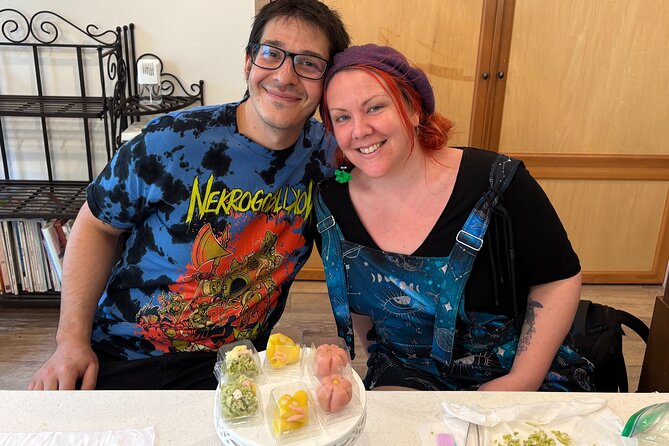
Nerikiri confectionery is built around seasonal themes, and that is exactly what you work with here. The class explicitly focuses on three types of seasonal kneaded dough, so you get a mini tour of how the same craft can look different throughout the year.
You also learn about the history of nerikiri confectionery by sampling a range of treats. That is a smart approach in a short class. Instead of a long lecture, you pick up the meaning while tasting and working.
One practical tip for your own understanding: think of nerikiri as part art lesson and part food engineering. Shape matters, texture matters, and the season guides both. If you pay attention during the explanation, you will start to see what the instructor means before you even finish your final piece.
Shimokitazawa Start Point, and the Plan If It Moves
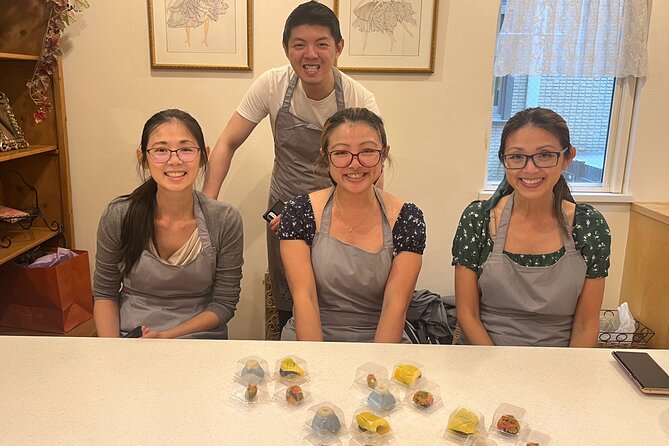
Your meeting point is listed in Setagaya City, at 3-chōme-20-4 Kitazawa. The class usually takes place in the kitchen in Shimokitazawa.
Here is the real-world thing to plan for: the location may switch to Toritsu Daigaku Station if the Shimokitazawa space is not available. The instructor contacts you by email.
So do this before you go: check your email after booking, and be ready to walk into a slightly different station area. This keeps the day smooth and helps you avoid that Tokyo stress where you are staring at station exits trying to guess which one is correct.
Also, the class is near public transportation, which is what you want when you only have 90 minutes and you still plan to roam afterward.
Value and Logistics: Is $65.69 Fair for This Tokyo Class?
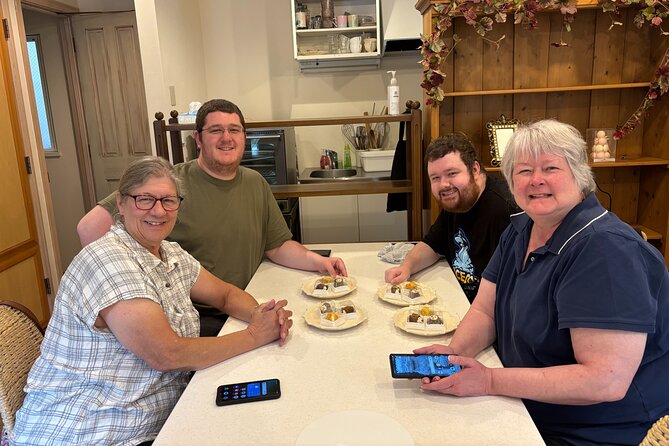
At $65.69 per person for about 1 hour 30 minutes, it is not a throwaway snack class. But the value is built into what is included.
You get:
- the ingredients and tools
- instruction with personal attention
- matcha
- nerikiri you can eat on the spot
- packets for taking home
Those points matter because in many cooking classes, you pay for the session but still have to factor in extra costs for ingredients, equipment, or snacks. Here, the essentials are handled for you.
The group size also supports value. With a maximum of 8 travelers, you are not stuck waiting your turn while someone else finishes. That means your time in the kitchen is used well, which is what you are really buying.
One more detail that affects planning: this tends to be booked about 34 days in advance on average, so if you are traveling around a busy season, it can pay to lock in earlier.
After the Class: Make Setagaya Your Second Course
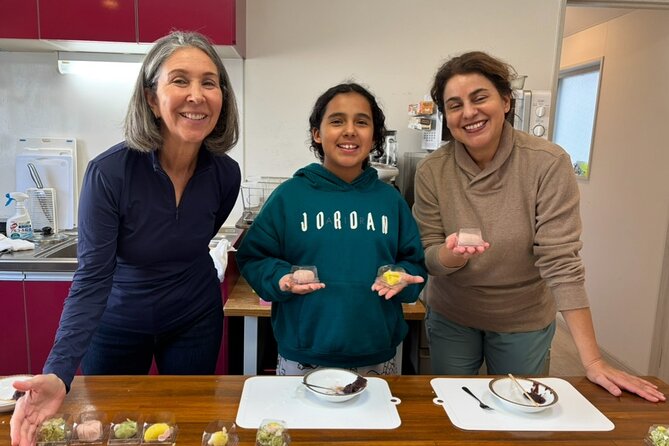
A big perk is what happens next. The class description is very clear that it is easy to explore the nearby Setagaya-ku district after.
This is not a gimmick. Setagaya is a good base for a food-minded walk: small streets, local shops, and the kind of neighborhoods where you can still bump into everyday Tokyo life. If you like to end classes with a short self-guided wander, this setup fits well.
I suggest you build a simple plan:
- Grab your matcha and your take-home packets.
- Ask your tutor what to notice around the immediate area, if that comes up.
- Then do a slow walk. Food classes make you want to keep tasting, and this neighborhood is ideal for that.
Who Should Book This Nerikiri and Matcha Class, and Who Might Not
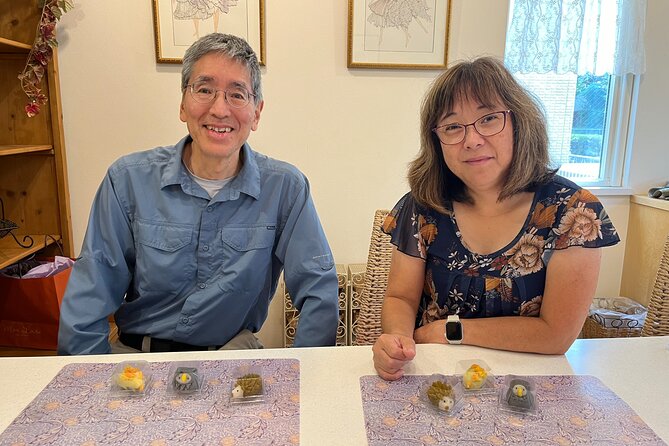
This class is best if you want:
- a beginner-friendly food skill you can actually picture yourself repeating
- hands-on crafting rather than just tasting
- a short Tokyo activity that does not eat half your day
- seasonal Japanese culture tied to real food
If you are the type who likes understanding the why behind what you eat, you will likely enjoy the explanation of nerikiri history and the focus on seasonal changes.
A possible mismatch: if you want a deep, multi-session culinary training or very advanced techniques, you might feel the class is too short. At 90 minutes, the goal is to get you comfortable with the basics, not to turn you into a nerikiri master.
The Quick Call: Should You Book?
Yes, I would book it if you want a genuine Tokyo craft experience that is structured, friendly, and focused on results you can take home. The small group, the included ingredients and tools, and the matcha at the end all make the price feel reasonable for what you get.
Book it sooner if you have specific dates in mind, and if you care about the owl and needle mouse option, request it right after you receive the email details so timing does not become the limiting factor.
If you are building a Tokyo itinerary, this one earns its place because it gives you a story to tell with your hands, not just a taste to remember.
FAQ
How long is the nerikiri and matcha class?
The class is about 1 hour 30 minutes.
Where does the class take place?
It is basically held at a kitchen in Shimokitazawa. If needed due to rental space, it may be held at Toritsu Daigaku Station.
What is included in the class price?
You get all ingredients and tools you will need, plus matcha. You can also eat the nerikiri on the spot or take them home.
How many people are in the group?
The class has a maximum of 8 travelers.
Will I be able to take the sweets home?
Yes. Packets for taking home are provided.
What will I make during the class?
You will make three types of seasonal kneaded dough.
Can I request special shapes like an owl or a needle mouse?
Yes. If you want those shapes, you should let them know when you send your email. Requests may depend on timing.
Do I need to worry about the exact meeting location?
You will start at 3-chōme-20-4 Kitazawa, Setagaya City, Tokyo 155-0031. The instructor will email location details, including if it moves to Toritsu Daigaku Station.
How and when do I get confirmation?
You should receive confirmation within 48 hours of booking, subject to availability.
What is the cancellation window?
You can cancel for a full refund up to 24 hours before the experience start time, local time.
Latest write-ups near Tokyo
- Tokyo Nights: Shibuya Photo Adventure★ 5.0 · 20 reviews
- Wagyu & Sake 8 Course Tasting Dinner in Shinjuku★ 4.9 · 20 reviews
- Mt. Fuji 5th Station, Owakudani Ropeway, Pirate Ship plus Outlet shopping!★ 4.5 · 20 reviews
- Japanese Whisky Hunting《HIGH-QUALITY-ONLY》Rare Tasting Class★ 5.0 · 20 reviews
- Kintsugi Experience with Arita Ware in Tokyo (English Guide)★ 4.8 · 20 reviews
- This is Asakusa! A Tour Includes the All Must-Sees!★ 5.0 · 20 reviews
- Tokyo: Karate Experience with Former All-Japan Champion★ 5.0 · 20 reviews
- Ebisu Local Food Tour: Shibuya’s Most Popular Neighborhood★ 5.0 · 20 reviews
Tea Ceremonies, compared.
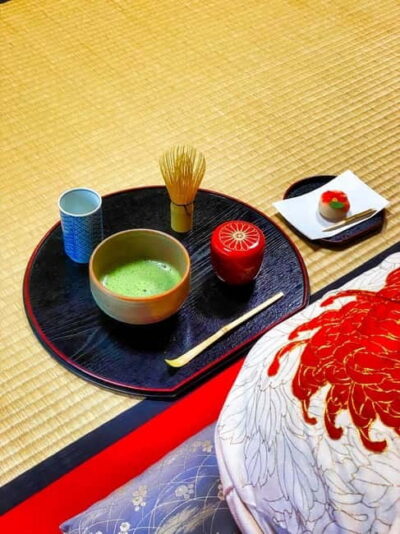
Tea Ceremony in a Traditional Tea House in Kiyomizu
Read our review →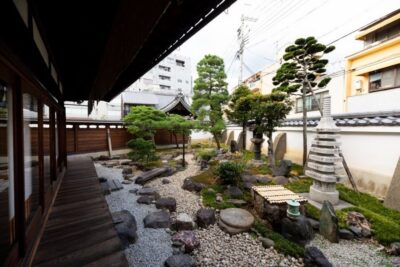
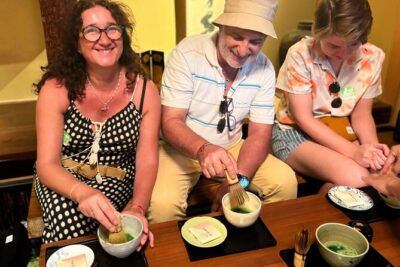
World Heritage Kyoto & Nara Uji Authentic Matcha Experience
Read our review →
Browse the lists this tour appears in