
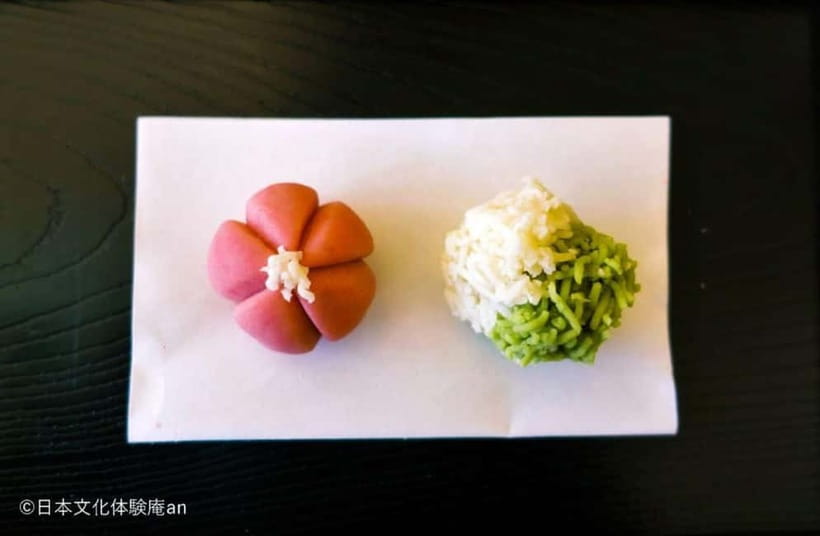
Reviewed · TEA CEREMONIES
Japanese Traditional Sweets making and Tea Ceremony
This Japanese Traditional Sweets making and Tea Ceremony experience is interesting because you create seasonal wagashi from colored bean paste, then you relax with your own sweets and matcha. You start with the art of Nerikiri, and it all ends with Uji matcha you use as part of the tea ceremony.
I like two things a lot. First, you work with white and red bean paste made in Kyoto by long-established shops, so the flavor base is already high quality. Second, the class uses single-origin special Matcha for the tea, which makes the tasting feel more focused than a generic matcha moment.
One thing to consider: depending on the group size, you might have trouble hearing the instructor or keeping up if the session moves quickly. This is especially relevant if you want lots of back-and-forth questions during the tea ceremony steps.
Key Highlights You Will Feel in the Room
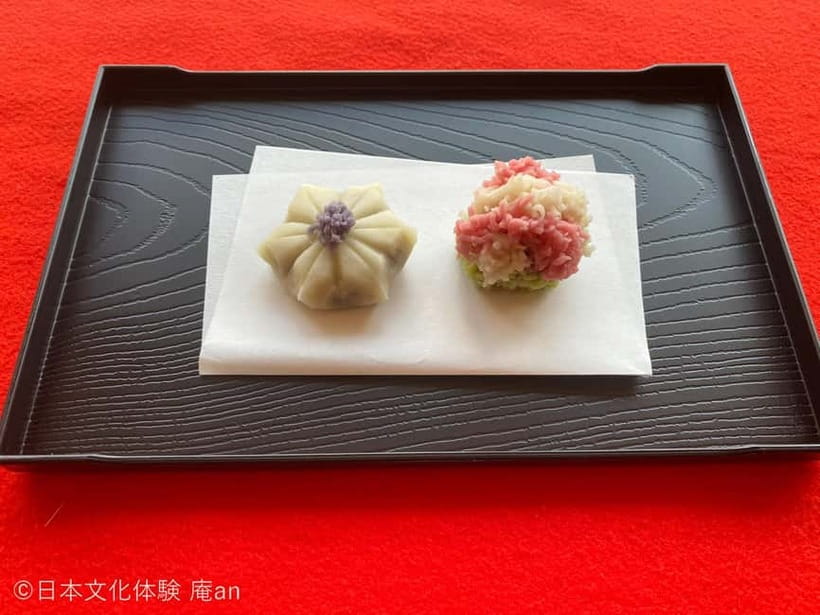
- Two seasonal Nerikiri sweets you shape yourself, matching the time of year (flowers or fruit-style designs).
- Coloring the bean paste first, so you are not just forming sweets, you are controlling the look from the start.
- Kyoto-produced white/red bean paste from long-established shops, built into the class from the first step.
- Kinton Nerikiri making included as part of the Nerikiri workflow, so you learn a specific wagashi technique.
- Uji matcha with a grinding demonstration, followed by your own tea ceremony tasting.
- English support is limited, since the instructor is Japanese, though English translation is provided as much as possible.
Nerikiri Sweets: The Hands-On Wagashi Part (Where the Fun Starts)
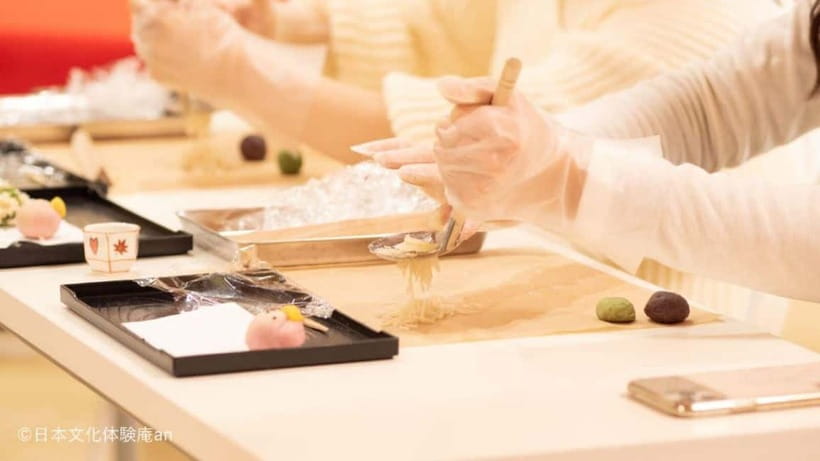
The class kicks off with a quick setup on Japanese traditional sweets, then you jump straight into making Nerikiri. Nerikiri is a high-grade wagashi style made with colored white bean paste crafted into seasonal shapes, often designed like flowers or fruits. The big advantage here is that you are not just copying a final form, you build it from the paste, including the coloring step.
In practical terms, expect your hands to do most of the work. You start by coloring the bean paste, then move into shaping and crafting. This is the part where you get immediate feedback from the instructor through demos, and it is also the part that makes the experience feel personal when you later eat what you made.
This class specifically uses white and red bean paste produced by Kyoto’s long-established shops. That matters more than it sounds. Cheap bean paste tastes flat, and matcha can end up feeling harsh or overly bitter. Here, the sweetness and texture of the bean paste are supposed to balance the tea, and that balance is the point of the pairing you will taste at the end.
Also, the activity includes making two sweets. That means you are likely to spend time on both visual design and forming, rather than rushing through one small item and calling it done.
More Tea Ceremonies in Tokyo
- Matcha Making Class in Tokyo with Authentic Japanese Sweets Set
★ 5.0 · 744 reviews - Tokyo: Traditional Tea Ceremony with a Tea Master
★ 5.0 · 528 reviews - Tokyo: Matcha Making Experience with Mochi Sweets in Asakusa
★ 4.9 · 388 reviews
Your Seasonal Pair: Making Two Sweets That Match the Time of Year
You will make two Japanese sweets that match the season. That seasonal matching is not a random detail. In wagashi, the shape and color are often used to connect the sweet to what people are seeing and celebrating at that moment. Here, your flowers or fruit-inspired Nerikiri designs become your seasonal souvenir, not a generic cookie-shaped takeaway.
The class includes Kinton Nerikiri making. You will recognize this as part of the Nerikiri process once you are in front of the table and following the instructor’s steps. Even if you do not remember every technical label afterward, you will leave with two finished sweets in hand, and you will understand what it took to get them there.
One small practical tip: before you start shaping, glance at the final designs you are aiming for and decide which one you want to get right visually. When you are working with colored paste, small timing and pressure differences can change the look. Picking a priority helps your brain stay calm if one sweet gets slightly messier than the other.
A review also highlighted that remembering the technique name can be hard after the session. So, when you see the names in the class, write them down on your phone notes. Nerikiri is the core term you are learning, and Kinton Nerikiri is part of the workflow.
The Tea Ceremony Half: Uji Matcha, Grinding Demonstration, and Your Own Tasting
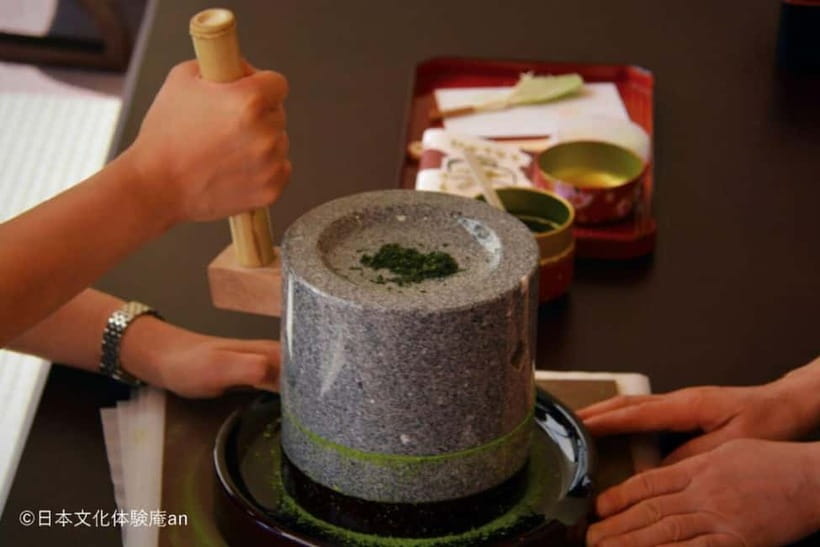
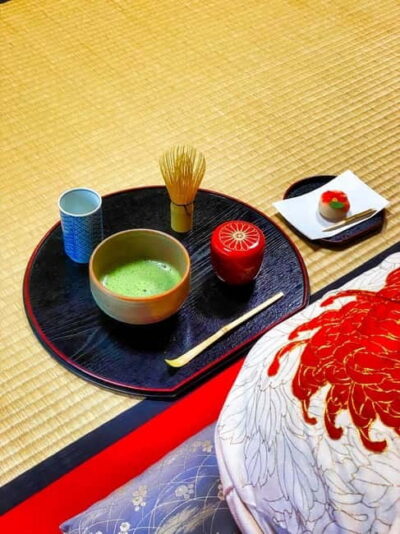
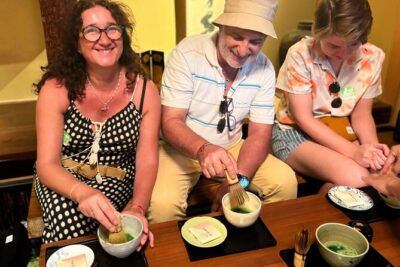
After the sweets are shaped, you switch gears to tea. The schedule builds in a break, then you get an explanation of tea during the second half of the class. The tea focus is not vague. You get a matcha grinding demonstration, then you take part in the tea ceremony experience.
The matcha used here is Uji matcha, and the class also describes it as a single-origin special Matcha. That single-origin detail matters for flavor consistency. You are not tasting a blend that could shift, you are learning how this specific matcha behaves when paired with the bean paste sweets you made.
During the tea ceremony segment, the instructor-led part is where you learn by watching and then participating. Even if your English is limited, the demonstrations help you understand the sequence. One review praised the instructor’s helpful and patient teaching style, and another specifically called out an instructor named Marie as a great presenter. If Marie is your instructor, you are in good hands.
Still, there is one realistic drawback to plan around. If the group is large, the session can feel less like a relaxed conversation and more like a steady, instructor-led flow. One review mentioned that with too many people, it was hard to hear the instructor and the class moved on without much waiting. If you want lots of slow pacing, this is worth keeping in mind.
Why the Pairing Works: Bean Paste Sweetness Meets Matcha
The class design is built around pairing. First, you make Nerikiri from white and red bean paste. Then you grind and experience Uji matcha as part of the tea ceremony. Finally, you enjoy the sweets you prepared with your own matcha tea.
The key idea is taste balance. The experience notes that the sweetness of the high quality white and red bean paste will perfectly balance the taste of the matcha. When that balance works, matcha feels less harsh and the sweet feels less sugary. It is the difference between a tea class where you sip something on the side, versus a class where each bite is meant to work with what is in the cup.
What you should do in the tasting portion is simple. Take one small bite first, then pause and taste the sweet on its own. Then take the matcha sip. If you want to compare, repeat the cycle once. It helps you feel the balance the class is aiming for, not just the overall flavor.
If you are sensitive to bitterness, start with the bite-maybe-sip rhythm rather than big matcha gulps. The goal is a controlled experience, and Nerikiri shapes tend to be best eaten slowly.
A change of pace from Tokyo:
- Mt Fuji and Hakone 1-Day Bus Tour Return by Bullet Train
★ 5.0 · 26,383 reviews - 1-Day Tokyo Bus Tour
★ 5.0 · 14,250 reviews - Tokyo: TOKYO SKYTREE® Admission ticket
★ 4.5 · 11,192 reviews - Tokyo: teamLab Planets TOKYO Digital Art Museum Entry Ticket
★ 4.6 · 9,779 reviews
Timing and What the 95 Minutes Feels Like
You are looking at a total duration of 95 minutes. The schedule is structured like this: start with explanations and Nerikiri making, then a break, then tea explanations plus grinding demonstration and tea ceremony time, then picture time and eating or drinking time, followed by room departure.
In real-life terms, that pacing means:
- You will likely get enough time to make two sweets without feeling like a rushed assembly line.
- You will not get a long sit-down lecture. The focus stays on doing and tasting.
- Your best chance for photos is built in, so try to plan your photo timing around when you finish each sweet and when picture time starts near the end.
Also note: there is no flexibility for delays. The class will not hold the event to accommodate delays, so build in a buffer if you are navigating the meeting point.
Price and Value: Is $18 a Good Deal for This Skill and Tasting?
At $18 per person, this experience sits in a reasonable range for a hands-on food workshop plus matcha tea ceremony time. The value is not only that you get to eat sweets. It is that you learn a specific wagashi technique, create two seasonal Nerikiri sweets, and participate in a guided matcha segment.
You also get ingredients and tools used in the class, including Kyoto-produced bean paste and Uji matcha. Those ingredient quality details are explicitly stated, and that directly affects your final tasting experience.
What is not included can matter. Sweets take-out is available for 100 JPY, and a completion certificate costs 300 JPY. If you care about bringing home something more than photos, budget the take-out option. If you want a personalized certificate, you need to share names in advance, otherwise the certificate has a blank space.
For most people, the included value is the learning plus tasting. You finish with two sweets plus matcha tea, and that alone makes the price easier to justify than a class that only teaches technique without food.
Who Should Book This (And Who Might Want to Skip It)
This class is a strong fit if you want:
- A hands-on food skill, not just watching someone else cook.
- Seasonal Japanese sweets from the Nerikiri family, rather than generic desserts.
- A tea ceremony experience anchored around Uji matcha, not just matcha sipping.
It is also a good choice if you want a cultural activity that feels different from a museum or temple stop, while still staying tied to Kyoto food culture.
It may be less ideal if:
- You strongly prefer slow, conversation-heavy teaching.
- Hearing the instructor clearly is essential for you.
- You do not like structured group experiences with demos and set timing.
The class is taught in Japanese, with English translation provided as much as possible. That is usually workable if you are comfortable with visual instructions, but it is not described as fully bilingual. If you want additional English, you should contact in advance.
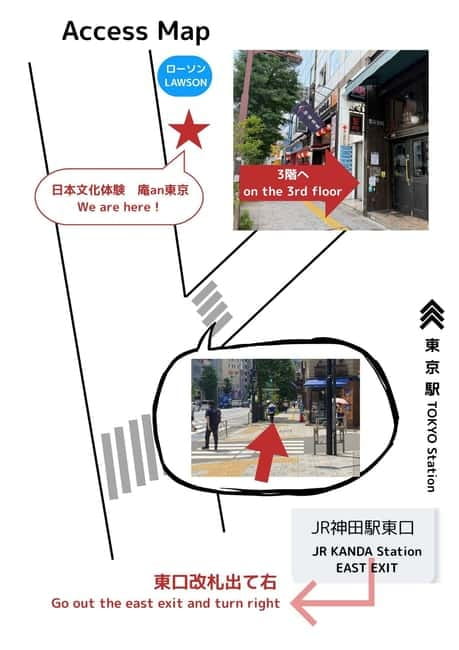
Location and Day-Planning at AN Tokyo
The meeting point is AN TOKYO Japanese Culture Experience, with coordinates provided (35.6916541, 139.7715022). The session operates from 10:00 to 17:00, and reservations received after 17:00 are processed the next day.
You do not want to roll the dice on timing. The experience note is clear that they cannot accommodate delays, and people who do not participate will not be allowed to enter. So if you are pairing this with other plans, schedule it like an appointment, not like a wander-when-you-feel-like-it stop.
If you are traveling with young kids, children who sit on their parents’ laps are free of charge, under 2 years old only. That is worth noting if you are trying to keep your day cost down.
Should You Book This Japanese Sweets Making and Tea Ceremony Class?
If you want a practical, hands-on taste of Kyoto-style wagashi, I think this is an easy yes. You make two Nerikiri sweets, you learn a specific technique, and you finish by eating your creations with Uji matcha that is described as single-origin and special. The pairing design is the real win, because the sweetness of the Kyoto bean paste is meant to balance the tea.
Book it if you are okay with instructor-led pacing, and if you are fine relying on demonstrations alongside English support that is provided as much as possible. If you are very sensitive to noise or you need frequent clarifications in English, consider going at a time when the group is likely smaller.
Ultimately, this is a class that gives you something tangible to remember: two seasonal sweets you shaped yourself, plus the tea experience that explains why Japanese sweets and matcha are meant to be together.
FAQ
How long is the Japanese Traditional Sweets making and Tea Ceremony experience?
The experience lasts 95 minutes.
What will I make during the class?
You will make two Japanese sweets called Nerikiri, matching the season.
What kind of matcha do you use?
The tea ceremony uses Uji Matcha, described as single-origin special Matcha.
Do I eat the sweets and drink the matcha during the experience?
Yes. After the tea ceremony, you enjoy the Japanese sweets you prepared along with your own matcha tea.
Is take-out available for the sweets?
Yes. A sweets take-out box is available for 100 JPY.
Is there an extra fee for a completion certificate?
Yes. A completion certificate costs 300 JPY. If you want a nominative certificate, you need to provide your names in advance.
What language is the instruction?
The instructor language is Japanese, and English translation is provided as much as possible.
Can I cancel for a full refund?
Yes. Free cancellation is available up to 24 hours in advance for a full refund.
Latest write-ups near Tokyo
- Tokyo Nights: Shibuya Photo Adventure★ 5.0 · 20 reviews
- Wagyu & Sake 8 Course Tasting Dinner in Shinjuku★ 4.9 · 20 reviews
- Making Japanese desserts Nerikiri & drinking matcha in Tokyo★ 5.0 · 20 reviews
- Japanese Whisky Hunting《HIGH-QUALITY-ONLY》Rare Tasting Class★ 5.0 · 20 reviews
- Mt. Fuji 5th Station, Owakudani Ropeway, Pirate Ship plus Outlet shopping!★ 4.5 · 20 reviews
- Kintsugi Experience with Arita Ware in Tokyo (English Guide)★ 4.8 · 20 reviews
- This is Asakusa! A Tour Includes the All Must-Sees!★ 5.0 · 20 reviews
- Tokyo: Karate Experience with Former All-Japan Champion★ 5.0 · 20 reviews
Tea Ceremonies, compared.
Tea Ceremony in a Traditional Tea House in Kiyomizu
Read our review →
World Heritage Kyoto & Nara Uji Authentic Matcha Experience
Read our review →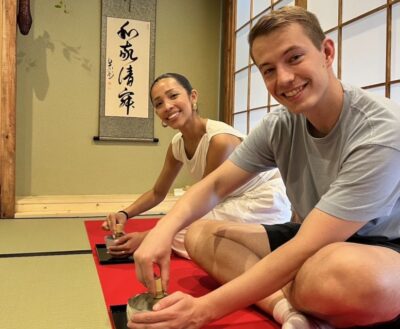
Browse the lists this tour appears in