
Reviewed · TEA CEREMONIES
Make Traditional Nerikiri Sweets & Matcha experience in Shibuya
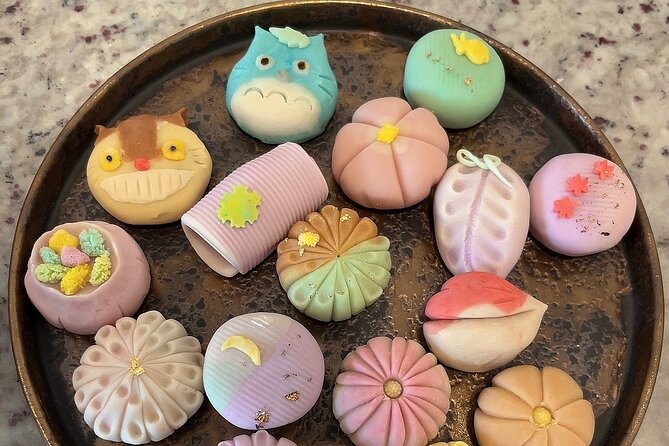
Learning to shape nerikiri sweets by hand in the middle of Harajuku is a rare way to experience Japan that feels personal, not packaged. You’ll work in a real home setting, then slow down with a matcha tea moment that actually teaches the vibe of Japanese fine details.
I love that this class is truly hands-on, not just watching someone else cook. I also love that the lesson blends dessert craft with a tea ceremony you can recreate later.
One thing to consider: it’s a small, 1.5-hour workshop at $60, so it’s best treated as a planned activity, not a last-minute impulse stop between trains and shopping.
Key highlights you will feel right away
- Small-group class (max 4), so you get hands-on help instead of rushing through steps
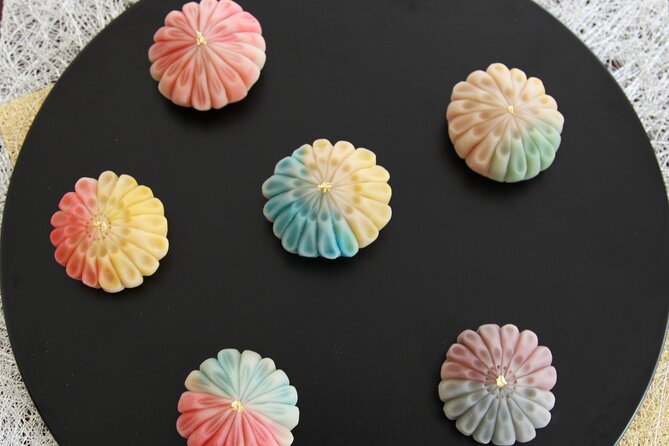
- Four finished sweets total, including one you design yourself, with everything taken home
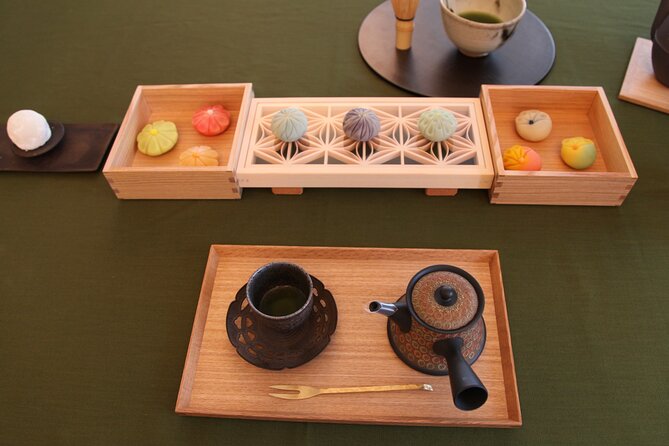
- Table-style tea ceremony with freshly prepared matcha and additional Japanese sweets
- Hana sensei’s patient, step-by-step guidance, including support for kids and first-timers
- Diet-friendly format, since it’s stated as suitable for vegans and vegetarians
- Harajuku location near Omotesando, easy to roll straight into Meiji Shrine, Takeshita Street, and Shibuya
Why Nerikiri in Harajuku Feels Like Real Tokyo
If you come to Tokyo for the big icons, you’ll get them fast. But if you want one experience that feels like you’re seeing the everyday side of Japanese culture, this is the kind of workshop that does it well.
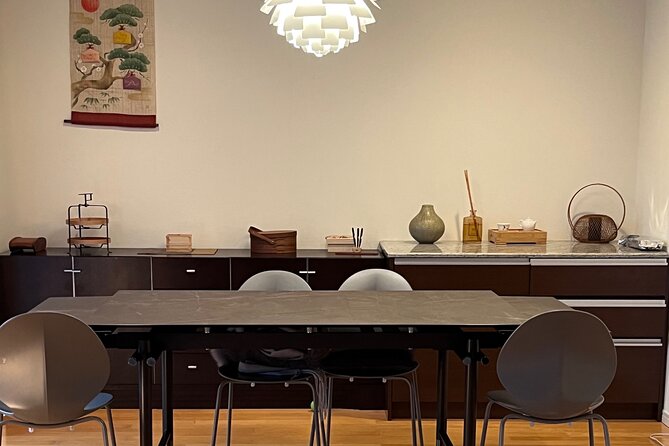
The class happens in central Tokyo, set in the stylish Harajuku and Omotesando area. You meet outside CHUMS Omotesando (in front of the Brown building), then walk together to the instructor’s home. That small shift matters. Instead of sitting in a generic studio, you’re in a lived-in space where the sweets and tea feel like part of daily life, not a performance.
You also get the advantage of location. Omotesando Station is about a 3-minute walk away, and the area makes it easy to combine your class with a day around Shibuya and Harajuku. After your workshop, you can head out for places like Meiji Shrine, Takeshita Street, and Shibuya Crossing without turning your day into a juggling act.
More Tea Ceremonies in Tokyo
- Matcha Making Class in Tokyo with Authentic Japanese Sweets Set
★ 5.0 · 744 reviews - Tokyo: Traditional Tea Ceremony with a Tea Master
★ 5.0 · 528 reviews - Tokyo: Matcha Making Experience with Mochi Sweets in Asakusa
★ 4.9 · 388 reviews
From Sample Designs to Your Own Four-Sweet Set
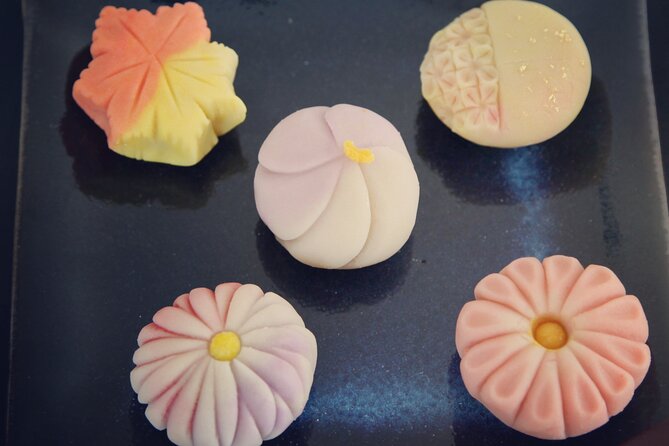
This is a nerikiri workshop with a clear, satisfying arc. In the first part, you start with samples. You choose from design options and make three different shapes. Think of it as structured practice, the way a good art teacher teaches brush control before you start a final piece.
Then comes the part you’ll remember: you create an original nerikiri design. The instructions are built to help you translate your idea into something beautiful using bean paste, sugar, and other ingredients. Everyone’s final work looks different, even when the shapes come from the same starting point. That’s the fun part of nerikiri. It’s not just sweet, it’s small edible sculpture.
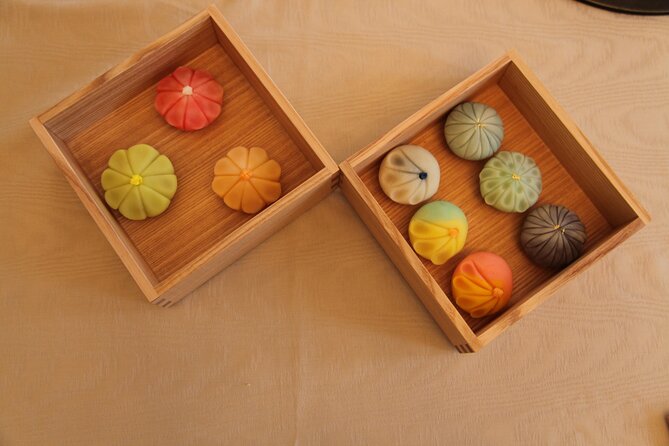
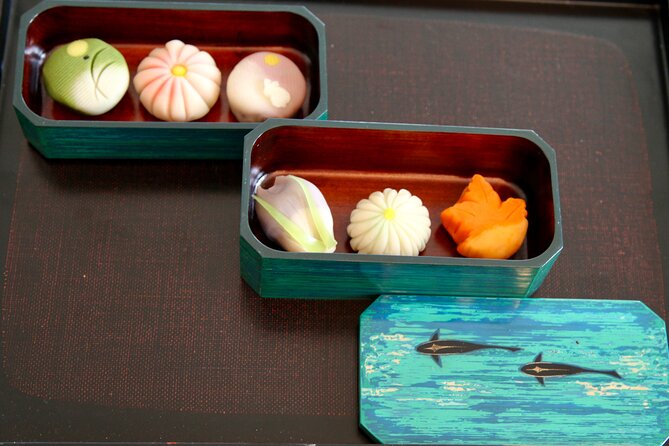
You’ll take home everything you make. The class includes four sweets total, matching the steps of three sample shapes plus your own design. That makes the workshop more than a snack. It becomes a set of edible gifts, a souvenir you actually made, and a story you can tell later because you’ll know exactly how each piece came together.
And yes, it’s designed for a wide range of ages. It’s stated as enjoyable for all ages, from kids to seniors, which shows in the teaching style. In my view, that family-friendly setup is a big deal. It means you’re not fighting the class structure just to keep up, and you’ll still get guidance even if you’re trying something delicate for the first time.
Table-Style Matcha Tea Ceremony, Plus a Sweets Pairing
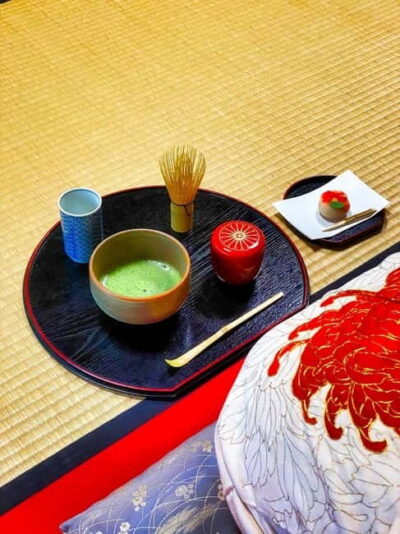
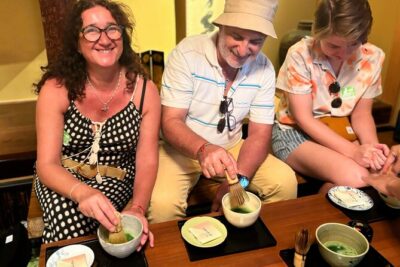
After the shaping and decorating, you shift gears to eating and tea. The workshop includes a table-style tea ceremony where the matcha is prepared fresh. This matters because matcha isn’t just a drink here. You’re learning how to slow down, handle the moment, and treat the sweets as part of the same experience.
Along with the matcha, you’re served Japanese sweets that are carefully selected. The description says they’re sourced from all over Japan, which is a nice bonus because it widens your taste window beyond the nerikiri you just made. You’ll get to compare textures and flavors, not just admire your own handiwork.
One small but important benefit is pacing. Several people talk about not feeling rushed during the making process, and you can tell the class structure is built to let you work at a human speed. That supports two outcomes at once: you feel confident shaping the sweets, and you enjoy the tea instead of scarfing it while thinking about your next stop.
Also, if tea etiquette sounds intimidating, don’t stress. This isn’t presented as a pass-fail test. It’s taught as something you can follow step by step while you enjoy what you’re making and eating.
Meet Hana sensei, the Patient Instructor Behind the Details
The standout element is the instructor, Hana sensei. In the feedback, a clear pattern shows up: she’s patient, she explains techniques clearly, and she gives encouraging guidance when people worry they’ll mess up.
That encouragement is practical. Nerikiri can look complicated, especially with small details and smooth shapes. But the way Hana teaches is described as making the process easier to follow, even for clumsy hands or first-timers. People specifically mention that she helps them build courage to try, rather than correcting them in a harsh way.
Another reason she gets such strong reactions is how she adapts to different group members. Families with kids do well here. Parents describe Hana stepping in to help children while adults continue their own shaping, so the whole group stays engaged. There are also notes about her giving extra advice, like suggestions for local places to visit after the class. That’s not just friendly small talk. It helps you turn a good class into a smoother Tokyo day.
Language matters too. One review notes she speaks both English and Japanese fluently, which helps if you want to ask questions without awkward pauses. And another detail that’s worth your attention if you have sensitivities: Hana reached out after booking to discuss a preference about alcohol-containing ingredients for one guest. If you have dietary concerns, it’s smart to put notes in your booking message early.
A change of pace from Tokyo:
- Mt Fuji and Hakone 1-Day Bus Tour Return by Bullet Train
★ 5.0 · 26,383 reviews - 1-Day Tokyo Bus Tour
★ 5.0 · 14,250 reviews - Tokyo: TOKYO SKYTREE® Admission ticket
★ 4.5 · 11,192 reviews - Tokyo: teamLab Planets TOKYO Digital Art Museum Entry Ticket
★ 4.6 · 9,779 reviews
Price and Portion Size: Is $60 Good Value for Nerikiri?
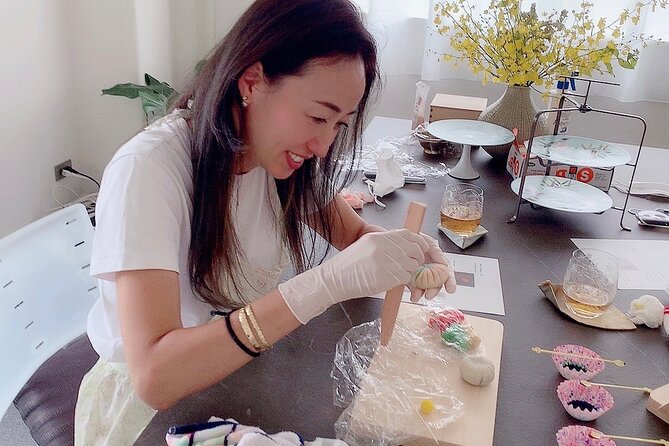
Let’s be honest. $60 for 1 hour 30 minutes is not a bargain. But you’re not paying just for sugar and tea.
You’re paying for a guided workshop with a small group size (max 4 travelers), hands-on instruction, and materials. The experience includes four sweets that you make yourself and can take home. On top of that, you get freshly prepared matcha and additional Japanese sweets during the tea moment.
In Tokyo, buying beautiful sweets is easy. Buying the skill to make them, then leaving with edible pieces you shaped yourself, is the part that feels more “worth it.” If you love food culture, craft work, and Japanese details, this class hits a sweet spot. It’s also a good way to get something you can’t easily replicate by walking into a shop.
The main value question is your travel style. If you want fast and hands-free, you may find this slower than a typical sightseeing day. If you like making, learning, and taking home a story, the price starts to make sense quickly.
Timing in Shibuya: 9:00, 13:00, or 15:30
This workshop runs at 9:00, 13:00, and 15:30, with a duration of about 1 hour 30 minutes. That gives you choices depending on how you plan the rest of the day.
Starting at 9:00 is especially smart if you want to maximize daylight and avoid the “what do we do now” gap. The description notes that most shops open around 11:00, so an early workshop can cover your morning with something meaningful, then you can transition to shopping and sights after.
If you prefer an afternoon break, the 13:00 or 15:30 times work as a reset. You’ll be in the central Harajuku area, and you can later move toward Shibuya Crossing or keep it calmer near Omotesando.
One practical detail: meet across CHUMS Omotesando, in front of the Brown building. You’ll walk together for about 30 seconds to the home. That’s short, but still plan to arrive a few minutes early. With hands-on food classes, arriving late is the quickest way to feel off-balance.
What You’ll Do, Step by Step, During the Class
Here’s the flow you can expect, and why each part matters.
First, you start with sample designs. You’ll choose shapes, then practice making three different pieces. This builds muscle memory for how nerikiri behaves and how to shape without tearing or losing detail.
Next, you create your own original nerikiri design. This is where your piece becomes personal. You’ll use guidance to translate your chosen look into a finished result that you can take home.
Finally, you move to the tea moment. A table-style tea ceremony follows, with matcha prepared fresh. You’ll also taste additional Japanese sweets served alongside the tea, giving your homemade work a comparison point.
The whole experience is described as suitable for vegans and vegetarians. That’s not a casual claim. It means the class format is set up to accommodate different diets, which helps you feel comfortable booking.
Family-Friendly, Diet-Friendly, and Great for First-Time Cooks
If you’re traveling with kids, this workshop is built for that. The class is described as enjoyable for all ages, and the feedback includes examples of families bringing children as young as 7 and teens as well. Adults also seem to enjoy it, especially because the teaching style is patient and focused.
Even if you’re not a “craft person,” the steps are structured. You aren’t thrown into free-form chaos. You choose designs, practice three shapes, then do one final original piece. That makes it easier to feel successful even if your first tries don’t look perfect.
On the food side, the class is described as suitable for vegans and vegetarians. If you have additional needs beyond that, it’s wise to message ahead. At least one guest reported that Hana reached out about alcohol-containing ingredients, which suggests she takes booking notes seriously.
Should You Book This Traditional Nerikiri and Matcha Class in Shibuya?
Book it if you want a hands-on Japanese food experience that you can’t just buy your way through. The combination of nerikiri making, a matcha tea ceremony, and four take-home sweets is a strong mix for culture lovers and anyone who enjoys learning skills.
Skip it if your trip is packed with big-ticket sightseeing only and you hate hands-on activities. This is a slow, detailed workshop. It works best when you want one part of your day devoted to careful making and calm tea.
If you’re on the fence, choose based on your schedule. The 9:00 start is a great way to make your day flow, and the central Harajuku location keeps the rest of Tokyo within easy reach.
FAQ
How long is the Nerikiri and matcha class?
It runs for about 1 hour 30 minutes (approx.).
Where do I meet, and where does it end?
You meet across CHUMS Omotesando (in front of the Brown building) at 5-chōme-2-21 Jingūmae, Shibuya, Tokyo. The activity ends back at the meeting point.
What sweets and drinks are included?
You’ll make four sweets total, and you’ll enjoy a hot drink of matcha. A tea ceremony is included, along with carefully selected Japanese sweets served with matcha.
What times are available?
The listed time schedule is 9:00, 13:00, and 15:30.
Is this class suitable for vegan or vegetarian diets?
Yes, the experience is stated as suitable for vegans and vegetarians.
What is the cancellation window?
You can cancel for a full refund up to 24 hours in advance of the experience start time. If you cancel less than 24 hours before, the amount paid will not be refunded.
Latest write-ups near Tokyo
- Tokyo Customized Private Tour: See Top Attractions in 1 Day★ 4.8 · 67 reviews
- From Tokyo: Top 5 Scenic Spots of Mount Fuji Full-Day Tour★ 4.5 · 67 reviews
- Tokyo: Shinjuku Izakaya and Golden Gai Bar Hopping Tour (2h)★ 4.9 · 67 reviews
- Traditional Japanese Music ZAKURO SHOW in Tokyo★ 5.0 · 67 reviews
- Tsukiji: Unlimited Sake Tasting Experience★ 4.9 · 67 reviews
- Tokyo: Not a show- a professional sumo practice with experts★ 4.9 · 67 reviews
- Samurai Ninja Museum Asakusa: Kid-Friendly Ninja Training★ 4.7 · 67 reviews
- Private Harajuku Omotesando Architecture Walking Tour★ 5.0 · 67 reviews
Tea Ceremonies, compared.
Tea Ceremony in a Traditional Tea House in Kiyomizu
Read our review →
World Heritage Kyoto & Nara Uji Authentic Matcha Experience
Read our review →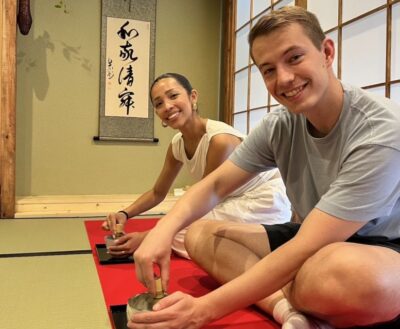
Browse the lists this tour appears in