
Reviewed · TEA CEREMONIES
Matcha Experience with of Japanese Tea Tasting in Tokyo
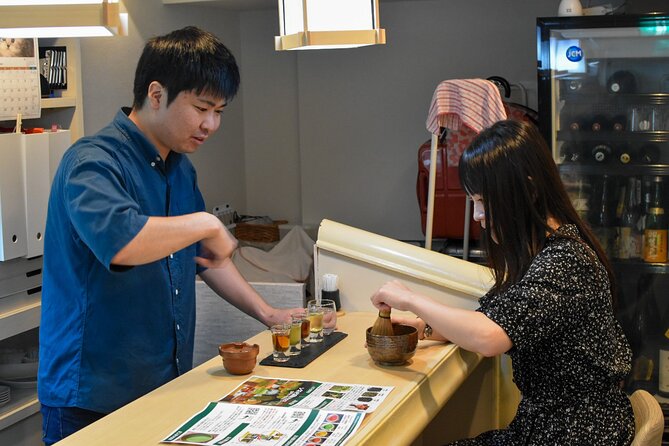
If you want a Tokyo experience that feels more like a guided craft than a quick cafe stop, this Japanese tea tasting with a matcha ceremony is a strong choice. I love the fact that Chisei teaches from real Kyoto farming experience, and you get hands-on matcha plus multiple teas to compare side by side. The main thing to consider is that this is a class format, so you will spend most of your time tasting and learning rather than sightseeing.
You’ll also appreciate the small size, capped at five travelers, which makes it easier to ask questions and slow down for the smells, leaf visuals, and tastings. One practical drawback: you may need to pay attention to timing, because the session packs several tea styles into about 90 minutes, from welcome drink through matcha making and lattes.
Key Highlights You Should Know Before You Go
- Former tea farmer teaching in a clear, practical way, including cultivation and processing
- Small group (max five), so questions do not get lost in the shuffle
- Tasting multiple Japanese teas in stages, not just one or two sips
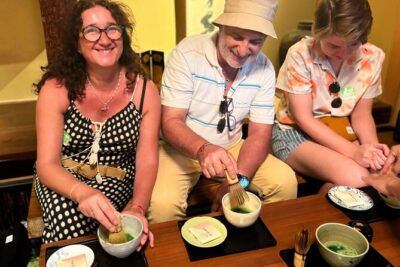
- Matcha ceremony practice, including making Ousucha with a bamboo whisk
- Homemade sweets, plus a chance to learn how tea pairs with flavor
- Matcha latte and hojicha latte so you can compare traditional vs drinkable styles
Finding the Session Spot at Henn Na Hotel, Sports Bar Leaf
Your first job is simply locating the meeting place. The tour starts at matcha tripJapan, on the second floor of Henn Na Hotel, in the Sports Bar Leaf area, in Taito City. It is near public transportation, which matters because tea timing is real timing. If you arrive late, you will feel it.
This is the kind of location that works well for day-planners. You can add it to your Tokyo schedule without needing a long commute into a quiet neighborhood, then get back to your day after the tasting. The session uses a mobile ticket, so you can keep things simple on your phone.
More Food & Drink in Tokyo
- Tokyo: Shinjuku Food Tour (13 Dishes at 4 Local Eateries)
★ 5.0 · 6,603 reviews - Tokyo Tsukiji Fish Market Food and Culture Walking Tour
★ 5.0 · 3,184 reviews - Tokyo: Shinjuku Food Tour (15 Dishes and 4 Eateries)
★ 4.9 · 2,033 reviews
Welcome Drink: The Fastest Way to Set Your Tea Brain On
The session begins with a seasonal welcome drink. While you sip, the host introduces what you are about to taste and how to think about Japanese tea beyond just flavor.
This matters more than it sounds. Japanese tea is about craft and process, and the first drink helps you tune your nose and palate to the session. It also gives you a low-pressure start before you get into the comparisons and the matcha part.
The Side-By-Side Tasting That Actually Teaches You Something
The heart of this experience is not matcha alone. It is the ability to compare tea styles that all start with tea leaves, then become very different through cultivation and processing.
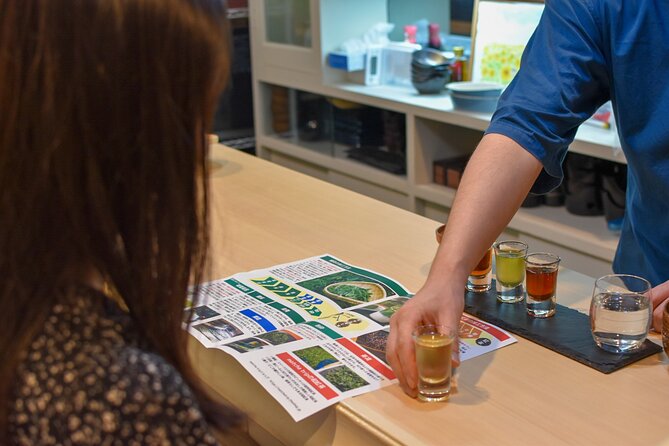
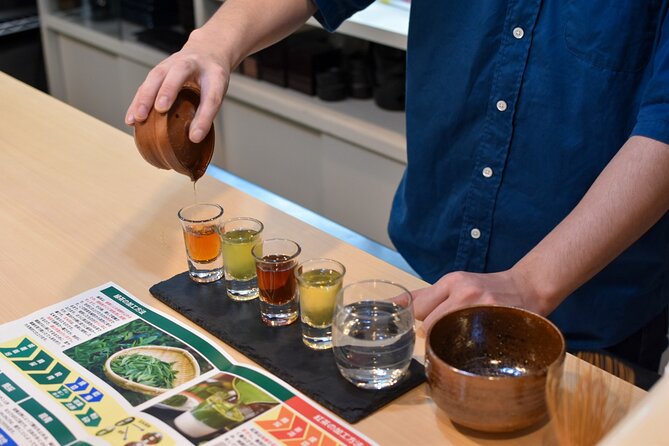
You’ll do a structured comparison of sencha, kabuse-cha, gyokuro, deep steamed sencha, genmaicha (brown rice tea), and hojicha. The host makes it interactive by having you look at the color and shape of the leaves before the water hits. Then you taste the tea prepared in the best way for that style, with attention to color, fragrance, and taste.
Here is what I love about this format: you are not guessing. You are learning what to notice, leaf by leaf and cup by cup. You also start to understand why one tea tastes grassy while another feels roasted or mellow.
A nice touch is that the instruction feels grounded in practical details, not fancy talk. The host is a former tea farmer who grew tea for years in Kyoto, and he also has a background as a practicing pharmacist. That mix comes through in how he explains steps and why certain methods change the final cup.
Japanese Black Tea and Sweets: Pairing Lessons You Can Use
After the green-tea comparisons, you move into Japanese black tea. It is chosen specifically because it pairs well with sweets served during the session.
This section is where the tasting becomes more than education. You get to experience a classic tea pairing idea: tea brings balance, and sweets bring sweetness and structure. You then learn how that pairing changes your perception of aroma and flavor.
And yes, the homemade sweets are a major highlight. In the feedback, people consistently call them delicious, with many saying they were the best they had on the trip. You also may get little techniques for enjoying tea in different ways, including a chance to taste tea leaves with ponzu, which is a fun reminder that tea culture is not limited to cups.
More Tea Ceremonies in Tokyo
- Matcha Making Class in Tokyo with Authentic Japanese Sweets Set
★ 5.0 · 744 reviews - Tokyo: Traditional Tea Ceremony with a Tea Master
★ 5.0 · 528 reviews - Tokyo: Matcha Making Experience with Mochi Sweets in Asakusa
★ 4.9 · 388 reviews - Tokyo: Matcha and Kimono Experience
★ 4.7 · 219 reviews
Matcha Ceremony Practice: Make Ousucha With a Bamboo Whisk
Then comes the part most people sign up for: making matcha.
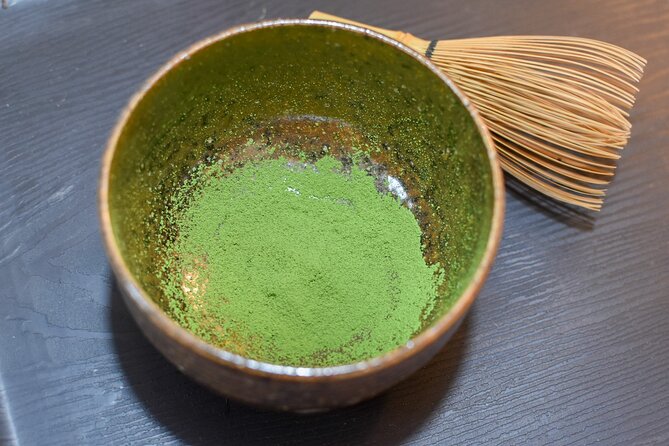
You will learn how to perform a matcha ceremony style preparation and then make Ousucha (matcha) yourself using a bamboo tea whisk. This is not just watching someone stir. You get the hands-on step that helps you understand texture, foam, and how matcha behaves when prepared properly.
I like that you finish with something actionable. You are not leaving Tokyo with an idea that sounds nice but is hard to reproduce. The session is structured so that when you get home, you can make matcha again and remember what the correct feel should be.
One extra thing to expect is that the session compares more than one matcha approach. You are likely to taste different matcha types during the workshop, then you also get drink formats later.
Matcha Latte and Hojicha Latte: What to Order After You Learn the Basics
After the ceremony practice, the experience continues with modern drink versions: you can enjoy both matcha latte and hojicha latte.
This is a smart move for a few reasons. First, it helps you understand how matcha sweetness and milk texture change the way you experience the tea. Second, hojicha brings roasting character, so it is a great contrast next to matcha’s grassy profile.
If you are the type who likes having a dependable order in cafes, this segment gives you that. You learn what different bases do, so you can make choices later without random trial and error.
What You Learn From Leaf, Color, and Fragrance (Not Just Flavor)
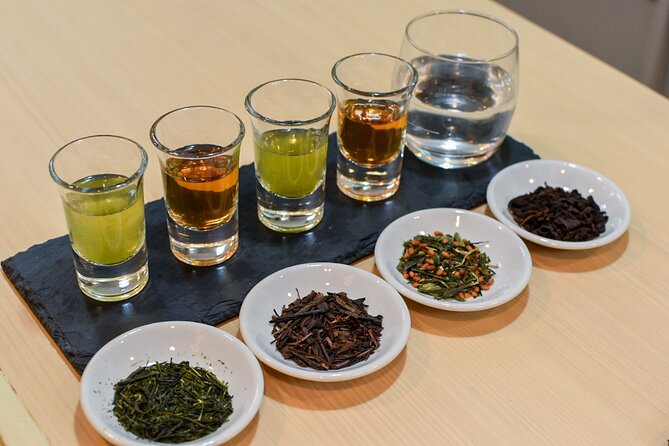
Japanese tea culture can feel mysterious if all you ever do is order a cup and hope it is good. This session gives you tools to interpret what you taste.
You learn about cultivation and processing methods and how they influence the tea in the cup. You also learn how to use Japanese tea and how to enjoy it, which sounds broad until you realize it is built into the tasting. You are repeatedly asked to notice leaf appearance, aroma, and flavor differences between styles.
From the feedback, one standout strength is how clearly Chisei explains the process. People mention helpful diagrams and patient answers. The explanations are detailed enough that a tea novice can follow along, and focused enough that you do not feel lost.
If you want to bring something back to your life after Tokyo, make it this: you’ll start thinking like a tea person. That means you stop treating tea as one thing, and you start treating it as several different drinks with different reasons to exist.
Small-Group Energy With Chisei and Rina
The experience runs with an intimate group size, maximum five travelers, and it feels personal. That matters because tea tasting is slow on purpose. You want time to smell, look, ask, and taste again.
Chisei leads the tea education side, while Rina is a key part of the experience through the sweets and the warm, welcoming hosting style mentioned in feedback. People also note that English is strong, which makes the instruction much easier to absorb.
If you are worried about feeling out of place because you do not know tea terms, you should feel comfortable. The session is designed for general guests to learn. It is friendly for first-timers, while still rewarding for people who already like Japanese tea.
How Much Is $57.98 Worth for a 90-Minute Session?
Price is $57.98 per person for about 1 hour 30 minutes, with a mobile ticket.
On paper, that is not a cheap add-on. But the value comes from volume and instruction. You are not paying just for one drink. You are paying for multiple tea styles, welcome drink, homemade sweets, matcha making with a bamboo whisk, and the matcha latte and hojicha latte tastings.
Also, you get a teacher who can explain how tea grows and how processing changes the cup. That is hard to replicate in a standard cafe, where staff might not have the time or background to walk you through leaf visuals, fragrance differences, and preparation choices.
If your goal is simply caffeine, there are cheaper options. If your goal is a meaningful Tokyo experience that teaches you something real, this price starts to make sense.
Best Fit: Who Will Love This Most
This works best if you:
- Love food and drink experiences with cultural context
- Want a hands-on activity, not just tasting
- Prefer small groups over big tours
- Like the idea of learning why teas taste different, from cultivation to processing
- Enjoy pairing drinks with sweets
It might be less ideal if you:
- Want lots of walking and sightseeing in one go
- Do not want to sit and taste for 90 minutes
- Expect a purely matcha-only session without the comparison part
Practical Tips to Get More Out of Your Tea Tasting
A few simple choices can make your experience smoother and more memorable.
First, come with curiosity, not expectations of perfection. Japanese tea is nuanced, and the best results come from noticing small differences.
Second, if you have allergies, say something. The host is proactive about allergy conditions, and you will feel safer when they know what to avoid.
Third, pace yourself. The session includes multiple teas plus sweets plus matcha and latte drinks. Take small sips, then take a breath, then taste again.
Finally, if you want to take something home, you might find products for sale. People mention that there are items available, which can help you keep practicing your matcha at home.
Should You Book This Matcha and Japanese Tea Tasting in Tokyo?
I think you should book it if you want an experience that is both fun and practical. The matcha ceremony part is hands-on, the tasting teaches you how to notice differences between styles, and the homemade sweets are a consistent highlight.
If you are on the fence because you think matcha-only tours are too basic, this one holds up. It spends real time on multiple tea types, from sencha-style greens to hojicha roastiness, and then ties everything together with matcha preparation and latte comparisons.
In short: if you like learning through tasting, this is a smart Tokyo choice.
FAQ
How long is the Japanese tea and matcha tasting?
The experience lasts about 1 hour 30 minutes.
How many people are in the group?
The tour has a maximum of 5 travelers.
Where does the tour meet?
The start point is matcha tripJapan at Henn Na Hotel, 2F Sports Bar Leaf, in Taito City.
What happens during the session?
You’ll start with a welcome drink, compare several Japanese teas, taste Japanese black tea with homemade sweets, learn to make Ousucha matcha with a bamboo whisk, and enjoy matcha latte and hojicha latte.
What teas and matcha varieties are included?
You’ll taste multiple Japanese tea types including hojicha, sencha, kabuse-cha, gyokuro, deep steamed tea, genmaicha (brown rice tea), and Japanese black tea, plus matcha and matcha latte options. You also get hojicha latte.
Are homemade sweets included?
Yes. Homemade sweets are included and are served with the teas.
Is a bamboo whisk provided for making matcha?
Yes. You make Ousucha matcha using a bamboo tea whisk during the session.
Is free cancellation available?
Yes. You can cancel up to 24 hours in advance for a full refund.
Latest write-ups near Tokyo
- Tokyo Nights: Shibuya Photo Adventure★ 5.0 · 20 reviews
- Wagyu & Sake 8 Course Tasting Dinner in Shinjuku★ 4.9 · 20 reviews
- Making Japanese desserts Nerikiri & drinking matcha in Tokyo★ 5.0 · 20 reviews
- Japanese Whisky Hunting《HIGH-QUALITY-ONLY》Rare Tasting Class★ 5.0 · 20 reviews
- Mt. Fuji 5th Station, Owakudani Ropeway, Pirate Ship plus Outlet shopping!★ 4.5 · 20 reviews
- Kintsugi Experience with Arita Ware in Tokyo (English Guide)★ 4.8 · 20 reviews
- This is Asakusa! A Tour Includes the All Must-Sees!★ 5.0 · 20 reviews
- Ebisu Local Food Tour: Shibuya’s Most Popular Neighborhood★ 5.0 · 20 reviews
Tea Ceremonies, compared.
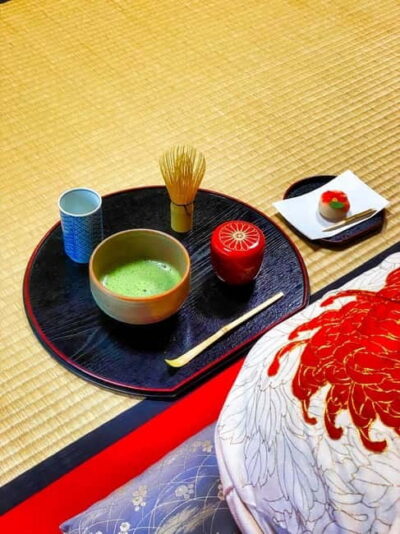
Tea Ceremony in a Traditional Tea House in Kiyomizu
Read our review →
World Heritage Kyoto & Nara Uji Authentic Matcha Experience
Read our review →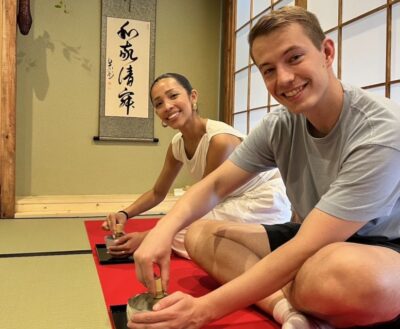
Browse the lists this tour appears in