
Reviewed · TEA CEREMONIES
Shibuya Authentic Tea Ceremony with experienced instructor
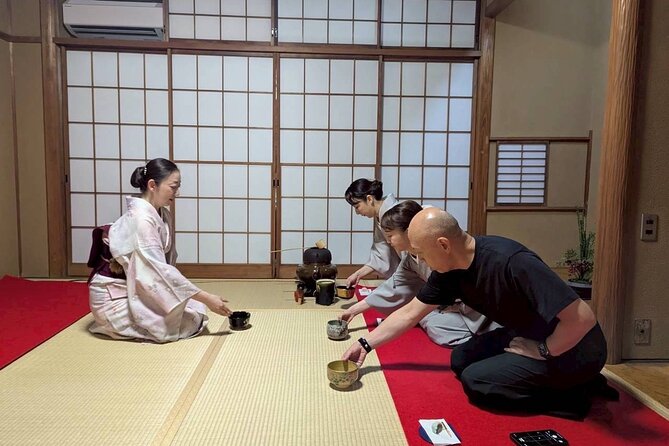
Shibuya can feel like nonstop motion, so this experience is interesting for the opposite reason: it slows you down with a real matcha tea ritual in a small setting. You trade the usual crowd scene for a calm pocket of Japanese culture, with time to watch, ask, and then do it yourself.
I love how the session covers matcha from the start, including a look at how it’s made using a traditional stone mill. I also love the hands-on part, where you make your own bowl with traditional tools and even choose a chawan that fits your taste.
One consideration: it’s about 50 minutes, so it’s focused rather than long. If you’re hoping for a full, hours-long tea experience, this may feel a bit short, but it is very doable between Shibuya plans.
Key things to know before you go
- Small group size (up to 8) keeps the pace relaxed and personal
- Tea history first, then a clear look at matcha production with a stone mill
- Watch a traditional otemae, then taste freshly prepared matcha with nerikiri
- Make your own matcha, whisking with traditional tools, not just watching
- Pick your chawan, since you’re choosing from a variety of bowls
- In Shibuya, so it’s a smart culture stop when your day is already packed
A quiet tea house in Shibuya’s Dōgenzaka
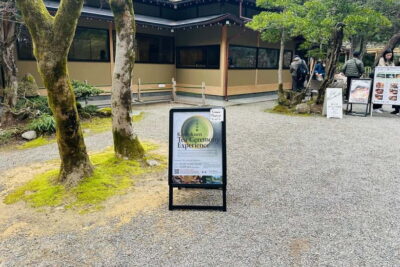
This tour meets in Shibuya at Dōgenzaka, 1-chōme 15 万字ビル, and it’s the kind of location that instantly changes your mood once you step inside. The setting is described as old, original, and peaceful, tucked away from the outside rush on a side street. That matters, because tea ceremony is about attention, not entertainment.
The group is capped at 8 travelers, which is rare in a place like Shibuya. With fewer people, you’re more likely to actually see what’s happening at close range, and the instructor can respond when you have questions. Several guests also highlight how friendly the hosts are, which makes it easier if you feel shy about etiquette or unfamiliar with the steps.
Do plan to arrive with a little time buffer. The address is specific, but you are meeting in a street-level area where side-street navigation can take an extra minute if you’re using maps while walking.
More Tea Ceremonies in Tokyo
- Matcha Making Class in Tokyo with Authentic Japanese Sweets Set
★ 5.0 · 744 reviews - Tokyo: Traditional Tea Ceremony with a Tea Master
★ 5.0 · 528 reviews - Tokyo: Matcha Making Experience with Mochi Sweets in Asakusa
★ 4.9 · 388 reviews
Tea history and the matcha process, stone mill to bowl
The session starts with the story side. You hear a short explanation of the history of tea in Japan, and then you get to see how matcha is made using a traditional stone mill. That part is more than a cool photo moment. It connects the final flavor to the process, so when you taste later, you’re tasting with context.
Seeing the grinding method helps you understand why matcha feels different from other green teas. Matcha is finely ground, and it’s usually the texture you notice first in the cup. Even if you can’t explain the science after one sitting, you’ll likely understand what “good matcha” means in practice: aroma, color, and how smooth it feels.
This opening also sets the tone. Tea ceremony isn’t just a drink, it’s a sequence. Learning the background early helps you follow the later ritual without feeling lost or rushed.
Watching a 500-year-old style otemae
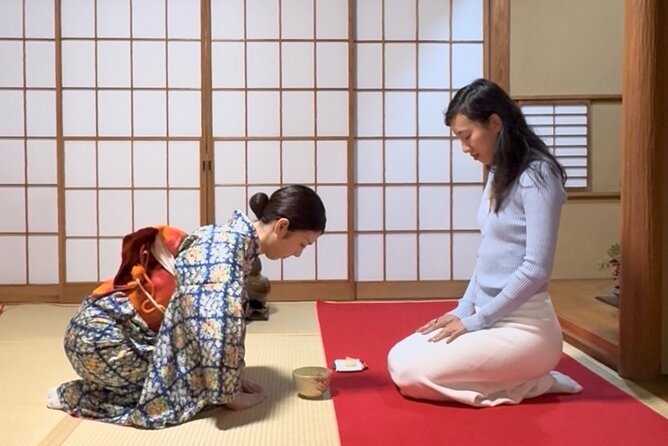
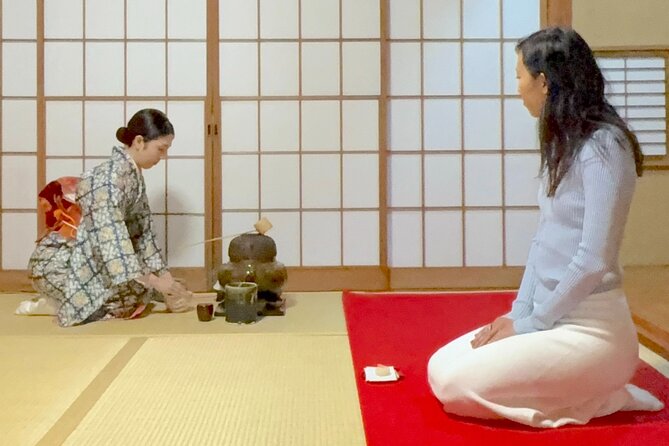
After the intro, you watch the traditional tea ceremony ritual (otemae) performed by a tea ceremony master. The ritual is described as having a history of over 500 years, and the point is not just tradition for tradition’s sake. The steps are designed to slow time down and make each action feel deliberate.
You’ll also get a chance to enjoy sweets during this stage, specifically nerikiri, a traditional Japanese sweet. This is one of the smartest parts of the experience because you learn the pairing, not just the tea. Nerikiri is often soft and subtly flavored, and it can give you a different kind of sweetness than a Western dessert would.
When guests talk about the experience being relaxing and even meditative, it’s usually because the watching part feels structured. You know what to pay attention to: the pacing, the tools, and the way the master moves. It’s a nice break if your Shibuya day has been loud, fast, and full of decisions.
Whisking your own matcha with traditional tools
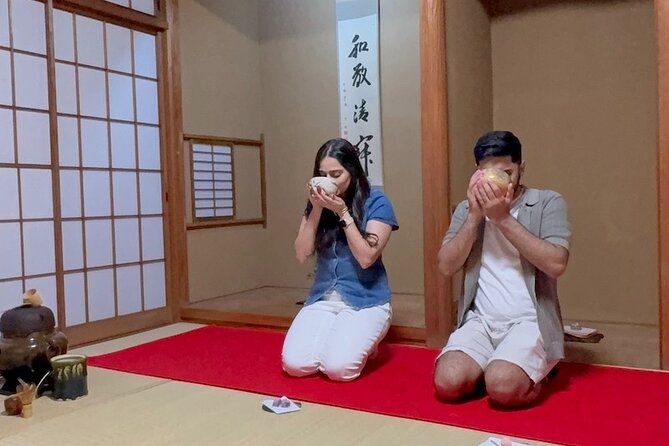
Then comes the best part for most people: you make your own bowl of matcha. You use traditional tools to prepare the drink, and you get hands-on practice rather than only observing. One review specifically mentions whisking your own cup, which lines up with what you’ll do here.
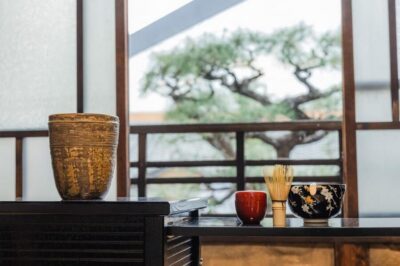
You’ll also have the option to choose your favorite chawan, the matcha bowl. That detail sounds small, but it changes how you feel about the experience. You’re not borrowing someone else’s bowl, you’re selecting one that you connect with visually and tactually. If you like design, you’ll feel it immediately. If you don’t, you’ll still appreciate the personal touch.
How should you approach the hands-on portion? Treat it like a short lesson. Don’t try to “perform” it perfectly. Your goal is to understand the sequence so you can repeat the basics at home. Since the session includes techniques you can recreate, your time here is really about building a usable mental checklist.
Also, matcha is one of those drinks where small changes matter. The way you whisk affects foam and texture. The bowl choice can affect how the tea feels in your hands. The sweet pairing can make the finish taste more balanced. You’ll probably notice more than you expect in 50 minutes.
A change of pace from Tokyo:
- Mt Fuji and Hakone 1-Day Bus Tour Return by Bullet Train
★ 5.0 · 26,383 reviews - 1-Day Tokyo Bus Tour
★ 5.0 · 14,250 reviews - Tokyo: TOKYO SKYTREE® Admission ticket
★ 4.5 · 11,192 reviews - Tokyo: teamLab Planets TOKYO Digital Art Museum Entry Ticket
★ 4.6 · 9,779 reviews
How to get the most from your 50 minutes
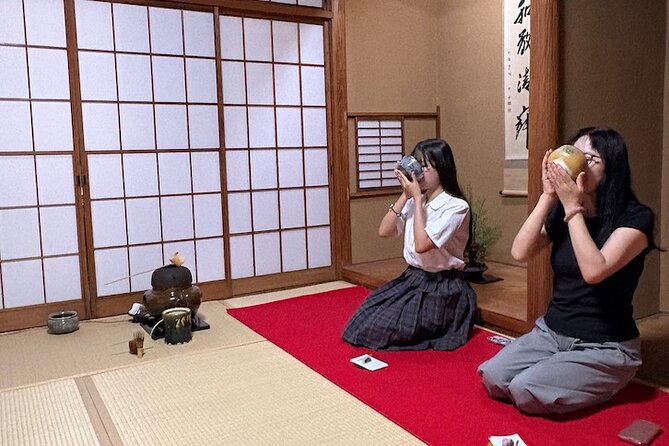
This is a short, tight experience, so your mindset matters. You’ll move through history, watching, tasting, and then making your own matcha, all within about 50 minutes. That means you don’t want to spend half the time trying to figure out what’s going on.
A few practical tips that help:
- Arrive ready to slow down. Even if your day is busy, act like this is the main event for the hour.
- Watch the instructor’s rhythm before you copy it. In tea ceremony, timing is part of the skill.
- Ask one focused question if you get a chance. For example, you can ask about how the stone mill process connects to taste.
- Pick a chawan you actually like, not the one that looks easiest to hold. You’ll remember it more.
- Pay attention during tasting, because it’s your feedback loop for what you just learned.
If you’re the type who likes to recreate experiences later, this tour is set up for that. You’ll leave with a clearer understanding of what the steps are trying to do, not just how they look.
Price and value for a Shibuya culture hour
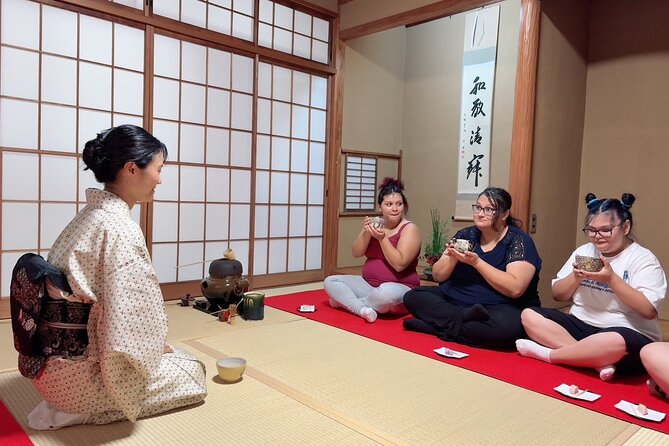
At $25.76 per person for roughly 50 minutes, it’s not the cheapest thing in Shibuya. But it’s also not just paying for a drink in a cafe. You’re paying for three things that add real value: an expert-led explanation, a guided ritual you watch up close, and the chance to make your own matcha with traditional tools.
You also get nerikiri alongside the matcha, which turns this into a small tasting experience, not a demo-only show. Plus, the group limit of 8 travelers means you’re not competing for attention the way you can in larger tours.
If you compare this to buying matcha and gear on your own, this price can feel reasonable because you’re learning the process and etiquette in one place. You’re also getting a calm setting, which in Shibuya is part of the product.
Who this is best for, and who should skip it
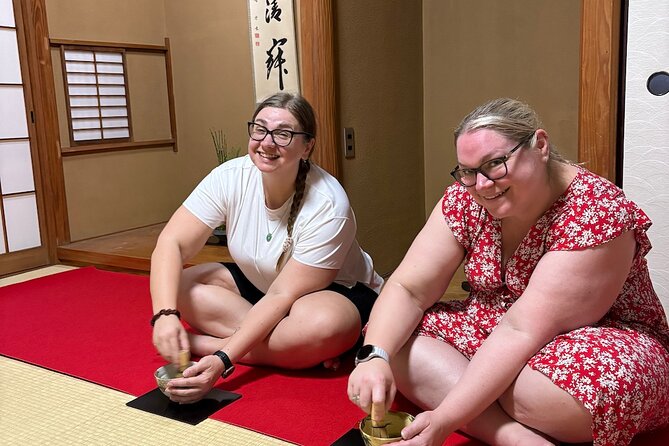
I think this tour is ideal if you want a cultural experience that’s authentic but not overwhelming. It works well for:
- First-time matcha drinkers who want the basics explained
- Solo travelers who like quiet activities where you still get human interaction
- Couples looking for something slower than sightseeing
- People who want a Shibuya break that doesn’t require leaving the neighborhood
You might skip it if you strongly prefer activities that are longer and more open-ended, because the structure is intentional. You’ll be following steps, not wandering. And if you dislike guided experiences where you’re asked to focus on the process, this may feel too formal.
One more note from guest feedback: people are happy when they want a peaceful reset. If you come in expecting a party atmosphere, you’ll miss the point.
The instructor vibe, including Mai
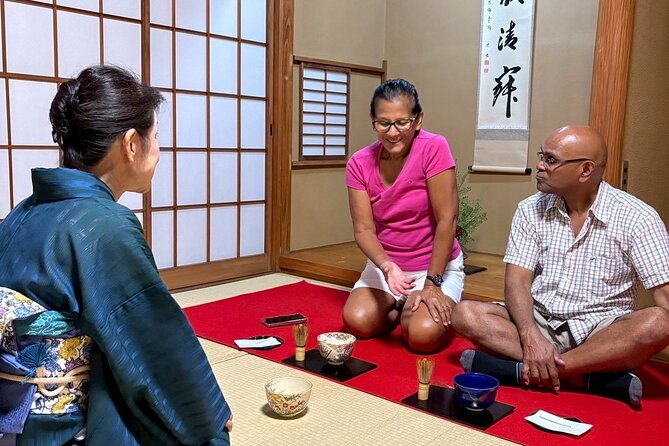
The experience is led by an experienced instructor and tea master level guidance. In guest feedback, the instructor Mai is specifically praised for being welcoming and friendly, and for teaching in a way that feels both informative and calm. That matters because tea ceremony can feel intimidating if you’ve never done it.
When the host is warm, you’re more likely to ask questions and try the whisking part even if you worry about doing it wrong. That friendliness also supports the meditative tone, so you get both learning and relaxation.
Should you book this Shibuya tea ceremony?
Book this if you want an hour that balances authentic ritual with hands-on learning. You get matcha history, a look at matcha production with a stone mill, a proper tea ceremony to watch, and then you make your own bowl and taste nerikiri. The small group size is a big plus in a busy neighborhood like Shibuya.
Skip it if you’re chasing a long, leisurely experience or you only want to browse from a distance. This is structured, focused, and designed to help you leave with techniques you can repeat at home.
If you’re already planning Shibuya sightseeing and want a cultural stop that actually changes your pace, this is one of the more satisfying ways to do it.
FAQ
How long is the tea ceremony?
It lasts about 50 minutes.
What is the group size limit?
The maximum group size is 8 travelers.
Where is the meeting point in Shibuya?
You meet at Japan, Tokyo, Shibuya, Dōgenzaka, 1-chōme15 万字ビル.
What happens during the session?
You learn about the history of tea in Japan, see how matcha is made using a traditional stone mill, watch a tea ceremony ritual, taste matcha with Japanese sweets, and then make your own matcha.
Do I get to make my own matcha?
Yes. You’ll have the chance to make your own bowl of matcha using traditional tools.
Can I choose a tea bowl?
Yes. You can choose from a variety of chawan (matcha bowls).
Is there a mobile ticket?
Yes. The tour includes a mobile ticket.
Is cancellation free?
Free cancellation is available. You can cancel up to 24 hours in advance for a full refund.
Who teaches the ceremony?
An experienced instructor and Japanese tea master lead the session, and one instructor mentioned by name in feedback is Mai.
Latest write-ups near Tokyo
- Tokyo Customized Private Tour: See Top Attractions in 1 Day★ 4.8 · 67 reviews
- From Tokyo: Top 5 Scenic Spots of Mount Fuji Full-Day Tour★ 4.5 · 67 reviews
- Tokyo: Shinjuku Izakaya and Golden Gai Bar Hopping Tour (2h)★ 4.9 · 67 reviews
- Traditional Japanese Music ZAKURO SHOW in Tokyo★ 5.0 · 67 reviews
- Tsukiji: Unlimited Sake Tasting Experience★ 4.9 · 67 reviews
- Samurai Ninja Museum Asakusa: Kid-Friendly Ninja Training★ 4.7 · 67 reviews
- Tokyo: Not a show- a professional sumo practice with experts★ 4.9 · 67 reviews
- Private Harajuku Omotesando Architecture Walking Tour★ 5.0 · 67 reviews
Tea Ceremonies, compared.
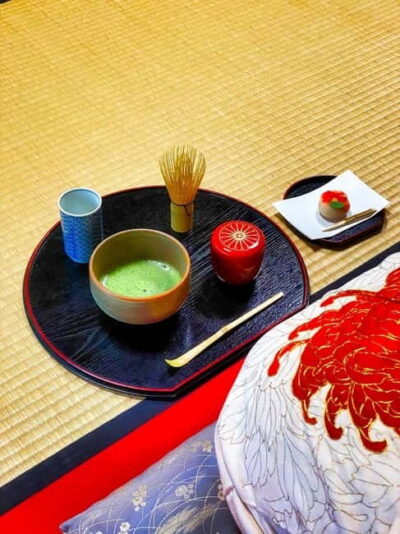
Tea Ceremony in a Traditional Tea House in Kiyomizu
Read our review →
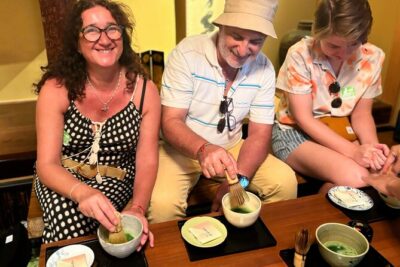
World Heritage Kyoto & Nara Uji Authentic Matcha Experience
Read our review →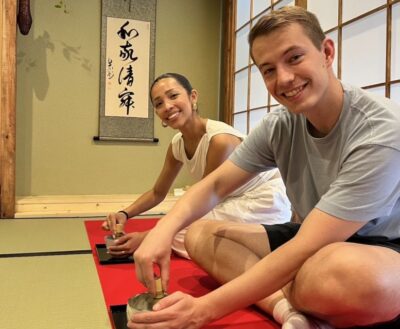
Browse the lists this tour appears in