
Reviewed · TEA CEREMONIES
Tea Ceremony Experience in a Private Tea Room in Shibuya
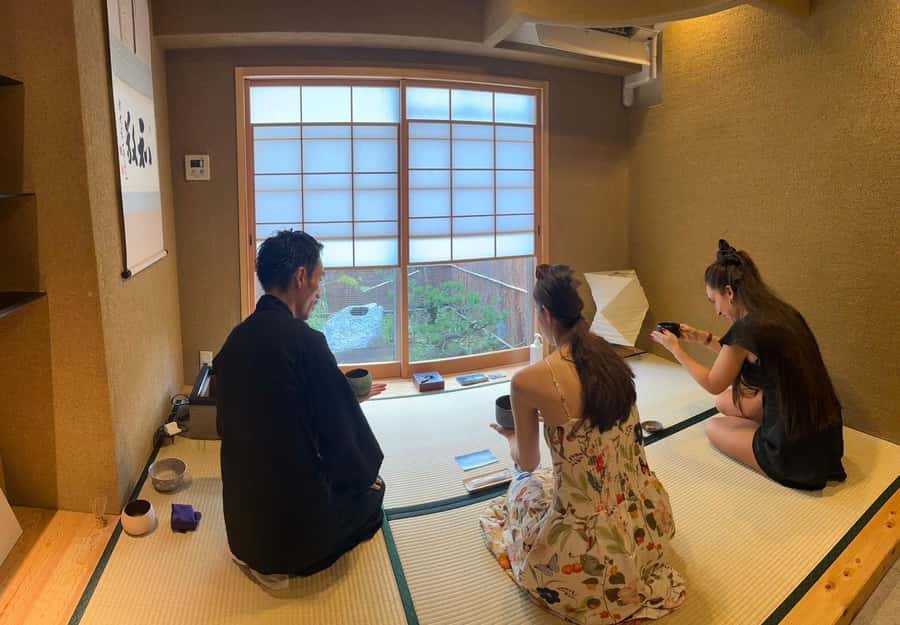
This experience is interesting because you get a full Japanese tea ceremony inside a quiet private room while standing in the middle of Shibuya, one of Tokyo’s most famous, fast-moving areas. I like that the host walks you through both the meaning behind the ritual and the practical side of making matcha, so you leave understanding what you just tasted.
I also like the focus on high-grade organic matcha from EAST GREEN MATCHA, including rare organic matcha that comes from only 2% of the harvest in Japan. The one drawback to plan around is simple but real: there is no toilet in the tea room.
Key highlights you will actually care about
- Private tea room in Shibuya, reachable in about 8 minutes on foot from Shibuya Station
- Ceremony-style matcha making with a host guiding every step
- Rare high-grade organic matcha (EAST GREEN MATCHA, 2% of harvest noted)
- Traditional wagashi sweets from a shop with over 200 years of history
- Hands-on instruction, including how to make matcha yourself, not just watch
Tea ceremony calm, right where Shibuya is loud
Shibuya can feel like sensory overload, even when you’re just walking toward the Scramble Crossing. That’s exactly why this tea ceremony format works so well. You start the experience in the same city energy, then you step into a private setting where the pace slows down fast.
This is not a rushed “watch and go” stop. You talk first. Then you prepare the matcha in formal tea ceremony style. After that, you eat traditional sweets alongside it. Finally, you get guidance for making your own matcha, so it turns into something you can repeat at home, or at least order with more confidence later.
One more practical win: the tea room is in Shibuya and easy to reach. You do not need an entire day trip to taste something traditional in a meaningful way.
More Tea Ceremonies in Tokyo
- Matcha Making Class in Tokyo with Authentic Japanese Sweets Set
★ 5.0 · 744 reviews - Tokyo: Traditional Tea Ceremony with a Tea Master
★ 5.0 · 528 reviews - Tokyo: Matcha Making Experience with Mochi Sweets in Asakusa
★ 4.9 · 388 reviews
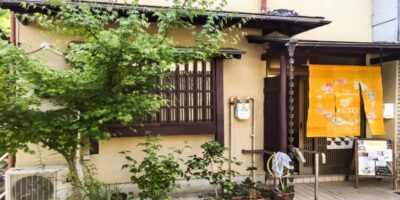
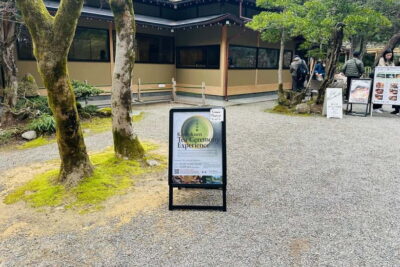
Meeting point: find the TEA ROOM KAKOI sign at OneFive Tokyo Shibuya
You will meet at the front of The OneFive Tokyo Shibuya hotel, at 1-8-11 Jinnan, Shibuya-ku. The guide holds a signboard that reads TEA ROOM KAKOI, so you can keep it simple and look for that.
From Shibuya Station, you can reach the area on foot in about 8 minutes. That matters because it keeps the experience from feeling like a hassle. You can combine this with a Shibuya day that also includes big-name sights nearby, like Hachiko Statue and Meiji Shrine, without burning your whole afternoon on transport.
Also, it helps to know the languages up front. The experience is offered in English and Japanese, which makes a big difference for how much you will understand when the host explains matcha production and ceremony details.
What you learn before the tea gets whisked
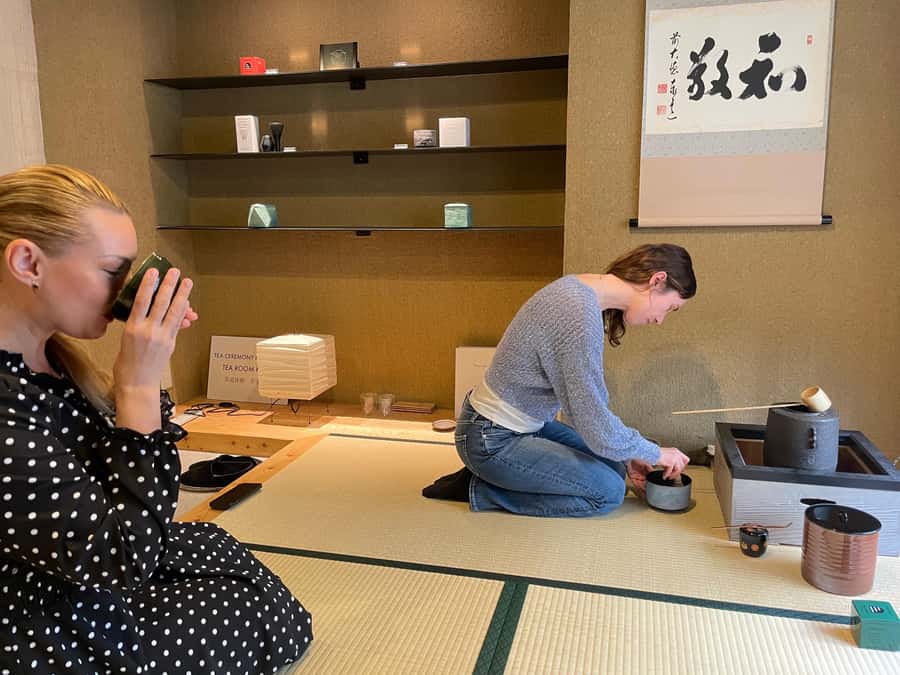
Before you touch the tools, the host explains the tea ceremony and the history of matcha in a way that’s meant to make the ritual understandable, not just decorative. You’ll also hear how matcha is produced, and how that affects taste and texture later.
This part is where I think most people either get it or don’t. If you only care about the drink, you might think any matcha tasting is basically the same. But the ceremony framing gives you context: matcha is not just caffeine in powder form. It is a carefully prepared ingredient, used in a formal sequence with specific tools and etiquette.
The host also helps you understand the differences in matcha. That lines up with what you want if you’re the type who likes to know why something tastes the way it does. You do not have to become a tea expert. You just need enough background to taste with attention.
One thing to keep in mind: matcha contains caffeine. If you’re sensitive, plan the timing accordingly.
The tea room moment: a private space that changes your mindset
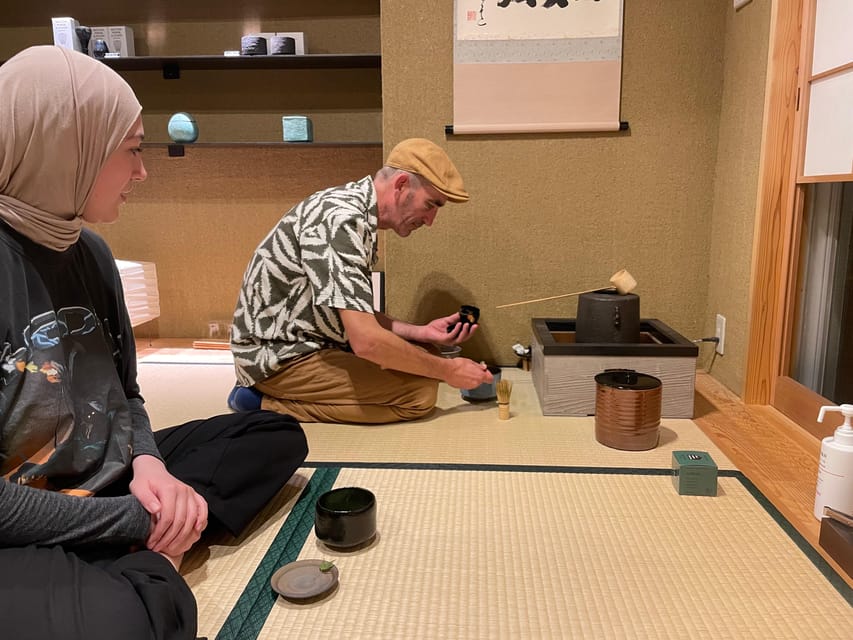
A lot of tea experiences in Japan are either public demonstrations or fixed schedules where you don’t feel much personal connection. Here, you’re in a private tea room, and the whole point is that you can slow down.
In the room, you’re guided through what to do and how to handle the objects involved. That etiquette angle is not about being strict. It’s about respecting the process, which is why the room feels so different from the outside streets of Shibuya.
From people who have done this before, a common reaction is that the room feels like stepping into a different world once you enter. The setting is small, but it’s designed for focus, and that focus is what helps the matcha taste feel special.
A change of pace from Tokyo:
- Mt Fuji and Hakone 1-Day Bus Tour Return by Bullet Train
★ 5.0 · 26,383 reviews - 1-Day Tokyo Bus Tour
★ 5.0 · 14,250 reviews - Tokyo: TOKYO SKYTREE® Admission ticket
★ 4.5 · 11,192 reviews - Tokyo: teamLab Planets TOKYO Digital Art Museum Entry Ticket
★ 4.6 · 9,779 reviews
Matcha served with traditional wagashi, not as an afterthought
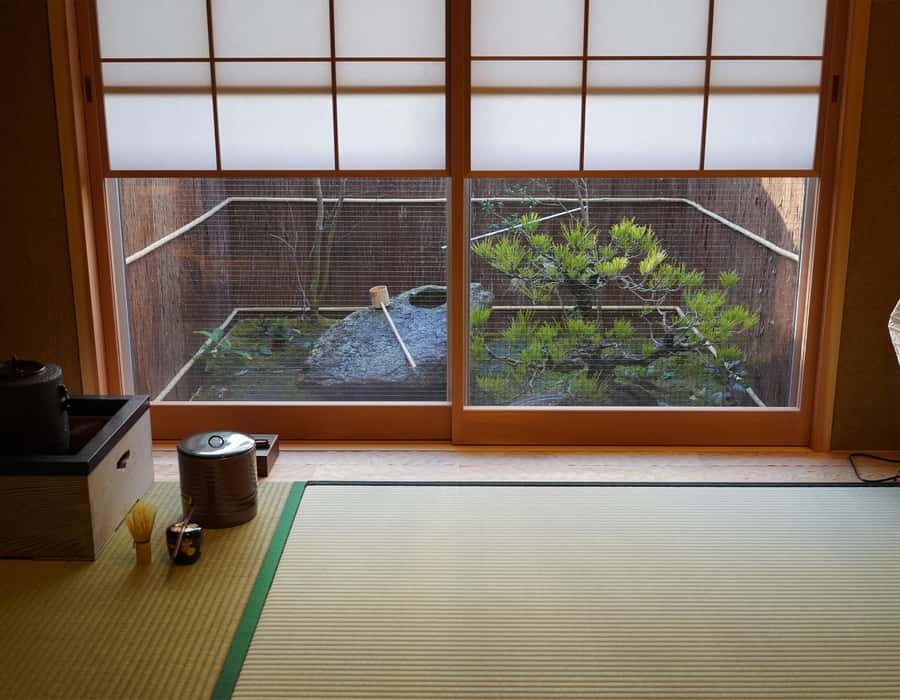
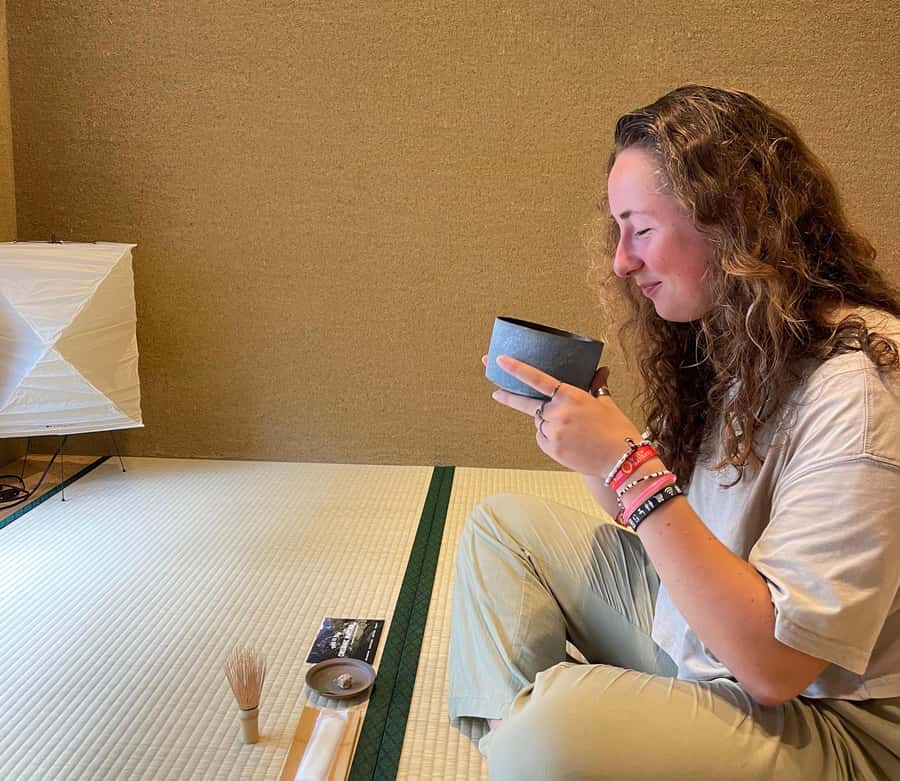
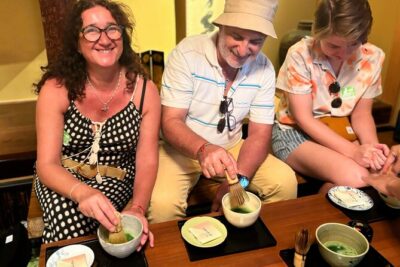
After the explanation portion, you will prepare matcha in formal tea ceremony style and then enjoy it, along with Japanese traditional sweets (wagashi).
The wagashi matters more than you might think. Matcha’s flavor can be grassy, deep, and a bit intense, depending on grade and preparation. Wagashi is meant to balance the experience. Here, the sweets come from a wagashi shop with over 200 years of history, so the choice is rooted in tradition rather than being a generic snack.
You’ll also learn how to drink matcha properly. This is one of those details that sounds small until you try it. The host guides you through the right way to enjoy it so it doesn’t just feel like you drank green powder water. You learn to notice the texture, the finish, and that slight shift in flavor as it sits.
And yes, the matcha itself is the headline. The experience uses EAST GREEN MATCHA, and the information shared during booking highlights that this is an organic matcha with a very limited harvest share in Japan, described as only 2% of the harvest.
Hands-on matcha making: learn the steps, not just the story
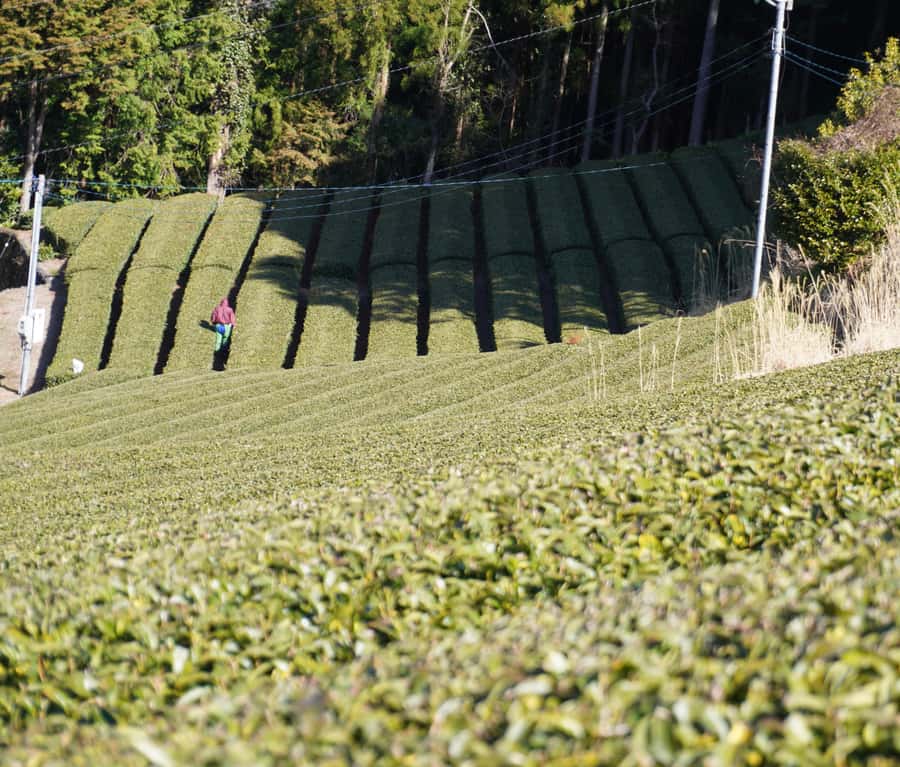
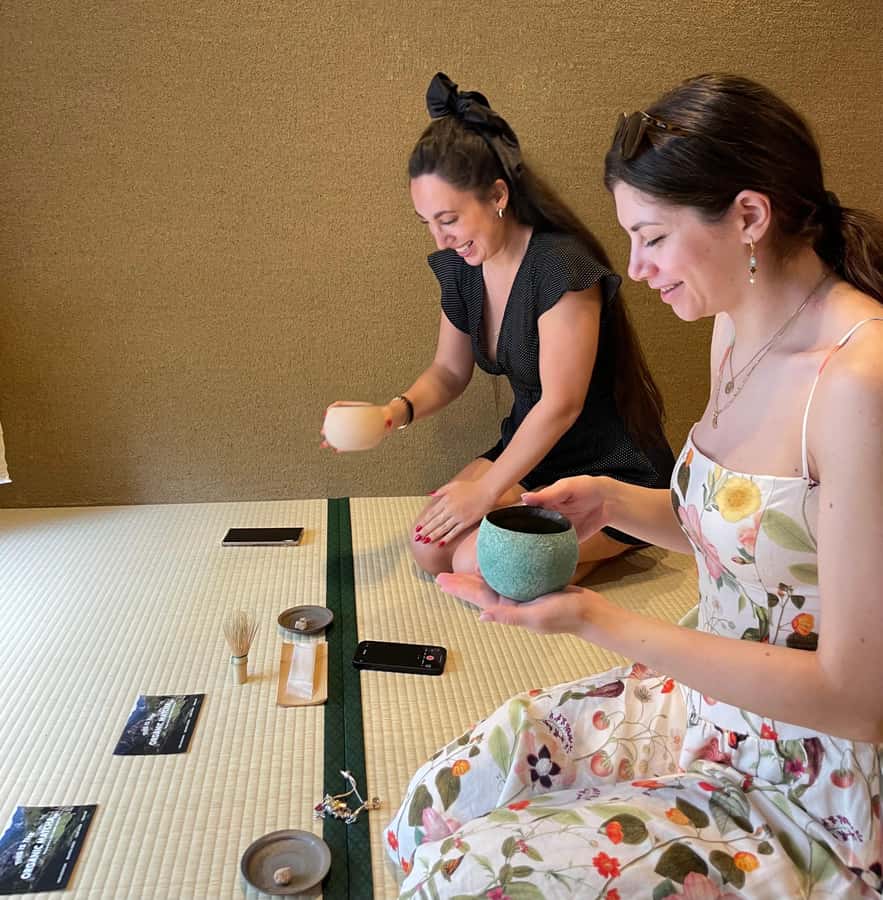
This is where you get most of the value for the money. You do not just watch someone whisk; you make matcha yourself with guidance from the host.
You’ll be taught the techniques you need to follow, and the host walks you through the process so you understand what each step is meant to achieve. In a traditional tea ceremony, the whisking technique matters because it changes the texture and how the foam develops. And texture is a big part of tasting matcha well.
The host also guides you on what you’re aiming for when preparing your cup. Even if your first try isn’t perfect, the lesson is still useful. You gain a repeatable framework: what to do, what to watch for, and how the result should feel.
This hands-on portion is especially good if you’re the type who learns by doing. It also helps you take home something practical. Even if you don’t buy the tools, you can recognize better matcha, understand why higher quality can taste smoother, and avoid disappointment when you order tea later.
Optional souvenirs: take EAST GREEN MATCHA home
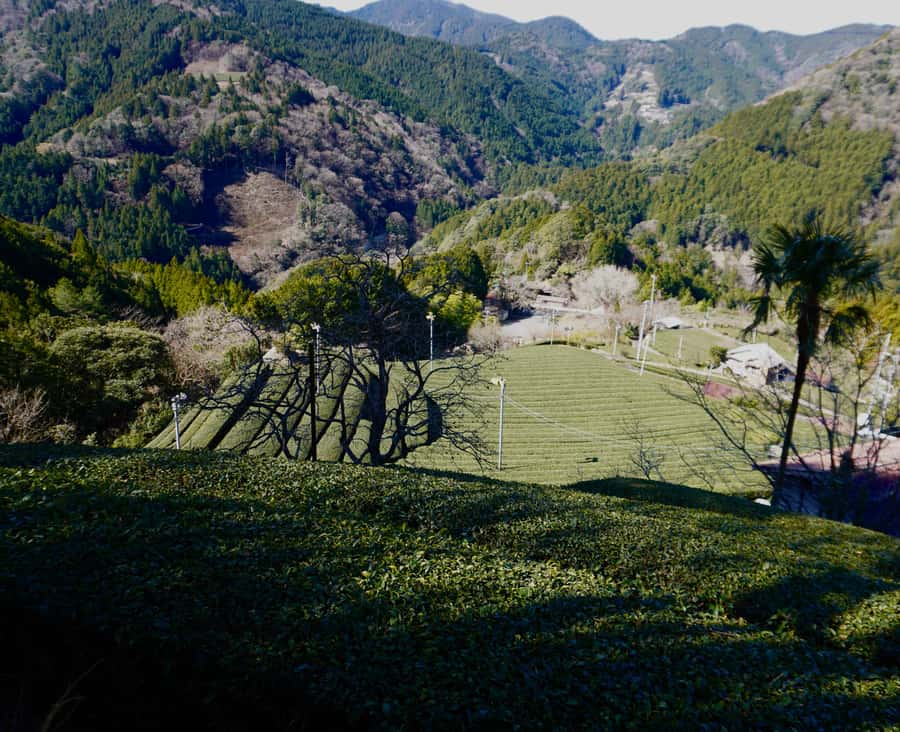
At the end, you’ll have free time to ask questions about the tea ceremony and matcha. If you want, you can also purchase high-quality organic matcha and original tea tools as souvenirs.
This is a smart option because matcha is one of those products where buying blind can be frustrating. Having tasted the ceremonial grade used in the room gives you a reference point. If you do buy tools, it also helps because you’ll know what you’re buying for, not just collect something decorative.
Who this experience is best for
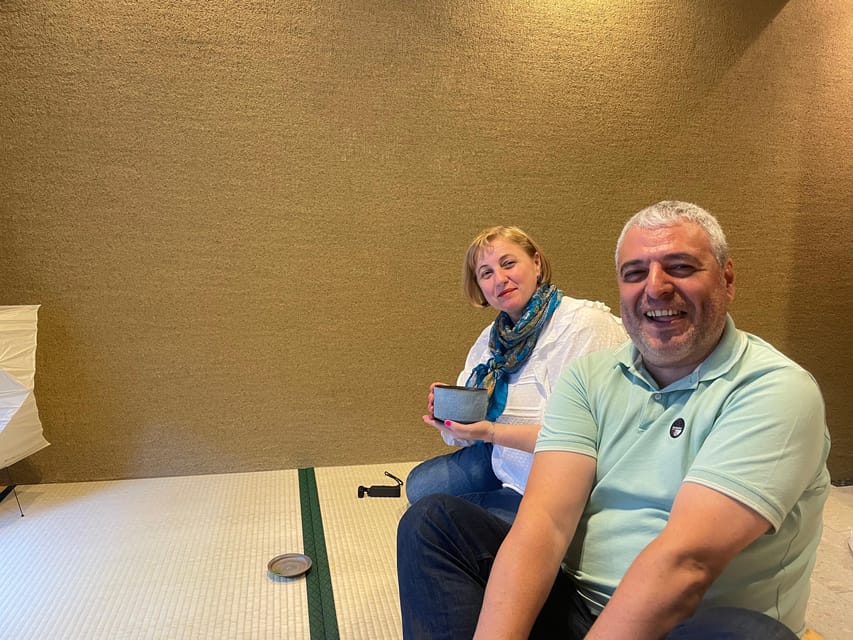
This tea ceremony in Shibuya fits best if you want a cultural experience that feels thoughtful, not staged.
You’ll likely love it if:
- you enjoy Japanese food culture and want the ceremony context behind it
- you like structured guidance and a clear process
- you want a calm moment inside a busy Tokyo day
- you drink matcha and want to understand quality and technique
It may not fit as well if:
- you need toilet access on-site (there is none in the tea room)
- you’re traveling with children under 10, are pregnant, or have an infant under 1, since the experience is not suitable for those groups
- you have strict dietary or caffeine limits, since matcha includes caffeine
Price value: what $30 buys you in Shibuya
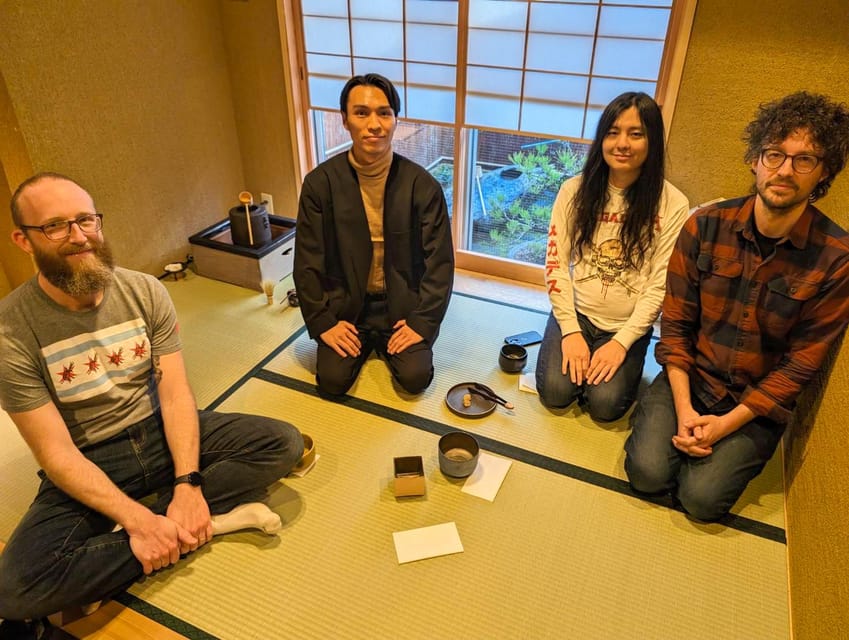
At $30 per person, the big question is whether you’re paying for a cultural show or for real experience. Here, your money covers more than a tasting.
You’re paying for:
- premium organic matcha (described as rare, with a 2% harvest note)
- traditional wagashi from a shop with 200+ years of history
- a matcha-making session with step-by-step instruction
- the ceremony-style serving and explanation
- the tools and everything needed for the session
In Tokyo, $30 can disappear quickly on “one-and-done” attractions or overpriced tastings. This feels like better value because it’s interactive. You learn something you can use. You also get a high-quality ingredient experience, not just a small cup.
If you’re the type who would happily spend time learning how something is made, this price feels fair. If you only want one quick drink and zero instruction, you might feel like you paid more than you needed.
A quick reality check on logistics and comfort
A few details to plan around so the experience stays smooth:
- You meet at the OneFive Tokyo Shibuya hotel and look for TEA ROOM KAKOI held by the guide
- You can reach the area in about 8 minutes on foot from Shibuya Station
- There is no toilet in the tea room
- Pets are not allowed (assistance dogs are allowed)
- Languages: English and Japanese
This is a private tea room setting, so treat it like a calm appointment. Take a breath, slow down, and let the ritual do its job.
Should you book this Shibuya tea ceremony?
If you want an authentic-feeling Japanese tea ceremony with real instruction, this is a strong yes. The combination of rare organic matcha, traditional wagashi, and hands-on making guided by Tatsu gives you more than a photo stop. You leave with understanding, not just a memory.
I’d especially recommend booking if your Tokyo plan is already Shibuya-heavy and you want one structured activity that brings you into a slower, quieter mindset. It’s also a good choice for matcha lovers who care about quality and technique.
Skip it if you need toilet access on-site, you’re traveling with someone in a group the experience is not suitable for, or you want only a quick drink with no instruction. Otherwise, this is the kind of Shibuya experience that makes the city feel more personal.
FAQ
Where do we meet for the tea ceremony?
You meet at the front of The OneFive Tokyo Shibuya hotel. The guide will hold a signboard that says TEA ROOM KAKOI.
How do I get there from Shibuya Station?
You can reach the meeting area on foot in about 8 minutes from Shibuya Station.
What matcha is used in the ceremony?
The ceremony uses premium organic matcha from EAST GREEN MATCHA, described as rare high-grade organic matcha with a note that it makes up only 2% of the harvest in Japan.
Is there a toilet in the tea room?
No. There is no toilet in the tea room.
What language is the experience available in?
The experience is offered in English and Japanese.
Are pets allowed?
Pets are not allowed. Assistance dogs are allowed.
Who is the experience not suitable for?
It is not suitable for children under 10 years old, pregnant women, and babies under 1 year.
Latest write-ups near Tokyo
- Tokyo Customized Private Tour: See Top Attractions in 1 Day★ 4.8 · 67 reviews
- From Tokyo: Top 5 Scenic Spots of Mount Fuji Full-Day Tour★ 4.5 · 67 reviews
- Tokyo: Shinjuku Izakaya and Golden Gai Bar Hopping Tour (2h)★ 4.9 · 67 reviews
- Traditional Japanese Music ZAKURO SHOW in Tokyo★ 5.0 · 67 reviews
- Tsukiji: Unlimited Sake Tasting Experience★ 4.9 · 67 reviews
- Samurai Ninja Museum Asakusa: Kid-Friendly Ninja Training★ 4.7 · 67 reviews
- Tokyo: Not a show- a professional sumo practice with experts★ 4.9 · 67 reviews
- Private Harajuku Omotesando Architecture Walking Tour★ 5.0 · 67 reviews
Tea Ceremonies, compared.
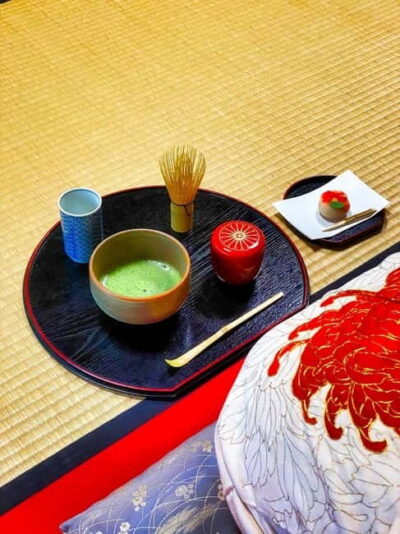
Tea Ceremony in a Traditional Tea House in Kiyomizu
Read our review →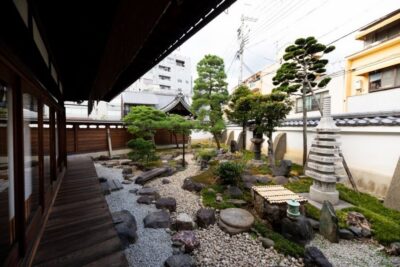
World Heritage Kyoto & Nara Uji Authentic Matcha Experience
Read our review →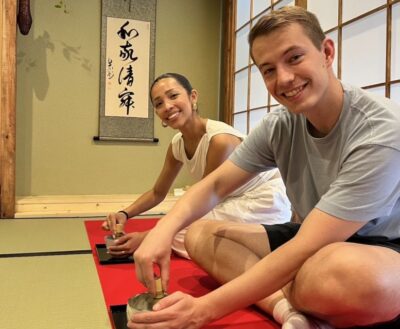
Browse the lists this tour appears in