
Reviewed · TEA CEREMONIES
Tokyo: Matcha Tasting and Making Experience
Matcha has a reputation for being fancy, but this Tokyo matcha tasting and making experience makes it practical and fun. You do not just sip one type and move on. You compare multiple styles, learn what makes them different, then make a bowl yourself.
I especially like the hands-on part. You use a bamboo tea whisk and leave knowing how to reproduce what you liked at home. I also like that the session is led by Chisei, a former tea farmer who grew tea for six years in Kyoto, so the story has roots in real cultivation.
One drawback to consider: this is a general-guest class, not a deep technical workshop for tea pros. If you want advanced tasting lab methods or a long, slow, full-course tea ceremony format, you may feel the 90 minutes is a bit short.
Key highlights you will actually feel
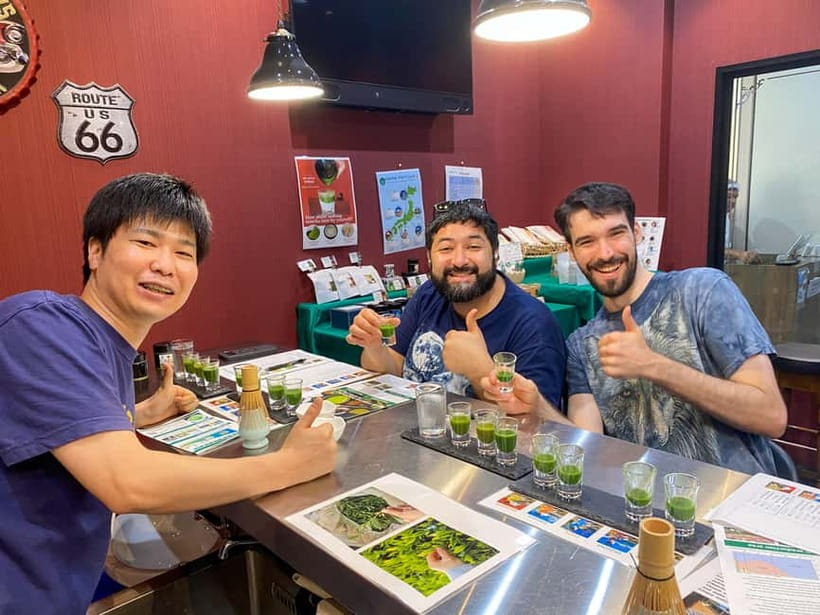
- Taste matcha from five production areas, then compare differences by color, smell, and taste
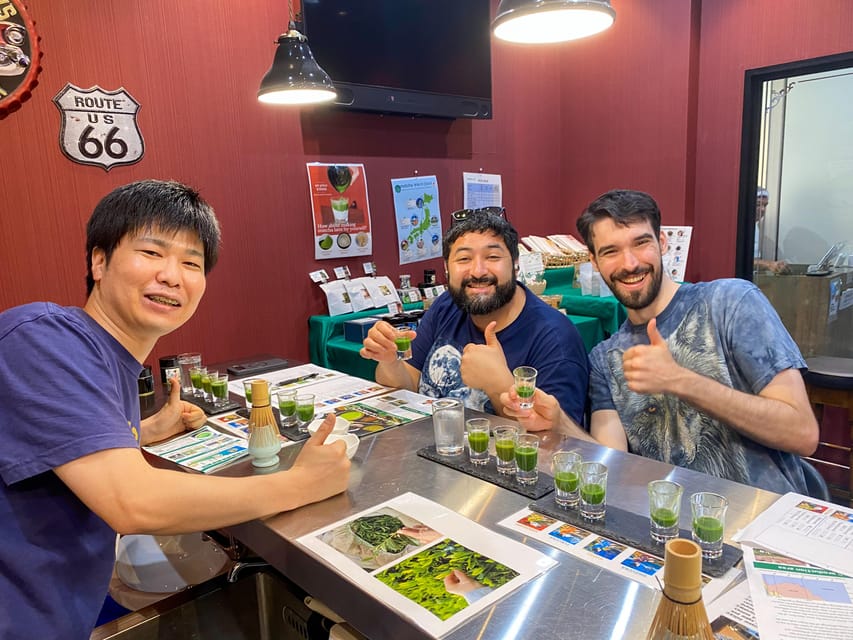
- Small group up to 5, so you get a real back-and-forth with the guide
- Chisei teaches from tea-farm experience, not just textbook explanations
- You make your own matcha using a bamboo whisk, then enjoy it as Ousucha
- You can drink matcha latte and hojicha latte, plus matcha sweets
- You get an at-home path, meaning you should be able to recreate your favorite bowl
Entering Henn na Hotel Asakusa Tawaramachi (and finding the class fast)
The meeting point is easy if you know where to look. Head to the Henn na hotel Asakusa Tawaramachi. There is a Familymart on the first floor. Enter the hotel, then go up to the second floor, where the cafe sits.
This matters because you are working with a set class window, and the experience runs for 90 minutes. When a tour is that timed, being five minutes late is annoying for both you and the instructor.
One more practical note: this is an English-led session with a small group of up to 5. That size changes the whole vibe. You are not shouting over a crowd, and you are more likely to get direct answers when you ask why one matcha tastes grassy while another tastes rounder or sweeter.
More Food & Drink in Tokyo
- Tokyo: Shinjuku Food Tour (13 Dishes at 4 Local Eateries)
★ 5.0 · 6,603 reviews - Tokyo Tsukiji Fish Market Food and Culture Walking Tour
★ 5.0 · 3,184 reviews - Tokyo: Shinjuku Food Tour (15 Dishes and 4 Eateries)
★ 4.9 · 2,033 reviews
Welcome drink and matcha context from Chisei the Kyoto tea farmer
The class starts with a welcome drink, and while you sip, Chisei sets the stage. You learn about what matcha actually means, plus how it is produced. The focus stays on cultivation and production, not on fancy performance.
What I like about this opening is that it gives you a simple mental framework before the tasting. You spend time learning what you are about to taste: how tea is grown, what makes matcha different from other powdered teas, and why certain flavors tend to show up.
You also get the history angle, in a way that connects to the real cup in front of you. This is not just dates and names. It helps you understand why people drink matcha the way they do, and why its flavor profiles can shift from region to region.
If you are the type who usually orders matcha in cafes and moves on, this is where you start to notice the details. When you later compare cups, you will have vocabulary for what your nose and tongue are picking up.
Side-by-side matcha tasting: five areas and the ceremonial vs off-label world
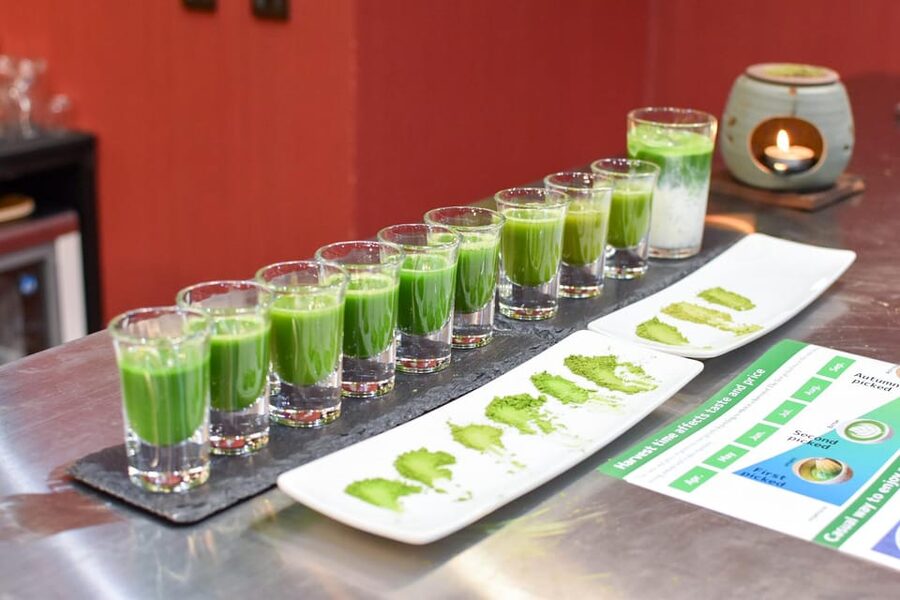
Now comes the main event: tasting and comparison. You get to taste 10 different matcha types coming from five different production areas. The serving is set up so you can compare in small portions at once, which helps you stop guessing and start noticing.
During the tasting, you are typically served 8 kinds in that side-by-side format. The breakdown includes 6 ceremonial grade matcha and 2 that are sold as matcha internationally, even though they are not defined as matcha in the same way. That contrast is useful, because it teaches you not everything labeled matcha tastes like the matcha you picture.
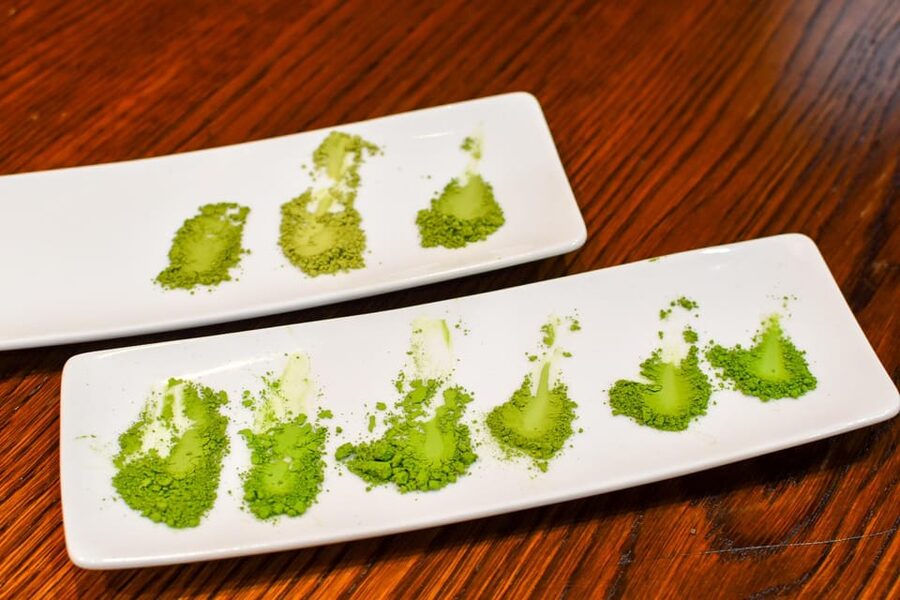
Here is how the tasting is designed to work. You start by looking at the color. Then the guide makes tea and serves it so you can evaluate the fragrance and taste in sequence. That order matters. Color cues you in, smell confirms direction, and taste tells the real story.
You will also get guidance to help you choose, not just rate. After you look and taste, you pick the matcha you like best. That sets you up perfectly for the making section, because you are not randomly whisking a product you barely remember.
Making your own bowl of Ousucha with a bamboo whisk
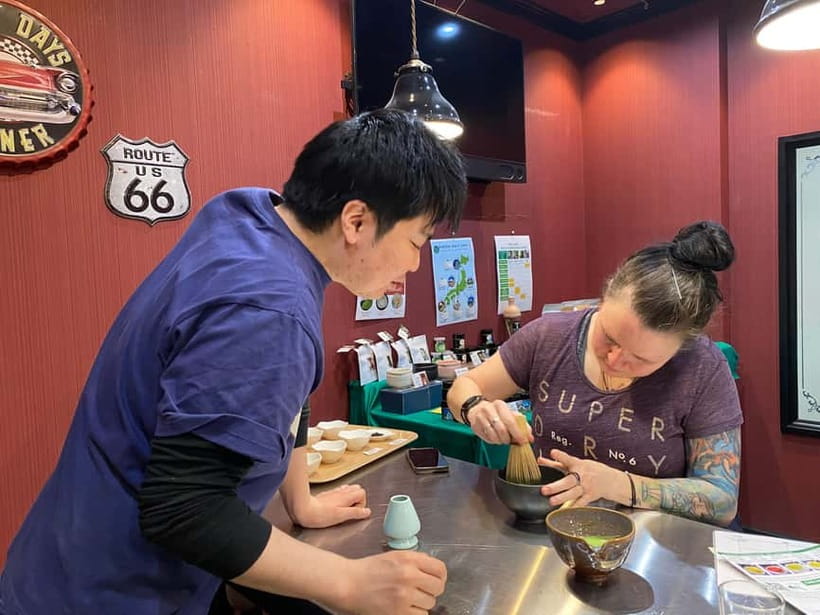
After comparing cups, you shift from tasting to doing. You choose the matcha you liked most during the session, then make it yourself.
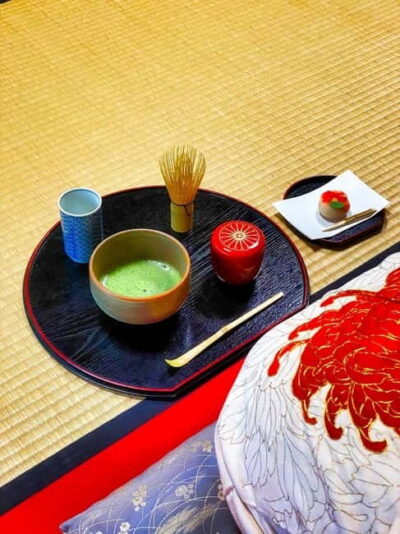
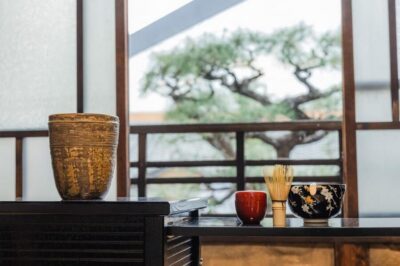
The making part uses a bamboo tea whisk, the classic tool that helps blend matcha into a smooth, frothy result. The guide walks you through the process so you understand what you are doing, not just copying motions. And yes, this is the moment where you see how your favorite flavors connect to the texture in the cup.
Once you finish, you enjoy your homemade Ousucha (matcha) using that bamboo whisk. This is more satisfying than it sounds, because you taste what you selected, with your own hands involved.
The best value of this section is the learning transfer. You are told you will still be able to make matcha at home. Even if you do not nail the exact foam on day one, you leave with a working method and a clear sense of which matcha choices make sense for your palate.
Tip for you: pay attention to the cup you picked and why you picked it. When you buy matcha later, use that memory as your filter. You will waste less money that way.
More Tea Ceremonies in Tokyo
- Matcha Making Class in Tokyo with Authentic Japanese Sweets Set
★ 5.0 · 744 reviews - Tokyo: Traditional Tea Ceremony with a Tea Master
★ 5.0 · 528 reviews - Tokyo: Matcha Making Experience with Mochi Sweets in Asakusa
★ 4.9 · 388 reviews - Tokyo: Matcha and Kimono Experience
★ 4.7 · 219 reviews
Matcha latte, hojicha latte, and matcha sweets after your bowl
If you think matcha is only for strong tea moods, this part will broaden your view. After the bowl is made and enjoyed, you get matcha latte and hojicha latte, plus matcha sweets.
The latte is made with an original blend matcha designed to go perfectly with milk. That is an important distinction. Some matcha is meant to be tasted as-is, without milk, and it can be more intense or more “green” in flavor. Blending for milk usually means you get a smoother, more drinkable profile.
Hojicha latte gives you a contrast too. Even though it is not matcha, it supports the idea that tea flavors can shift a lot depending on preparation. Having both drinks in one session helps you understand why tea shops offer more than just one style.
Then you finish with sweets tied into the matcha theme. This is not just a snack add-on. It gives you a final comparison of how matcha flavor holds up when sweetness enters the mix.
If you love the idea of treating matcha as part of a casual food moment, this ending is where the class becomes useful for real life, not only tasting notes.
Price and timing: is $63 worth 90 minutes in Asakusa?
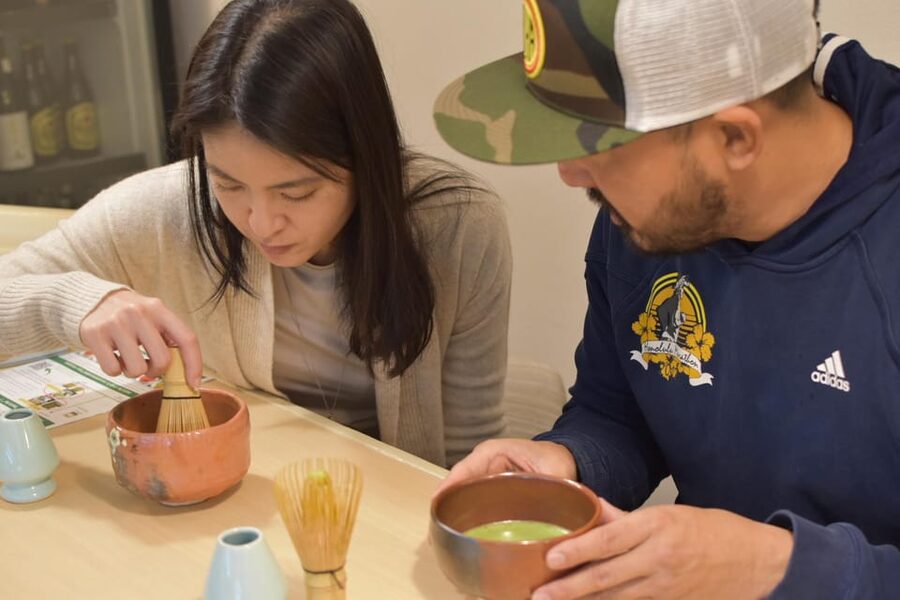
At $63 per person for 90 minutes, you are paying for four things at once: multiple tasting samples, a guided explanation by a real tea farmer, guided practice making a bowl, and then latte plus sweets.
A quick reality check: transportation to the experience location is not included. So your actual cost depends on where you start in Tokyo. But the location is in Asakusa Tawaramachi, which is a convenient area for many sightseeing routes.
Where the value really shows is in the comparison. You taste multiple matcha from multiple production areas, and you also get the technique to make your own. Many tea experiences focus on one angle: either tasting or ceremony. This one gives you both, in a compact format.
The small group size also protects your money. With a group limited to 5 participants, you get better chances to ask follow-up questions, and you spend less time waiting while someone else is whisking.
I think the price makes sense if you want more than a single cafe drink. If you only want a quick matcha latte and dessert, you can likely do that cheaper on your own. But if you want to understand what makes matcha different and take a method home, this is a strong deal for the time.
Who should book this matcha tasting and making class?
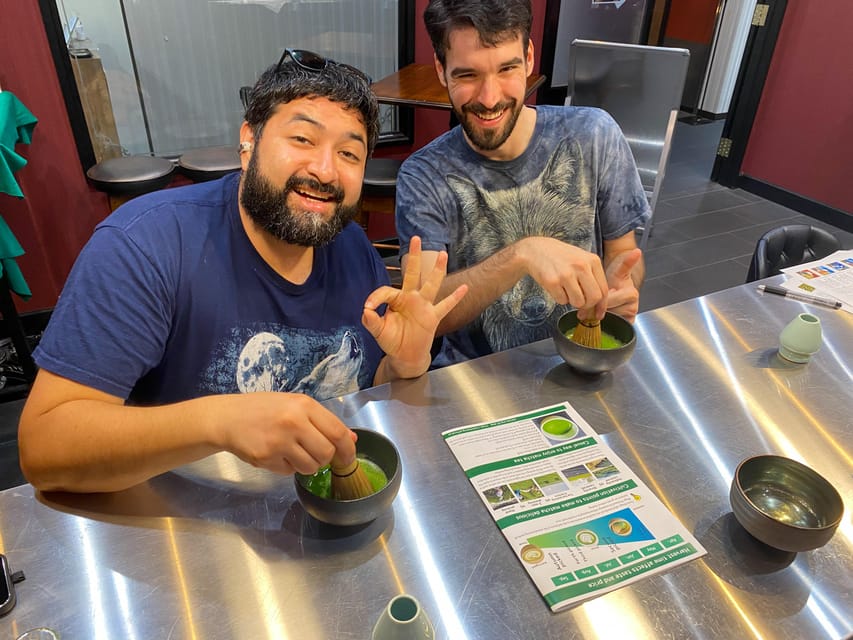
This experience is best for you if:
- you like structured food and drink learning, where you taste, compare, and then choose
- you want an English guide and prefer small group pacing
- you are curious about how growing and production shape flavor
- you want hands-on practice with a bamboo whisk instead of only watching
You might consider skipping if you already know matcha basics and want an advanced, highly technical training format. Also, if you came mainly for a long sit-down tea ceremony performance, the 90 minutes will feel fast.
The good news is that the class is clearly set up for general guests learning Japanese tea. That means you do not need special background, just curiosity and an appetite for comparisons.
Should you book this Tokyo matcha experience?
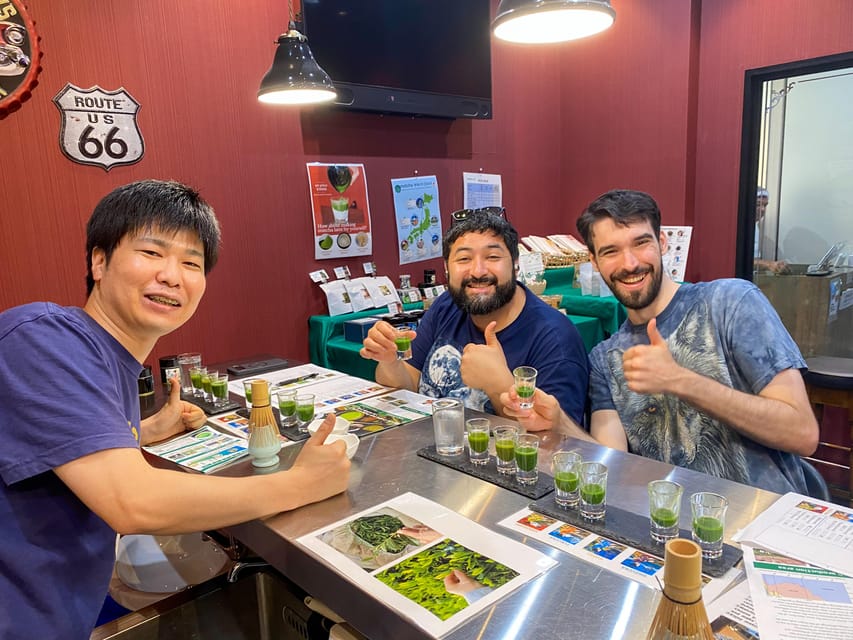
I would book it if your goal is to leave with both flavor clarity and a skill you can repeat. The combo of Chisei’s tea-farmer perspective, the multi-region tasting, and the chance to whisk your own bowl makes this more than a one-time snack stop.
It is also a great choice when you want to fit something memorable into a busy day in Tokyo. Asakusa is a popular base, and 90 minutes is a workable window between sightseeing plans.
If you are price-sensitive, still consider it, because you get much more than a single cup. You taste a range, learn what you are tasting, make a bowl, then drink latte and hojicha latte. That is a full tea-themed circuit, done in one sitting.
FAQ
FAQ
How long is the matcha tasting and making experience?
The class runs for 90 minutes.
What is included in the price?
You get a welcome drink, matcha tasting from different production areas, a matcha making experience with a bamboo whisk, and matcha latte plus matcha sweets (and you can also drink hojicha latte).
Is transportation to the experience location included?
No, transportation is not included. You will need to get yourself to the meeting point.
Where do I meet the guide?
Meet at the cafe inside the Henn na hotel Asakusa Tawaramachi. There is a Familymart on the first floor. Enter the hotel and go to the second floor.
What language is the instructor?
The instructor teaches in English.
How big is the group?
It is a small group, limited to 5 participants.
What matcha will I taste?
You will taste 10 different types of matcha from five production areas. During the main tasting, you will be served 8 types in small portions, including 6 ceremonial grade and 2 sold as matcha internationally but not defined as matcha in the same way.
Can I make matcha myself?
Yes. You choose your favorite matcha from the tasting and then make your own bowl using a bamboo tea whisk, finishing with Ousucha.
What drinks and sweets are available after the tasting?
You can enjoy matcha latte, hojicha latte, and matcha sweets.
What are the cancellation rules?
You can cancel up to 24 hours in advance for a full refund.
Is there an option to pay later?
Yes. You can reserve now and pay later to keep travel plans flexible.
Latest write-ups near Tokyo
- From Tokyo: Top 5 Scenic Spots of Mount Fuji Full-Day Tour★ 4.5 · 67 reviews
- Tokyo Customized Private Tour: See Top Attractions in 1 Day★ 4.8 · 67 reviews
- Traditional Japanese Music ZAKURO SHOW in Tokyo★ 5.0 · 67 reviews
- Tokyo: Shinjuku Izakaya and Golden Gai Bar Hopping Tour (2h)★ 4.9 · 67 reviews
- Tsukiji: Unlimited Sake Tasting Experience★ 4.9 · 67 reviews
- Samurai Ninja Museum Asakusa: Kid-Friendly Ninja Training★ 4.7 · 67 reviews
- Tokyo: Not a show- a professional sumo practice with experts★ 4.9 · 67 reviews
- Private Harajuku Omotesando Architecture Walking Tour★ 5.0 · 67 reviews
Tea Ceremonies, compared.
Tea Ceremony in a Traditional Tea House in Kiyomizu
Read our review →
World Heritage Kyoto & Nara Uji Authentic Matcha Experience
Read our review →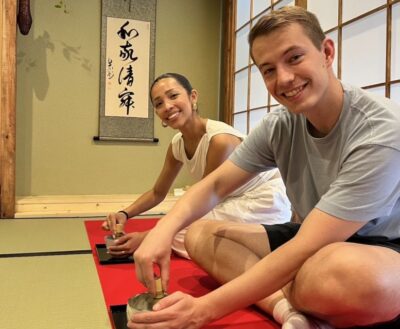
Browse the lists this tour appears in