
Reviewed · TEA CEREMONIES
Tokyo: Tea Ceremony Experience
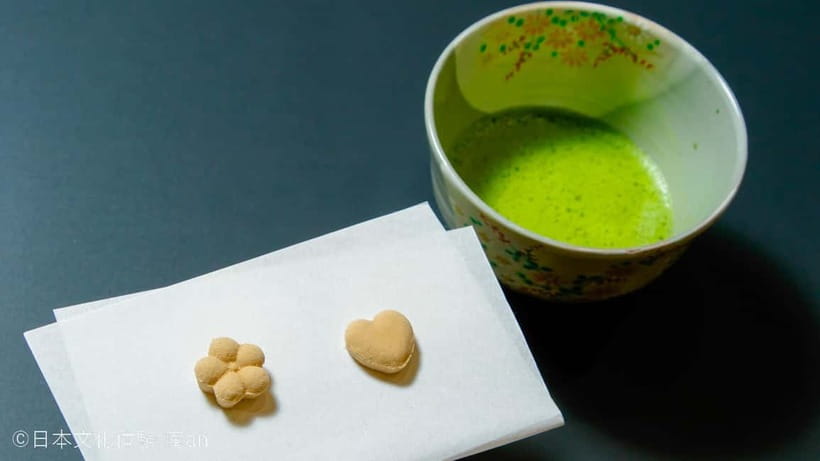
This is the kind of Tokyo experience that turns into a real moment, not just a photo stop. You get to learn the basics, then you actually make and enjoy matcha with sweets, called Ohigashi, in a tight 30-minute break from sightseeing.
I especially like the focus on single-origin special matcha and the fact that it feels beginner-friendly, even if you have never done tea ceremony before. The only catch is the format is short and casual, so this is an introduction, not a long, deeply formal ceremony.
Key Takeaways Before You Go
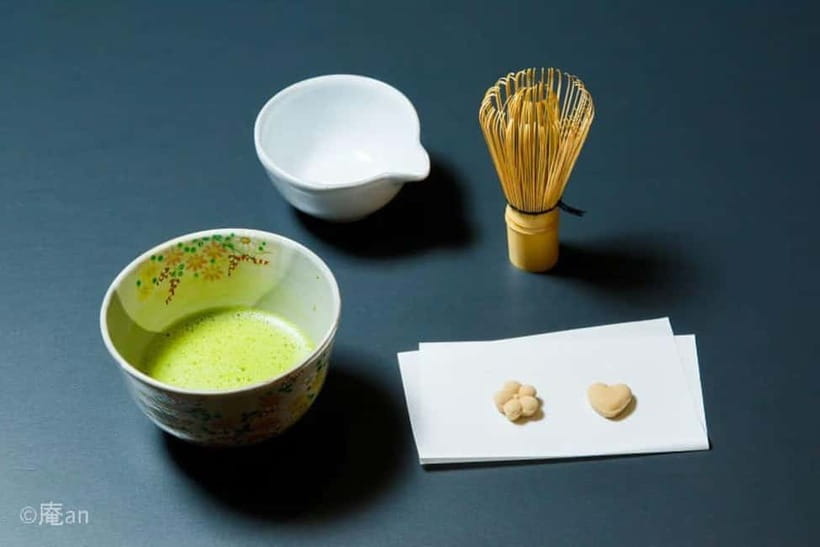
- You make your own matcha: learn, grind, and then drink what you made.
- Single-origin special matcha: you are not just tasting generic green tea.
- Ohigashi included: Japanese sweets are part of the experience, not an optional add-on.
- OTE-MAE set experience: the lesson is structured, not random.
- Concise instruction pace: explanations are quick, so listen closely in the first stretch.
- Picture time is built in: you get a moment to document the experience before you eat and drink.
A 30-Minute Matcha Reset in the Middle of Tokyo
If your Tokyo plans are packed, this tea ceremony works because it is designed as a reset button. It runs about 30 minutes total, so you can fit it between neighborhoods without needing a whole morning or afternoon.
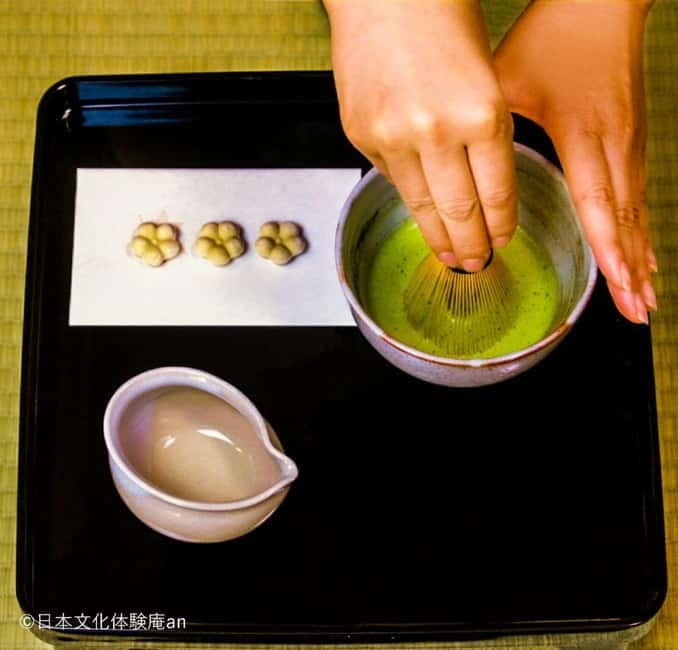
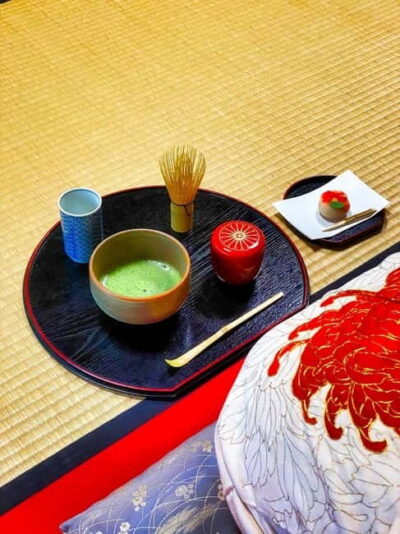
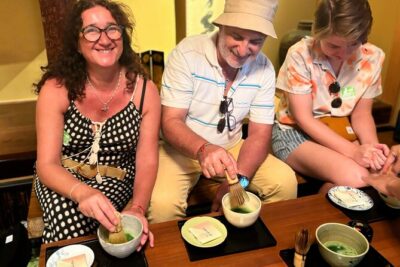
You will get a short lecture, a matcha grinding demonstration, then your hands take over. After that, you enjoy your tea along with the included Ohigashi, and there is even picture time before you wrap.
At $7 per person, it is hard to beat the value for a hands-on cultural activity. You are paying for instruction, the tea-making process, and the tasting moment, not just a seat in a room.
More Tea Ceremonies in Tokyo
- Matcha Making Class in Tokyo with Authentic Japanese Sweets Set
★ 5.0 · 744 reviews - Tokyo: Traditional Tea Ceremony with a Tea Master
★ 5.0 · 528 reviews - Tokyo: Matcha Making Experience with Mochi Sweets in Asakusa
★ 4.9 · 388 reviews
What You Do: A Step-by-Step Timeline You Can Actually Follow
The flow is simple. That is a good thing, because tea ceremony is physical, so clarity matters.
Start and tea talk (about the first part)
The experience starts with an explanation of tea. Expect a quick overview of what you are about to do and what makes matcha preparation different from regular tea.
This is also the moment to mentally switch modes. If you treat it like a lecture, you might miss the cue for the later hands-on segment.
Matcha grinding demonstration
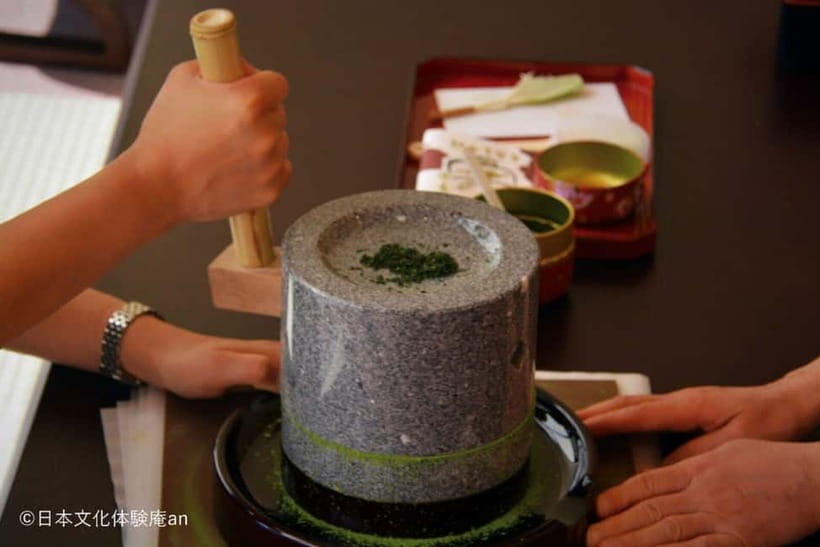
Next comes the grinding demonstration. The point here is not just to watch someone do it, but to understand what the movement and preparation are trying to accomplish.
Even if you are new, you should come out of this section knowing what you will be doing soon. Look at the rhythm, then copy it when it is your turn.
A change of pace from Tokyo:
- Mt Fuji and Hakone 1-Day Bus Tour Return by Bullet Train
★ 5.0 · 26,383 reviews - 1-Day Tokyo Bus Tour
★ 5.0 · 14,250 reviews - Tokyo: TOKYO SKYTREE® Admission ticket
★ 4.5 · 11,192 reviews - Tokyo: teamLab Planets TOKYO Digital Art Museum Entry Ticket
★ 4.6 · 9,779 reviews
Tea-ceremony experience (your hands on matcha)
Then the real part begins: you take part in the tea-ceremony experience and make your own matcha. You will be guided through the steps, and you get to enjoy what you make right after.
This is where the experience becomes satisfying. You are not leaving Tokyo with a vague memory, you leave with a cup you made, plus the practical understanding to enjoy matcha at home.
Picture time and then eating and drinking
Around the 20-minute mark, there is picture time. It is built into the schedule, so you are not scrambling to ask for photos at the last second.
After that, you shift into eating and drinking time, then it is room departure at the 30-minute end.
The Tea and Sweets Part: Single-Origin Matcha Plus Ohigashi
Let’s talk taste, because the whole point is what you drink. This experience uses single-origin special matcha, which means you are tasting a more specific, intentional matcha style than the sort you might get in a basic kit.
Matcha is usually described as bold, but the real experience is how it feels in your mouth, not just how green it looks. When it is prepared well and paired with the right sweets, it can feel balanced rather than just “strong.”
Ohigashi is not decoration
You also get Japanese sweets called Ohigashi. These are part of the experience timing, served alongside your tea so you can enjoy the pairing as intended.
If you only focus on the matcha, you might miss the role the sweets play. Think of it as a planned contrast, the kind of pairing that makes the tea feel smoother and more complete.
What you should expect from a casual matcha tasting
The experience is described as casual matcha enjoyment after a brief lecture. That matters. You are not being graded on perfect form. You are learning enough to participate, then tasting what you made.
OTE-MAE Style, Explained in Plain Terms
The activity includes a set experience of OTE-MAE. OTE-MAE is the structured way tea ceremony steps are taught, so the experience is organized instead of freestyle.
For you, that means less guessing. You do not need to know the tradition in advance to follow along. The format is built so that someone visiting Tokyo for the first time can still do the key actions and understand the purpose.
I like this approach because it respects your time. You get the “why” behind the “how,” without turning it into a multi-hour deep study.
And that is the secret advantage of a tea ceremony that fits modern travel: you learn what you need, then you get to enjoy it immediately.
Instructor and Pace: Quick Explanations, Hands-On Payoff
The instructor is Japanese, and instruction language is Japanese. English translation is provided as much as possible, and you can contact them if you would like English translation.
One review specifically highlighted that the guide was very lovely when transportation issues caused an arrival timing problem. That tells me the staff attitude tends to be kind and human, not rigid.
Also, there is a note that explanations were rapid but still interesting. So here is the practical advice: lean forward mentally at the beginning. If you are distracted by your phone at the start, you may not catch the key points you need later when you are grinding and preparing your own matcha.
What to do if your Japanese is basic
You do not need fancy phrases. Pay attention to the physical steps and follow along. For the lecture part, translation support is provided as much as possible, so you should be able to understand the essentials even if your Japanese is limited.
Price and Value: Why $7 Is a Fair Deal for a Real Experience
At $7 per person for 30 minutes, this is priced like a short activity, but the value comes from the participation. You are not just observing. You make matcha and you get sweets.
Here is how I think about value in Tokyo. For a small amount of money, do you get something tactile and personal, or do you just take a seat and watch? This experience does the first one.
Also, the included parts matter:
- You get the OTE-MAE set experience.
- You get single-origin special matcha.
- You get Ohigashi.
- You get picture time plus time to eat and drink.
That combination is why it feels like a bargain compared to many “cultural experiences” that are mostly instruction plus a quick tasting.
Meeting Point Tips: Find AN TOKYO Without Stress
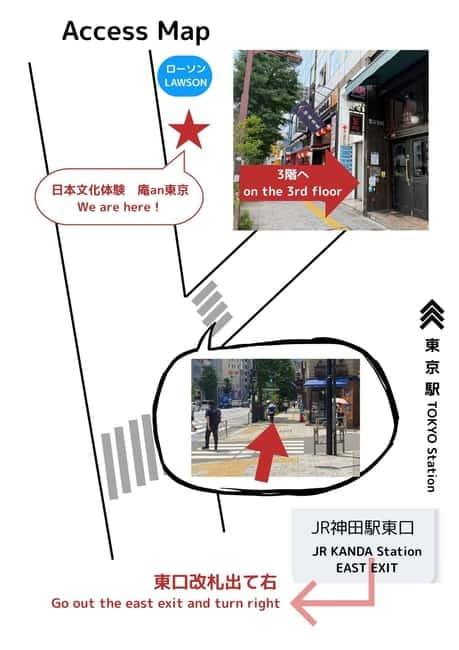
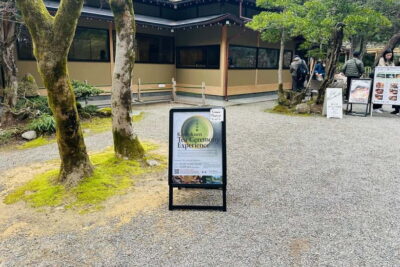
You meet at AN TOKYO Japanese Culture Experience, with coordinates 35.6916541, 139.7715022. Use the coordinates in your map app rather than trying to guess based on nearby landmarks.
Arrive a few minutes early. Not because you need time to wander, but because the event is not held to accommodate delays. Once it starts, it stays on schedule.
If you are coming from somewhere else in Tokyo, build in a buffer for trains or walking time. This kind of experience is small, so you want to be present and ready, not rushing at the door.
Who This Tea Ceremony Experience Fits Best
This is a great match for you if:
- You want a short, hands-on cultural activity during a Tokyo sightseeing day.
- You have never done a tea ceremony and want a friendly introduction.
- You like matcha and want to understand the process, not just drink it.
- You want an experience you can do alone, as a couple, or as part of a small group.
It is also good if you value structure. OTE-MAE provides a clear format, so you are not left wondering what to do next.
Who might want to skip it
If you are specifically looking for a long, formal, multi-step tea ceremony with deep traditional study, this one may feel too brief. It is designed as a 30-minute introduction with casual enjoyment, not a full traditional session.
Optional Completion Certificate: A Small Extra If You Want Proof
There is an optional experience completion certificate for 300 JPY. If you want a certificate with nominative names, you should let them know your names in advance, otherwise there is a blank space.
If you like collecting small proof-of-attendance items, this is a neat add-on. If you do not care about certificates, you can enjoy the experience and skip it.
Should You Book This Tokyo Tea Ceremony?
Yes, you should book it if you want an easy cultural win with real participation. For $7 and 30 minutes, you are getting the key parts people actually remember: grinding matcha, tasting what you made, and eating the included Ohigashi in a structured OTE-MAE format.
I would also book it if you need something low-pressure. The experience is designed so one person or groups can join, and it is presented as an approachable tea ceremony break while sightseeing.
Skip it only if you expect a long, highly formal, highly academic tea session. This is about doing and tasting, not spending hours on tradition.
If you are planning Tokyo day logistics tightly, this is the kind of activity that respects your schedule and still gives you a real story to tell.
FAQ
How long is the Tokyo tea ceremony experience?
The experience lasts 30 minutes.
How much does it cost?
It is $7 per person.
What is included in the experience?
You get an OTE-MAE set experience, including making and enjoying matcha and eating the included Japanese sweets called Ohigashi.
Is English translation available?
English translation is provided as much as possible. If you would like to add English translation, you can contact them.
Where do I meet?
Meet at AN TOKYO Japanese Culture Experience. Coordinates are 35.6916541, 139.7715022.
Is there a completion certificate?
Yes. An experience completion certificate costs 300 JPY. If you want nominative certificates, share your names in advance.
Latest write-ups near Tokyo
- Tokyo Customized Private Tour: See Top Attractions in 1 Day★ 4.8 · 67 reviews
- From Tokyo: Top 5 Scenic Spots of Mount Fuji Full-Day Tour★ 4.5 · 67 reviews
- Tokyo: Shinjuku Izakaya and Golden Gai Bar Hopping Tour (2h)★ 4.9 · 67 reviews
- Traditional Japanese Music ZAKURO SHOW in Tokyo★ 5.0 · 67 reviews
- Tsukiji: Unlimited Sake Tasting Experience★ 4.9 · 67 reviews
- Samurai Ninja Museum Asakusa: Kid-Friendly Ninja Training★ 4.7 · 67 reviews
- Tokyo: Not a show- a professional sumo practice with experts★ 4.9 · 67 reviews
- Private Harajuku Omotesando Architecture Walking Tour★ 5.0 · 67 reviews
Tea Ceremonies, compared.
Tea Ceremony in a Traditional Tea House in Kiyomizu
Read our review →
World Heritage Kyoto & Nara Uji Authentic Matcha Experience
Read our review →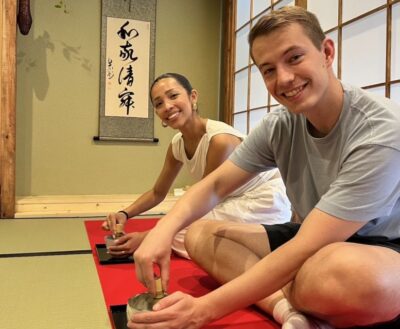
Browse the lists this tour appears in