
Reviewed · TEA CEREMONIES
Tokyo Traditional Tea Ceremony with a Japanese Tea Master
Tokyo Traditional Tea Ceremony with a Japanese Tea Master is interesting because it does something most tea experiences do not. In about an hour, you go beyond sipping. You get step-by-step training, tools in your hands for matcha, and a mini flight of Japanese teas.
I especially like the hands-on matcha making and the fact that the tasting moves through different styles, not just one type of green tea. You’ll also get a souvenir group photo plus a completion certificate, so you leave with something tangible, not just a memory.
One thing to consider up front: this is closer to a relaxed tea lesson and tasting than a long, formal ceremony you might picture in movies. It is also short, so if you want a slow, hour-after-hour, highly ritualized setup, you may need to adjust your expectations.
Key Things You Will Really Notice
- A true matcha-making moment, not just watching someone else whisk
- Several distinct teas in one session, starting with wakocha and ending with genmaicha
- Seasonal sweets and tea pairings, including wagashi from Ougiya
- A small group capped at 12, which keeps questions from feeling rushed
- Practical brewing guidance, including learning water temperature for brewing tea
- Souvenirs included, including a certificate and a group photo
Tokyo Tea Ceremony 101, In Plain English
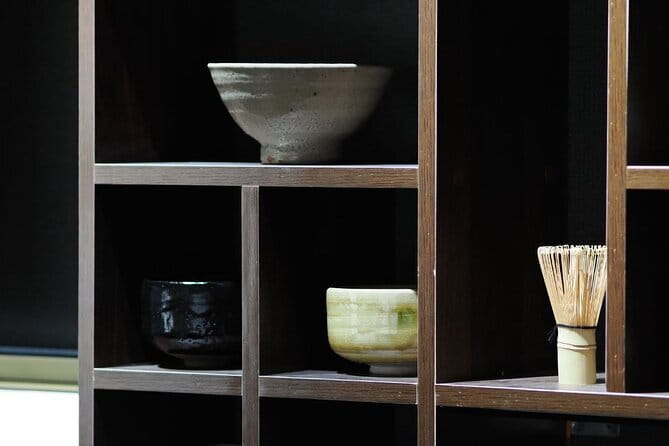
This experience is built around one core idea, tea in Japan is not only about flavor. It is also about manners, attention, and respect for ingredients. You see that theme immediately in how the session is structured, tasting first, then your turn with matcha.
The pacing matters. It is about one hour, so you get enough repetition to learn the process, but you are not trapped for hours in a schedule that feels like a museum lecture. For many people, that makes it a better first step into Japanese tea culture.
And yes, you will drink a few cups, not just one. That is part of the value, you can compare how different teas taste and how the tools and steps change from one cup to the next.
More Tea Ceremonies in Tokyo
- Matcha Making Class in Tokyo with Authentic Japanese Sweets Set
★ 5.0 · 744 reviews - Tokyo: Traditional Tea Ceremony with a Tea Master
★ 5.0 · 528 reviews - Tokyo: Matcha Making Experience with Mochi Sweets in Asakusa
★ 4.9 · 388 reviews
Where You Go: Ocharu Room Near Tokyo University
Your meeting point is OCHARU 6-chōme-2-10 Hongō, Bunkyo City, Tokyo 113-0033, Japan. It is near public transportation, so you are not betting the whole plan on one station.
A smart way to handle a short class in Tokyo is simple: arrive a bit early. Check in with your mobile ticket, take a minute to get your bearings, and you will avoid the classic last-minute stress that can ruin the start of a calm tea session.
This location is also convenient for pairing with other nearby sights around Bunkyo. If you are building a day around universities, bookstores, and quiet streets, this fits naturally.
The First Pour: Wakocha and Tea Cake to Set the Tone
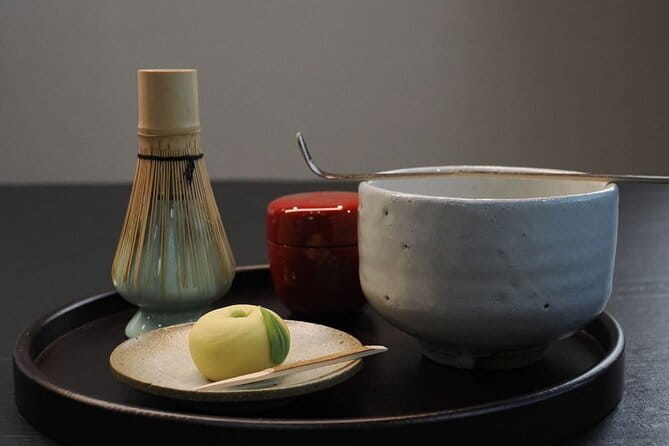
You start with wakocha, a Japanese black tea from Shizuoka, paired with a slice of cake. This first cup is a great way to settle in because it gives you something approachable before the more “serious” tea flavors come out.
The tea cake pairing is more than dessert. It helps your palate reset between the different teas you will try later. In a short session, that kind of pacing is what keeps everything enjoyable instead of turning into one long blur of sipping.
You’ll also get an early sense that tea here is treated as a small ceremony, even when the session is friendly and instructional. The atmosphere is part of the learning.
Gyokuro Sencha Tasting and Wagashi From Ougiya
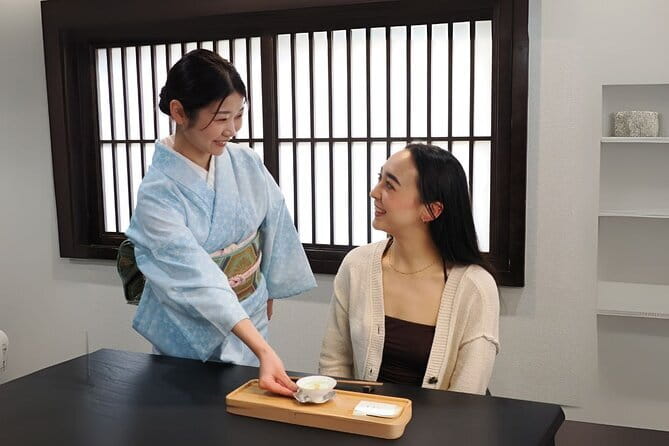
Next comes Gyokuro sencha, described as the highest grade of green tea in this experience. The point is not just to taste “green tea.” It is to taste what makes this type special compared with other teas you might be used to.
Alongside it, you get seasonal wagashi sweets from Ougiya, a confectioner with generations of experience. That matters because wagashi is not random candy. It is part of how Japanese tea is traditionally presented, sweetness and texture matched to the tea.
If you like learning through food, this part is a winner. You taste, then you connect the flavor to the preparation and the idea behind the pairing. It helps tea stop being vague and start being specific.
A change of pace from Tokyo:
- Mt Fuji and Hakone 1-Day Bus Tour Return by Bullet Train
★ 5.0 · 26,383 reviews - 1-Day Tokyo Bus Tour
★ 5.0 · 14,250 reviews - Tokyo: TOKYO SKYTREE® Admission ticket
★ 4.5 · 11,192 reviews - Tokyo: teamLab Planets TOKYO Digital Art Museum Entry Ticket
★ 4.6 · 9,779 reviews
Your Matcha Moment: Whisking Under a Tea Master’s Guidance
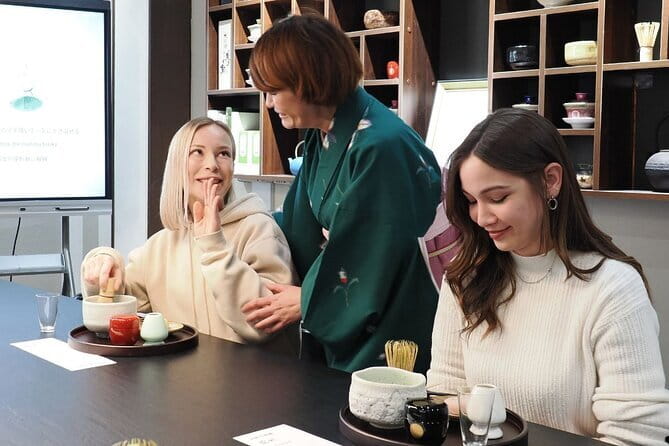
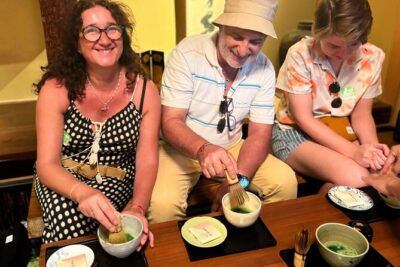
This is the heart of the experience. You’ll make matcha yourself, using traditional tools, guided by the tea master.
I like that you do this in a way that feels guided but still hands-on. You are not just turning the pages of a handout. You are performing the steps and getting feedback, which is the fastest way to understand what matcha is supposed to feel like.
One practical thing you should watch for: water temperature. People specifically mention learning the temperature of the water to brew tea. That is the kind of detail that turns matcha from “tastes good” into “I can reproduce this at home in a decent way.”
When the session works, this part feels like a mini skill workshop. You leave knowing what to look for, not just what to order next time.
Genmaicha Finale: Roasted Comfort in the Last Cup
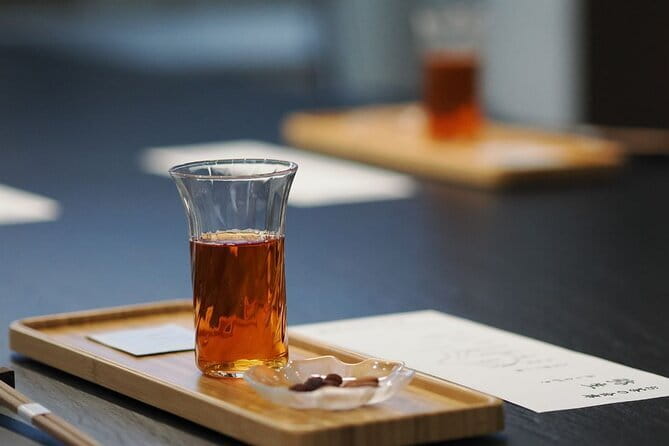
You finish with a soothing cup of genmaicha, a blend of sencha and roasted rice from Niigata Prefecture. This final choice is smart because it is generally more comforting and approachable than the “highest grade” tea you tasted earlier.
The finale also gives you a clean end point. After matcha and the earlier tastings, genmaicha feels like the calm closing line of a short story. It is a good way to wrap up without ending on a tea that feels too intense.
If you are the type who likes a tidy ending, you will probably appreciate this last cup. You get a sensory reset before you step out.
Tea Room Access, Plus the Certificate and Group Photo
You get access to the tea ceremony room, and you also receive a certificate of completion. On top of that, there is a souvenir photo of your group.
Those two items sound small, but they matter in real life. The certificate is useful as proof you did a specific cultural activity in Tokyo, not just a generic class. The group photo becomes the thing you can show friends later, especially if you went with family or a travel buddy.
If you care about keepsakes that do not take up much space, this is a good approach. It is not another bag of trinkets.
Small Group Size: Better Questions, Less Waiting
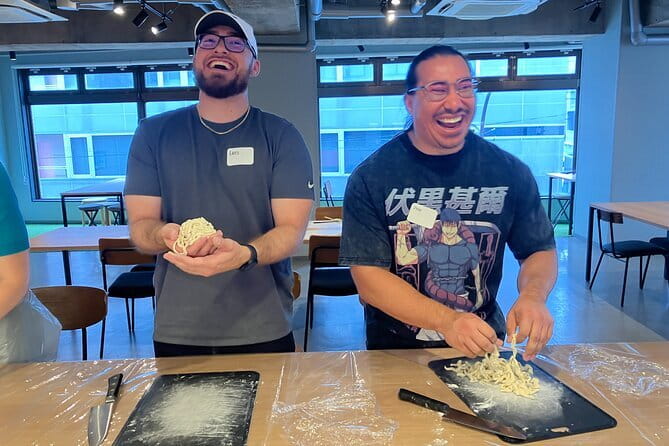
The group size is capped at 12 travelers. That is one of the biggest quality signals here. In a tea session, questions come fast. People ask about tools, about how to whisk, and about what different teas are meant to taste like.
A smaller group makes that easier. It also means you are less likely to feel like you are part of a conveyor belt.
Also, the session is about one hour (approx.). Short and small is a great combo for Tokyo. You get the experience without sacrificing too much of your day to queues and transit.
Price and Value: What $33.03 Buys You
At $33.03 per person, this is priced like a focused cultural experience, not like a souvenir shop stop. The value comes from the structure:
- You taste multiple teas, not just one.
- You eat, including welcome tea and cake plus wagashi.
- You make matcha yourself with traditional tools.
- You leave with a certificate and group photo.
When you break it down, you are paying for guidance, not just ingredients. You are also paying for an environment designed for the ritual and learning, which you cannot recreate in a random café.
So for what you get, the price feels reasonable, especially if matcha is on your “must do” list.
A Quick Reality Check on Expectations
This is not a long, formal tea ceremony with a heavy theatrical feel. It is a friendly, structured tea lesson and tasting.
That is not bad. It can be perfect, especially if you want hands-on learning and multiple cups in a short window. But if you picture sitting on the floor and waiting through a classic, ultra-traditional script for a long time, you might feel mismatch.
Also, language can be a deciding factor. One experience can go smoothly, while another session might be less convenient if the instructor’s English is limited and you need to read instructions from a screen. If you are choosing this specifically for language clarity, confirm that your session will work for you at booking.
Who This Tea Class Is Best For
This fits best if you want a practical introduction to Japanese tea culture without turning it into a half-day commitment.
You’ll likely enjoy it if you:
- want hands-on matcha making
- enjoy learning through food pairings like tea cake and wagashi
- like small groups where you can ask questions
- want a Tokyo cultural activity that is easy to schedule
It may be less ideal if you:
- expect a long, cinematic traditional ceremony with lots of staged formality
- need a very specific language format and cannot tolerate uncertainty
Should You Book This Tokyo Tea Ceremony?
I think you should book it if matcha, tasting, and doing the steps yourself are the main goal. The hour-long format, the max group size of 12, and the included certificate and group photo make it a solid cultural value.
If you are sensitive to mismatch on what “tea ceremony” means, read the description carefully and treat it as a tea lesson and tasting first. Arrive early, bring patience, and you’ll get a lot out of those cups.
Overall, with a very high rating and a strong recommendation rate, this is the kind of experience that tends to satisfy people who came ready to learn rather than just watch.
FAQ
How long is the Tokyo traditional tea ceremony experience?
It is about 1 hour.
Where do I meet for the tea ceremony in Tokyo?
The meeting point is OCHARU 6-chōme-2-10 Hongō, Bunkyo City, Tokyo 113-0033, Japan.
What is the group size limit?
The experience has a maximum of 12 travelers.
What is included in the price?
It includes welcome tea and cake, sencha tasting, matcha making, genmaicha finale, a certificate of completion, and access to the tea ceremony room.
Do I get a souvenir?
Yes. You receive a certificate of completion, and there is also a souvenir photo of your group.
Is travel to and from the tea ceremony room included?
No. Travel to and from the room is not included.
Do I get a mobile ticket?
Yes, this activity includes a mobile ticket.
Is there free cancellation?
Yes. You can cancel up to 24 hours in advance for a full refund. If you cancel less than 24 hours before the start time, it is not refunded.
Latest write-ups near Tokyo
- Tokyo Nights: Shibuya Photo Adventure★ 5.0 · 20 reviews
- Wagyu & Sake 8 Course Tasting Dinner in Shinjuku★ 4.9 · 20 reviews
- Making Japanese desserts Nerikiri & drinking matcha in Tokyo★ 5.0 · 20 reviews
- Japanese Whisky Hunting《HIGH-QUALITY-ONLY》Rare Tasting Class★ 5.0 · 20 reviews
- Mt. Fuji 5th Station, Owakudani Ropeway, Pirate Ship plus Outlet shopping!★ 4.5 · 20 reviews
- Kintsugi Experience with Arita Ware in Tokyo (English Guide)★ 4.8 · 20 reviews
- This is Asakusa! A Tour Includes the All Must-Sees!★ 5.0 · 20 reviews
- Ebisu Local Food Tour: Shibuya’s Most Popular Neighborhood★ 5.0 · 20 reviews
Tea Ceremonies, compared.
Tea Ceremony in a Traditional Tea House in Kiyomizu
Read our review →
World Heritage Kyoto & Nara Uji Authentic Matcha Experience
Read our review →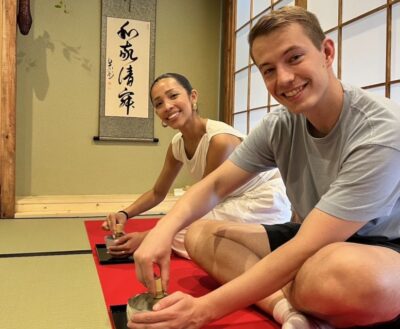
Browse the lists this tour appears in