
Reviewed · SUSHI MAKING CLASSES
Sushi – Authentic Japanese Cooking Class – the best souvenir from Kyoto!
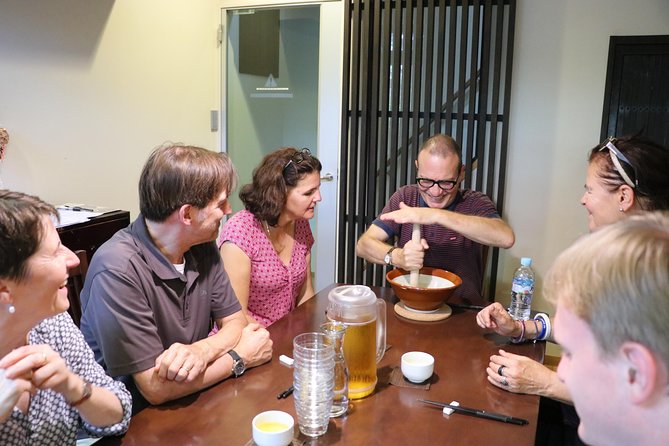
Sushi – Authentic Japanese Cooking Class – the best souvenir from Kyoto! is interesting because it treats sushi like a skill, not just a meal. You learn the etiquette of sushi dining and then make rolls and bites yourself, in a calm home-kitchen setting led by Kaori. What I especially like is the hands-on pacing and the extra context you get as you cook, like umami and how to handle sushi rice. One possible drawback: this is a tight class time, so you have to show up ready to work, taste, and ask questions.
I also like that the class stays small, so you actually get hands-on help while you form sushi and prep sides. You’ll leave with recipes and a clear sense of what to do at home, not just a nice memory. If you’re prone to wandering off-grid in Kyoto, pay attention to the meeting point details and confirm how to find Roujiya, because addresses here can be tricky.
Key things that make this class worth your time
- Small-group format helps you get real coaching while you’re making sushi, not watching from the sidelines
- Kaori-led instruction brings clear English explanations plus practical technique, like sushi rice handling
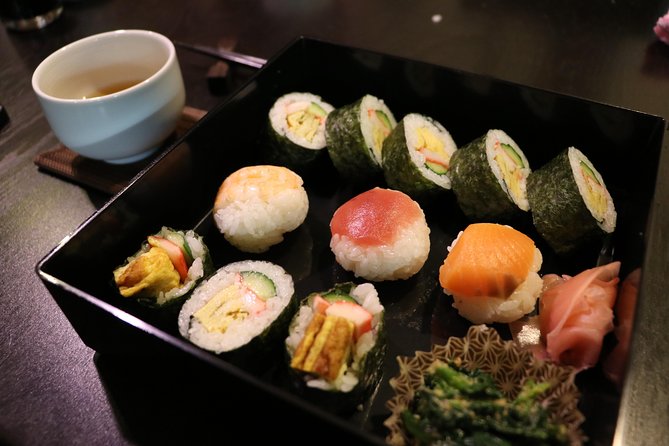
- You cook multiple items, including sushi rice, dashi soup, and pickled ginger
- You learn table manners and sushi dining etiquette as part of the experience
- A provided aperitif and Japanese green tea turn the lesson into a proper meal
- You leave with take-home recipes so the “souvenir” actually works in your kitchen
Why a home-kitchen sushi class beats another meal out in Kyoto
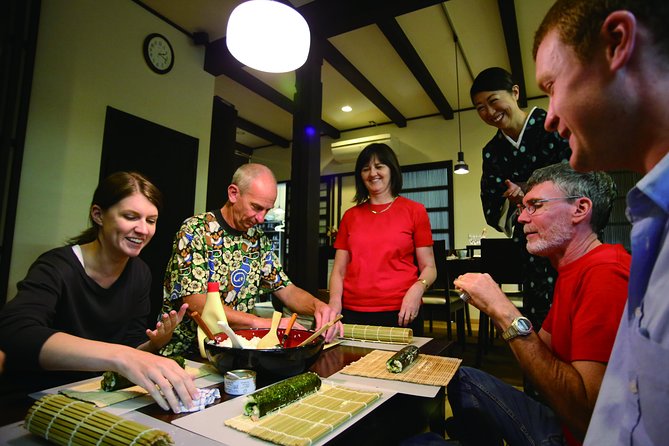
Kyoto is full of great food, and you can absolutely eat your way through the city. But this class is different because it teaches the “how” behind the taste. You are not just collecting information. You are practicing steps with guidance, and then eating what you made.
For me, the best part of doing sushi at a cooking school is how fast the learning sticks. Sushi has a few non-negotiables, like rice temperature, the feel of the vinegar blend, and how you handle toppings. When you learn those in person, you stop guessing later.
Also, the setting matters. This is described as Kaori hosting you in her home kitchen, with a relaxed vibe that larger group classes often can’t match. If you like experiences that feel real instead of staged, you’ll probably enjoy that.
More Cooking Classes in Kyoto
- Ramen Cooking Class at Ramen Factory in Kyoto
★ 5.0 · 1,937 reviews - Kyoto: Ramen Cooking Class at a Ramen Factory with Souvenir
★ 4.9 · 532 reviews - Kyoto: Ramen, Gyoza, and Onigiri Cooking Class
★ 5.0 · 445 reviews
Meet Kaori and plan for a focused two hours
The workshop runs about 2 hours and starts at 11:30 am. You’ll meet at Roujiya, at 22-58 Nishinokyō Ikenouchichō, Nakagyo Ward, Kyoto. There’s a mobile ticket, and the class is near public transportation, so you’re not locked into private transport.
The class size is capped at twelve travelers for the session (and the broader booking limit is stated as thirteen, but the effective maximum is twelve). That’s a sweet spot. It’s big enough to feel social and fun, but small enough that you can get help when your sushi rice clumps or your hands feel awkward at first.
Instruction language is English, and the class is led by Kaori, who is described as having extensive cooking experience. Based on the feedback, she explains step-by-step and also explains why the steps matter, not just what to do. If you’re worried you’ll be lost, you probably won’t. The format is hands-on and paced for people who are new.
Possible drawback, again, is simply time pressure. You get a lot done in two hours, so you’ll want to arrive on time and come with an appetite for tasting and learning.
What you actually cook: sushi rice, dashi soup, pickled ginger, and more
This class is built around making and eating several core pieces of Japanese food, not one single dish.
Here’s what you can expect to make:
- Sushi rice (learn how to season and handle it)
- Soup, including dashi (you’ll make and/or work with a dashi broth)
- Pickled ginger
- Several types of sushi, not just one roll
In the reviews, people call out details that go beyond the basics. You learn the concept of umami while you cook, and you hear the logic behind common sushi steps. For example, one detail you might remember is the reason you fan sushi rice during preparation, which helps cool it down to the right texture before shaping.
You also get a practical connection between ingredients and flavor. Dashi is often described in classes as magic broth, but here it’s treated as technique. Reviews mention the idea of dashi made with seaweed and bonito flakes, and the class helps you understand how that foundation supports everything you taste.
And because it’s more than sushi-only, pickled ginger and soup aren’t an afterthought. They’re part of the meal structure, and you’ll learn what role they play when you eat.
Sushi etiquette you can use immediately, not just trivia
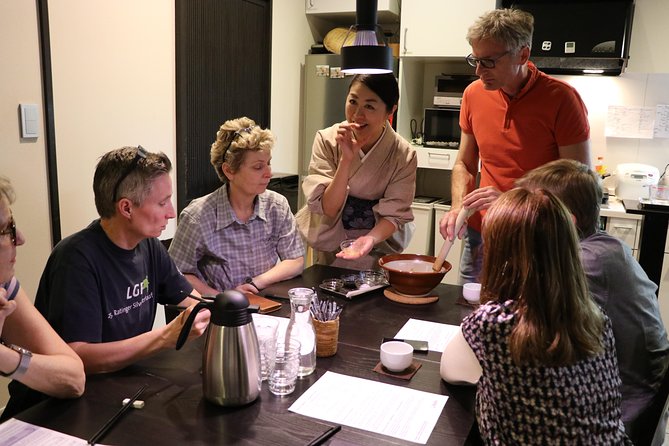
Sushi in Japan has an unspoken rhythm. Even when you’re not perfect, you’ll look and feel more confident when you understand the rules of the table.
This class explicitly covers Japanese table manners and sushi etiquette. The wording in the class description also notes you’ll learn how to navigate the complex etiquette of sushi dining, which usually means things like:
- how to handle what’s served
- how to approach eating in sequence
- how to behave while you’re eating and tasting
The best part is that etiquette isn’t tacked on at the end. It’s taught alongside cooking. When you understand how sushi is assembled and why certain bites are paired, you’re more likely to use correct etiquette without freezing up.
On top of that, Kaori shares cultural and historical context connected to the food. Reviews mention facts like why Japanese chopsticks are shorter than Chinese ones, plus why fans show up in rice prep. If you enjoy learning the “why,” this class gives you plenty of it, and it stays relevant to what you’re doing.
More Sushi Making Classes in Kyoto
- Sushi Making in Kyoto! Same-day bookings welcome!
★ 5.0 · 713 reviews - The Original Small-Group Sushi Making Class in Kyoto
★ 5.0 · 436 reviews - Kyoto: Small-Group Authentic Sushi Making Workshop
★ 5.0 · 137 reviews - Private Kyoto Sushi Cooking Class & Tea Ceremony with Emika
★ 5.0 · 66 reviews
The meal part: aperitif, green tea, and what you’ll remember
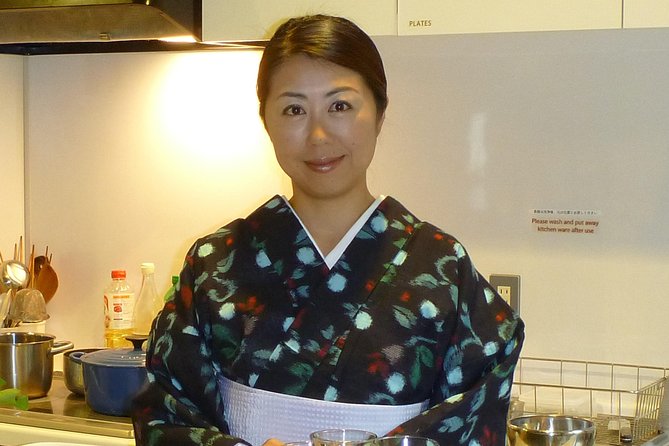
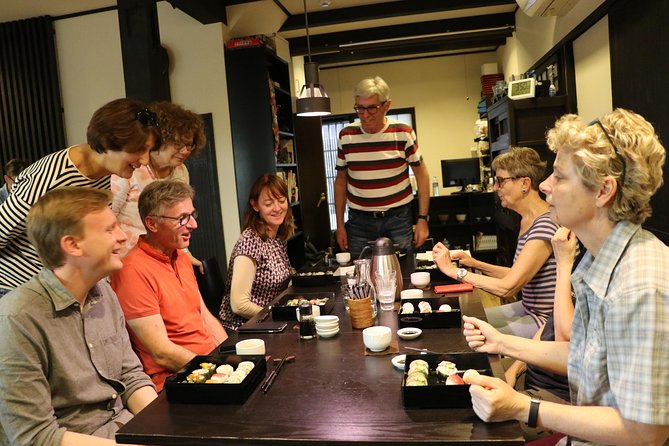
You’ll eat what you make. And that matters, because sushi is best judged when it’s fresh and constructed the way it should be.
Included with the meal are:
- an aperitif
- Japanese green tea
- the food you cook, meaning your sushi and soup experience is part of the package
One review also notes that tea, sake, and beer may be offered after you make the sushi, as an extra cost. The key is this: the core experience is already complete with the included drinks, so you can keep it simple and still leave happy.
The meal itself tends to be the moment people realize they actually learned something. When your hand-made sushi tastes right, you stop thinking you just watched a cooking show. You did the work.
Price and value: why $72.67 can make sense in Kyoto
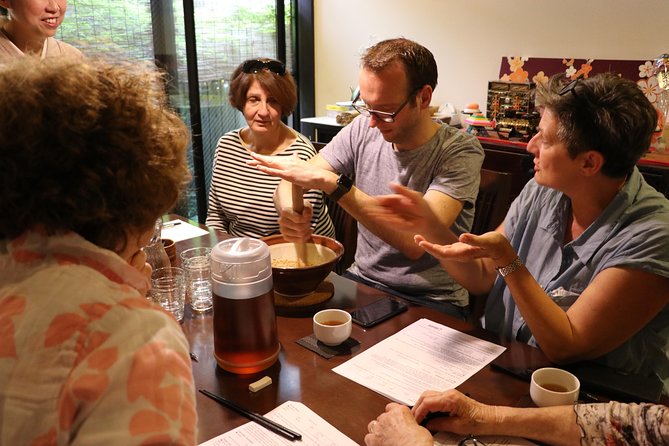
At $72.67 per person, this isn’t a budget activity. But it also isn’t priced like a fancy tasting menu where you mostly sit and watch.
What you’re paying for is:
- two hours of hands-on instruction in English
- ingredients and the full meal you eat
- recipes you can take home
- a small group size, which improves how much help you get
A major value point is the “souvenir” idea. In Kyoto, plenty of things look good in photos but disappear once you’re back home. Skills and recipes last. If you cook sushi at home even once or twice, this class becomes more than the sum of its ingredients.
Also, small-group coaching is hard to replicate. Cooking videos can teach technique, but they can’t correct your grip or tell you when your rice is ready by feel. That correction, plus etiquette teaching, is the real payoff.
If you already hate cooking and only want to eat, you might be happier with a great sushi counter meal. If you like learning by doing, the price starts to look reasonable fast.
Logistics in Kyoto: finding Roujiya without losing an hour
This is where Kyoto can test your patience.
The meeting point is clearly listed, and the class is near public transportation. Still, Kyoto addresses can be difficult for taxi drivers and ride-hail apps. One person had trouble with a driver not finding the address quickly, and the situation took time to sort out.
So here’s the practical advice I’d give you:
- Save the exact meeting point details before you go.
- If your confirmation message includes a map pin or locating link, use that, not just the written address.
- Aim to arrive a bit early. Two hours goes quickly, and you do not want a late start.
Good news: the class ends back at the meeting point, so you’re not signing up for complicated pickup routes.
Who this class suits best, and who might skip it
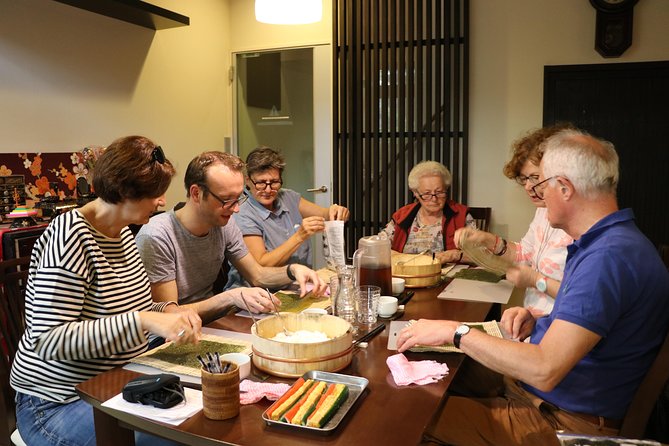
This class fits best if you:
- want a hands-on sushi experience, not just a meal
- enjoy learning Japanese food culture and etiquette
- want a souvenir that travels well, meaning recipes and technique
- prefer small groups where you can ask questions and get help
It’s also a solid pick if you’re traveling with family, since multiple reviews describe a welcoming, patient teaching style. One review specifically notes it can work for different ages in the group. If you’re bringing kids, this setup can feel more structured than a restaurant.
You might want another option if:
- you only want to eat and have zero interest in cooking
- you don’t like tactile food prep, like shaping sushi rice
- you’re arriving late or dealing with unreliable directions, because time matters here
Should you book this Kyoto sushi class?
If you want a true Kyoto food story that doesn’t fade the moment you leave, I’d lean toward booking. The strongest reasons are the small group size, the English coaching, and the fact that you go home with recipes plus the habits behind sushi dining.
I’d especially recommend it if you’re a sushi lover who has always wondered what makes good sushi rice and good dashi taste so different. And if you want a class that treats etiquette and culture as part of the cooking, not an afterthought, this one fits.
If you’re cautious about directions, plan carefully and give yourself extra time to find Roujiya. Do that, and you’ll set yourself up for an experience that feels like a real skill upgrade, not just a nice lunch.
FAQ
What time does the class start and how long does it last?
It starts at 11:30 am and runs for about 2 hours.
How many people are in the class?
The class has a maximum of twelve travelers for the session.
What will I learn to make?
You’ll make sushi, sushi rice, Japanese soup with dashi, and pickled ginger, and you’ll also work on other related sushi items as part of the lesson.
What is included in the price?
Included are the meal, all ingredients for cooking, an English-speaking instructor, recipes, an aperitif, and Japanese green tea.
Is hotel pickup or drop-off included?
No, hotel pickup and drop-off are not included.
What if I have dietary requirements?
You should advise any specific dietary requirements at time of booking.
Where does the class take place and how do I get there?
You’ll meet at Roujiya, 22-58 Nishinokyō Ikenouchichō, Nakagyo Ward, Kyoto. It’s described as near public transportation, and the activity ends back at the meeting point.
Latest write-ups near Kyoto
- Kyoto: Nishiki Market Tour with a Local Foodie & Tastings★ 4.5 · 67 reviews
- Kyoto Kimono Rental mimosa |Kimono/Yukata Rental Couple Plan★ 4.8 · 67 reviews
- Kyoto: Traditional Kimono Fabric Handicrafts Workshop★ 5.0 · 67 reviews
- Kyoto Tea Ceremony and Samurai Photo Session★ 5.0 · 70 reviews
- Kyoto: Replica food making experience★ 4.8 · 70 reviews
- Kyoto: Kinkakuji, Golden Pavilion Guided Tour★ 4.7 · 71 reviews
- Private departure transfer from Kyoto city to Kansai International airport★ 5.0 · 72 reviews
- Uji: Green Tea Tour with Byodoin and Koshoji Temple Visits★ 4.8 · 72 reviews
Sushi Making Classes, compared.
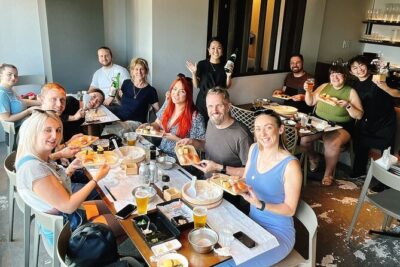
Sushi Making Tokyo Roll and Authentic Japanese Sushi Class
Read our review →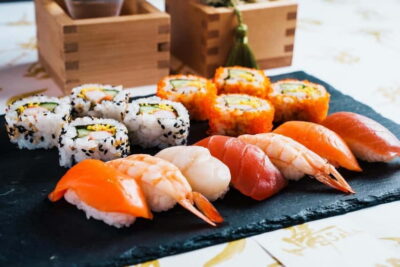
Roll and Authentic Sushi Making Class in Asakusa
Read our review →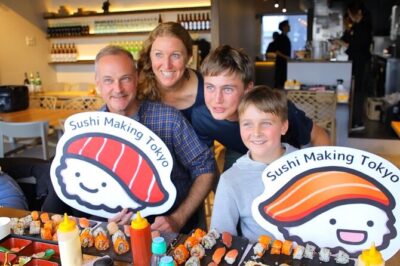
Make Sushi and Create Unforgettable Memories in Tokyo
Read our review →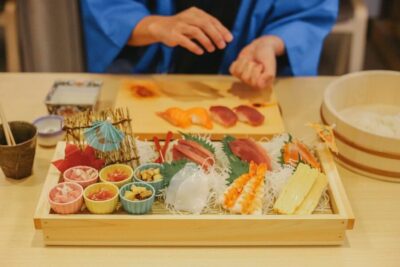
Sushi Making Class in a Happi Coat near a Famous Spot
Read our review →
Sushi Making Osaka Roll and Authentic Japanese Sushi Class
Read our review →
Tokyo Sushi Making Class in Tsukiji with Professional Chef
Read our review →
Tokyo Night Foodie Tour in Shinjuku – Seasonal Sushi, Wagyu Beef
Read our review →
Tsukiji Fish Market Guided Tour and Sushi Making with Pro Chef
Read our review →Browse the lists this tour appears in