
Reviewed · TEA CEREMONIES
Private Kyoto Sushi Cooking Class & Tea Ceremony with Emika
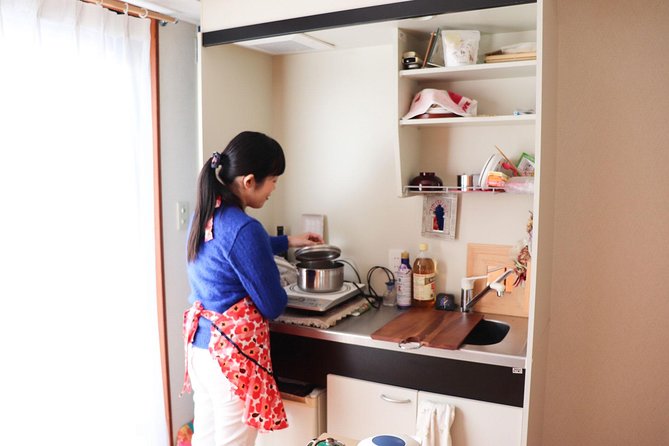
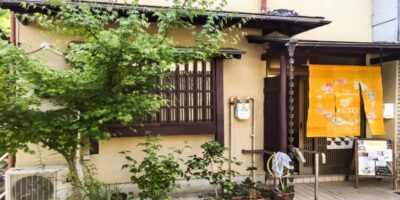
What makes this experience interesting is that you are not cooking in a classroom. You are in Emika’s Kyoto home, learning food the way a real family does, then sitting down to eat what you make.
I especially like the hands-on cooking focus, from getting sushi rice right to making miso soup and vegetable side dishes. I also love the fact that the meal is tied to culture, with matcha at the start and a tea ceremony at the end.
One possible drawback: since there is no hotel pickup, you need to get to the meeting point on your own. Also, while the class is beginner-friendly, you should still expect an active 3-hour block.
Key things that make this stand out
- Cooking in a private Kyoto home with Emika, not a busy commercial kitchen
- Matcha and a tea ceremony bookending the meal with real ritual, not just a drink
- Obanzai style vegetable dishes using seasonal ingredients and Emika’s organic garden produce
- Sushi menu choice made when you book, either sushi of your choice or a more Obanzai-forward menu
- Optional local market tour that helps you understand ingredients and seasonings you can buy at home
- Clear, patient teaching that works even if you are nervous about cooking or kids are in the group
Why Emika’s Kyoto Kitchen Feels More Like a Real Meal Than a Class
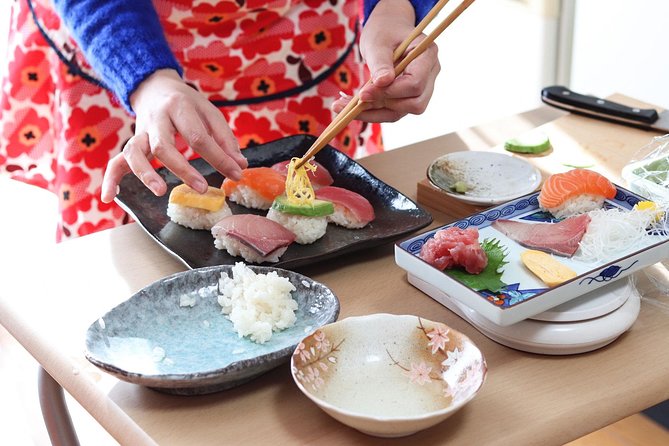
A Kyoto sushi cooking class can be fun, but this one has a different vibe because it happens in a lived-in home. You arrive as a visitor, then you become part of the kitchen rhythm for a couple of hours.
Emika’s teaching style comes through in the way the class is paced. You get step-by-step guidance, and you also get the small practical tips that help you cook with confidence, not just follow directions.
More Cooking Classes in Kyoto
- Ramen Cooking Class at Ramen Factory in Kyoto
★ 5.0 · 1,937 reviews - Kyoto: Ramen Cooking Class at a Ramen Factory with Souvenir
★ 4.9 · 532 reviews - Kyoto: Ramen, Gyoza, and Onigiri Cooking Class
★ 5.0 · 445 reviews
A home setting you can actually talk in
What I like about this kind of format is that conversation is built in. You are chatting while you cook and then again while you eat. That matters, because food in Japan often comes with context: ingredient choices, seasonality, and small rules that people do without thinking.
You will also get recommendations for Kyoto from your host, which is one of those simple benefits you do not always get with more formal activities.
The main trade-off
The biggest thing to plan for is logistics. You meet at 31-30 Katsurainariyamachō in Nishikyo Ward, and there is no hotel pickup or drop-off, so you will want to map your route in advance.
The 3-Hour Timing: Matcha First, Cooking for About an Hour, Then You Eat
The full experience is about 3 hours. The cooking portion is roughly an hour, then you sit down together for the meal you prepared, and it ends with the tea ceremony.
That timing is part of why it works. You are not spending half your day in a kitchen, and you are not just doing a quick demo and leaving. It hits the sweet spot where you learn real technique and still get time to enjoy what you made.
More Sushi Making Classes in Kyoto
- Sushi Making in Kyoto! Same-day bookings welcome!
★ 5.0 · 713 reviews - The Original Small-Group Sushi Making Class in Kyoto
★ 5.0 · 436 reviews - Kyoto: Small-Group Authentic Sushi Making Workshop
★ 5.0 · 137 reviews - Sushi – Authentic Japanese Cooking Class – the best souvenir from Kyoto!
★ 5.0 · 93 reviews
Matcha is not an afterthought
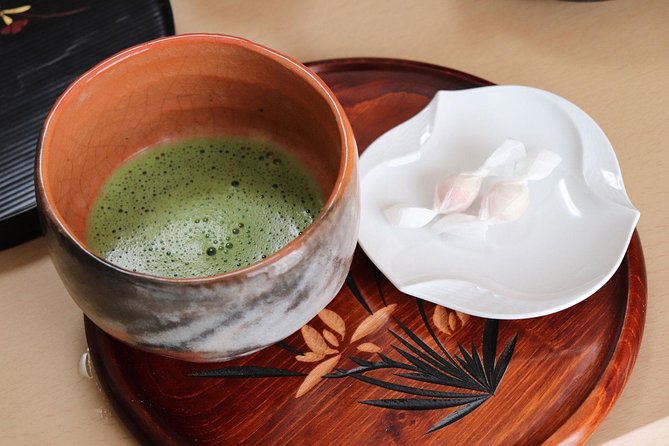
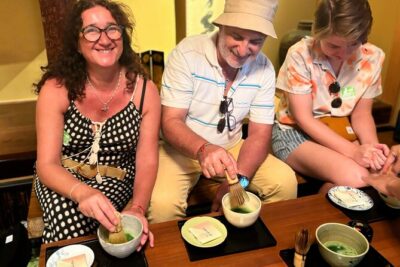
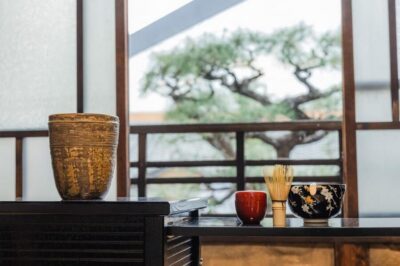
Your session starts or ends with fresh matcha, prepared by Emika or her father. That is a nice touch because it sets expectations for the rest of the experience. You are not just tasting green tea at the end, you are experiencing it as part of the ritual.
Then you finish with a tea ceremony. Even if you have seen tea ceremony videos before, watching it unfold as a closing moment feels different than a standalone show.
Local alcohol is optional, and it fits the meal
The class includes local alcohol, typically 1 to 2 glasses. If you want it, it is paired with the food, so it feels more like a table experience than a sales pitch.
If you do not drink, you can still enjoy the cooking and the meal. Just tell Emika about your preferences when you book.
What You Learn: Sushi Skills Plus Obanzai Vegetable Dishes
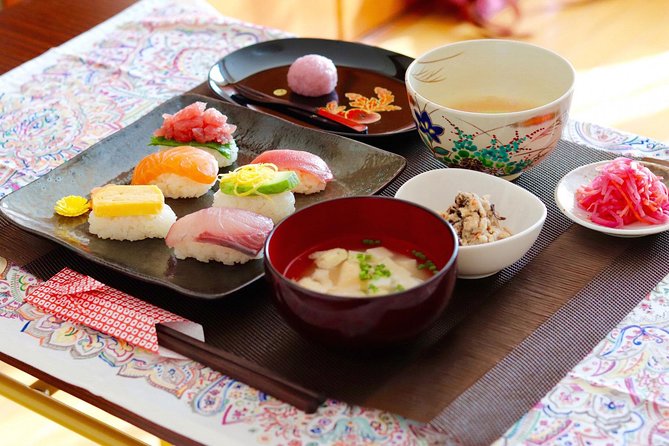
You get to choose between a sushi-focused menu and an Obanzai-based approach, based on what you prefer when you book. When you arrive, you will learn how to make the sushi (or the main) plus two Obanzai style vegetable dishes.
The best part is that you are not just assembling. You learn the steps that matter, like sushi rice preparation and how to build flavor through simple, traditional components.
The sushi part is practical and tactile
The class covers sushi of your choice. You will work with sushi rice and learn how to roll or shape it, then prepare toppings and seafood in a way that makes sense for home cooking.
If you have never made sushi before, you are not stuck. The pace is designed for beginners, and Emika is patient with questions.
In the same spirit, you also learn technique for miso soup and classic flavors that show up across Japanese home meals.
Obanzai is the secret sauce here
Obanzai is Kyoto home cooking, especially known for vegetable dishes built around seasonal ingredients. In this class, two vegetable sides are part of your meal, so you get to see how Kyoto treats produce as the main event.
What you cook is not random. You are working with flavors like marinated mushrooms and slow-cooked vegetables, plus dishes that reflect what is available and at its best.
Emika’s Garden Produce and the Ingredient Logic That Matters
A big praise point is that you cook with organic vegetables grown by Emika. That changes the experience because ingredients are fresher and more flavorful, and you can actually taste the difference.
But the deeper value is the ingredient logic. Emika helps you understand why something is done a certain way, and that makes your meals at home easier, even if you do not find the exact same produce.
Seasonal ingredients teach you how to think
When you cook with what is in season, you start building a different habit. Instead of chasing a recipe that always demands the same ingredients, you learn to match flavors to what is available.
That is one reason this class does not feel like a one-off. If you pay attention to the method, you can repeat the same style of cooking later.
You get more than flavor, you get guidance
In several past sessions, Emika gave extra tips on where to buy sushi supplies and how to recreate results at home. That is the kind of bonus that makes the time feel worth it, because you leave with a path to continue.
Your Meal: Pairings, Sharing, and a Very Kyoto Table Moment
You cook first, then you eat together. The experience ends up feeling like a shared meal, not a performance.
This is where the included drinks help. The class includes local alcohol (usually 1 to 2 glasses), and you can also be paired with matcha as part of the tea focus. Either way, the meal becomes a conversation.
Dietary needs can be handled with care
If you are vegetarian or have restrictions, you should tell Emika when you book. The experience includes a way to communicate allergies, dietary restrictions, and cooking preferences ahead of time.
That matters because sushi and Japanese home cooking can include many hidden ingredients. When your host knows your needs early, you are more likely to get a plan that works.
The Optional Market Tour: Buying Japanese Ingredients After Lunch
There is an optional Market tour. If you choose it, Emika takes you on a 1 hour trip to a produce-focused store and what is described as a supermarket locals typically shop at.
Here is a key timing detail: the market portion happens after your cooking class and lunch. After you eat, you walk about 10 minutes together to the supermarket area.
Why this works better than a rushed grocery stop
Instead of trying to teach you everything in class, the market tour gives you a chance to connect ingredients with labels, packages, and seasonings you might not recognize at home.
Emika can point out what to look for, how to use certain spices or seasonings, and which items are practical to bring back.
What you can do with the information
If you want to cook Japanese food at home, this part is extremely useful. You can shop with intent instead of grabbing items that look Japanese but do not actually match the flavors you learned.
Meeting Point Reality: Getting There Without a Tour Bus
You meet at 31-30 Katsurainariyamachō, Nishikyo Ward, Kyoto. There is no hotel pickup and drop-off, and the area is near public transportation.
One practical note from real experience is that you may walk around 10 to 15 minutes from Kasura station. The route can involve winding local streets, so it helps to have Google Maps ready before you leave your stop.
What I recommend you do
Plan your route, then walk it once in daylight if you can. If not, at least check the walking time and make sure you know what exit or landmark you are aiming for.
This matters because the class is private, and it ends back at the meeting point. You will want to arrive on time, not stressed.
Value and Pricing: Why $109 Can Make Sense for a Private Home Session
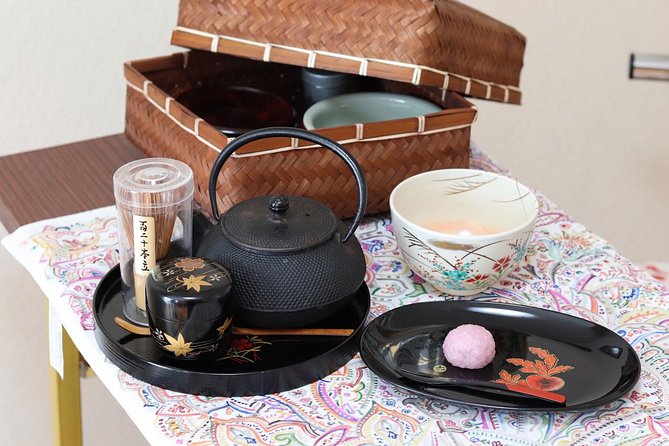
At $109 per person for about 3 hours, this is not a cheap add-on. But it is also not priced like a large group show.
For the money, you get a private cooking class, a matcha ritual, a tea ceremony, and local alcohol. You also get the chance to cook with Emika’s own organic vegetables, which is a detail that feels more meaningful than a generic “farm to table” slogan.
Then there is the optional Market tour, which adds a practical layer if you want to recreate dishes later.
How to judge it for yourself
This class is good value if you care about technique and you want to leave with something you can actually cook again. If you only want a quick taste, there are cheaper options around Kyoto. But if you want the full home-cooking experience, this is a fair price for private attention.
Who This Class Is Best For (And Who Might Want to Choose Something Else)
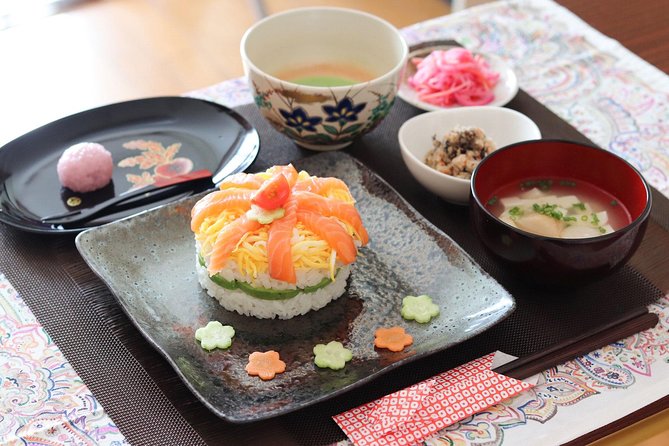
This works for a wide range of skill levels. You can be brand new to sushi and still keep up, as long as you follow along and ask questions.
It is especially good for
- Couples who want a shared activity that feels personal
- Families with kids who will stay engaged in a hands-on kitchen setting
- Food lovers who care about Obanzai and Kyoto vegetable dishes, not just sushi
- Anyone who wants a Kyoto neighborhood experience, not just a central tourist loop
Consider choosing a different option if
If you struggle with self-navigation and do not want to manage your own transit, the no pickup setup may add stress. Also, if you expect a purely Western-style cooking environment, a home setting may feel more informal than a commercial class.
Should You Book With Emika? My Practical Take
Book it if you want a real Kyoto home experience where you cook, eat, and end with tea ritual, all with personal instruction. The matcha setup, the Obanzai vegetable focus, and the fact that Emika grows organic vegetables are the kind of details that make this feel grounded.
I would also book if you like the idea of taking home more than recipes. The market tour option helps you understand ingredients and seasonings you can buy later, which turns the experience into something you can use.
One last thought: do yourself a favor and message Emika when you book about whether you want sushi or an Obanzai-forward menu, and share any allergies or dietary needs. That simple step helps the meal fit your group and keeps the class running smoothly.
FAQ
Where does the cooking class take place?
The meeting point is 31-30 Katsurainariyamachō, Nishikyo Ward, Kyoto, 615-8025, Japan. The activity ends back at the same meeting point.
How long is the experience?
It lasts about 3 hours.
Is this a private tour?
Yes, it is private. Only your group participates.
What is included in the price?
The price includes the private cooking class and tea ceremony with your host Emika, local alcohol (1 to 2 glasses), and the supermarket and produce market tour if you choose that option.
Is hotel pickup provided?
No. Hotel pickup and drop-off are not included.
Can I choose between a sushi menu and an Obanzai menu?
Yes. You can inform Emika if you would prefer a sushi or Obanzai (native Kyoto) menu when making your booking.
More Tea Ceremonies in Kyoto
- Kyoto: Tea Ceremony in a Traditional Tea House in Kiyomizu
★ 4.9 · 3,519 reviews - Kyoto: Tea Ceremony Ju-An at Jotokuji Temple
★ 4.9 · 3,207 reviews - Kyoto: 45-Minute Tea Ceremony Lesson Experience
★ 4.3 · 2,378 reviews - Kyoto: Table-Style Tea Ceremony at a Kyo-Machiya
★ 4.9 · 1,211 reviews
Latest write-ups near Kyoto
- Kyoto: Nishiki Market Tour with a Local Foodie & Tastings★ 4.5 · 67 reviews
- Kyoto Kimono Rental mimosa |Kimono/Yukata Rental Couple Plan★ 4.8 · 67 reviews
- Kyoto: Traditional Kimono Fabric Handicrafts Workshop★ 5.0 · 67 reviews
- Kyoto Tea Ceremony and Samurai Photo Session★ 5.0 · 70 reviews
- Kyoto: Replica food making experience★ 4.8 · 70 reviews
- Kyoto: Kinkakuji, Golden Pavilion Guided Tour★ 4.7 · 71 reviews
- Private departure transfer from Kyoto city to Kansai International airport★ 5.0 · 72 reviews
- Uji: Green Tea Tour with Byodoin and Koshoji Temple Visits★ 4.8 · 72 reviews
Tea Ceremonies, compared.
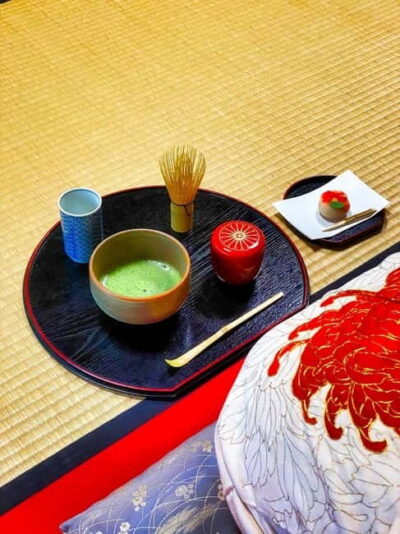
Tea Ceremony in a Traditional Tea House in Kiyomizu
Read our review →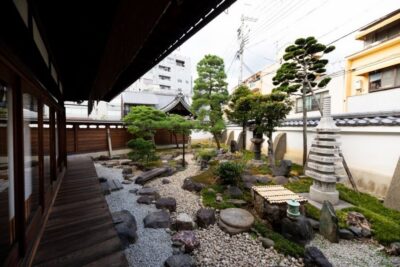
World Heritage Kyoto & Nara Uji Authentic Matcha Experience
Read our review →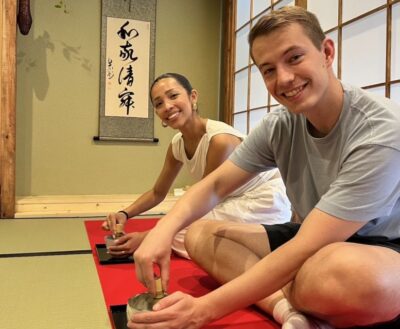
Browse the lists this tour appears in