
Reviewed · DESSERT TOURS
Japanese Traditional Sweets making
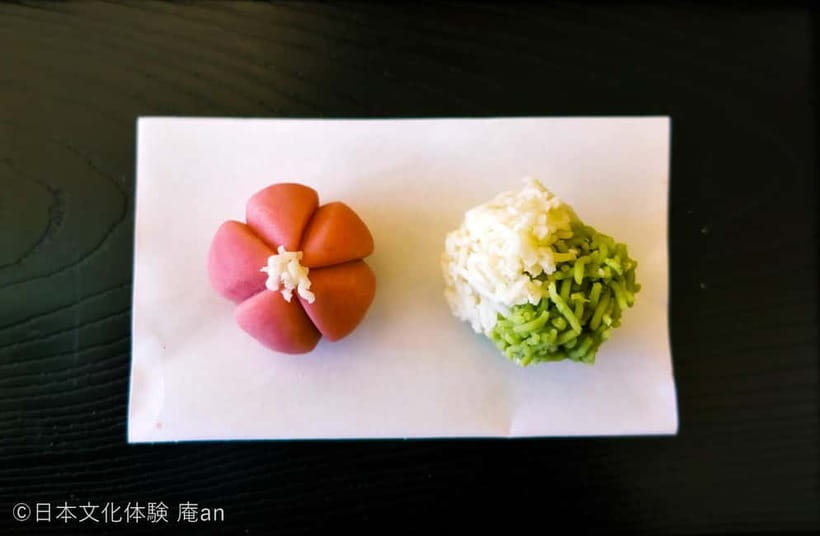
Japanese traditional sweets making is a fun, hands-on way to see how Japanese food culture turns simple ingredients into something that looks like art. You’ll shape Nerikiri into seasonal designs using real white and red bean paste made by long-established Kyoto shops. It feels creative, not intimidating, even if you have zero pastry experience.
I particularly like that you make two sweets that match the season, so you end up with more than one finished piece to enjoy. And I really appreciate that you can eat the sweets on the spot, so the class has a satisfying finish instead of turning into a take-home obligation.
One drawback to consider is pace. Some sessions can feel rushed, with very short timing for each step, and if the room is set up classroom-style you might struggle to see well from farther back.
Key things that make this class worth your time
- Kyoto-made white and red bean paste is the core ingredient, not a generic substitute.
- You’ll make two seasonal Nerikiri so you get variety in one 65-minute session.
- Flower-shaped Nerikiri is part of the experience, giving you an easy-to-recognize design to aim for.
- Kinton Nerikiri is the second build, so you practice more than one technique.
- You eat your creations right away, which makes the whole experience feel complete.
- Plan for a quick classroom setup and bring light baggage, since coat storage can be limited.
Why Nerikiri Sweets Are the Perfect Intro to Japanese Wagashi
Nerikiri is one of those Japanese sweets that looks way more complicated than it usually is. The magic is in the shaping. The dough-like bean paste is worked and pressed into patterns until it resembles something you’d normally see in nature, like petals or a seasonal motif.
This class is a smart fit if you like craft work but don’t want a multi-hour project. In 65 minutes, you get a clear rhythm: learn, shape, refine, finish. And because Nerikiri is made from bean paste rather than flour and butter, the texture stays very forgiving while you figure out hand control.
I also like the cultural angle here. You aren’t just making sweets as a novelty. You’re making something seasonal, with designs that follow the Japanese idea of changing with the year. That small detail helps you understand why wagashi can feel like a language, not just a snack.
Also on the shortlist for Tokyo:
- Mt Fuji and Hakone 1-Day Bus Tour Return by Bullet Train
★ 5.0 · 26,383 reviews - 1-Day Tokyo Bus Tour
★ 5.0 · 14,250 reviews - Tokyo: TOKYO SKYTREE® Admission ticket
★ 4.5 · 11,192 reviews
Finding AN TOKYO and Getting Oriented Fast
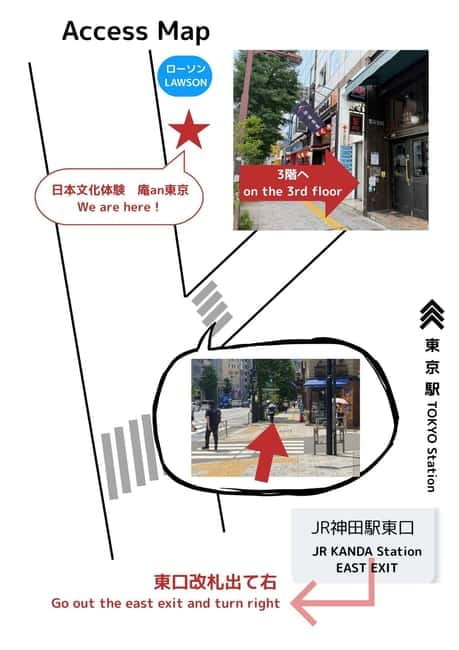
You meet at AN TOKYO Japanese Culture Experience in Tokyo, at the coordinates 35.6916541, 139.7715022. The experience runs between 10:00 and 17:00, so you’ll want to pick a start time that fits your day.
If you’re traveling solo, I found this kind of workshop works best when you arrive a few minutes early. You’ll be able to settle before instructions start, and you’ll avoid that stressed feeling that comes from walking in late. Also, English support is provided as much as possible, but the class language is Japanese, so having a willingness to follow visual steps helps a lot.
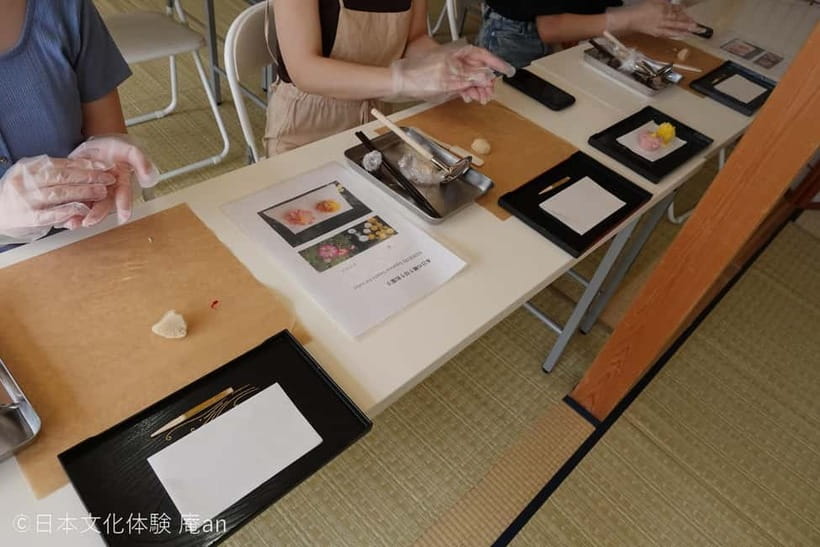
One practical note: this is a classroom-style setup. Some people report limited space for bags and coats, so bring minimal stuff. If you can, keep your things lightweight and easy to set down, because you might be placing them on the floor rather than hanging them.
The First Half: Turning Bean Paste Into a Flower-Shaped Nerikiri
The session starts with a short explanation of Japanese traditional sweets. This isn’t meant to be a lecture. It’s the kind of briefing that helps you understand what you’re making and why the steps matter, so you don’t feel lost when the instructor starts demonstrating.
Then you move into the first main craft: flower-shaped Nerikiri.
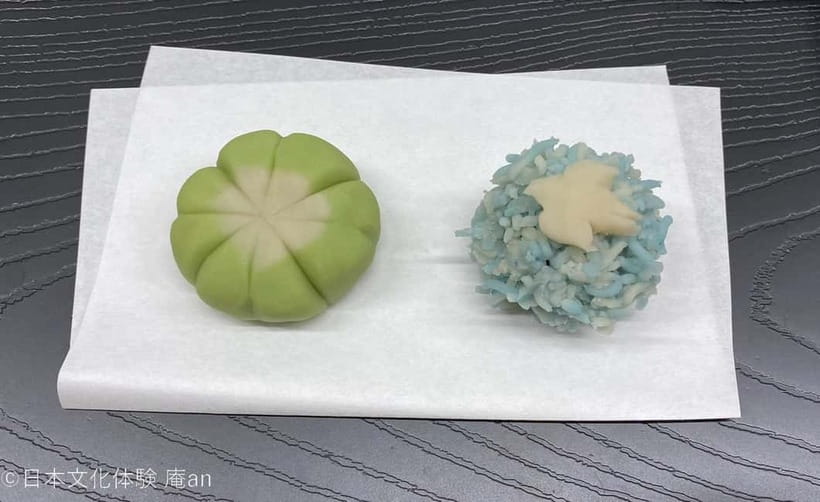
Here’s what that usually means in practice. You’ll take a portion of bean paste and work it into the right base shape. Then you’ll refine it into a recognizable flower form. Nerikiri isn’t about cutting with tools so much as shaping by pressure, smoothing, and careful pinching. That’s good news, because it rewards patience and small adjustments rather than fancy equipment.
The ingredient detail matters too. You’ll use white and red bean paste produced by long-established Kyoto shops. That gives the workshop an authentic feel, because the taste and texture are coming from the kind of producers serious wagashi makers rely on. It also makes your final bites more satisfying.
Timing is the only thing to keep in mind. In some sessions, the instructor pushes steps along quickly. If you like to take your time, sit where you can clearly watch and copy the motion. If you’re at the back of the room, visibility can be an issue in a larger group setup, so choose your spot early.
The Second Sweet: Making Kinton Nerikiri With a Seasonal Touch
After the first design, you’ll get to make your second sweet: Kinton Nerikiri. This part is where you practice again, which is the best way to improve fast. The instructor may adjust your technique based on what you did on the first piece, and you’ll likely get a better sense of how the paste responds to handling.
Kinton Nerikiri tends to feel a bit more structured than some simpler shapes. The overall goal is still the same, beautiful food through careful shaping. But the steps can require more attention to how edges meet and how the surface is smoothed.
Because these sweets are seasonal, the class design can reflect the current time of year. That’s one of the more rewarding parts of wagashi workshops. You’re not making generic “pretty candy.” You’re making something with a seasonal identity, and that makes your two sweets feel like they belong together.
At around the later stage of the workshop, there’s also time for picture taking. It’s worth using this moment to check both sweets side-by-side. If anything looks uneven, you may be able to make a tiny refinement before the final presentation.
A change of pace from Tokyo:
- Tokyo: teamLab Planets TOKYO Digital Art Museum Entry Ticket
★ 4.6 · 9,779 reviews - Mt Fuji & Hakone Cruise, Drum Show Bullet Train 1 Day from Tokyo
★ 4.0 · 7,413 reviews - Tokyo: Sumo Show Experience with Chicken Hot Pot and a Photo
★ 4.8 · 6,678 reviews - Tokyo: Shinjuku Food Tour (13 Dishes at 4 Local Eateries)
★ 5.0 · 6,603 reviews
Taste It Immediately: How Eating Your Nerikiri Changes the Experience
You can eat the sweets on the spot, and I think that’s a big deal. If you take a workshop home to eat later, the experience can lose some of its magic. Here, you get the full loop: learn, create, present, taste.
That immediate tasting also helps you understand what you just did with your hands. When you bite into your own Nerikiri, you can connect texture and sweetness to the dough handling. Nerikiri often has a more mellow sweetness than many Western desserts, so the bean paste taste really comes through.
And because you make two sweets, you’ll notice differences between the two designs and how the flavors feel on the palate. It’s not just a craft souvenir. It’s a snack you earned.
One small practical detail: there’s an extra option for a sweets take-out box for 100 JPY if you want to share or save something. If you do that, it’s likely best reserved for the second sweet, so you can still fully enjoy the on-the-spot portion.
Price and Value, Plus the Small Extras You Might Want
At about $11 per person for a 65-minute Nerikiri workshop, this is strong value for Tokyo. The cost mainly covers the instruction and the experience set that includes the Nerikiri making. You also get two finished sweets, plus the satisfaction of eating them at the end.
What makes the price feel fair is that it includes real ingredient quality. The workshop uses Kyoto-made white and red bean paste, not just a generic bean filling. When an activity includes both instruction and actual materials that turn into edible results, it’s usually better value than “watch and eat later” classes.
There are a couple of add-ons you should know about:
- A sweets take-out box costs 100 JPY.
- An experience completion certificate costs 300 JPY. If you want a certificate with your name, you’ll need to provide your names in advance. Otherwise, it may be printed with a blank space.
If you’re a person who likes documenting your trip, the certificate can be a fun keepsake. If you’re not, you can skip it without missing any part of the main experience.
Language, Group Size, and What to Do if the Room Feels Busy
The class language is Japanese, with English translation provided as much as possible. That means you can still have a good time if you don’t speak Japanese, but you’ll get more out of it if you pay attention to the instructor’s hands and the visual steps.
Group size can be a factor. Some people describe the room as able to hold around 30 students. In that kind of setup, seating matters. If you end up at the back, you might not see fine finger movements that help the final shape. The best move is to arrive early, get a front or middle view, and keep your hands ready to follow along.
Also keep expectations realistic. This is a hands-on workshop, but in tight time windows, the instructor may not pause for slow learners. If you’re someone who needs extra time to get comfortable, go in with a flexible mindset. Focus on copying the technique more than trying to make a perfect flower on the first attempt.
Who This Works Best For (and Who Might Want a Different Style of Class)
This class is a great match if you want:
- A short, structured workshop you can fit into a busy Tokyo day
- A creative food experience focused on Japanese wagashi rather than cooking with a stove
- A solo-friendly activity where you can chat with others while you shape sweets
- A souvenir that is edible, seasonal, and tied to real ingredients from Kyoto
It might be less ideal if you:
- Prefer slow, unhurried crafting with lots of personal coaching time
- Need generous visibility to copy movements precisely, and you expect perfect sightlines from any seat
- Are bringing bulky bags and expect dedicated coat storage
In short, if you like craft workshops with a clear tempo and you’re comfortable learning by watching, you’ll probably enjoy this a lot.
Should You Book This Nerikiri Workshop?
If you’re the kind of traveler who likes doing something with your hands instead of just watching, I think you should book it. For the price, you’re getting a real wagashi-making session, two finished Nerikiri sweets, and the chance to eat them right away, which makes the whole thing feel complete.
My main caution is pacing and visibility. Pick a seat where you can see the hands, and keep your expectations aligned with a fast, guided class. If that sounds fine, you’ll leave with edible art and a clearer feel for why Japanese sweets have such strong seasonal identity.
FAQ
How long is the Japanese traditional sweets making class?
The experience lasts about 65 minutes.
What do I make during the class?
You will make two seasonal Japanese traditional sweets called Nerikiri.
Can I eat the sweets at the end of the experience?
Yes. You can eat the sweets on the spot during the eating time.
Is there a certificate available?
Yes. An experience completion certificate is available for 300 JPY. If you want it to include your name, you should share your names in advance.
Are take-out boxes available?
Yes. A sweets take-out box is available for 100 JPY.
What language is used during the class?
The instructor provides the class in Japanese, and English translation is provided as much as possible.
Latest write-ups near Tokyo
- Tokyo Customized Private Tour: See Top Attractions in 1 Day★ 4.8 · 67 reviews
- From Tokyo: Top 5 Scenic Spots of Mount Fuji Full-Day Tour★ 4.5 · 67 reviews
- Tokyo: Shinjuku Izakaya and Golden Gai Bar Hopping Tour (2h)★ 4.9 · 67 reviews
- Traditional Japanese Music ZAKURO SHOW in Tokyo★ 5.0 · 67 reviews
- Tsukiji: Unlimited Sake Tasting Experience★ 4.9 · 67 reviews
- Samurai Ninja Museum Asakusa: Kid-Friendly Ninja Training★ 4.7 · 67 reviews
- Tokyo: Not a show- a professional sumo practice with experts★ 4.9 · 67 reviews
- Private Harajuku Omotesando Architecture Walking Tour★ 5.0 · 67 reviews
Dessert Tours, compared.

Matcha Making Class in Tokyo with Authentic Japanese Sweets Set
Read our review →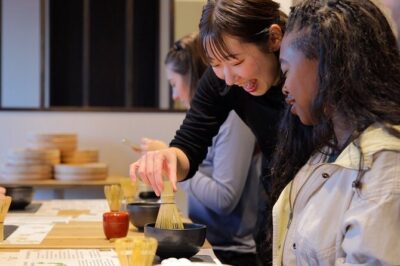
Matcha Making Class in Osaka with Authentic Japanese Sweets Set
Read our review →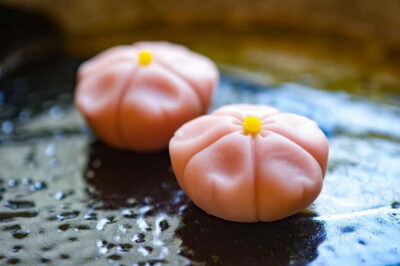
Matcha Making Experience with Mochi Sweets in Asakusa
Read our review →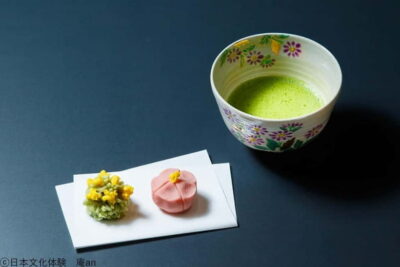
Japanese Traditional Sweets Making and Tea Ceremony
Read our review →
Make Traditional Nerikiri Sweets & Matcha experience in Shibuya
Read our review →
Japanese Traditional Sweets Making and Tea Ceremony
Read our review →
Private Mochi Sweets Making class near Shibuya area
Read our review →Browse the lists this tour appears in