Reviewed · TEA CEREMONIES
Tokyo Sushi Making Class : Sake Ceremony & Matcha Experience
Tokyo can feel overwhelming fast. This hands-on class gives you a clear path, from traditional start to modern Tokyo flavor, all in about 1 hour 30 minutes. I like that it mixes celebration and skill, with a real kagami-biraki sake-barrel opening and then proper nigiri technique you can actually use again later. My only watch-out is the timing: if you are the type who needs lots of downtime, a short 90-minute session can feel a bit packed.
You start in Asakusa, where the activity stays social and focused. You’ll make 6 to 12 pieces (nigiri plus rolls), learn how to shape rice and place toppings, and end by whisking matcha. With a small group limit of 20, you should get enough attention to learn the basics without feeling lost.
Key Things That Make This Class Fun and Practical
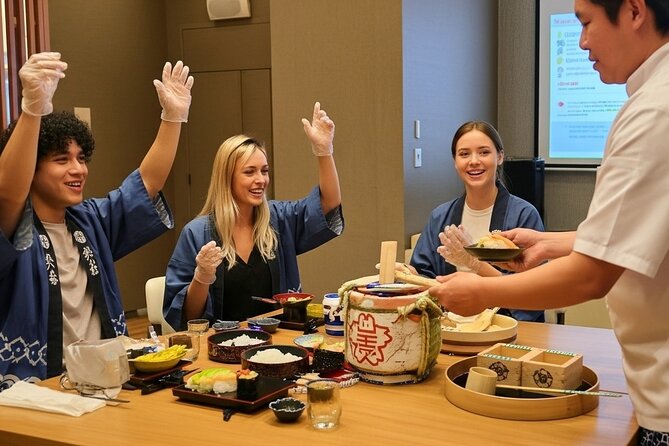
- Kagami-biraki sake barrel ritual with group chanting (Yoisho) and a shared toast
- Real nigiri technique lessons: rice pressure, topping handling, and clean assembly
- Torched salmon mayo gunkan twist with a quick torch finish and a matching chant (WASSHOI x3)
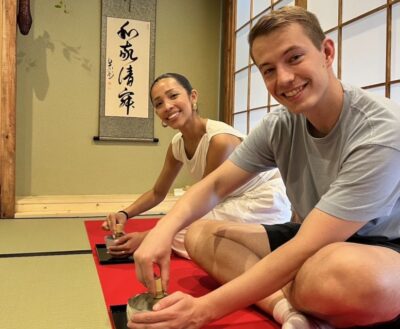
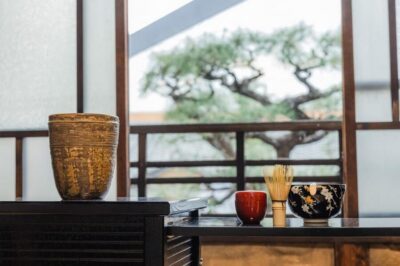
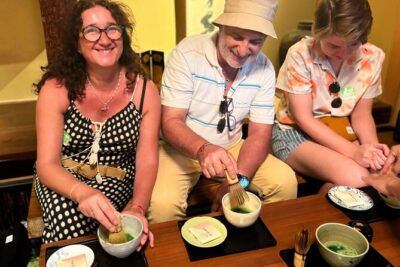
- You make your own matcha and learn how to whisk for the right texture
- A short, structured format: 1 hour 30 minutes with 6 to 12 pieces to enjoy
Kagami-biraki Sake Barrel Opening Sets the Mood in Asakusa
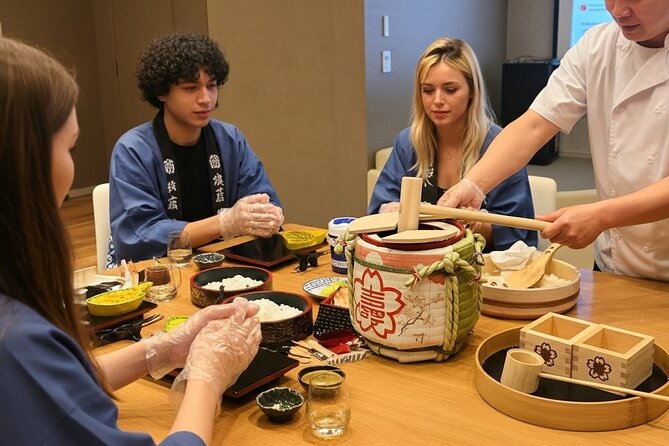
The experience kicks off with kagami-biraki, a traditional sake-barrel opening that is all about new beginnings. This is not just a quick photo stop. You join the group to open the barrel, and you get to take part in the playful chanting rhythm, Yoisho, yoisho, yoisho.
What I like here is the way the ceremony is used as a reset. Before anyone talks about rice or fish, you get in the right mindset: shared, light, and celebratory. The class also offers a practical choice for the toast. If you want to avoid alcohol, you can use water or warm Japanese tea instead, so you are not stuck feeling out of place.
Consideration: This is a hands-on, participatory moment. If you prefer quiet, sit-back-and-watch experiences, the group chant may not be your thing. Still, it is brief and very much part of the point of the workshop.
More Food & Drink in Tokyo
- Tokyo: Shinjuku Food Tour (13 Dishes at 4 Local Eateries)
★ 5.0 · 6,603 reviews - Tokyo Tsukiji Fish Market Food and Culture Walking Tour
★ 5.0 · 3,184 reviews - Tokyo: Shinjuku Food Tour (15 Dishes and 4 Eateries)
★ 4.9 · 2,033 reviews
Nigiri Skills: Shaping Rice and Placing Fish Without Guesswork
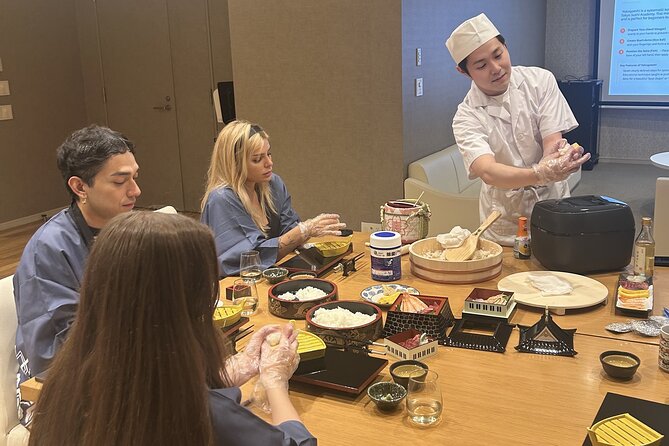
After the cultural start, you move into the core reason to book a sushi class: making sushi with confidence. The instruction focuses on the basics of nigiri, not just plating for show.
You’ll practice three big skills:
- Shaping the rice with the right pressure, so it holds together without turning into a brick
- Handling toppings so they sit cleanly and look intentional
- Placing fish with control, so each piece comes out neat and balanced
The value here is not just that you learn what to do. You learn how to think while doing it. For example, rice is the foundation. If your rice pressure is off, everything follows. Same with topping handling. When you get those motions right, your pieces look more like real sushi and taste better because the proportions feel right in your hands.
This part is also where the class earns its beginner-friendly reputation. You are guided step-by-step, which matters because sushi skills are physical. Even if you have eaten sushi your whole life, you still need the muscle memory for rice shaping and placing toppings.
WASSHOI Torched Salmon Mayo Gunkan and the Modern Tokyo Twist
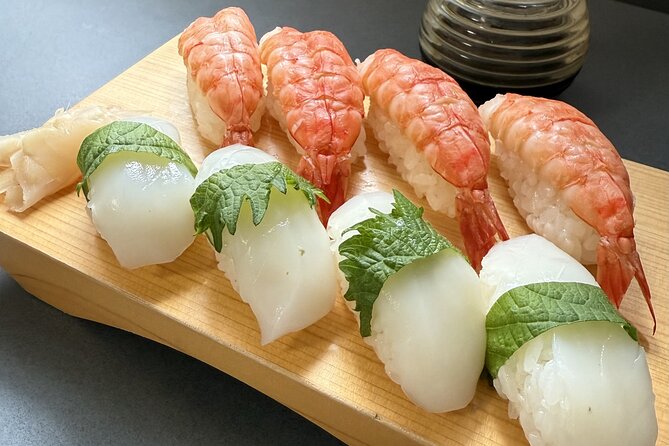
Then comes the crowd favorite: WASSHOI torched salmon mayo gunkan. This is where the class adds a fun, modern Tokyo flavor to the more traditional nigiri foundation.
Here’s what makes it memorable:
- You pile the salmon high, so the bite feels generous
- You add the zigzag mayo for that distinct creamy, rich taste
- You finish with a quick torch, which adds smoky depth on top of the creamy umami
You also get to chant WASSHOI x3, which turns this into a mini event rather than just another recipe step. And yes, there is a photo moment built into this section. The timing is set so you catch the dish right when it looks its best.
Possible drawback: Torching is part of the cooking process. Even though it is quick, you should expect heat and be ready to follow instructions closely. If you are very sensitive to smoke smells or prefer strictly no-cooking activities, this might feel a bit intense compared with gentler classes.
Matcha Whisking: Calm Technique Before You Walk Out Full
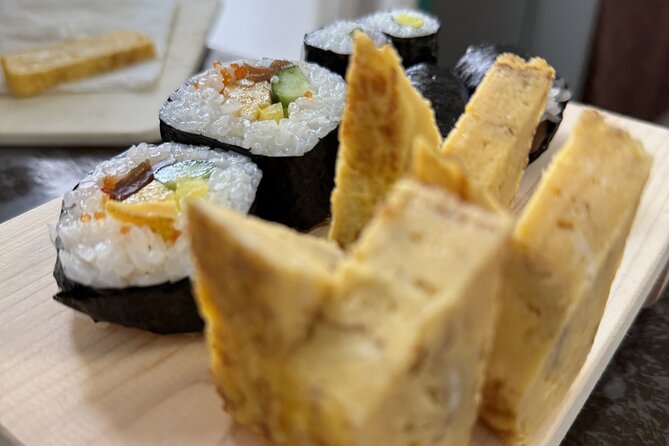
After you’ve built sushi and enjoyed the fun of the torch, the class slows down with matcha. This finish matters because it shifts your energy back to something quiet and controlled.
You learn how to whisk matcha so you get a smooth, foamy bowl instead of flat powder. Then you enjoy your fresh matcha as the finale to the meal you helped create.
Why this is a smart ending: sushi teaches hands-on precision, and matcha teaches controlled agitation. You end the class feeling like you learned two different types of technique, cooking and drink preparation, without the session dragging on.
If you like sweet, bitter, and vegetal flavors, matcha is also a nice counterpoint to the richness of mayo-topped salmon. It cleans the palate and gives the whole experience a tidy close.
More Sake Tastings in Tokyo
- Ramen and Sushi Cooking Class with Sake Pairing Set in Tokyo
★ 5.0 · 291 reviews - Sake Tasting Masterclass in Shinjuku (8+ Varieties with a Pro)
★ 5.0 · 271 reviews - Sake Omakase in Tokyo: Guided Tasting by Certified Sommeliers
★ 5.0 · 239 reviews - Tasting All Types of Sake with Sommelier
★ 5.0 · 151 reviews
What You’ll Make and Eat in 1 Hour 30 Minutes
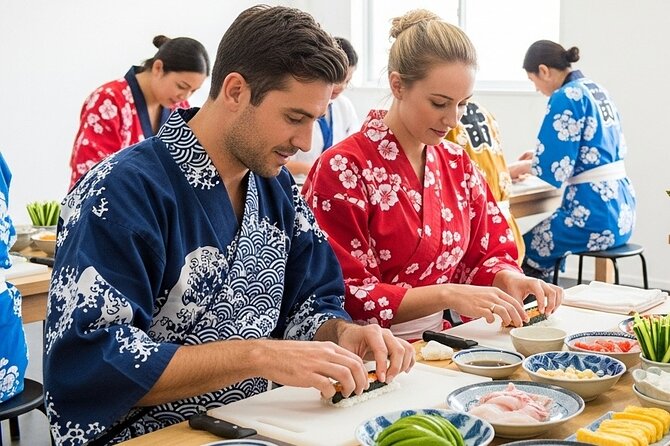
The schedule is compact for a reason. You are there to learn, make, and eat, not spend half a day watching. The class runs about 1 hour 30 minutes and includes mobile ticket entry.
By the end, you will make 6 to 12 pieces total, including nigiri and rolls. That range depends on pacing and how the group flows, but it is designed so you leave with enough sushi to feel you truly participated.
The food you make is part of the experience. The point is to connect technique to outcome. When you shape rice with the right pressure and place fish cleanly, you can see the difference in how the pieces look. When you finish with torched salmon mayo, you can taste how flavor changes with heat.
The group size cap of 20 travelers also helps here. With smaller groups, it is easier for an instructor to keep an eye on your hand position and give quick corrections.
Location and Meeting Point: Asakusa, Easy to Get To
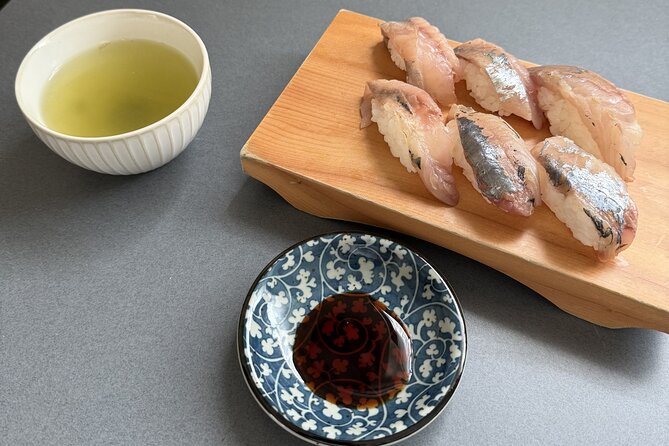
You meet at Sushi Meets Matcha in Asakusa, at 1-chōme-10-16 Hanakawado, Taito City, Tokyo 111-0033. The listing notes it is near public transportation, which is important in Tokyo, where every neighborhood has its own rail options.
Also, because the activity ends back at the meeting point, you do not need to factor in a complicated second location. For a 90-minute class, that kind of simplicity is a real advantage.
Practical tip: Asakusa is a popular area, so plan to arrive a few minutes early. Being on time helps you get settled before the ritual part starts.
Price and Value: $45.77 for Sushi, Sake Ceremony, and Matcha
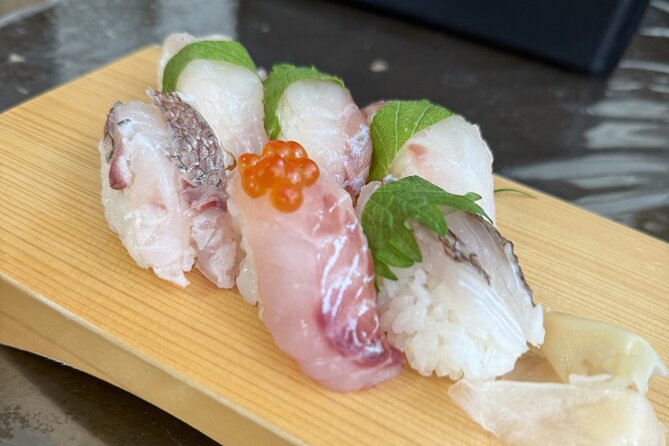
At $45.77 per person, this is priced like a focused workshop rather than a long, multi-stop tour. You do get a lot packed into that price: sake-barrel opening with a toast option, instruction on nigiri basics, a modern torched gunkan dish, and DIY matcha to finish.
Here is the value logic I use when I assess classes like this:
- You are paying for technique coaching, not just ingredients.
- You get both traditional and modern culinary elements.
- You leave with photos of your work and the skills to recreate at home.
The price also makes sense because it is short and capped. Fewer people helps maintain attention, and the whole session is structured around active participation.
If your goal is only to taste sushi, there are cheaper ways. But if your goal is to learn how sushi is assembled and to experience a cultural ritual right before you start cooking, this is a strong value.
Instructor Energy Matters, and This One Seems Built for Enjoyment
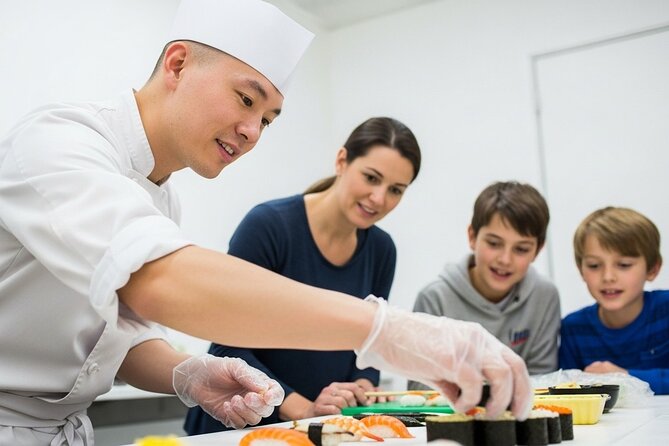
The reviews point to the same theme: the instructor brings a welcoming, fun attitude and makes the class feel relaxed and special. That matters more than people think. Sushi technique can be fiddly. If the vibe is tense, you will rush or overthink your hands.
Here, the tone seems designed to help you focus. You are taught step-by-step, encouraged during group chanting, and given that photo-ready moment during the torched salmon gunkan step. It is exactly the kind of classroom energy that helps beginners succeed quickly.
Also, the rating is 5 out of 5 with 48 reviews, and it is recommended by 100% based on the provided review summary. That does not guarantee quality, but it is a meaningful signal that the experience hits its mark consistently.
Who Should Book This Sushi, Sake, and Matcha Experience?
This class is a great match if you want:
- A beginner-friendly way into sushi making
- A structured cultural experience that includes a traditional ritual
- A mix of technique and entertainment, with chanting and a photo moment
- A short activity that fits into a Tokyo day plan
You might want to skip it if you only want to eat and do not care about technique. You could also consider another format if you really dislike participating in group rituals.
The sweet spot is someone who likes learning by doing. If you enjoy the idea of making 6 to 12 pieces with guided help, then finishing with matcha whisking, you will likely enjoy the full arc of the session.
Should You Book It?
If you want a Tokyo experience that feels authentic but still practical, I think this one is a strong yes. You get a traditional start with kagami-biraki, real hands-on nigiri basics, a memorable modern dish with torching, and a calming matcha finish. For $45.77 and about 90 minutes, it is an efficient way to learn skills you can share and potentially repeat at home.
Book this if you are traveling in the next stretch when you want something active, small-group, and structured. It is also a nice option for people who find food experiences more enjoyable when they can participate, not just watch.
FAQ
How long is the Tokyo sushi making class?
The experience lasts about 1 hour 30 minutes.
What does the class include besides sushi?
It includes a kagami-biraki sake barrel opening with a group toast, and you also make and whisk matcha at the end.
Is there a non-alcohol option during the sake ceremony?
Yes. For the group toast, there is a non-alcohol option of water or warm Japanese tea.
How many sushi pieces will I make?
You will make 6 to 12 pieces, including nigiri and rolls.
How big is the group?
The class has a maximum of 20 travelers.
Can I get a refund if I cancel?
Yes, you can cancel for a full refund if you cancel at least 24 hours before the experience’s start time. If you cancel less than 24 hours before, the amount paid is not refunded.
More Tea Ceremonies in Tokyo
- Matcha Making Class in Tokyo with Authentic Japanese Sweets Set
★ 5.0 · 744 reviews - Tokyo: Traditional Tea Ceremony with a Tea Master
★ 5.0 · 528 reviews - Tokyo: Matcha Making Experience with Mochi Sweets in Asakusa
★ 4.9 · 388 reviews - Tokyo: Matcha and Kimono Experience
★ 4.7 · 219 reviews
More Sushi Making Classes in Tokyo
- Sushi Making Tokyo Roll and Authentic Japanese Sushi Class
★ 5.0 · 3,971 reviews - Tokyo: Roll and Authentic Sushi Making Class in Asakusa
★ 4.9 · 1,957 reviews - Make Sushi and Create Unforgettable Memories in Tokyo
★ 5.0 · 1,413 reviews - Tokyo: Sushi Making Class in a Happi Coat near a Famous Spot
★ 4.9 · 1,377 reviews
Latest write-ups near Tokyo
- Tokyo Nights: Shibuya Photo Adventure★ 5.0 · 20 reviews
- Wagyu & Sake 8 Course Tasting Dinner in Shinjuku★ 4.9 · 20 reviews
- Making Japanese desserts Nerikiri & drinking matcha in Tokyo★ 5.0 · 20 reviews
- Japanese Whisky Hunting《HIGH-QUALITY-ONLY》Rare Tasting Class★ 5.0 · 20 reviews
- Mt. Fuji 5th Station, Owakudani Ropeway, Pirate Ship plus Outlet shopping!★ 4.5 · 20 reviews
- Kintsugi Experience with Arita Ware in Tokyo (English Guide)★ 4.8 · 20 reviews
- This is Asakusa! A Tour Includes the All Must-Sees!★ 5.0 · 20 reviews
- Ebisu Local Food Tour: Shibuya’s Most Popular Neighborhood★ 5.0 · 20 reviews
Tea Ceremonies, compared.
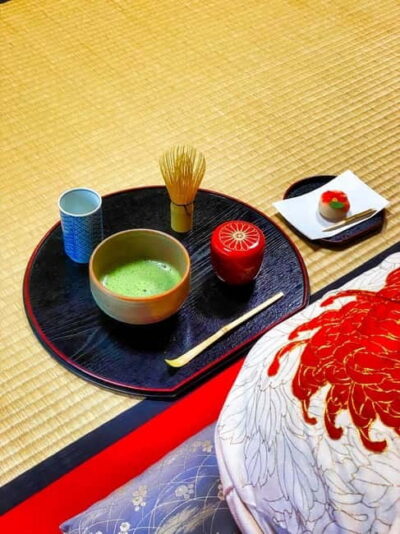
Tea Ceremony in a Traditional Tea House in Kiyomizu
Read our review →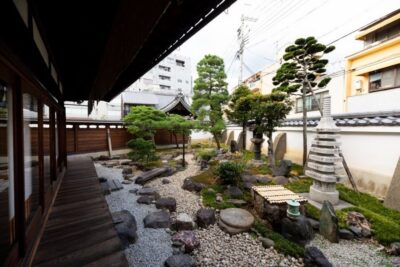
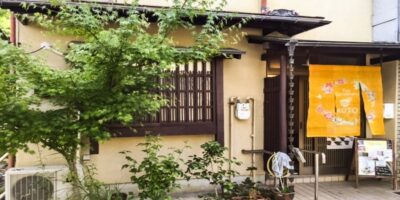
World Heritage Kyoto & Nara Uji Authentic Matcha Experience
Read our review →